 Richard van Hooijdonk

The AI Revolution
AI reasons, sees, hears and is starting to help make scientific discoveries. A keynote on AI's possibilities, now and next, and what they mean for organisations and society.
Download the PDF of The AI Revolution (PDF, 3 A4 pages, 1.3 MB)Choose your keynote
Six keynotes, each of which can be tailored to your sector and audience.
 The AI RevolutionYou are viewing
 Agentic AI
 The Organisation of the Future
 Leadership and Management in the AI Era
 Cybercrime in the AI Era
 Trends 2040
Not sure which keynote fits? We are happy to advise. Tell us about your audience
Gold-medal standard at the International Mathematical Olympiad, a Nobel Prize for predicting protein structures, a conversation translated as it happens: AI can now do things that were science fiction only recently.
The AI Revolution looks at what AI can do today and what it is doing to our work. The examples come from the everyday work of a team made up of people and AI agents. AI has quickly grown beyond the chatbot that answers questions. It works through a problem step by step, watches through a camera, listens in on a meeting and teaches a robot a new task. And progress is accelerating. Researchers are asking AI to propose hypotheses, some of which hold up in the lab. Meanwhile, the cost of AI at a comparable level of performance has fallen sharply. This keynote shows you what AI can do today, where it could be in ten years, and what that means for organisations, their people and society. What will your organisation look like when thinking costs almost nothing?
What AI can do today
AI that reasons, sees and hears, learns to move and speaks the language of every profession.
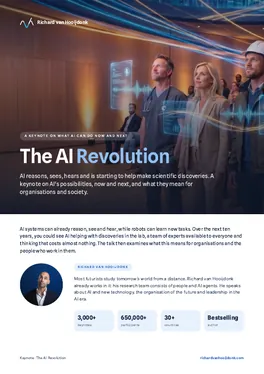 Download the keynotePDF, 3 A4 pages, 1.3 MB The AI Revolution
- 01

AI that reasons
New models think before answering and check their steps. AI has reached gold-medal standard at the International Mathematical Olympiad.
A reasoning model does not immediately give the first answer that comes to mind. It breaks the task into steps, tries different approaches and checks its work along the way. More computing time often produces a better answer. AI can now tackle problems it could not solve before: AI systems achieved gold-medal standard at the International Mathematical Olympiad, with fully written proofs. In an organisation, a model can assess an investment under different scenarios, find a bug in thousands of lines of code or compare a new contract with all earlier agreements. A team can investigate far more scenarios and possible explanations in a short time, before people weigh the results.
- 02
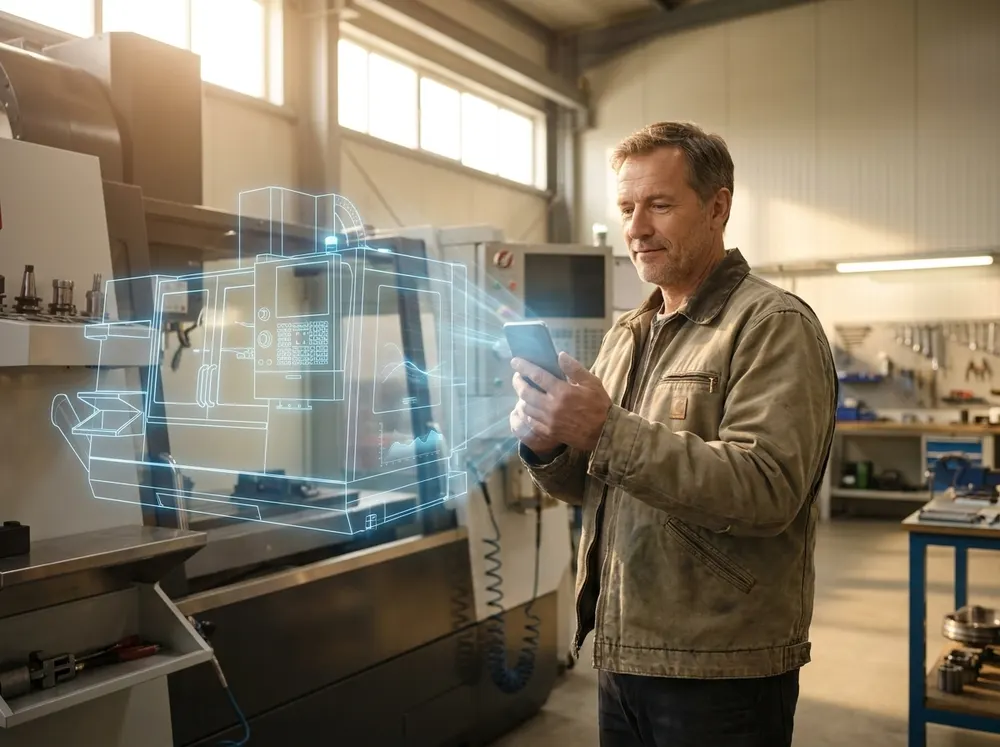
AI with senses
AI sees, hears and speaks. An assistant can study a photo, listen in on a meeting and translate a conversation as it happens.
Multimodal AI processes text, images, sound and video together. An assistant can answer questions about something you show it or let it hear, without everything having to be typed out. AI moves beyond the keyboard. A technician points a phone at equipment and hears what might be wrong. A conversation with a customer across the world is translated live. During an inspection, AI compares camera footage with earlier recordings and flags changes worth investigating. Personal assistants follow you between laptop and phone, remembering what you were working on. Wherever you work, AI becomes a colleague that can see and hear alongside you.
- 03
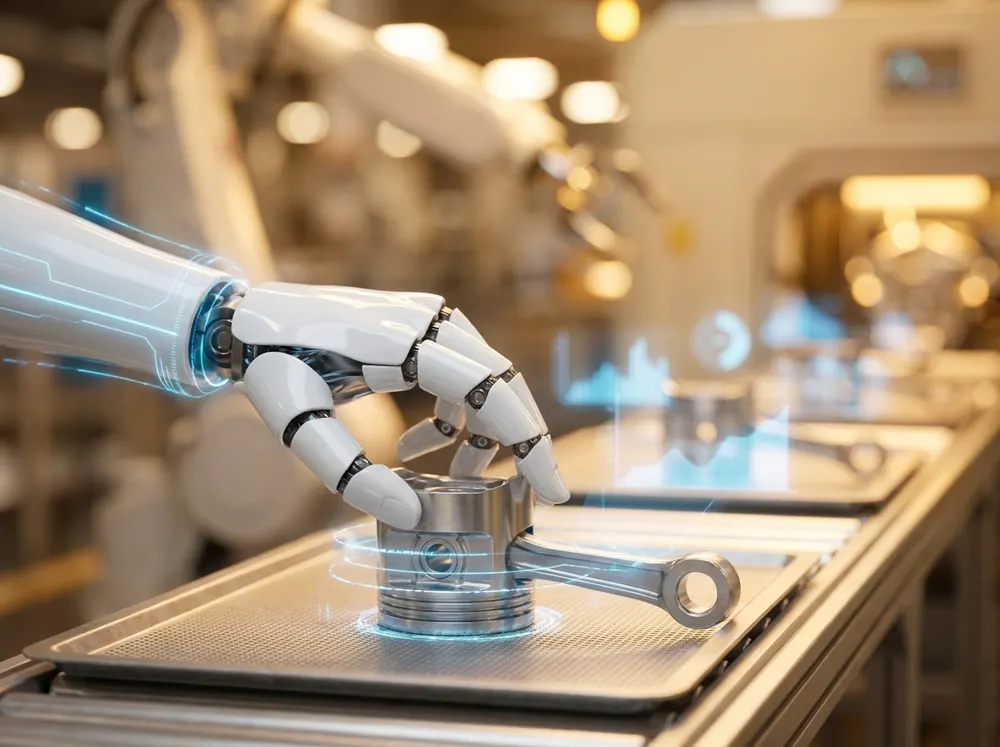 Pilot phase
AI gets a body
Robots learn by watching and practising, rather than being programmed step by step. In factories, warehouses and healthcare.
Physical AI lets machines sense, move and act in the real world. A conventional industrial robot follows a set program and repeats the same movement thousands of times. An AI robot learns from examples: videos, human demonstrations and practice in simulated environments. It can adapt when a component lies at a different angle or a box is dented. Humanoid robots, with arms, hands and human proportions, are working on assembly lines in trials. In warehouses and hospitals, robots collect and deliver goods and materials. Speed, cost and the ability to work safely alongside people still limit their use. Those are precisely the areas where progress is now rapid.
- 04
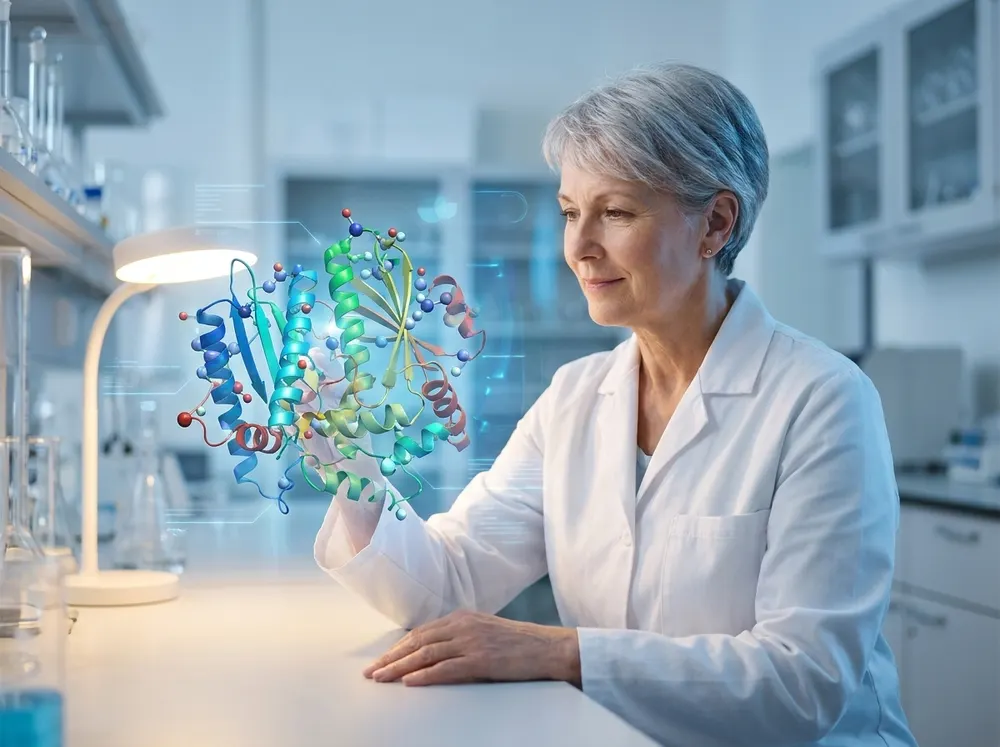
A specialist in every field
AI trained for law, medicine or engineering knows the terminology, consults specialist sources and works alongside the professional.
A general language model learns from vast amounts of text and knows something about many subjects. A specialist model is also adapted to one field: legislation and judgments, medical guidelines, technical manuals or an organisation's own documents. Access to those sources lets it find relevant passages and show where an answer comes from. Specialist AI goes beyond language. Models can predict molecular structures, calculate next week's weather or spot abnormalities on a scan. In organisations, these models work alongside the expert: AI handles the searching, reading and calculations; the professional weighs the evidence and makes the decision.
- 05
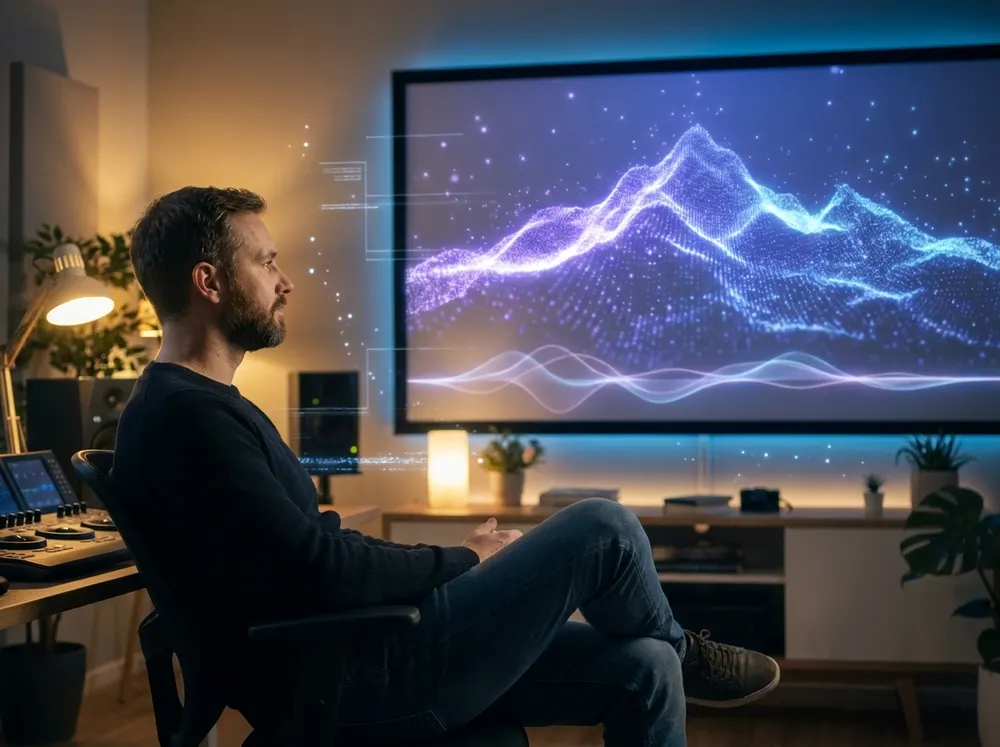
Images, voices and video on demand
AI creates film scenes with sound, voices scripts in many languages and explores design ideas. Creative teams can try far more variations.
Generative AI creates content from instructions in everyday language. It began with text and still images. Newer models produce video with matching sound, speech in many languages and images indistinguishable from photographs. A training department makes instructional videos with spoken explanations in several languages, without a film crew. A designer shows a hundred packaging variations before any are printed. An architect walks a client through a building that does not yet exist. The next step is world models: AI that simulates an interactive environment which responds to your actions, and where robots can also practise.
- 06
 Pilot phase
The step beyond an assistant
An AI agent chooses and carries out the next steps within an assignment. The Agentic AI keynote examines this in depth.
An AI assistant helps with a question or task, then waits for the user to choose the next step. An AI agent receives a goal and takes the steps to reach it: finding information, opening a system, filling in a form, sending a message and checking the result. An agent prepares an entire application from start to finish, instead of writing a single piece of text. AI agents are improving rapidly at real computer tasks and handling longer sequences of work. The Agentic AI keynote examines what this means for work, oversight and the limits of what an AI agent is allowed to do independently.
Soon, every employee will have a team of specialists at their disposal, day and night. What people will build with that is almost beyond imagination today.
Richard van Hooijdonk
The future of AI
What AI could make possible for organisations and society over the next five to fifteen years.
- 07
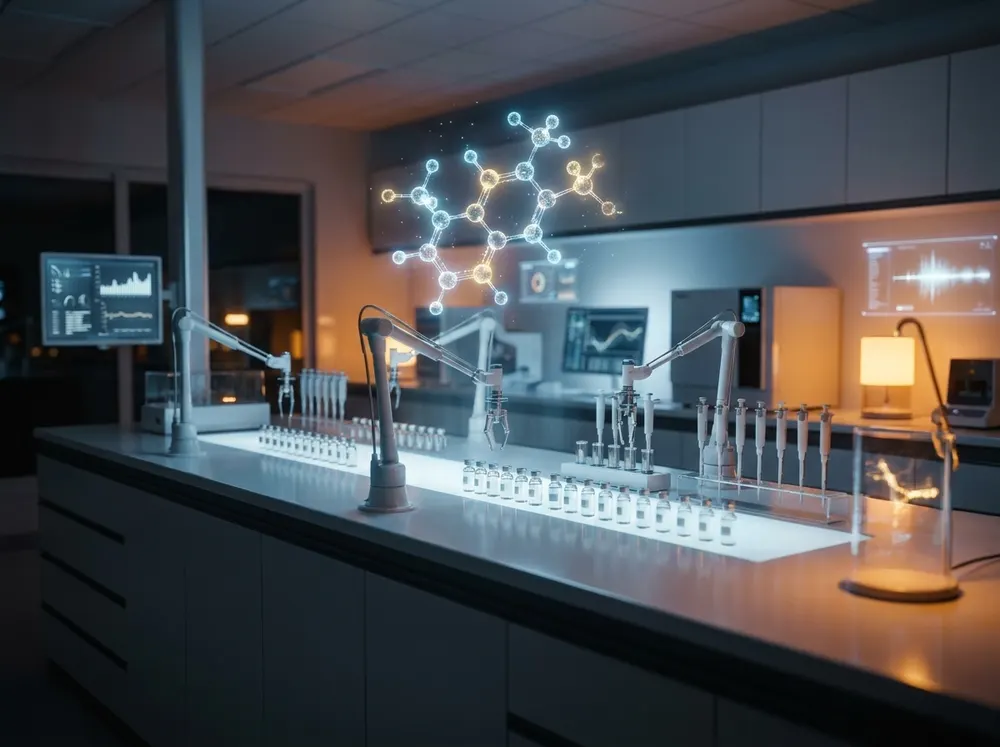 Future scenario
AI as a researcher
In a 2040 scenario, AI and robotic labs research new materials and treatments together, taking hypotheses through to lab experiments.
In a 2040 scenario, AI systems and robotic laboratories conduct research around the clock. AI reads across dozens of disciplines, proposes hypotheses, designs experiments and adjusts the next experiment in response to the results. Researchers choose worthwhile questions and interpret the findings. Early signs are here: an AI system proposed hypotheses about existing medicines and antibiotic resistance, some confirmed in the lab. Demis Hassabis and John Jumper shared the Nobel Prize in Chemistry for an AI model that predicts protein structures. The next advance could bring new materials, medicines and processes in a fraction of the time they take today.
- 08
 Future scenario
A team of experts for everyone
A teacher, doctor, lawyer and financial adviser who know you and always have time. Specialist knowledge becomes available to everyone.
Specialist knowledge has always been scarce. Getting expert advice often involves an appointment, a fee and a wait. AI could make that knowledge available to everyone. In a scenario for the next decade, each person has a personal AI that knows their history, preferences and goals and calls on the specialist needed: a teacher who adapts explanations to the learner's pace, a medical assistant who explains a test result, or an adviser who works through the figures for a major decision. Trials of AI tutoring already show clear learning gains within weeks. For organisations, this means customers, patients and citizens arrive much better informed and ask different questions.
- 09
 Future scenario
Intelligence at almost no cost
AI with comparable capabilities is rapidly becoming more affordable. By 2040, every customer, product and decision could get its own analysis.
The cost of using language models with comparable performance is falling rapidly: it fell by a factor of several hundred within two years. Smaller models now run on a laptop or phone. These are early signs of an economy where thinking costs far less. In a 2040 scenario, designs, treatment options and business decisions are analysed continually. Analysis currently reserved for the largest customer becomes available for every customer. A small team develops services that today need a whole department. How far costs will fall remains uncertain. If the decline continues, markets will emerge for tailored services that are unaffordable today.
- 10
 Future scenario
The prospect of general AI
AI that handles most thinking tasks at human level and connects knowledge across disciplines. Whether and when it arrives remains uncertain.
Artificial general intelligence, or AGI, could handle varied thinking tasks at human level and apply knowledge across disciplines. In one possible scenario for 2040, a system investigates unfamiliar problems, finds missing knowledge and tests solutions. Research offers an early signal, mainly from software tasks. Researchers measure task length by how long a human expert would need. Since 2019, the length of tasks AI can complete independently with a 50 per cent success rate has roughly doubled every seven months. This does not prove AGI is close. Some laboratories suggest the next few years; other experts expect it much later. It does suggest a future where organisations can draw on far greater thinking capacity to tackle difficult problems.
- 11
 Future scenario
Work in 2040
AI could change many professions over the next decade. Some work disappears, new work emerges, and roles develop that have no name yet.
The IMF estimates that AI could affect around forty per cent of jobs worldwide and sixty per cent in advanced economies. That does not mean those jobs disappear; often, the work itself changes. The World Economic Forum expects more jobs to be created than lost by 2030, through AI and other major shifts combined. In a 2040 scenario, almost every professional works with a team of AI assistants. Professions emerge that have no name yet, and continued learning becomes part of every career. Productivity gains could be substantial. Who benefits will be one of the coming decade's major questions for society.
- 12
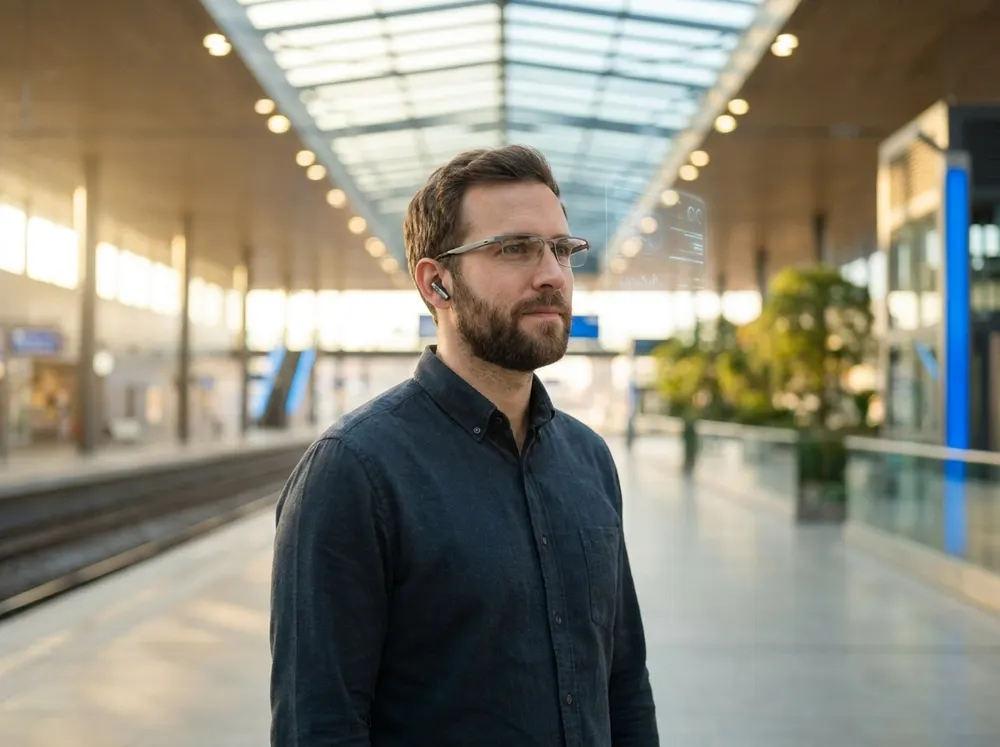 Future scenario
Beyond the screen
In 2040, AI could deliver information through lightweight glasses, an earpiece or the room itself, without you having to look at a screen.
For forty years, screens, menus and apps have been the way people use computers. AI offers another approach: say what you want, and technology handles the steps. Lightweight glasses with cameras and speakers, earpieces and assistants in cars, workshops and meeting rooms make that conversation possible anywhere. Sales of AI glasses are already growing fast. In a 2040 scenario, employees spend less time looking at screens and more on their work, with explanations, translations and information available when needed. For organisations, the focus shifts away from which app to build and towards how a service sounds when a customer requests it through an assistant.
The organisation and its people
What AI changes for organisations and the people who work in them.
- 13

The AI-first organisation
Repetitive and predictive work goes to AI and new technology. People focus on what they do better: judging, choosing and working with people.
Many organisations add AI to existing work: an email assistant, a report after a meeting. An AI-first organisation starts from the other end. AI and new technology do the work people need not do, including the repetitive and predictive work, and people focus on the work where they make the difference: judging, choosing and working with others. At a housing association, a repair request moves from the initial report to a booked technician without intervention, leaving a housing officer more time for a resident who needs help. McKinsey research finds a strong link between redesigning workflows in this way and the financial results organisations attribute to AI.
- 14

When AI becomes a habit
AI changes work when people make it part of their daily routine. Habits, time and room to practise determine the pace.
An AI tool can be available quickly; the work around it changes more slowly. Behaviour often explains the gap. Familiar habits, fear of becoming redundant, a sense that expertise is losing value, a lack of time to practise and uncertainty about what is allowed are common across many organisations. KPMG reports that many employees already use AI, though often without saying so. Once that use becomes visible, adoption often accelerates. A colleague showing how AI saved an afternoon makes the possibilities concrete for the whole team. Early adopters help AI use grow from the ground up, until an occasional experiment becomes a habit.
- 15

Changing work, changing roles
People increasingly direct AI rather than do every task themselves. New roles emerge, while entry-level work and routes to expertise change.
When AI analyses scenarios, predicts deviations in processes and shows decision-makers new connections, people's work shifts. People carry out fewer tasks themselves and spend more time directing AI: setting tasks, assessing results and intervening where the system lacks context. New roles emerge, such as checking AI's work or designing processes around it. In a human-AI team, AI prepares the work; people bring judgement, human contact and accountability. Entry-level work changes too. Finding sources and organising case files once helped newcomers build expertise. AI increasingly takes on those tasks, so new ways of learning the profession are emerging for people at the start of their careers.
- 16

Leaders who set the example
Employees watch what their leaders do. Leaders who use AI themselves and take the initiative inspire their people to build the future together.
Employees often judge where an organisation is heading by how its leaders behave, rather than by its written strategy. Leaders who set the example take the initiative: they use AI themselves, show what it delivers and make room to learn and try things out. The future then becomes something people build together. That room has limits: where mistakes have serious consequences, practice begins in a safe environment. The leader's own work changes too. AI brings more scenarios and signals into view. Decisions about direction, people and values remain the responsibility of those leading the organisation.
- 17

AI literacy for everyone
Knowing what AI can do, where it goes wrong and which data you are allowed to enter. That knowledge becomes part of every profession.
AI literacy means understanding AI's capabilities and limits, how to work with it, where answers can go wrong and which data may be entered. Recognising a convincing answer is different from being able to judge what it is based on. For an employee, this might mean understanding a prediction; for a leader, examining the assumptions behind a scenario. The EU AI Act requires organisations using AI to take measures that support the AI literacy of people working with it. A future academy, where tomorrow's employees and leaders develop their skills, allows that understanding to grow alongside their professional knowledge.
- 18

The AI ecosystem
No organisation develops AI alone. Start-ups, researchers, suppliers and peers around the world help determine how fast you progress.
AI is developed by major model builders, specialist companies, start-ups and research groups worldwide. The best ideas often come from peers who have already taken the next step. An AI ecosystem is the network through which an organisation shares knowledge, data and solutions. Hospitals jointly train a model while keeping patient data within their own institutions, allowing it to learn from many institutions at once. Transport operators share planning data to avoid empty runs. As development accelerates, that network matters more: work already tested elsewhere does not have to be reinvented.
The other side trust, ethics and safety
Trust, the choices behind what technology makes possible, and criminals using the same tools.
- 19

What people want AI to do
AI can comfort, assess, predict and persuade. Deciding how much of that to leave to a machine is a matter for people.
Philosophers have debated the good life for centuries. AI suddenly makes that debate practical. A system can assess a job applicant, keep a lonely older person company, tutor a child or persuade a voter. Technical possibility does not settle whether any of this is desirable. Research found links between heavy chatbot use and greater loneliness and emotional dependence, though results varied by how people used it. The law draws boundaries too: the EU AI Act prohibits workplace emotion recognition, with exceptions for medical and safety purposes. Staying safe and happy with AI becomes a shared human choice, within organisations and across society.
- 20

Trusting what you see
AI sometimes invents a source, while real and fake become harder to tell apart. Trust grows scarce, and more valuable.
A language model builds answers from patterns in its training and the information it receives. Often the answer is useful; sometimes it contains a convincing but invented source or figure. AI also creates images, voices and video indistinguishable from the real thing. An old certainty disappears: what you see and hear is no longer automatically true. AI's quality depends heavily on its data. Oversight, checks and technical limits can reduce the risk of errors. Organisations able to show where their information comes from can earn the trust that is being lost elsewhere.
- 21

Phishing that looks convincing
Fraudsters use AI to write convincing phishing emails and imitate voices. Ransomware and breaking into systems are getting easier too.
AI makes it easier for criminals to get at valuable information. Spelling mistakes once gave fraudsters away; now a criminal has generative AI write a polished, personal email in seconds, in many languages and with details from the target's online profile. A short recording is enough to imitate an executive's voice. The same AI that helps an employee write a clear customer email helps a fraudster produce a convincing payment instruction. AI also helps attackers find weak spots in systems and deploy ransomware faster. A familiar voice and a flawless email say less and less about who is on the other end, so good security counts for more.
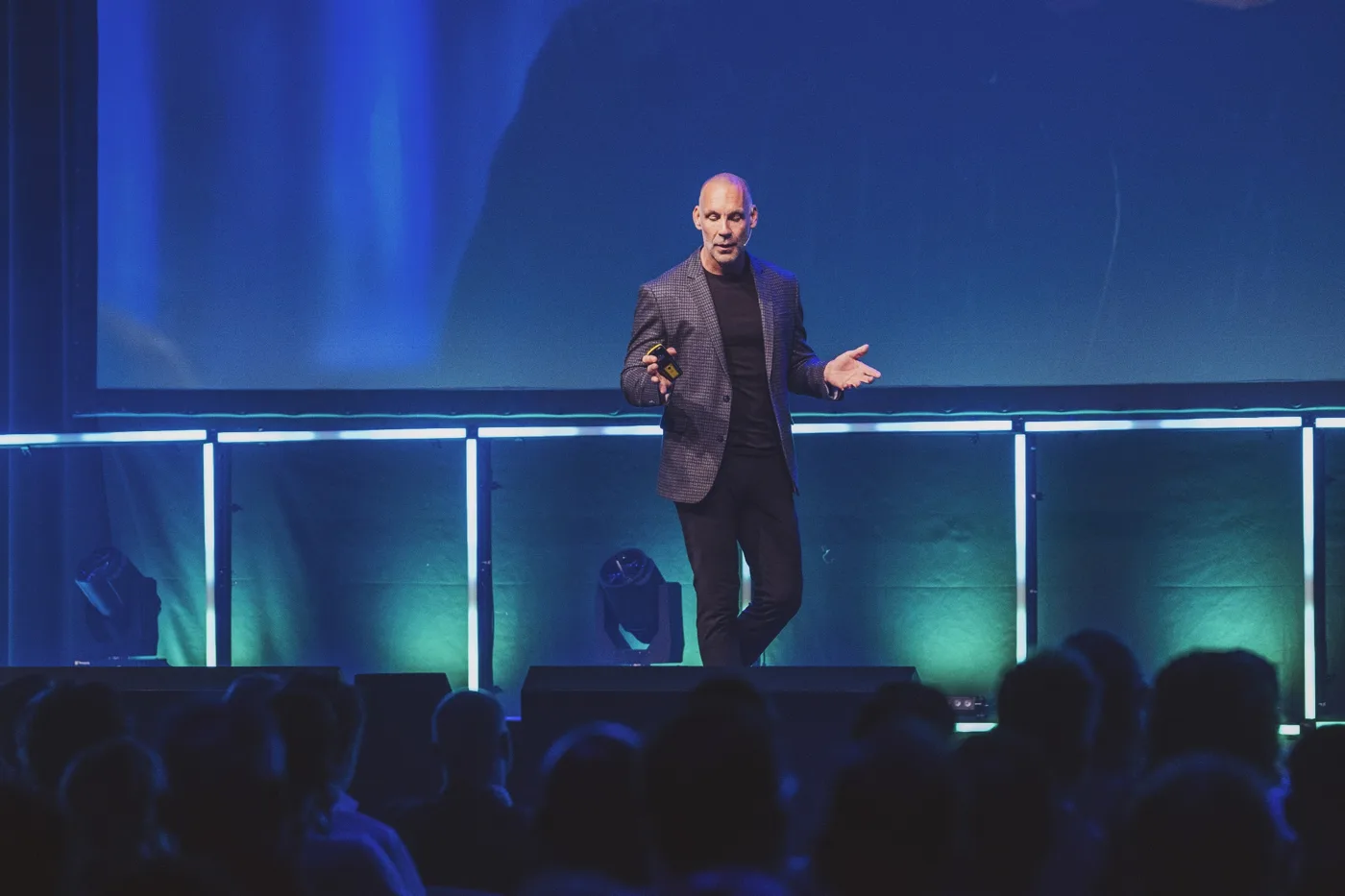
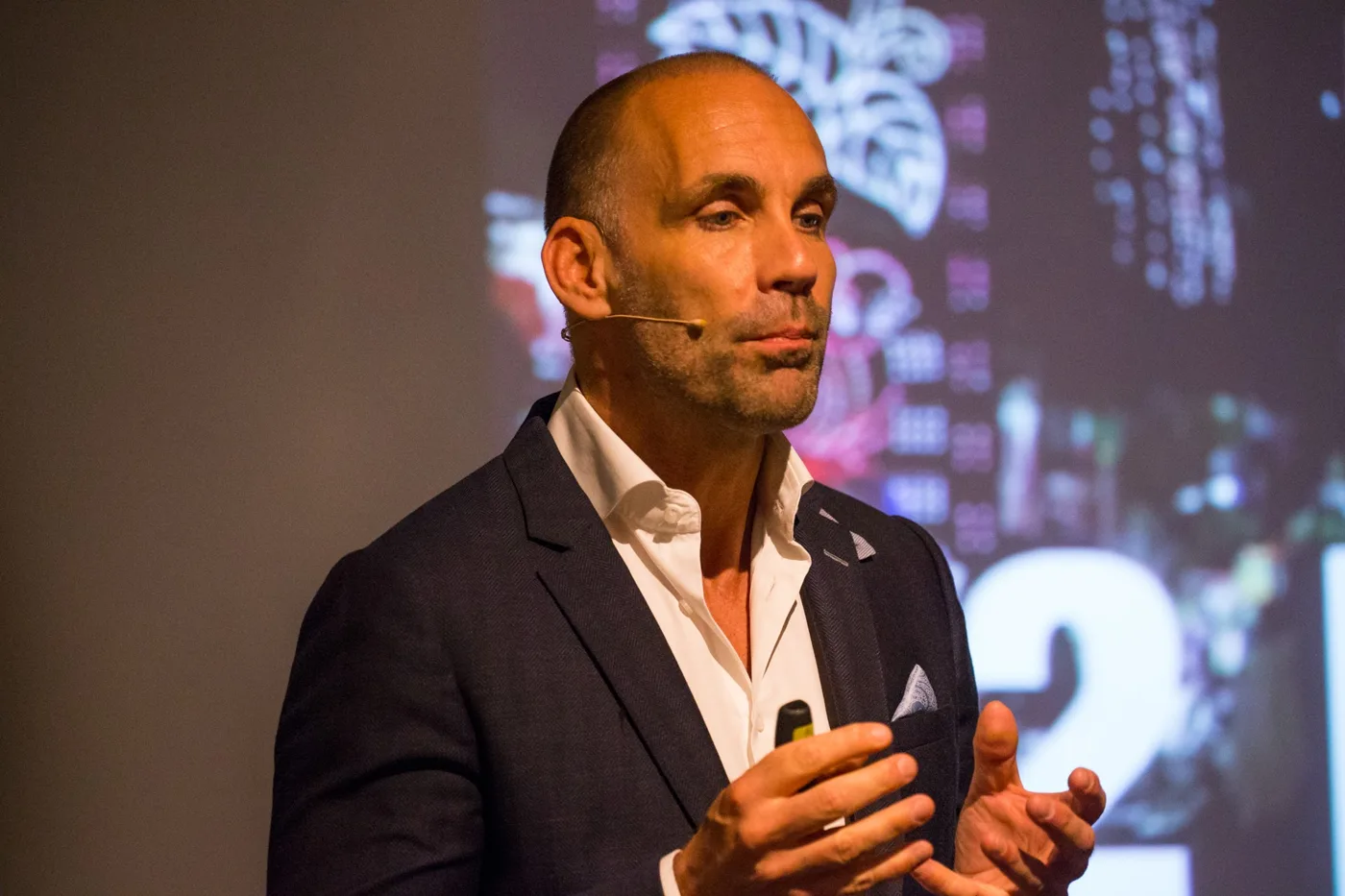
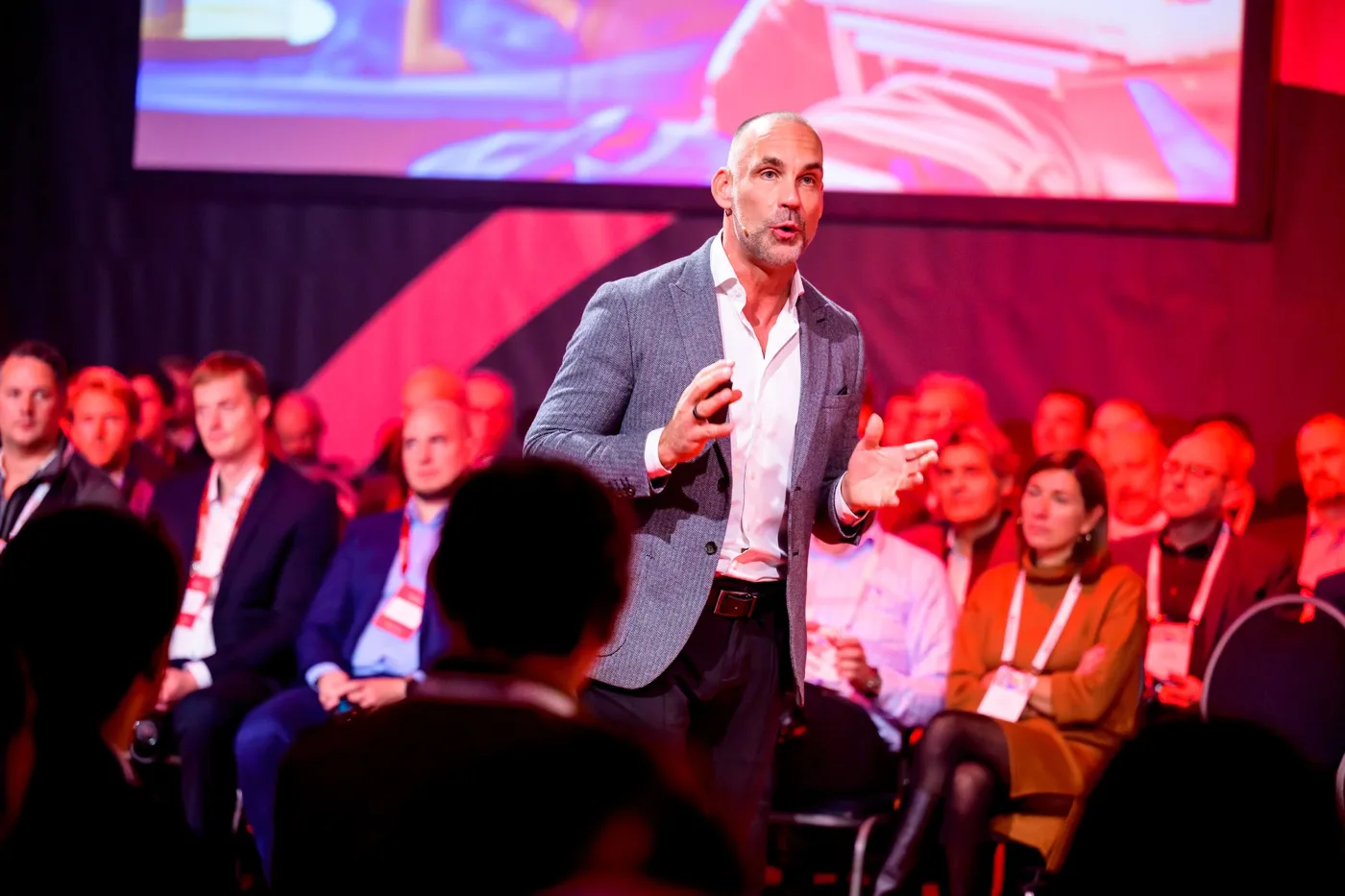
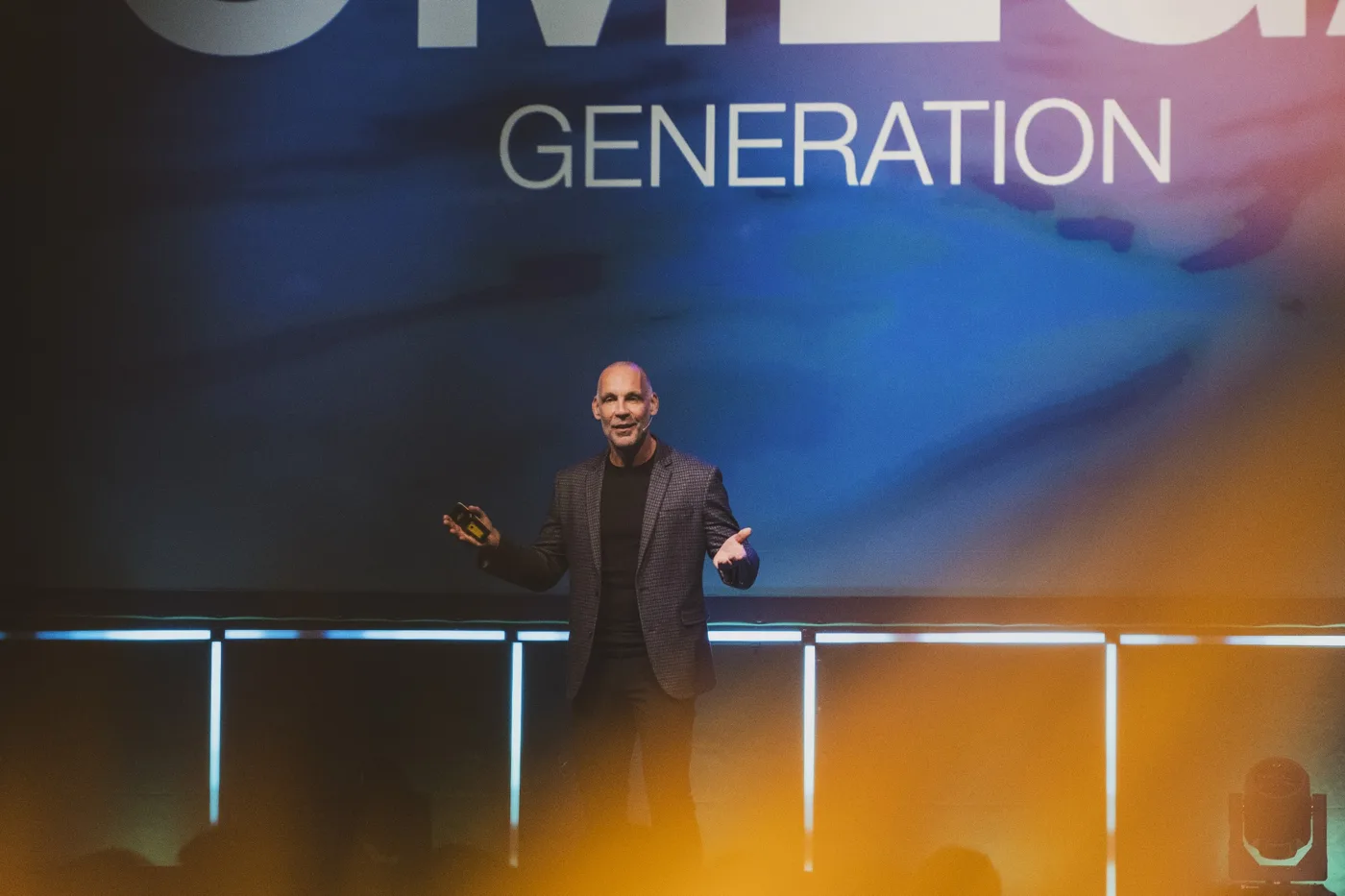
On stage
A packed conference hall, a televised panel discussion, a police summit in Dubai.
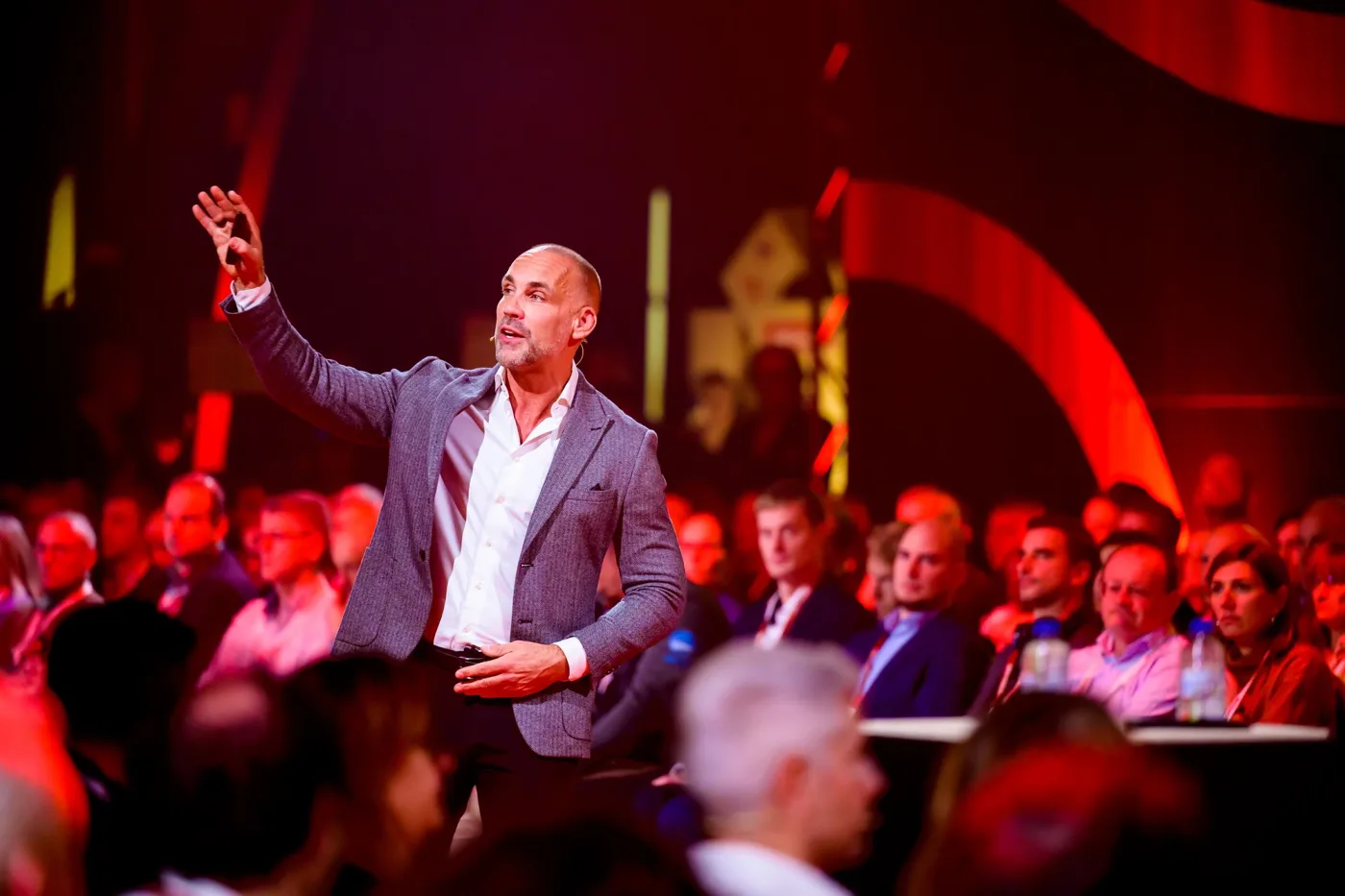
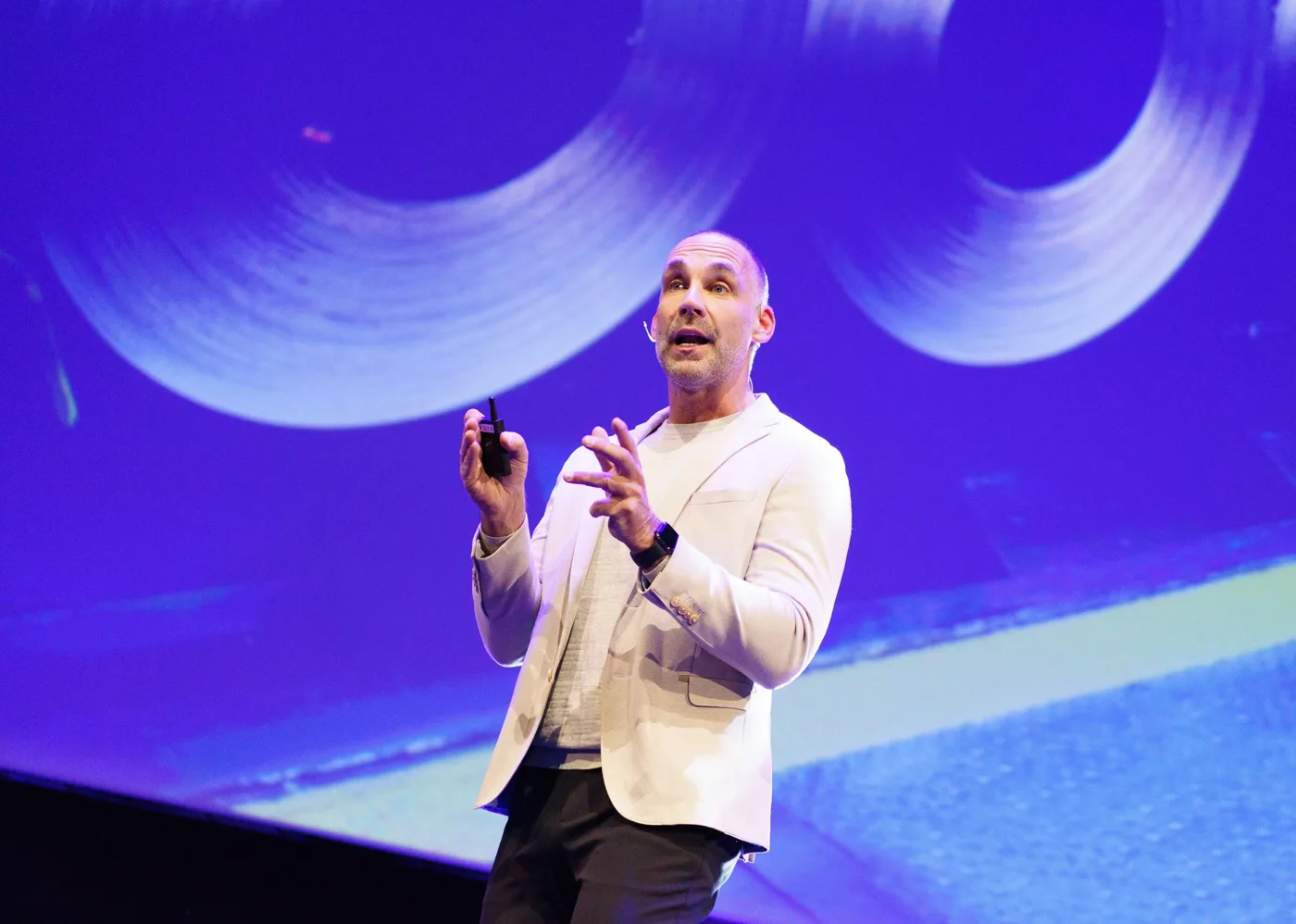
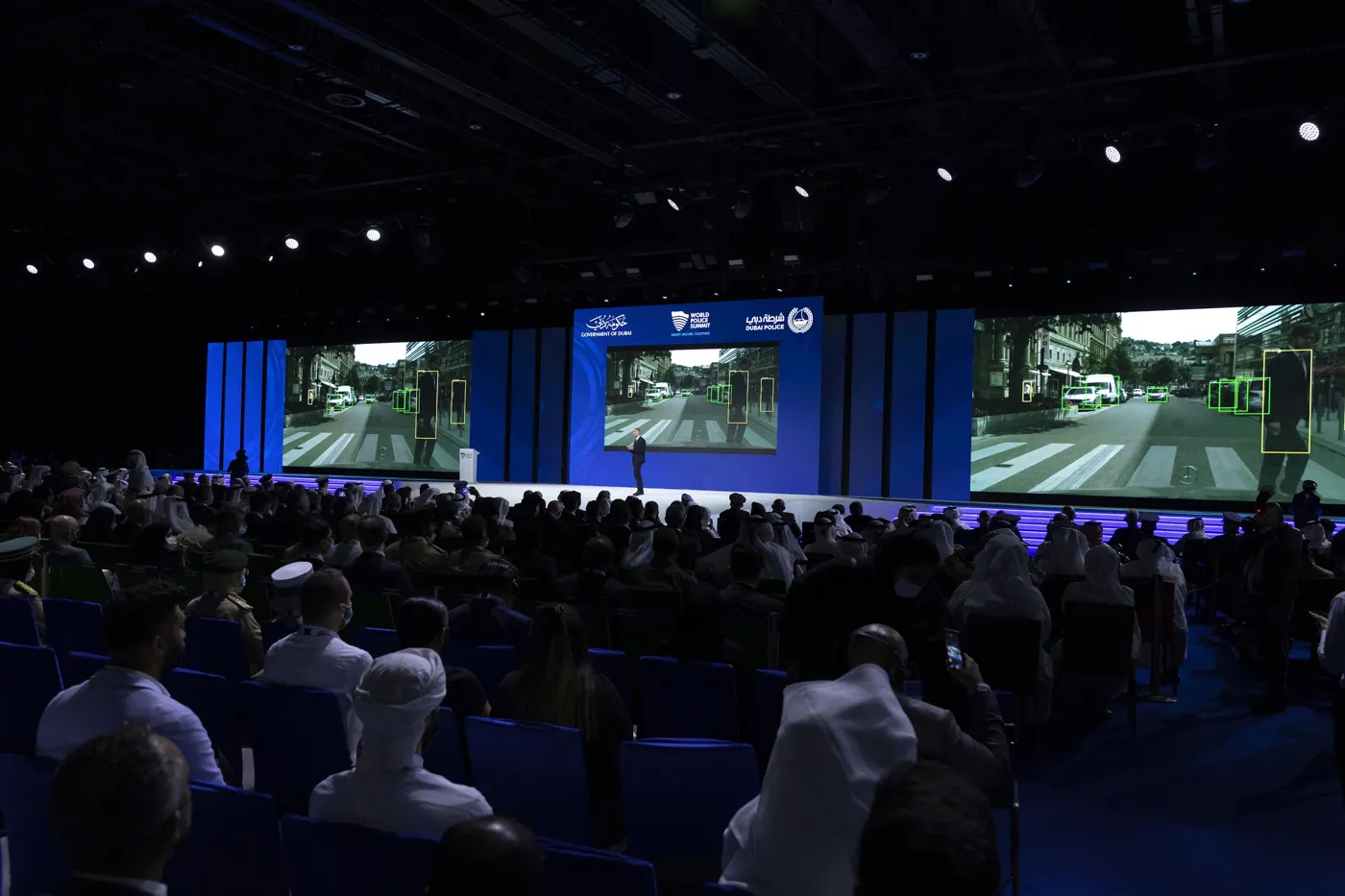
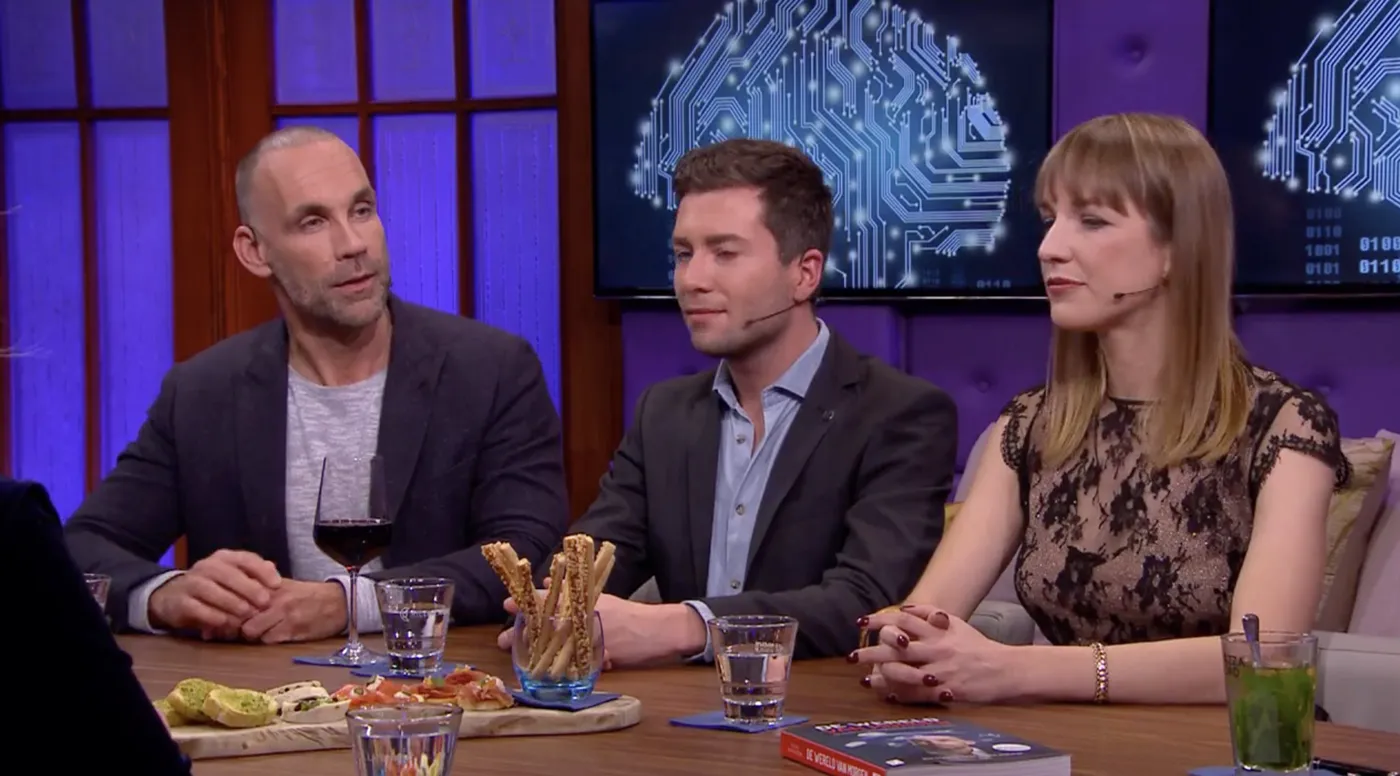
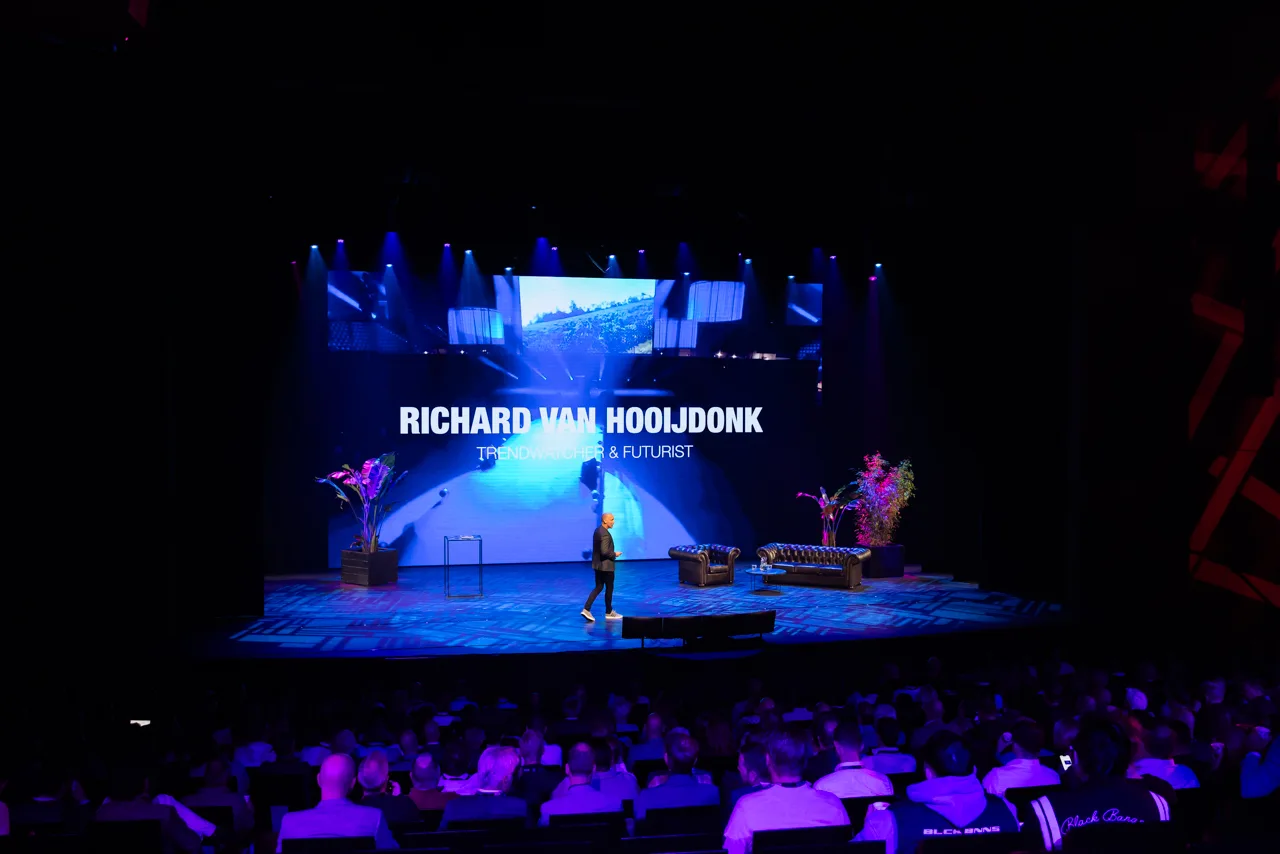

A selection of over 400 clients















What clients say

“An impressive and noteworthy presentation for our employees and customers. The rate at which change is happening, which you eloquently brought across in your energetic speech, requires a disruptive approach. To be continued!”Read the full review →

“Richard delivered an excellent presentation for the key clients we invited to Innovation Runway 2026. Engaging, interesting content, and thought-provoking statements made his presentation perfectly suited for our top relations.”Read the full review →

“You gave us all honest, inspired and entertaining insights. Your performance was highly appreciated by the conference participants and EU members.”Read the full review →

“Enthusiastic speaker, a good and versatile story. Everyone was ‘wowed’ by the lecture.”Read the full review →
“The symposium ‘Airpower in the Information Age’ was a great success. Nothing but positive feedback from the participants. In no small part thanks to your commitment and dedication, we were able to achieve this result.”Read the full review →
How a booking works
Your request
Use the form, or get in touch by phone, email or WhatsApp. A few lines are enough to get started.
We get in touch
We'd like to hear what your event looks like, who'll be in the audience and which themes interest you.
A written proposal
Covering the topic, format (on location or online), length (30, 45, 60 minutes or longer) and fee (from €3,500 for webinars), so you can talk it over with your colleagues.
Getting to know Richard
Next, we'll find a time for the two of you to talk and brainstorm the keynote, the topics and the format. There's no charge for this.
Frequently asked questions
Who is this keynote for?
Organisations that want to understand what AI can do now and next, and what that means for them. It suits staff events, kick-offs, conferences, customer events and leadership gatherings. Employees, managers and executives often sit side by side in the audience. The talk is designed for that mix, with audiences of thirty to three thousand people. It also works for events for staff, clients and business partners.
What will the audience take away?
An up-to-date picture of AI's capabilities, from reasoning and seeing to robots that learn. A look at what the next ten years could make possible for organisations and society. And an understanding of what changes for organisations and the people who work in them.
How does this differ from the Agentic AI keynote?
The AI Revolution gives the broad view: what AI can do today and in the years ahead, and what it means for organisations and society. AI agents are covered briefly. Agentic AI focuses entirely on AI that performs tasks independently: what AI agents can do, what they are allowed to do and how work changes around them. If you are unsure which fits, we can advise during the introductory call.
Is the keynote tailored to our sector?
Yes. An introductory call covers the audience, your sector and the questions on people's minds. The examples reflect your audience's world: healthcare professionals hear different examples from accountants or a construction company's board. There is also a dedicated page for each sector.
Does the keynote cover AI's risks?
Yes, always, in the section on trust, ethics and safety. It covers invented answers, fakes indistinguishable from reality, the question of whether everything AI can do is desirable, and criminals using AI to write convincing phishing emails and imitate executives' voices.
How long is the keynote?
30, 45 or 60 minutes, and longer if you wish, with time for audience questions. Beyond the keynote, options include masterclasses, boardroom sessions for executives, board members and managers, and workshops for all employees.
Is the keynote available in English or online?
Yes, in Dutch and English, in person or online. Richard has spoken in more than 30 countries.
How much does The AI Revolution keynote cost?
Keynotes are available from €3,500 (webinar). The price depends on location, duration and any tailoring you would like. Send your date and a brief description of the audience, and our proposal will give the fee for your event.
The AI Revolution at your event
Tell us a little about your event and who will be in the audience, and let us know the date.
Prefer to speak to us directly? Call 085 303 0792 · email talks@vanhooijdonk.com · send a WhatsApp message