 Richard van Hooijdonk
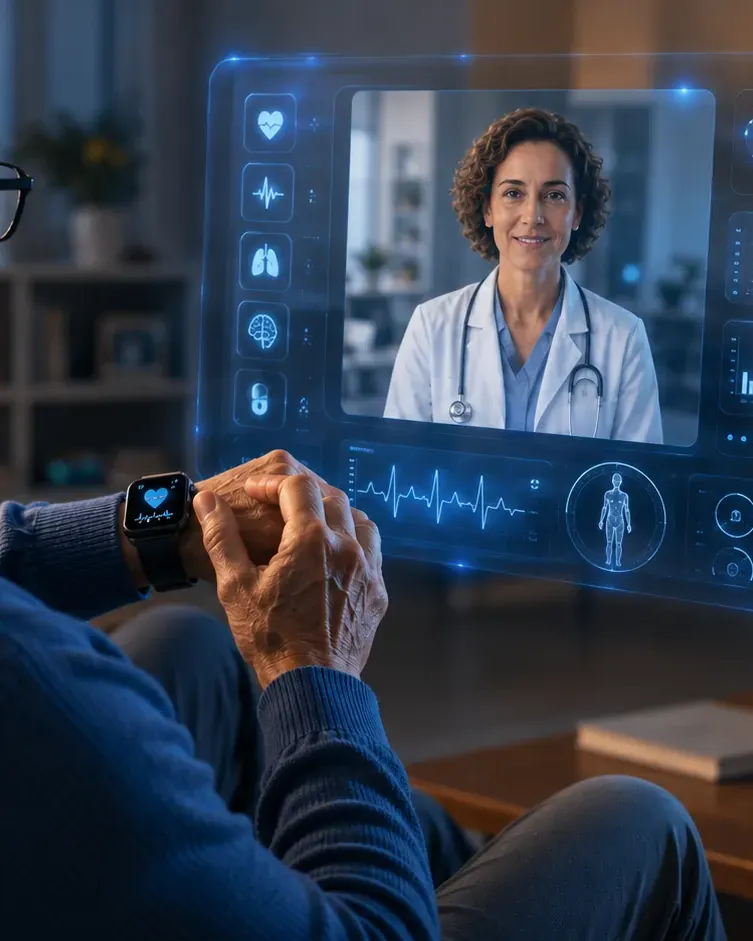
AI & the future of healthcare
AI already works in the consulting room, on the ward and in planning. What it delivers depends on the people who work with it.
Choose your sector
Every keynote is tailored to a sector. Choose yours.
 HealthcareYou are viewing
 Government
 Defence
 Policing and security
 Smart cities
 Construction
 Mobility
 Industry 4.0
 Energy and utilities
 Logistics
 Retail
 Wholesale
 Hospitality, tourism and leisure
 Agriculture
 Financial services
 Legal
 Accountancy and advisory
 Education
 Media and entertainment
 Telecoms and connectivity
Is your sector not listed? We tailor the keynote to your audience. Tell us about your audience
More patients, more older people, fewer hands. The numbers no longer add up.
With examples from the consulting room, the ward and planning, trend watcher and futurist Richard van Hooijdonk shows how AI is already changing healthcare and what AI and new technology could still mean for it. As people and technology work side by side more often, big decisions come up. In many parts of healthcare, AI has stopped being an experiment. It reads mammograms alongside the radiologist, writes up the notes while the doctor looks at the patient, gives earlier warning of possible sepsis and allocates beds and shifts. Meanwhile, exoskeletons help nurses lift, a capsule measures the gut from the inside and a heart failure patient is monitored at home, with the hospital watching from a distance. The hardest change is not technical. It is about who does which work, how teams work together and which decisions boards can no longer put off. The keynote shows what works now, what still has to prove itself and what is mostly promise. You leave knowing how AI can support healthcare professionals, and what this requires of teams and boards.
AI in healthcare
- 01
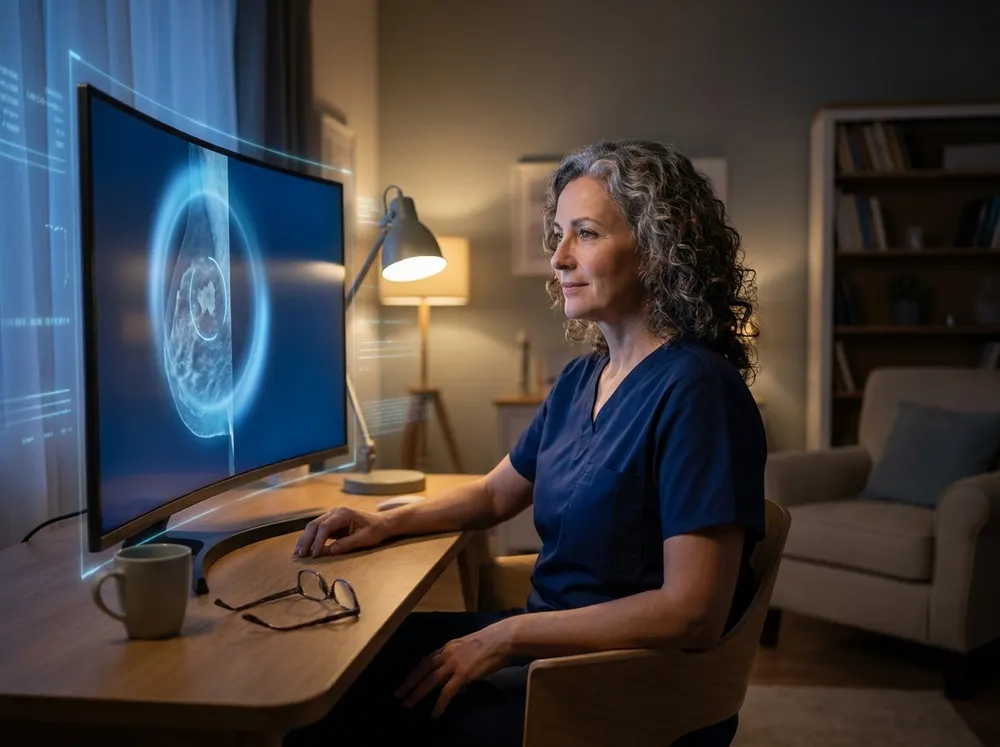
AI as a second pair of eyes
AI reviews scans, skin photos and retinal images alongside the clinician and flags abnormalities. The doctor makes the call.
Image recognition has been used in healthcare for years. A model learns from thousands of scans, skin photos or retinal images what an abnormality looks like and points out suspicious areas. It looks at the hundredth image as sharply as the first, which matters in a screening programme where nearly every image is normal. The FDA has cleared software that assesses retinal photos on its own for diabetic eye damage that needs referral to an eye specialist. In a large breast cancer screening study, AI decided which mammograms went to one radiologist and which to two: more tumours were found, with almost half as many readings. Whether every extra finding needs treatment is still for the doctor to weigh.
- 02
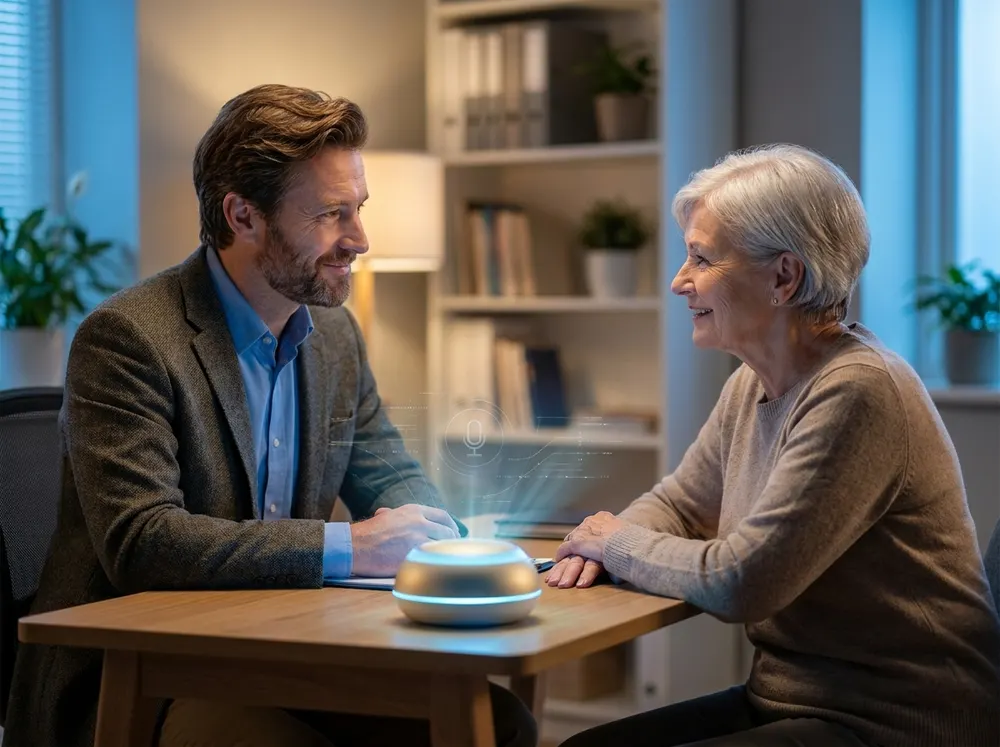
The AI scribe in the consulting room
AI listens in during the consultation, then drafts the notes and a referral letter. The doctor stays focused on the patient and signs off the drafts.
An AI scribe listens in during a consultation and turns the conversation into draft notes: the symptoms, the examination, what was agreed, and if needed a referral letter and a summary for the patient. That saves typing, and the doctor can look at the patient again instead of the screen. In a trial in an emergency department, it saved doctors more than three quarters of an hour per shift. The notes remain a draft, which the doctor reads before they go into the record. Because such notes read smoothly, the doctor checks what really counts: is the allergy the patient mentioned in there, and has the dose been copied correctly?
- 03

Smart triage and planning
AI forecasts how busy the emergency department will be and who is likely to be admitted, so a bed is ready before the decision is made.
Triage means deciding who needs care first and where that patient should go. AI adds a prediction: how likely is this patient to be admitted, and how busy will the emergency department be tonight? With that answer, a hospital can arrange a bed sooner and spread its capacity better, so patients wait less. In one emergency department, a model recalculates that admission probability every five minutes; above fifty per cent, the ward can start preparing a bed. That has already saved time. How much depends on clear agreements about when doctors request an admission on the strength of the prediction.
- 04
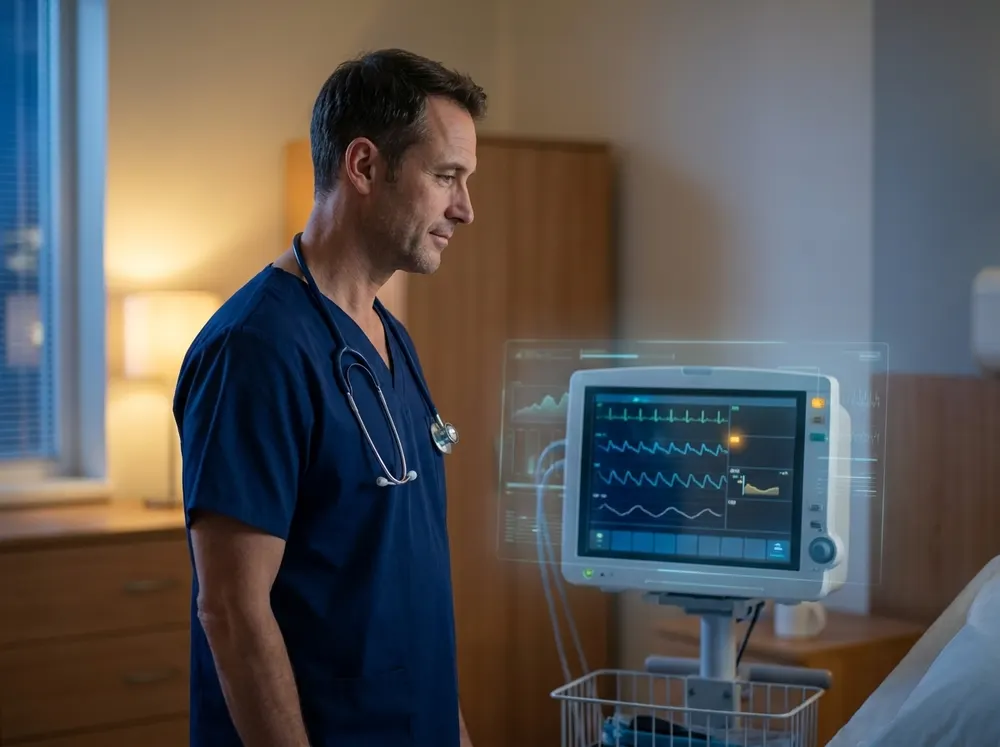
Early warning
AI searches heart rate, breathing and lab results for signs of deterioration, and can raise the alarm before it shows at the bedside.
Early warning means spotting signs that a patient is getting worse, so clinicians can judge sooner whether to step in. Nurses have done this for years with scoring charts for heart rate, breathing and blood pressure. AI goes further: it follows those values continuously, together with lab results, and looks for a pattern that none of the separate signals reveals. With sepsis, the body's runaway response to an infection, every hour counts. In five hospitals, the death rate among sepsis patients was almost a fifth lower when doctors confirmed such a system's alert within three hours; that is an association, not yet proof. Performance varies widely between systems, which is why a hospital first tests a model on its own patients.
- 05
 In pilots
Agents and the digital care worker
AI agents answer the phone, book appointments and call patients back. Clinicians decide what the agents may do and step in when needed.
An AI agent is AI that takes the steps needed to finish a task on its own. Where a chatbot gives an answer, an agent puts the appointment in the diary, sends the message or calls the patient back, working inside the practice's own systems. That suits agents to the predictable work now clogging the phone lines, such as the eight o'clock rush at the GP surgery: asking about symptoms, booking an appointment, calling a patient after a procedure. In hospitals, AI already drafts replies to patients' questions, which a clinician checks before they are sent. Rules set out what the agent may do at each step and what makes a person take over.
- 06

Language models and the AI patient
Language models help think through complex clinical questions. Patients increasingly use AI to make sense of their results before the appointment.
A language model is AI trained on vast amounts of text. It answers questions in plain language, summarises records and reasons about what it reads. Models that have also absorbed medical literature help a doctor with a difficult diagnosis, like a reference book that talks back. In a test with complex cases from a leading medical journal, an AI system that mimicked a panel of doctors reached the right diagnosis more often than experienced doctors working without colleagues or reference material. Patients use language models too. Some have already shown their results to a chatbot and arrive with a list of specific questions. The conversation starts at a different level, and the doctor checks what the model claimed.
- 07
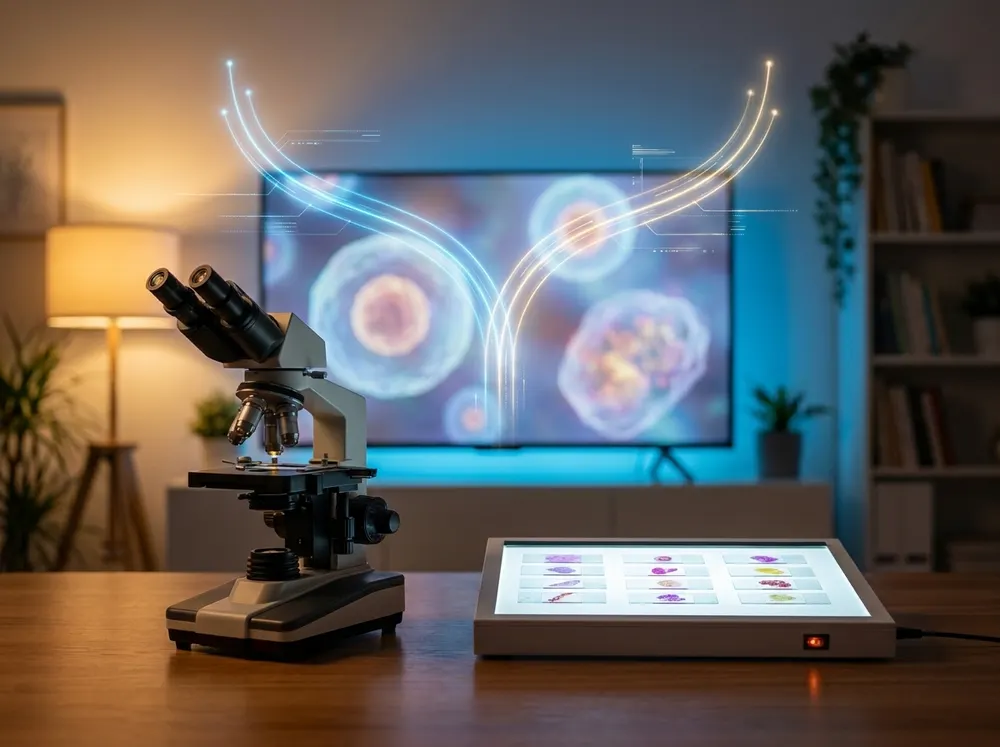
Tailored treatment and prognosis
From tissue images and patient data, AI predicts how a disease will progress and who will benefit from which treatment.
Precision medicine fits a treatment to the characteristics of one patient rather than the average of a group. AI finds patterns in tissue images, lab results and clinical data that predict how a disease will progress and who will benefit from which treatment. Two men with the same prostate cancer, the same stage, the same age: one gains from hormone therapy alongside radiotherapy, the other mostly gets the side effects. Treatment guidelines now include an AI test that uses biopsy images and clinical data to estimate which group a patient belongs to, developed with data from thousands of patients in randomised trials. What the doctor gets back is a probability, and with it a better conversation about how much benefit is worth the burden.
- 08
 In pilots
AI in mental health care
AI supports therapists with assessments and notes; a chatbot guides exercises between sessions. The therapist stays in charge.
In mental health care, AI can help in two ways. It supports therapists with initial assessments, notes and tracking symptoms, leaving more time for the conversation itself. And it talks to clients: a therapy chatbot repeats exercises from the treatment and is available when the therapist is not, in the evening or between two sessions. In a randomised study, depression symptoms among participants who used such a chatbot fell by about half on average. Researchers monitored the conversations and could step in when needed. As an extension of treatment, a chatbot like this needs clear agreements: who follows the conversations, and when does a therapist take over?
- 09
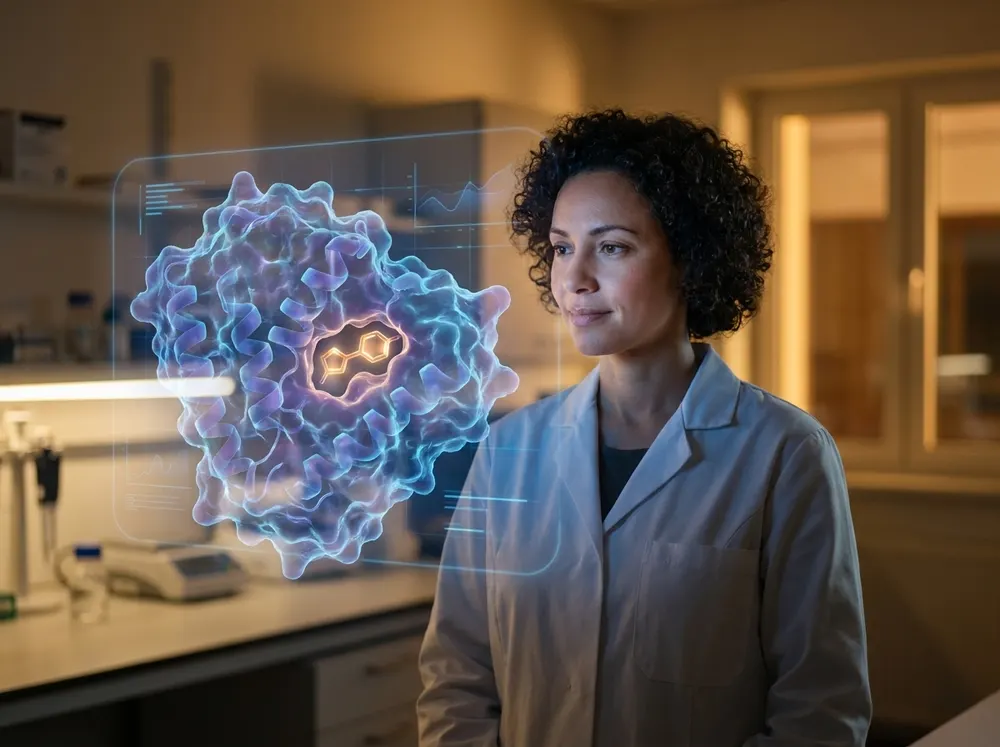 In pilots
Medicines designed by AI
AI finds drug targets, designs molecules and predicts protein structures. The lab tests what the model proposes.
A medicine usually works because a molecule binds to a protein in the body and switches something on or off. To design that molecule, you need to know the protein's shape, and working out that three-dimensional structure could once take years of lab work. AI now predicts it in minutes; the people behind the method received the 2024 Nobel Prize in Chemistry. That speeds up the start of drug development: finding the target and designing a molecule that fits it. A candidate drug for lung fibrosis, whose target and molecule were both found with AI, reached phase two of clinical trials. Whether such a drug works and is safe still has to be shown in people.
Technology changing healthcare, with AI as the engine
- 10
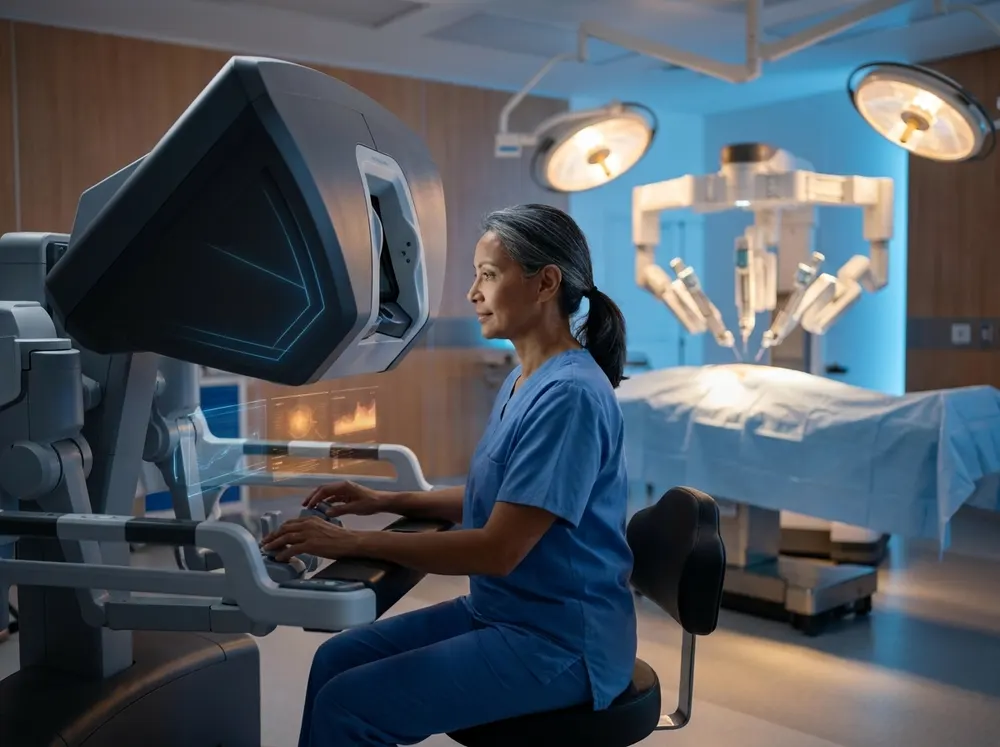
Care and surgical robots
Robots sharpen the surgeon's precision and take on heavy work, from lifting patients to preparing chemotherapy. AI makes them more independent.
Robots in healthcare do two kinds of work. They extend the surgeon's hand, and they take on work that is heavy, exacting or repetitive, such as lifting or preparing chemotherapy. AI mainly makes the surgical robot more independent, because it can interpret images and adapt a movement to the anatomy the robot finds. In many hospitals the surgical robot is already a normal tool: the surgeon sits at a console and the robotic arm does not tremble. The next step is happening in the lab. Researchers had a robot carry out the clipping and cutting in a gallbladder operation on its own, on pig tissue outside the body, while it adjusted to spoken instructions. In hospital pharmacies, robots already prepare chemotherapy and infusions.
- 11
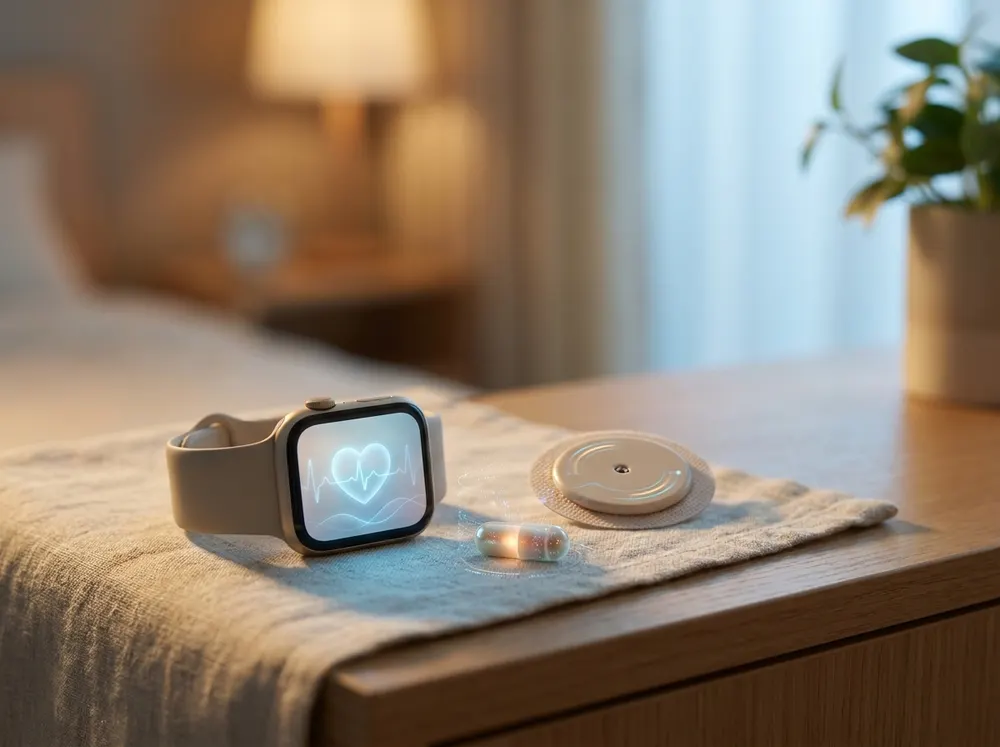
Wearables and the smart pill
Watches, patches and swallowable sensors measure around the clock. AI pulls out of that stream the signals a clinician needs to see.
Wearables are sensors worn on the body that track bodily measurements; swallowable capsules collect data from inside the body. Together they measure outside the consulting room, day and night, and AI searches that stream of data for the pattern that deserves attention. A watch without a blood pressure cuff can flag signs of high blood pressure this way: over thirty days, AI analyses how the blood vessels respond to heartbeats and then advises a proper measurement. A sensor on the upper arm measures glucose continuously through a thin filament under the skin. And researchers in several countries are developing capsules that you swallow and that measure what happens in the stomach and gut along the way, such as acidity or the gases produced there.
- 12
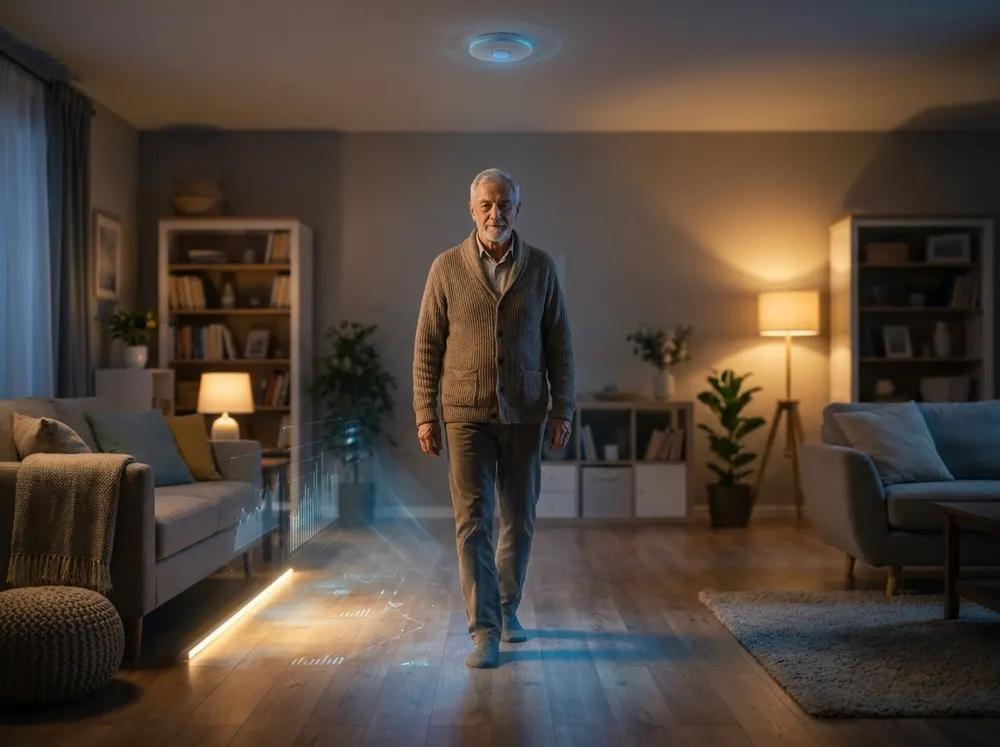
The smart home in elderly care
Sensors pick up a fall or a changing daily routine. AI flags the change; the community nurse judges what is needed.
A smart home uses sensors to record how a resident lives, so care at a distance can keep an eye on things without constant visits. That matters, because one in three people over 65 falls at least once a year, and with sensors, help arrives sooner after a fall. A radar on the ceiling detects a fall without a camera watching. Sensors on the door, bed and fridge register the rhythm of a household: up more often at night, fewer trips to the fridge, days without going out. AI compares that with the usual routine and marks what changes. Whether someone is falling ill or simply had guests to stay is then for the community nurse to judge.
- 13
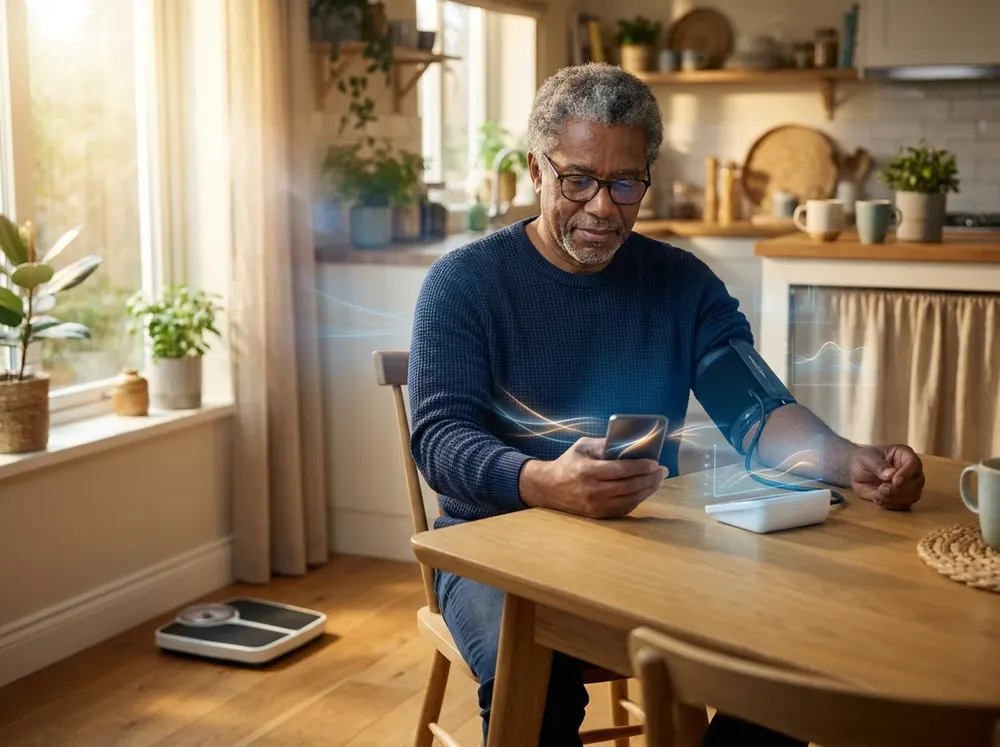
The hospital at home
Patients with heart failure or recovering from surgery get better at home, with sensors and specialists watching from a distance.
In a hospital at home, a patient who would once have been admitted or called in for frequent check-ups is monitored at home instead: the patient takes the measurements, and the hospital watches remotely. That saves beds and trips to hospital, and the patient sleeps in their own bed. For heart failure it already works. Every morning the patient steps on the scales, measures blood pressure and heart rate and enters the readings in an app. Various hospitals and care providers follow patients like this; when something is off, the nurse adjusts the treatment after consultation, often without a hospital visit. There are even hospitals without beds, from which doctors and nurses monitor patients at home. AI can pick out of the stream of readings the values worth a phone call.
- 14
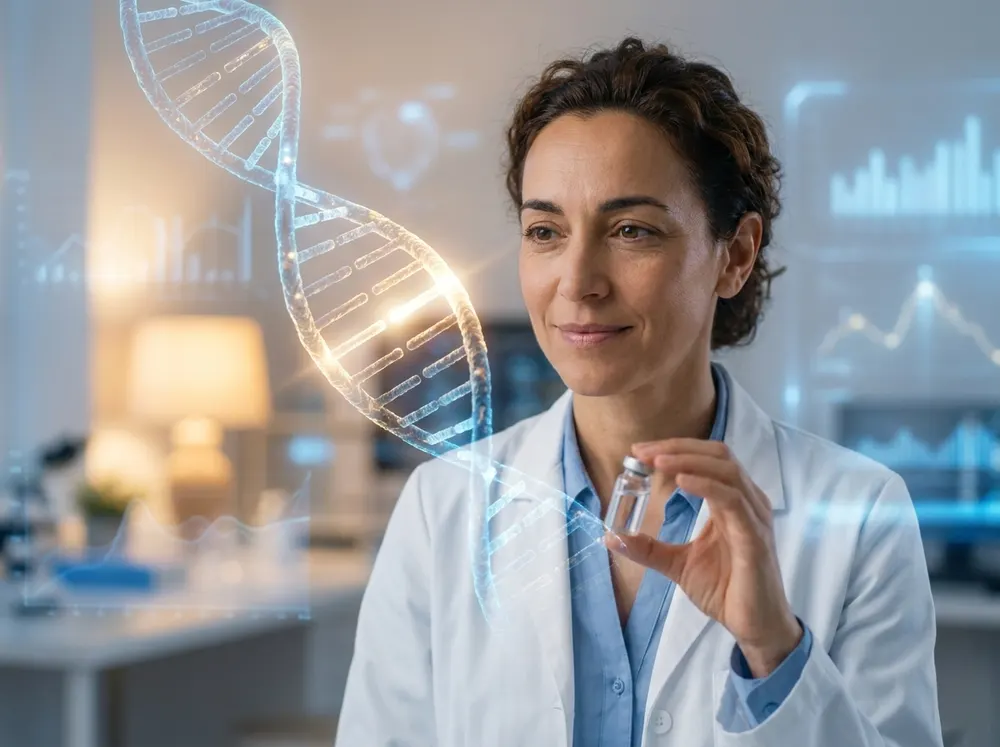
Repairing DNA
DNA is edited to treat inherited diseases, and in trials cancer vaccines are designed for each patient. AI helps with the design.
DNA holds the instructions cells use to make proteins, and in an inherited disease there is an error in those instructions. Gene editing with techniques such as CRISPR changes DNA precisely to correct that error or work around it. A CRISPR therapy has now been approved that, for sickle cell disease and beta thalassaemia, gets the body to make healthy haemoglobin again through an alternative route. In the United States, a baby with a rare metabolic disorder received a medicine made for him alone: a one-letter correction in his DNA, produced in about six months. In trials, cancer patients receive mRNA vaccines that teach the immune system to attack their own tumour. AI helps choose the spot in the DNA and design such a vaccine.
- 15
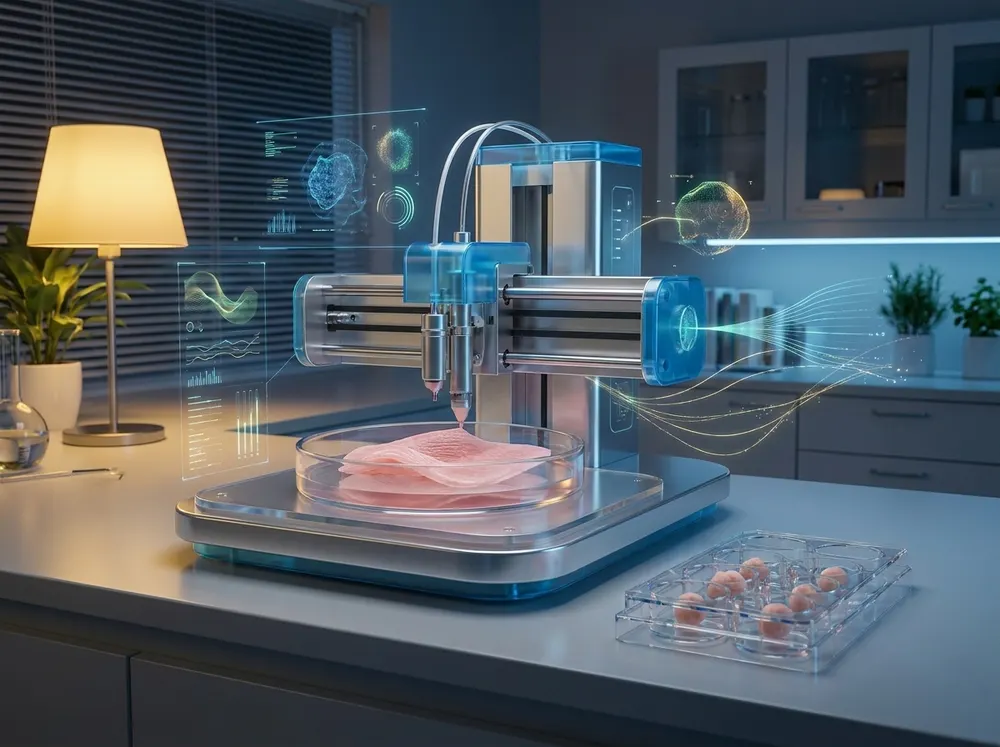 In pilots
Printing and growing
Printed tissue, mini-organs in place of lab animals, a pig kidney in a human and made-to-measure medicines from a 3D printer.
Bioprinters build up tissue layer by layer from living cells; researchers grow mini-organs that mimic certain functions of real organs. That lets them test medicines on human tissue and look for ways to replace damaged tissue. The pig plays a part too: genetically modified, it supplies organs for transplant. In the United States, a man lived for almost nine months with the kidney of a genetically modified pig. The US FDA wants to replace some animal testing with mini-organs grown from human cells and with AI models that predict whether a substance is toxic. Skin and cartilage are already being printed this way, and in trials hospital pharmacies print tablets in exactly the dose one child needs.
- 16
 In pilots
Neurotech and the made-to-order human
Implants have eased Parkinson's tremors for years and let paralysed people control a computer. Restoring is shifting towards enhancing.
Neurotechnology connects electronics to the nervous system. An implant reads signals from the brain or sends signals into it, and AI turns those signals into something usable: a movement, a cursor on a screen, a pulse that calms a tremor. That lets people regain functions they had lost. In trials, a man paralysed after an accident is walking again, thanks to implants that link his brain wirelessly to his spinal cord. Other paralysed people move a cursor with their thoughts, and brain stimulation eases the tremor of Parkinson's disease. The same technology that restores could one day make healthy people faster or sharper. Who draws that line, doctors, ethicists or the market, is still an open question.
- 17
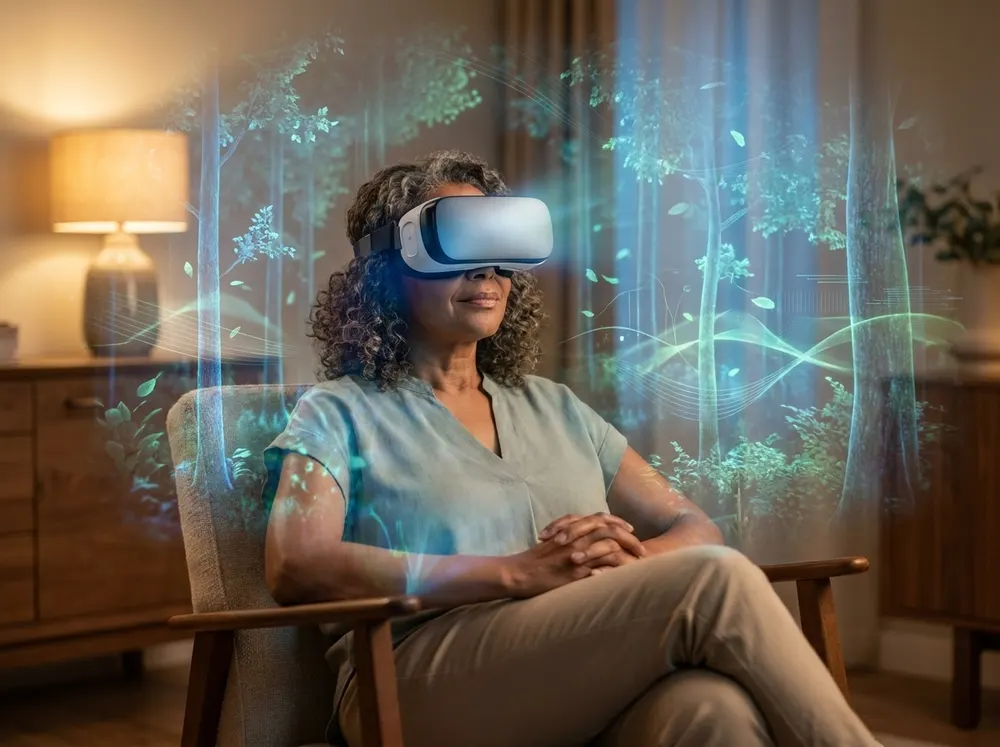
VR and AR in healthcare
VR therapy can ease chronic back pain and anxiety in people with psychosis. With AR, the surgeon sees the scan in front of them.
Virtual reality puts you in a simulated world through a headset; augmented reality lays digital information over the real world. In healthcare it works as a treatment, because a virtual setting can steer attention and anxiety, and as a tool for the people giving treatment. The FDA has authorised an eight-week VR programme for chronic back pain as a treatment. Researchers let people with psychosis practise in a virtual supermarket, street or bus, in situations they avoided in real life, and their anxiety eased. In the operating theatre, AR glasses lay the scan over the body. AI can make the virtual world harder or easier in each session, depending on how the patient responds.
- 18
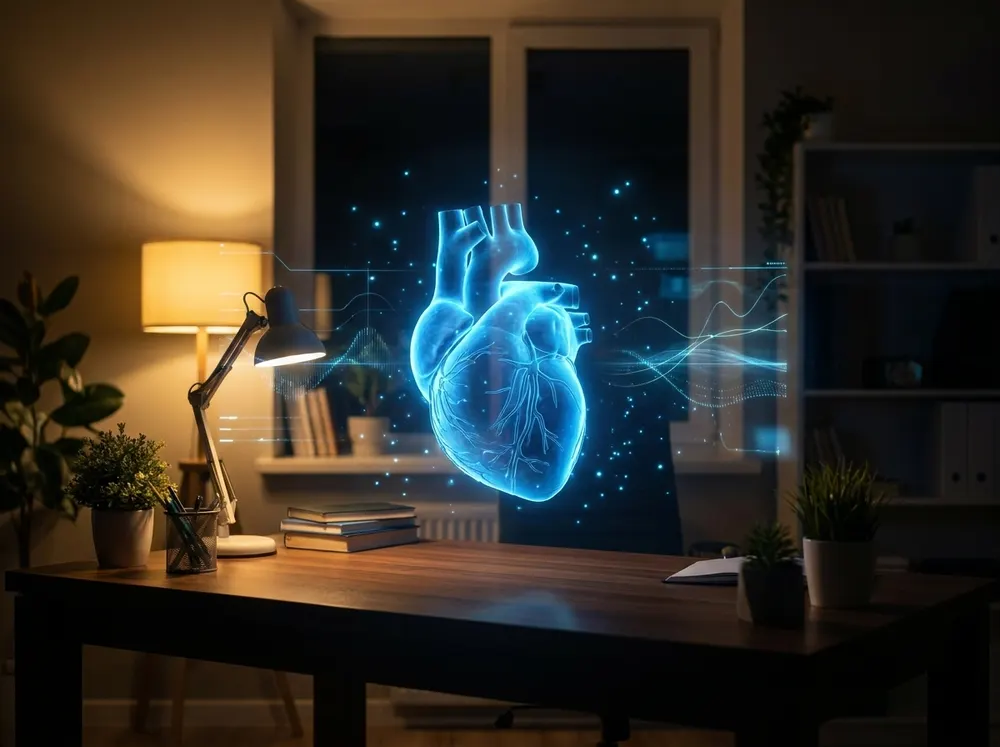 Future scenario
The far horizon
A digital twin of the patient, nanorobots in the blood, quantum computers designing drugs: some of it is on its way, some is still hype.
Some technologies are still years away from the consulting room. A digital twin is a computer model of an organ or a patient, built from that person's own scans and measurements. Doctors can use it to explore how a treatment is likely to turn out before they carry it out. Doctors already use such heart models for patients with heart rhythm disorders, calculating in advance which tissue to switch off. AI helps build these digital twins faster. Nanorobots made of folded DNA that cut off the blood supply to a tumour work in mice. Quantum computers are meant one day to model molecules that ordinary computers cannot handle. For nanorobots and quantum computers, the benefit to patients has yet to be shown.
In healthcare, the technology is usually the easy part. What makes change so hard is the culture.
Richard van Hooijdonk
The healthcare organisation of the future
- 19

The AI-first organisation
In healthcare, AI and robots do the work clinicians need not do, including planning and forecasting. That can free up time for the patient.
In an AI-first healthcare organisation, AI and new technology take over the repetitive and predictive work: the work clinicians need not do themselves. Technology can handle recording, scheduling, triage questions and follow-up calls, and forecast pressure and admissions, so professionals keep time for work where human contact and professional judgement count: having a difficult conversation, weighing a borderline case, noticing that someone is more frightened than they say. Many organisations still use AI on a small scale, as an aid to the old way of working. An AI-first organisation looks department by department at which tasks technology can take over and how much time that frees up for personal contact.
- 20
New roles and specialisms
Clinicians check AI advice, specialists keep watch over algorithms and existing disciplines change. That calls for new knowledge.
When AI takes over part of the work, the work that remains changes, and work appears that did not exist before. Broadly, the shift touches three kinds of role. Clinicians who check what AI produces: they search less, verify more and decide when to depart from its advice. People who keep watch over the technology: they check whether a model still performs after an update, investigate errors and decide when a system has to be switched off for a while. And specialists in fields that grow with the technology, such as genetics, robotic surgery and remote care. Many of these roles are not yet reflected in job descriptions, training programmes or time set aside in the rota.
- 21
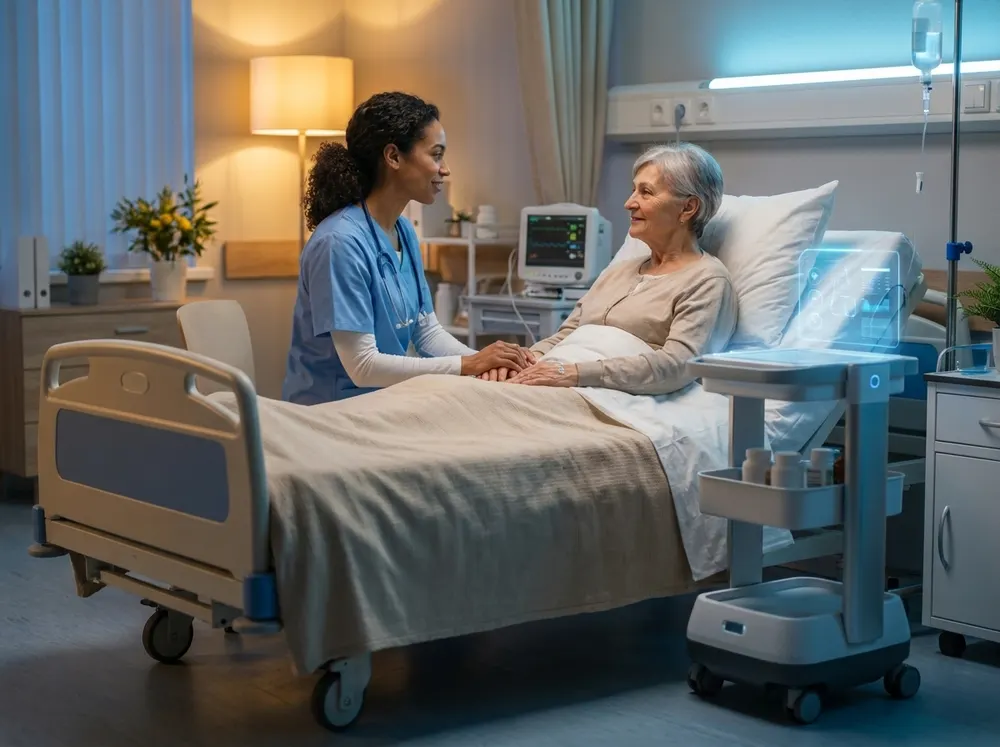
People and AI in one team
AI helps with notes, planning and patient analysis, and an agent prepares the treatment. The nurse checks and steps in.
On a hospital ward, people and AI increasingly work as one team, with a clear division of tasks. AI turns the conversation at the bedside into notes, helps plan beds and shifts and analyses readings and records, so a deteriorating patient stands out sooner. A next step is an AI agent that prepares the treatment: pulling together results, medication and earlier agreements and scheduling that day's tests. The nurse checks, steps in and sees what no record shows: a patient who is quieter than yesterday, a family that can no longer cope. The team agrees who reviews the AI's work and who answers for it when something goes wrong.
- 22
Leadership in healthcare
Today's leaders take the initiative on AI and new technology, and bring clinicians with them to build the healthcare of the future together.
Leaders in healthcare take the initiative on AI and new technology themselves. By setting the example, they get clinicians building the future with them. It starts with direction: a picture of the care their organisation will provide ten years from now, concrete enough that a ward manager knows what it means for the team. Then initiative: starting themselves, small and visible, even before the technology is mature or every possibility is clear. And it means dealing with uncertainty. Nobody knows exactly what healthcare will look like in ten years. A good leader says so out loud, still sets a course and adjusts it when the facts change.
- 23

Culture and behaviour
Change is not about technology. It is about whether clinicians and leaders are willing to explore new opportunities, and then take them.
Buying software is quick; changing how a ward works is not. Change in healthcare is rarely about technology. It is about whether clinicians and leaders are willing to explore new possibilities and then genuinely work differently: dropping a habit, handing over a task, reporting it when the tool gets something wrong. In a survey of hospitals, they name the sticking points themselves: too little knowledge among staff and difficulty with change, alongside money. That willingness grows where people get room to try things, in working time and with real cases, and where leaders are the first to work differently. Where it is missing, even the best AI stays a pilot.
- 24
The future academy
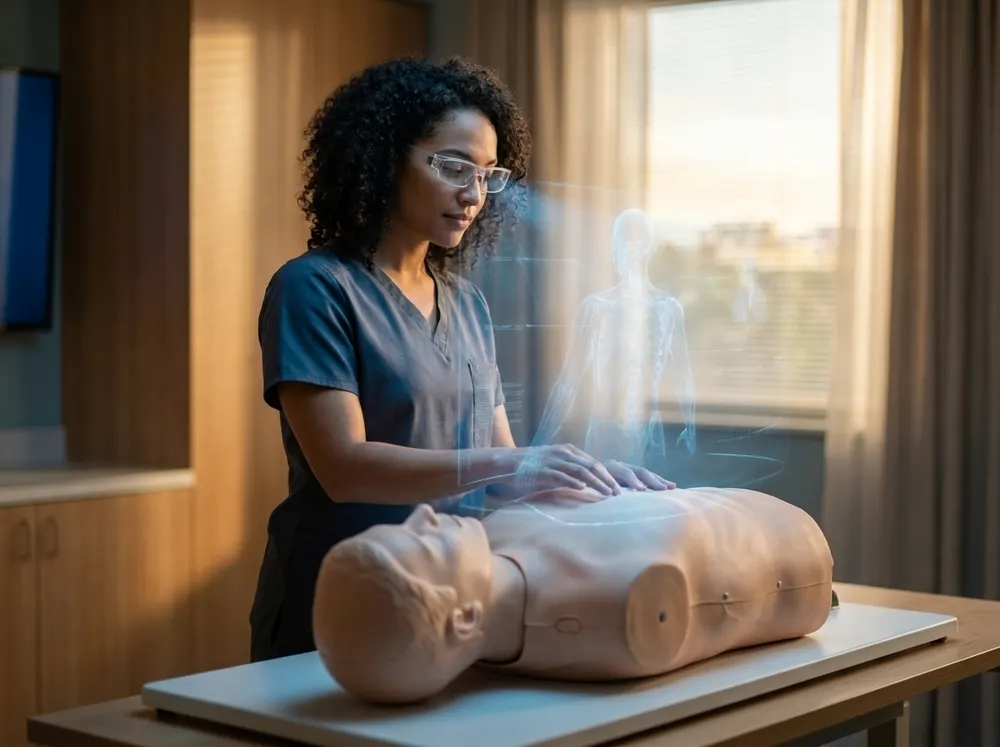
In a future academy, staff learn to work with AI and new technology, with their own work as course material. The organisation picks the skills.
The employee of the future needs knowledge that training courses do not always provide in time: how to work with AI, when to trust a system and when not to, how to keep your own judgement sharp. So organisations are taking charge themselves, in their own future academy. Existing staff build their skills there, and new colleagues are prepared for working with AI and new technology. Early adopters bring their colleagues along.
- 25

Growing with an ecosystem
Organisations take on an ageing population and staff shortages together, with start-ups, scientists, partners and governments at home and abroad.
An ecosystem is the network of parties an organisation builds solutions with: partners, start-ups, scientists and governments. An ageing population, staff shortages and AI are too big for one organisation, region or country. Partners elsewhere sometimes already have experience with a problem your organisation is still trying to solve. Working with such partners lets you learn from their experience, can help you avoid mistakes others have already made and brings an innovation into practice faster. An organisation's success depends more and more on the quality of its ecosystem.
The other side responsibility and risk
- 26

Data as the foundation
AI only works when data from every department is available, reliable and connected. That is the foundation of the AI-first healthcare organisation.
The AI-first healthcare organisation lets AI predict, plan and advise across departments. That only works when the data from every part of the organisation is available, reliable and connected. Often it sits in separate systems, with their own codes and definitions, and one department does not know what another records. Missing data can lead to wrong answers, and an AI agent taking over a task then lacks important information. Connected, consistent and up-to-date data is the foundation on which AI can work across the whole organisation. That includes clear rules on who may use which data, and for what.
- 27
Reliability and liability
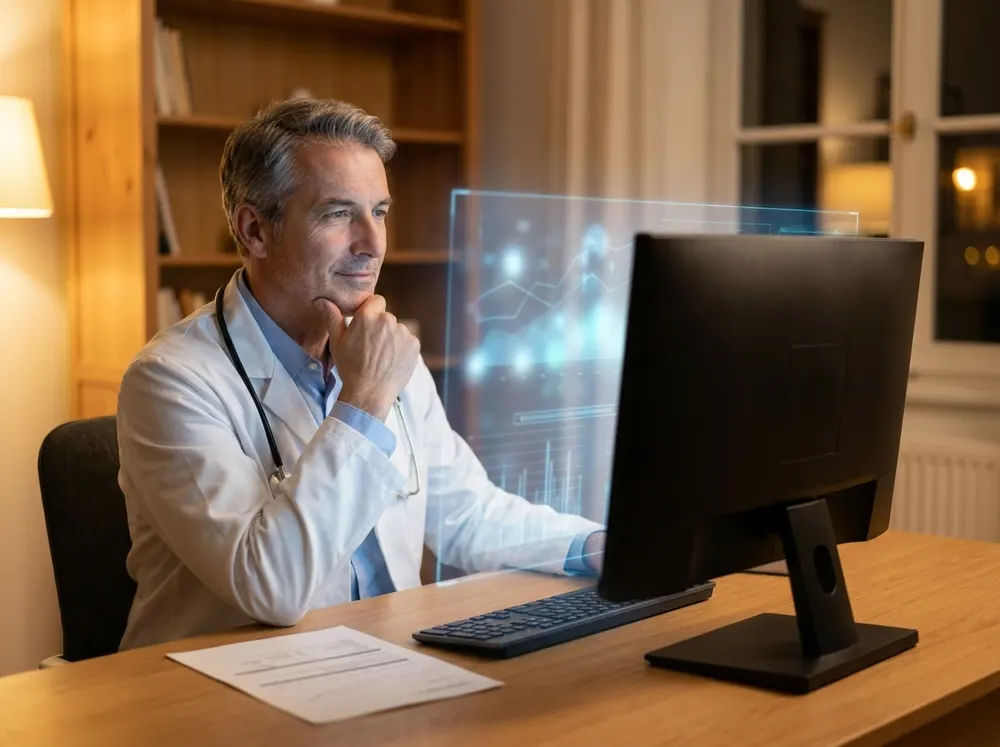
AI can get things wrong too. Audits, oversight and safety limits reduce the risks. Who is liable for a mistake has not yet been settled.
AI in healthcare has to work predictably well. A language model can make mistakes and can be misled. So it needs a safety system, as an aircraft does: audits beforehand and after every update, oversight while in use, and guardrails, limits built in on what the model may do. When researchers falsified a thousandth of a per cent of the training text of a medical language model, it gave dangerous advice more often. The same AI that helps a doctor reach a diagnosis helps a criminal write such fake texts. There are rules for AI in healthcare, and more are coming, including on who is liable when AI causes harm. How can AI add to your health, happiness and prosperity, and how do you stay safe along the way?
- 28

Cybercrime in healthcare
Patient data and hospital systems attract criminals, and AI puts them within easier reach: through ransomware, hacking and cloned voices.
Hospitals are attractive targets for criminal organisations, because of their sensitive data and their dependence on systems that must never go down. An attack can therefore also disrupt tests, treatments and the exchange of results. AI makes it easier for criminals to get in: it can help find weak spots in systems, writes convincing phishing messages and imitates the voice of a doctor or executive. When criminals used ransomware to paralyse the pathology laboratory behind several large English hospitals, thousands of operations and appointments were postponed. In the AI era, good security is also patient safety.
About the speakerRichard van Hooijdonk
Events in EuropeKeynote speaker for corporate events in Europe
On stage
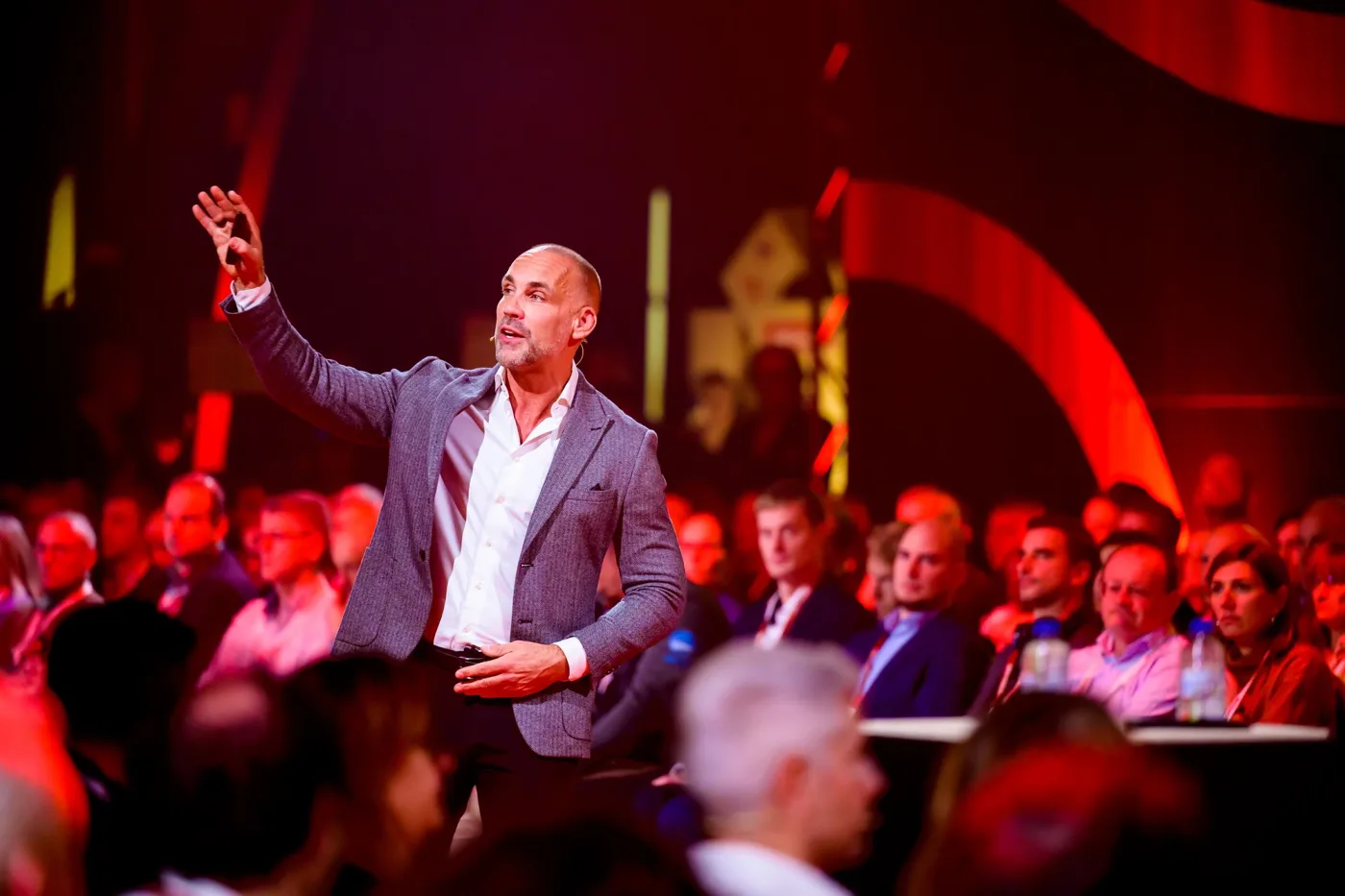
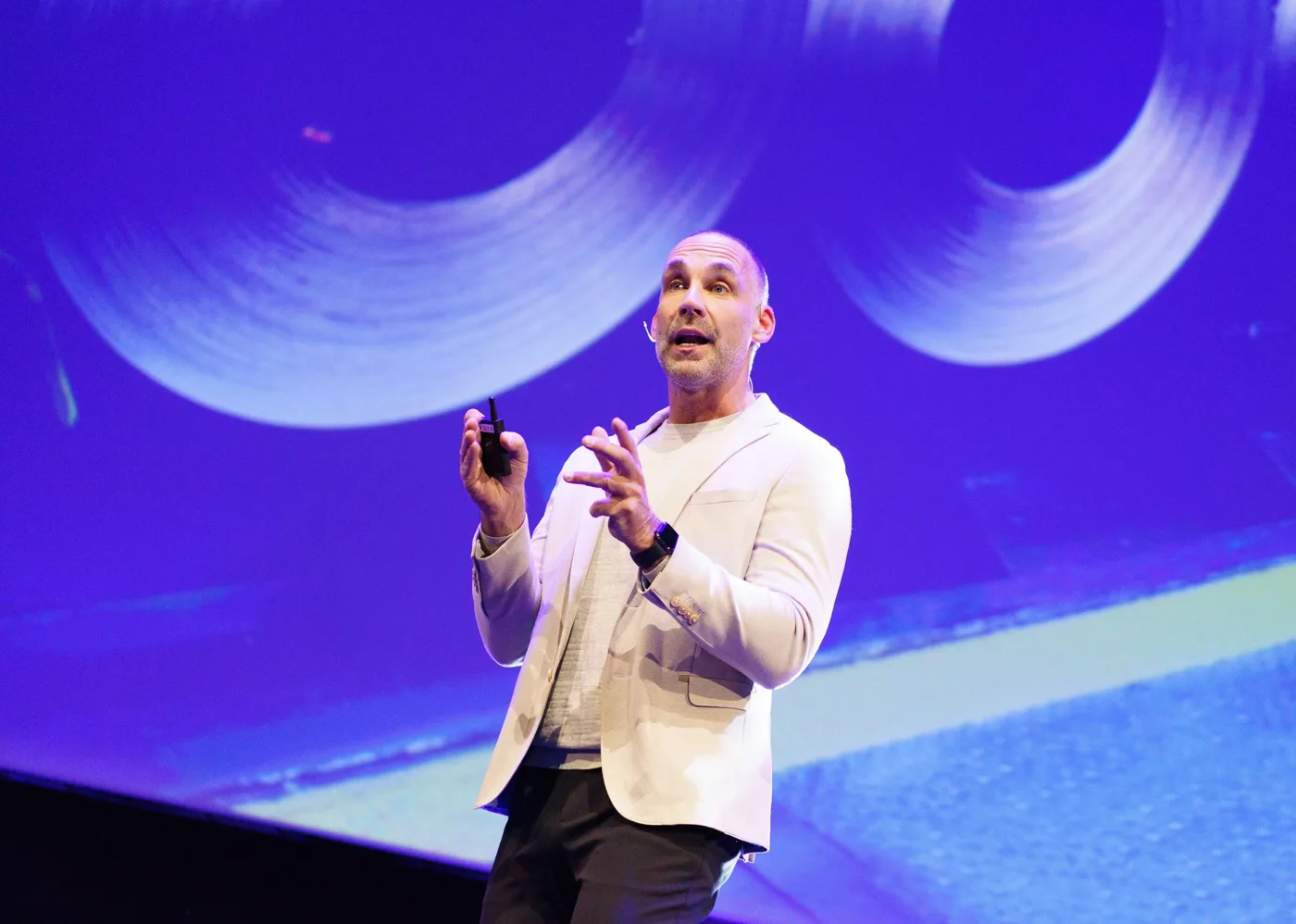
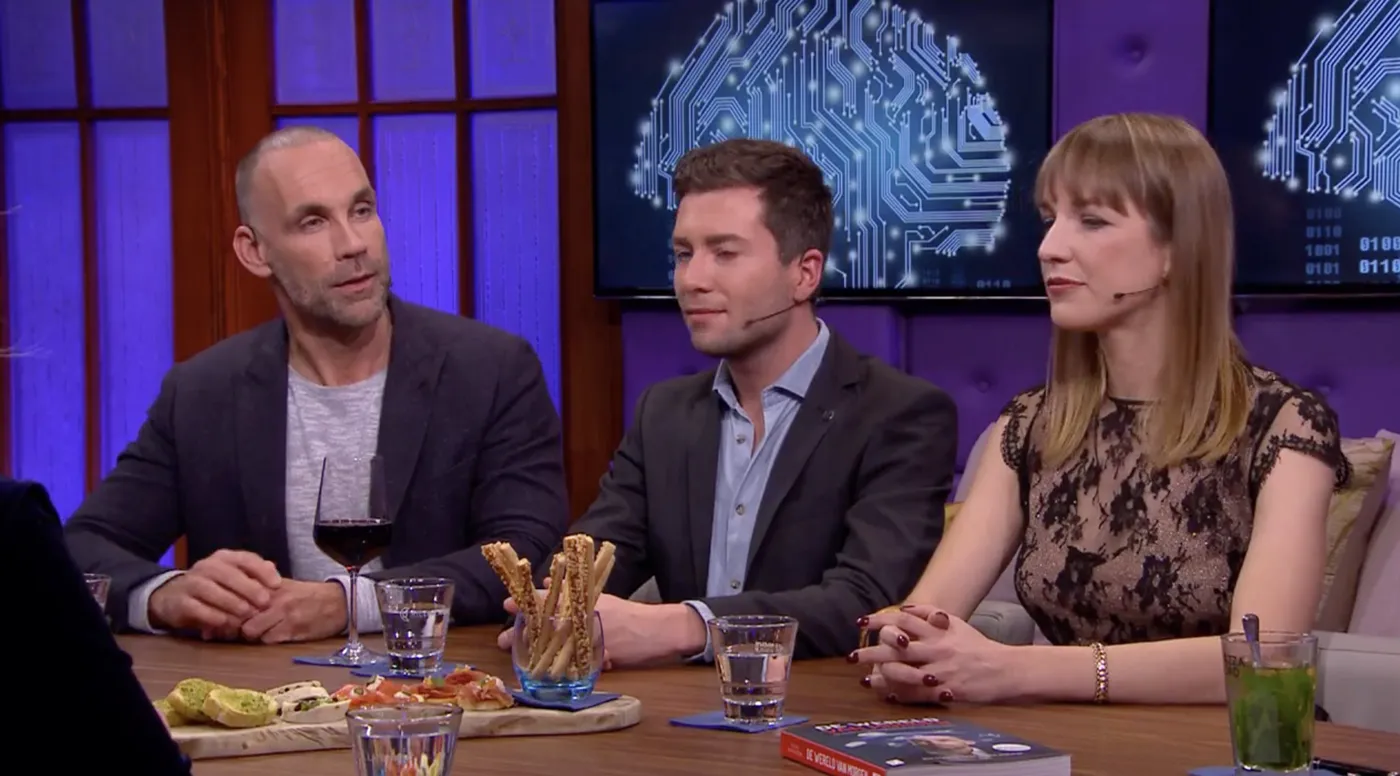
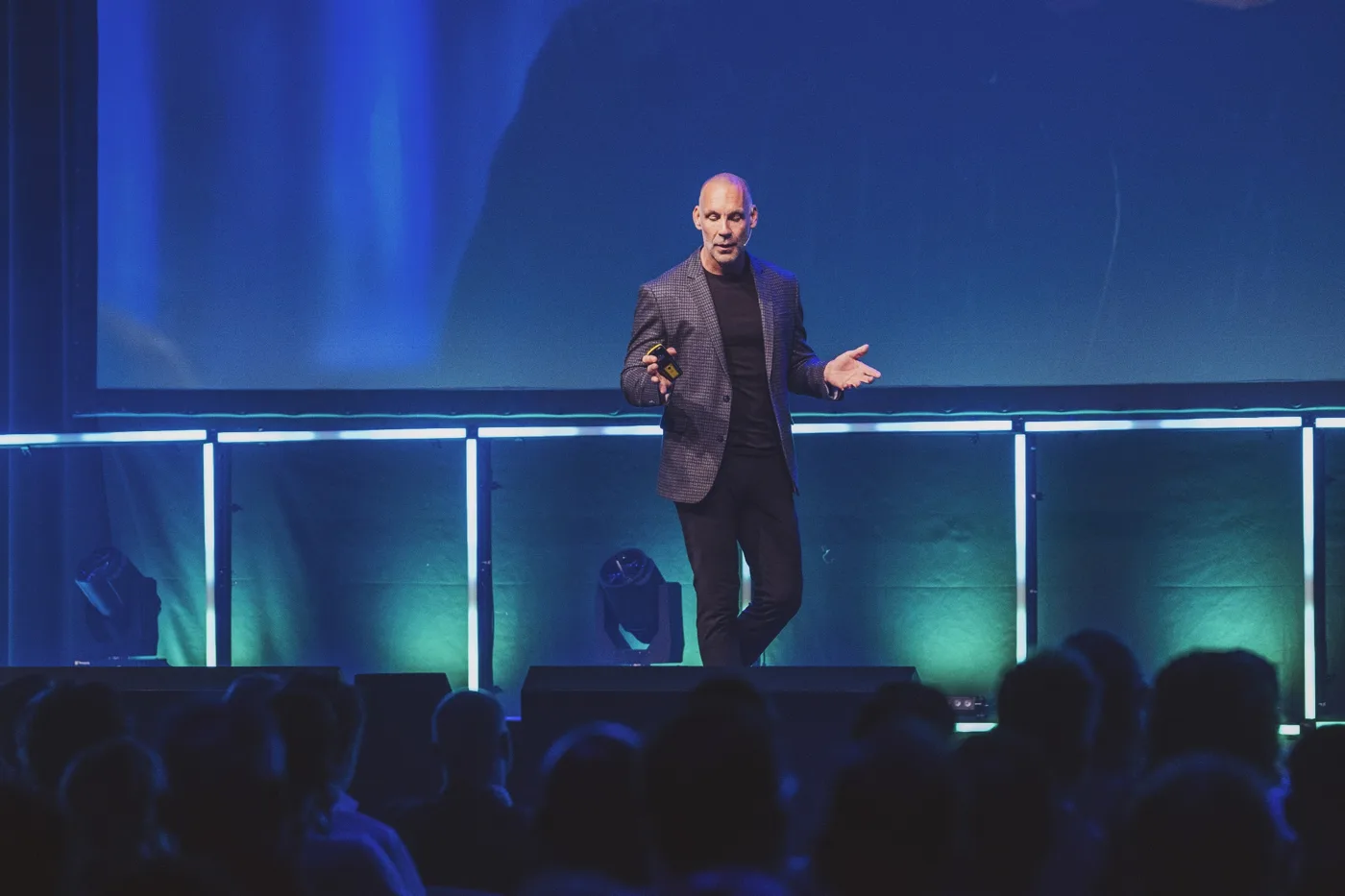
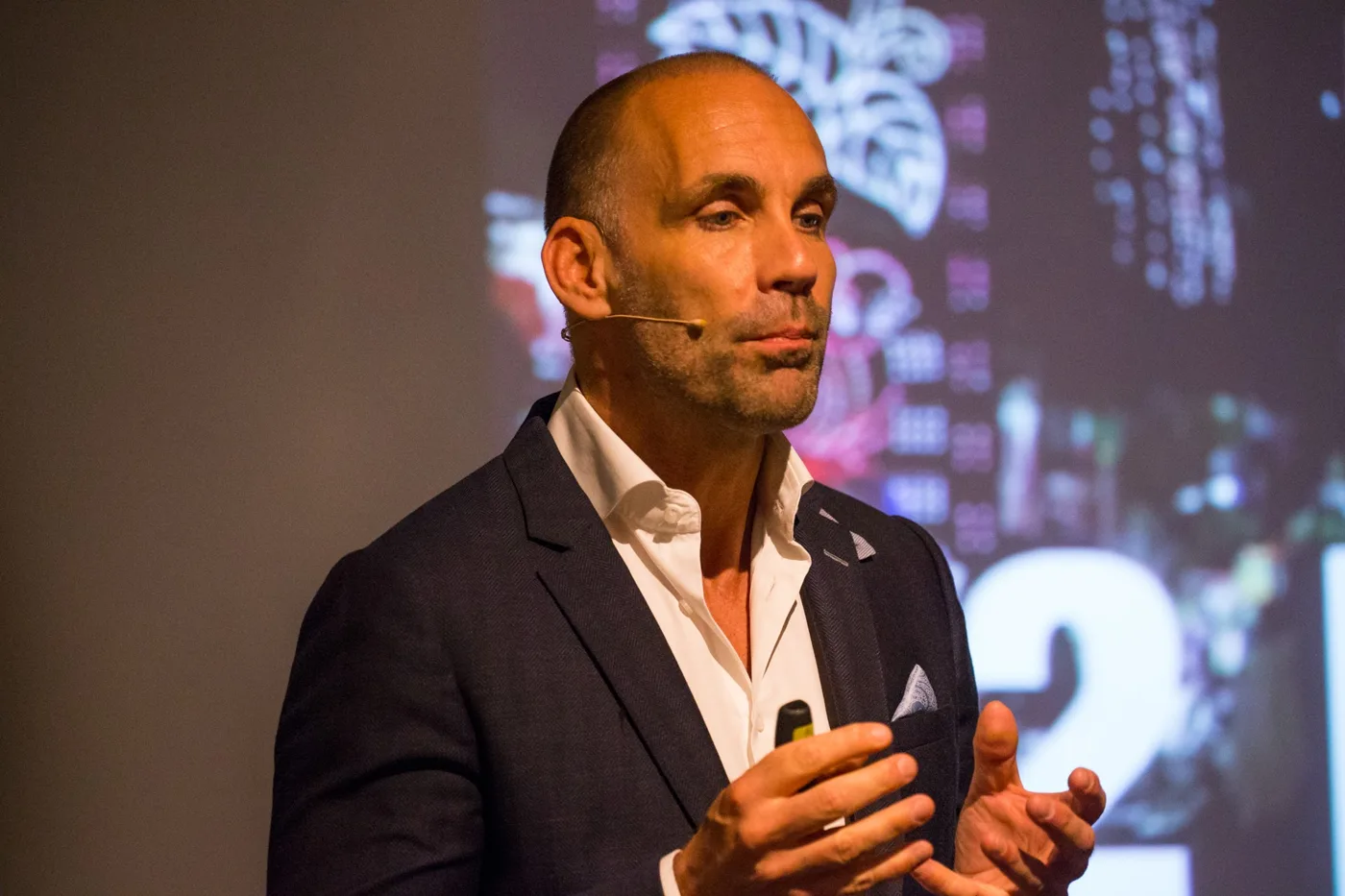
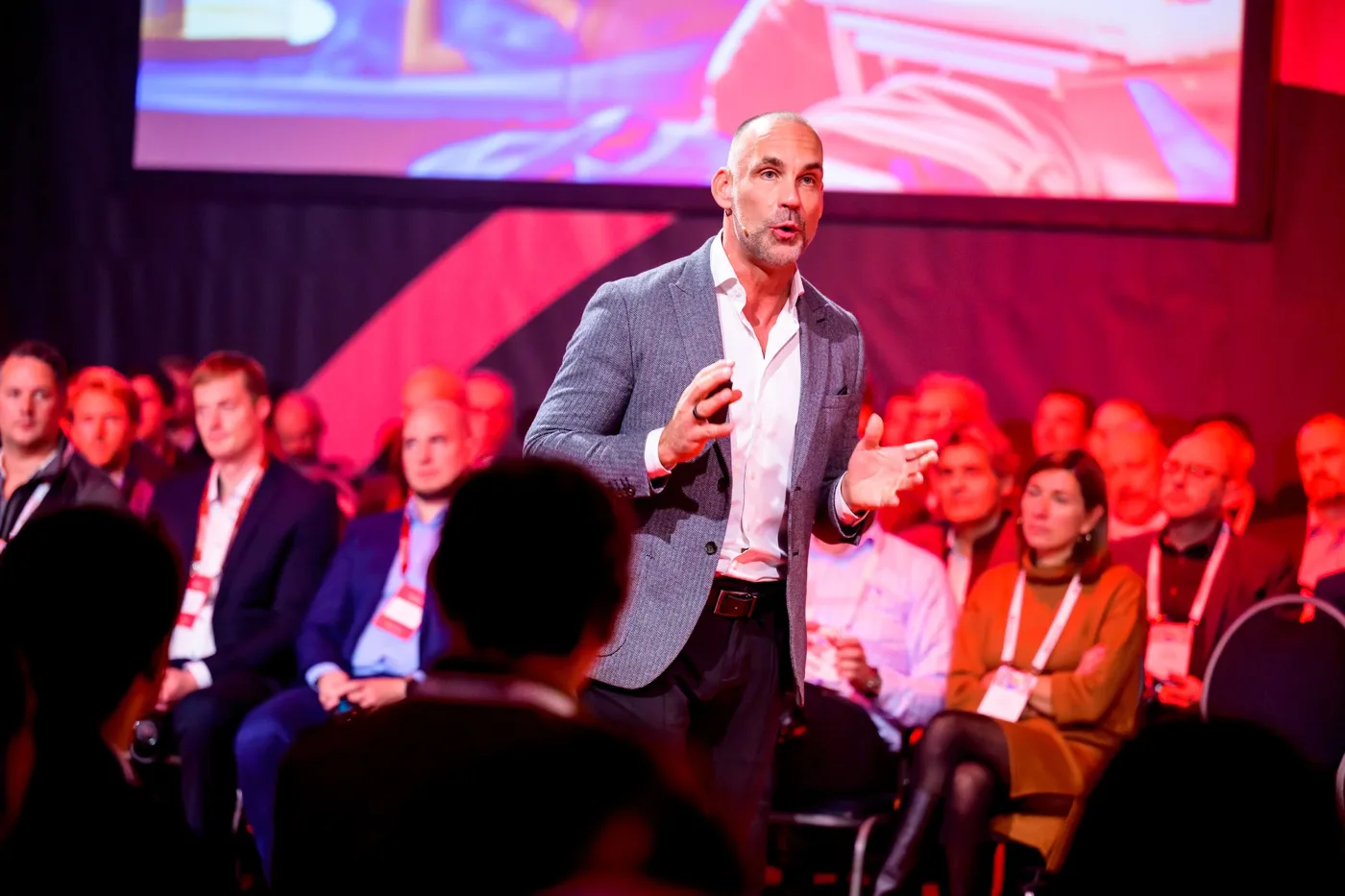
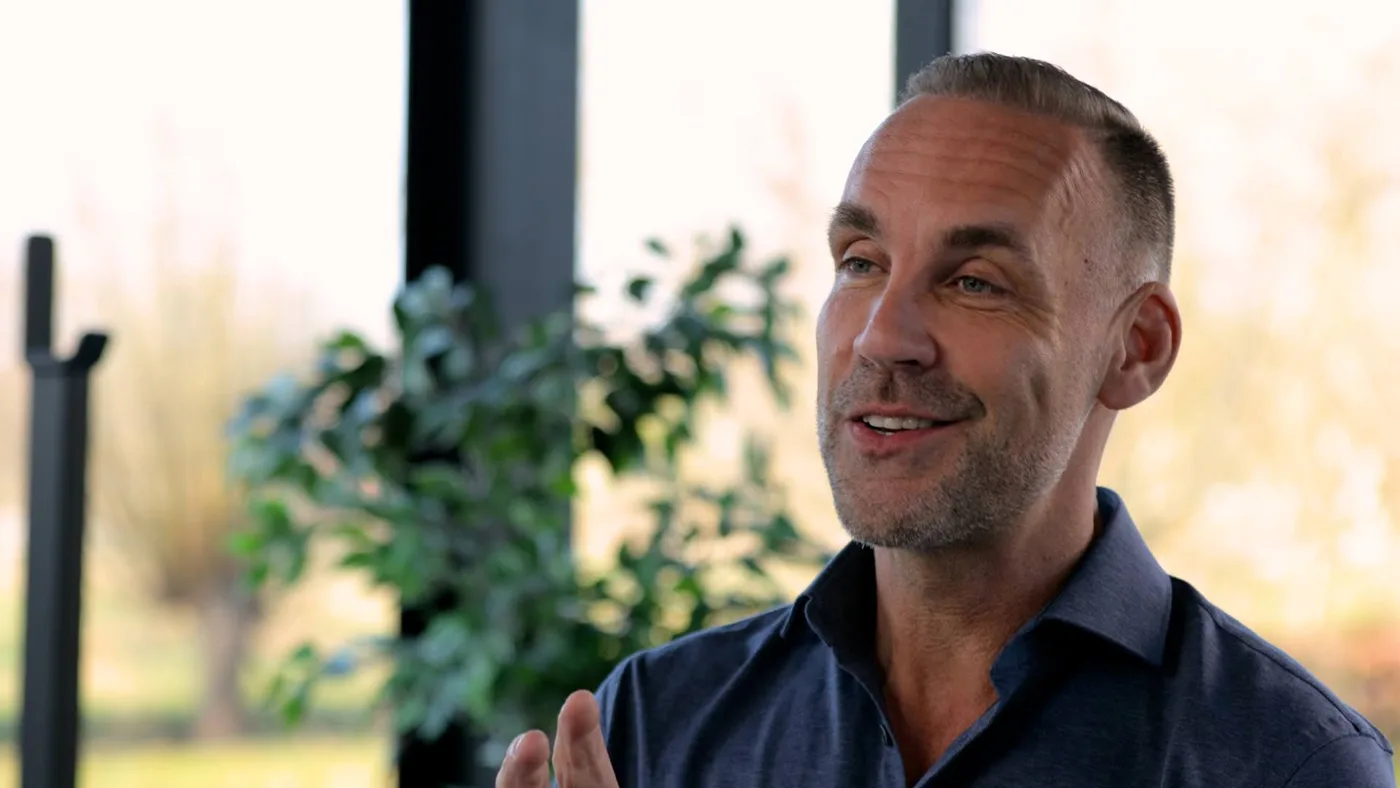
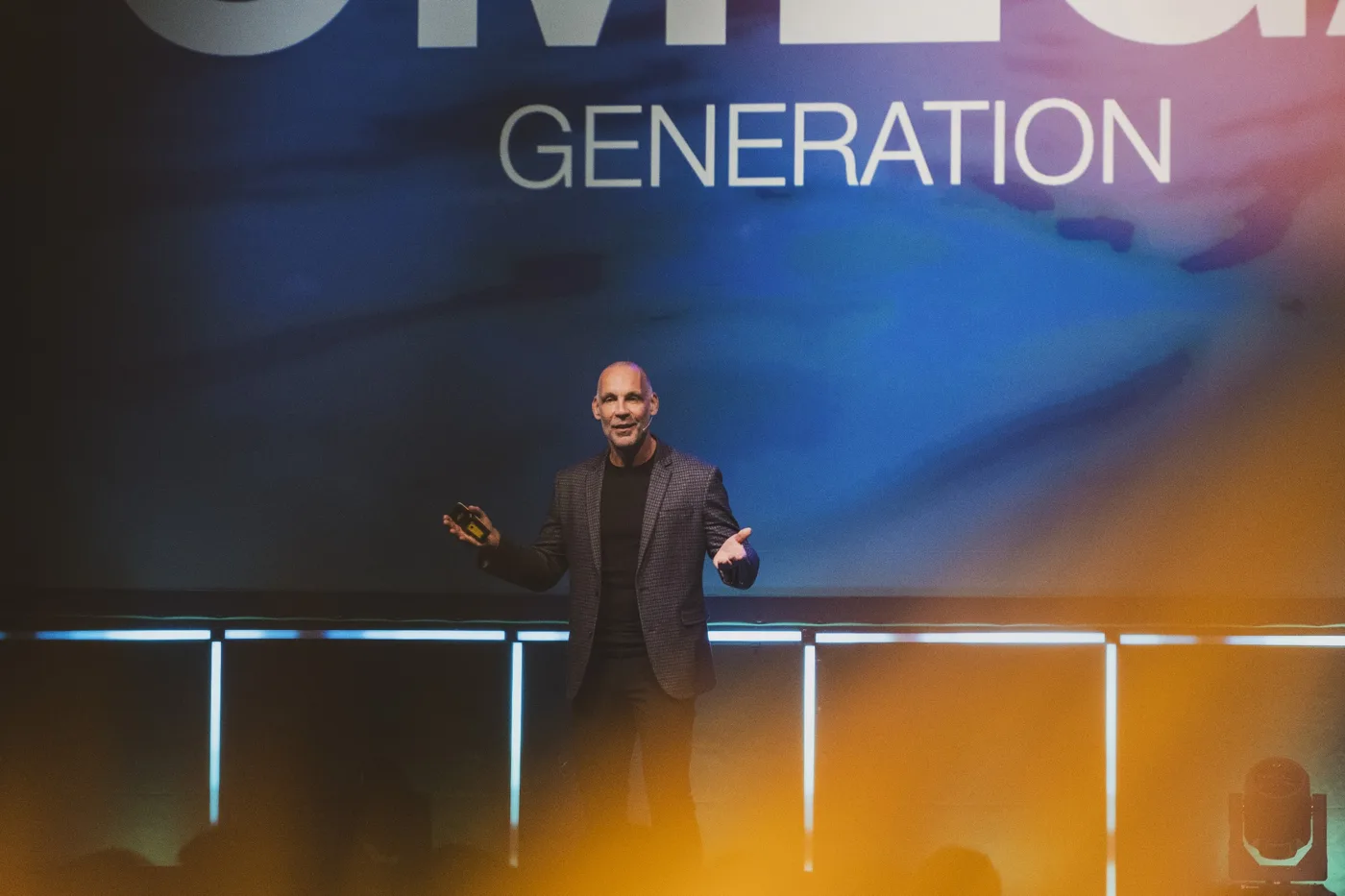
A packed conference hall, a televised panel discussion, a police summit in Dubai.



A selection of over 400 clients















What clients say

“Great keynote that really opened our eyes. Sparkling and energetic, from beginning to end. Thanks Richard, for showing us this different view of the fitness market and its future.”Read the full review →

“An impressive and noteworthy presentation for our employees and customers. The rate at which change is happening, which you eloquently brought across in your energetic speech, requires a disruptive approach. To be continued!”Read the full review →

“You gave us all honest, inspired and entertaining insights. Your performance was highly appreciated by the conference participants and EU members.”Read the full review →

“A dazzling journey through new technology. The enthusiasm and energy during his presentation, combined with the visuals, provided a successful kick-off to our event.”Read the full review →
“We thank you once again for your inspiring contribution as the kickoff of the module. We found your lecture very valuable. The inspiration and answers to the questions have given the participants much to think about. As a result of this Top Defence Leadership Programme, we expect several new initiatives to emerge. And that is thanks in part to your inspiring kickoff.”Read the full review →
How a booking works
Your request
Use the form, or get in touch by phone, email or WhatsApp. A few lines are enough to get started.
We get in touch
We'd like to hear what your event looks like, who'll be in the audience and which themes interest you.
A written proposal
Covering the topic, format (on location or online), length (30, 45, 60 minutes or longer) and fee, so you can talk it over with your colleagues.
Getting to know Richard
Next, we'll find a time for the two of you to talk and brainstorm the keynote, the topics and the format. There's no charge for this.
Frequently asked questions
Who is this keynote for?
For hospitals, elderly care and disability care, mental health services, GP organisations, health insurers, sector bodies and healthcare conferences. The audience often mixes board members, medical specialists, nurses, policymakers and IT specialists, and the keynote is built for exactly that mix. It also works for events for staff, patients and clients, and care partners.
What will the audience take away?
An up-to-date picture of what AI and new technology already do in healthcare and what is coming in the years ahead, with examples from the Netherlands and beyond. What that means for roles, teams, leadership and culture. And a clear view of the risks, so the conversation afterwards is about choices, not hype or fear.
Does the keynote also cover the healthcare organisation itself?
Yes, and that is often the main focus: who does which work once an AI agent answers the phone, how a junior doctor builds clinical skills when AI already makes the first suggestion, and what that requires of leaders. Roles, teams of people and AI, leadership, culture and training each get their own part of the keynote.
Does the keynote also cover the risks of AI in healthcare?
Yes, always. Ransomware that brings a hospital to a standstill, deepfakes of doctors promoting fake remedies, data breaches, AI that makes more mistakes for some groups of patients, and the question of who is liable when advice turns out to be wrong: that other side has its own place in every healthcare keynote. The same AI that helps a doctor write up the notes helps a criminal fake that doctor's voice.
Is the keynote tailored to your organisation?
Yes. Beforehand there is an introductory call about the audience, the aim of the event and what is going on in your organisation. An audience of GPs gets different examples from an audience of health insurance executives.
How long is the keynote, and can it be in English or online?
30, 45 or 60 minutes, or longer if you wish, with time for questions from the audience, in English or Dutch, in person or online. Richard has spoken in more than 30 countries, in Europe, the United States, the Middle East and Asia. If you want more than a keynote, there are masterclasses, boardroom sessions for executives, board members and managers, and workshops for all staff.
How much does a keynote on AI in healthcare cost?
Fees for international keynotes are on request. Ask for a proposal and you will hear from us within an hour on working days.
Interested in a keynote for your healthcare event?
Tell us in a few sentences about your event and who will be in the audience, and give us the date.
Prefer to speak to us directly? Call 085 303 0792 · email talks@vanhooijdonk.com · send a WhatsApp message