 Richard van Hooijdonk
AI & the future of manufacturing
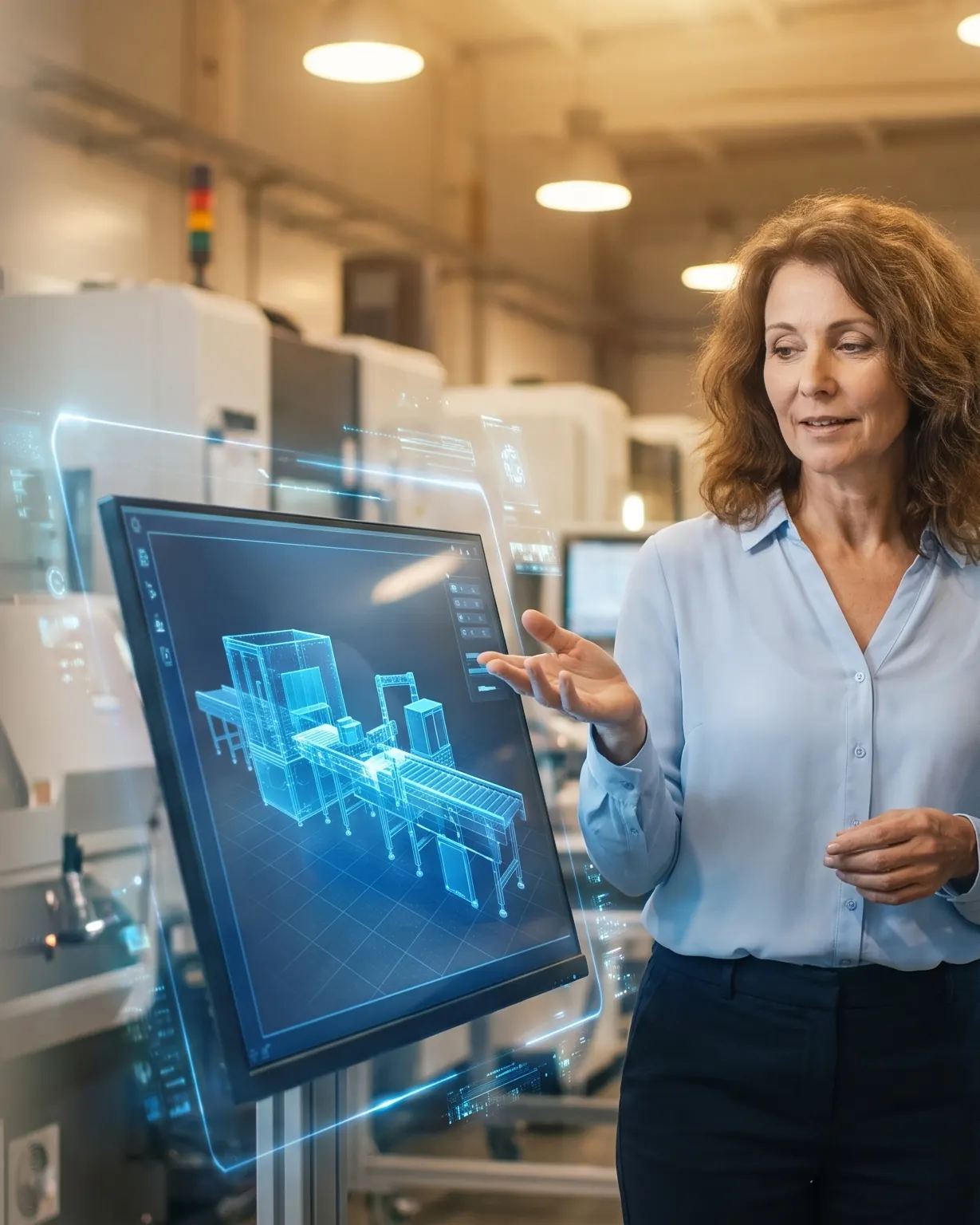
Factories that adjust their own processes, materials designed by AI and robots that learn a new task in an afternoon. In tomorrow's industry, people design, choose and lead; AI measures, calculates and predicts.
Choose your sector
Every keynote is tailored to a sector. Choose yours.
 Healthcare
 Government
 Defence
 Policing and security
 Smart cities
 Construction
 Mobility
 Industry 4.0You are viewing
 Energy and utilities
 Logistics
 Retail
 Wholesale
 Hospitality, tourism and leisure
 Agriculture
 Financial services
 Legal
 Accountancy and advisory
 Education
 Media and entertainment
 Telecoms and connectivity
Is your sector not listed? We tailor the keynote to your audience. Tell us about your audience
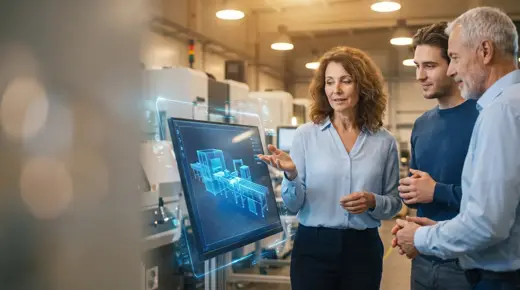
Every kilowatt-hour counts, every breakdown costs money and experienced skilled workers are getting scarce. AI helps the factory produce more efficiently and prevent breakdowns.
In the smart factory that futurist and trend watcher Richard van Hooijdonk describes, systems adjust themselves and people and machines can work together more effectively. This keynote shows the benefits, and where skilled workers' expertise remains indispensable. In many factories AI is already part of the job. Cameras check every product on the line, sensors flag wear before a machine fails, and AI keeps adjusting production lines and processes to protect quality and cut energy use and scrap. Cobots work next to fitters, and new lines exist first as a digital twin. Further ahead lie factories that run themselves, humanoids working shifts, robots that share skills between plants and materials developed in autonomous labs. The organisational questions matter just as much: what the operator does when the system does more on its own, how shop-floor experience finds its way into the AI, and who decides when to stop the line. The keynote shows what already runs in factories, what is being trialled and what the factory of 2040 could look like. Which work in your factory would you hand to a machine first?
AI in manufacturing
What AI already does on the line, in planning and in the process.
- 01
 Applied
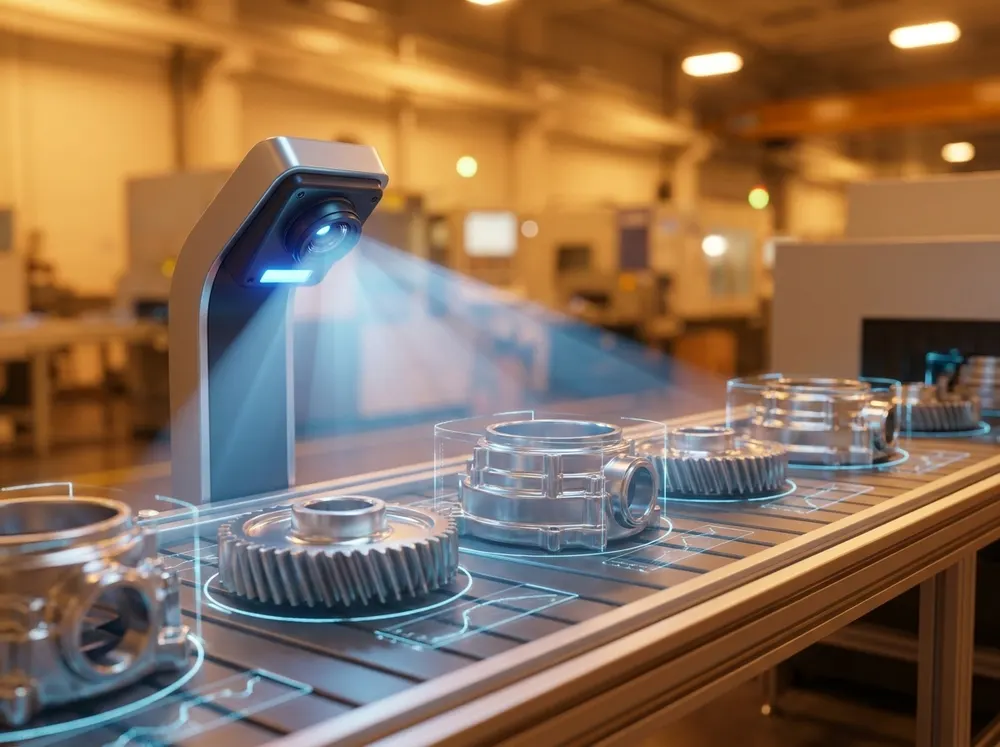
AI quality inspection
Cameras and AI check every product on the line. Next: a line that corrects itself as soon as the risk of a defect starts to rise.
AI inspection links every camera image to the product variant and the process conditions, so the same scratch can be a defect on one product and acceptable on another. The system learns from examples of good and faulty items, and can also flag deviations it has never seen before. Across thousands of products, AI spots patterns: a flaw that keeps recurring with the same mould, at the same time of day or whenever the same batch of raw material is used. Linked to process data, that helps trace the step where a defect starts. Ahead lies a shift from finding defects to preventing them: the line recognises that the risk of deviations is rising and adjusts before more products are rejected. The inspector judges the borderline cases.
- 02
 Applied
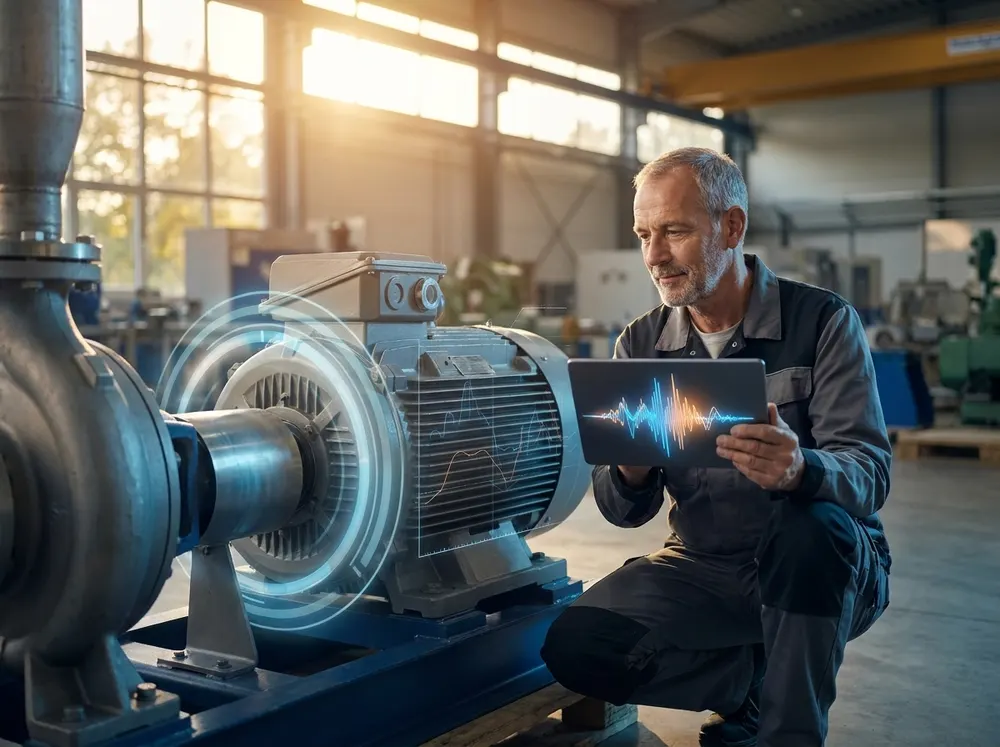
Predictive maintenance
Sensors measure vibration, heat and sound. AI picks up signs of wear, so the fitter can step in before the machine grinds to a halt.
AI compares wear patterns between machines running under different loads, and can tell the signs of a wearing bearing from the effect of a heavier product variant. The fitter gets an alert with a possible cause, sometimes with an estimate of the remaining service life, and alerts are ranked by their impact on production. Using planning and stock data, the system shows which maintenance can be carried out during the next stoppage, with the required part ready. The next step is a machine that arranges its own maintenance: an AI agent orders the part and books the fitter, and in time a robot carries out simple replacements itself.
- 03
 Applied
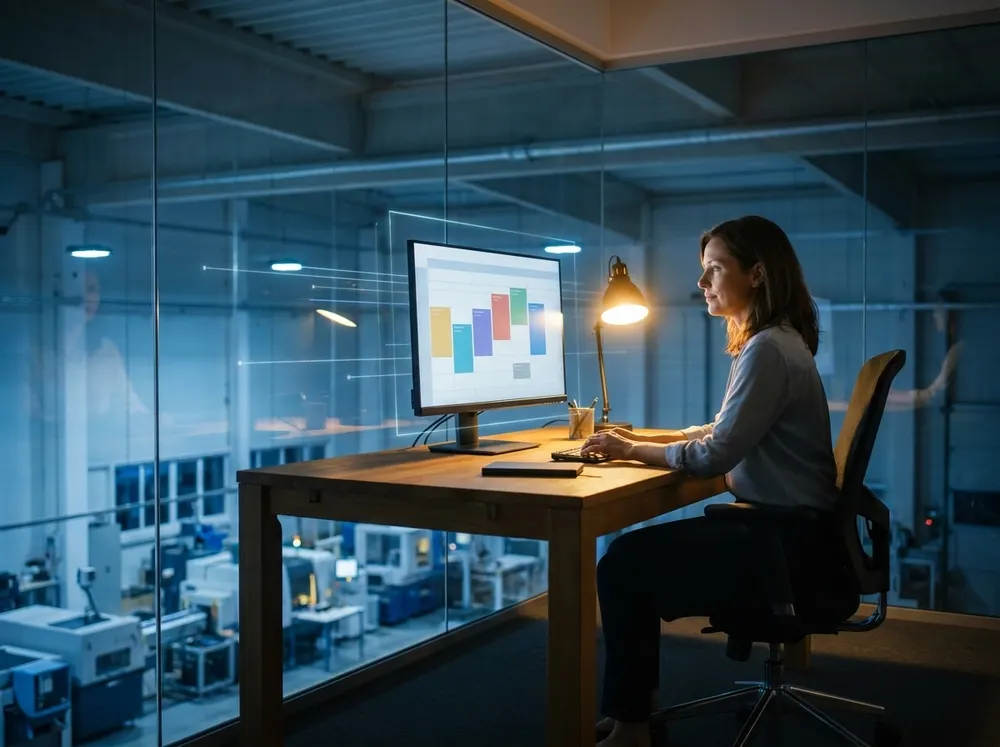
AI production planning
AI weighs sequence, changeover times, staffing and delivery dates at once, and reworks the plan for a rush order or a breakdown.
Where fixed planning rules reach their limits, AI draws on patterns in historical lead times, product variants and past disruptions. It works through thousands of possible sequences for several lines at once and produces a new proposal within minutes, with as little changeover time and delay as possible, including the knock-on effect on the next orders. In food production, the order of allergens matters too: products without nuts first, then those with nuts, so the line needs cleaning less often in between. The planner reviews the proposal, weighs what the system cannot see and stays in touch with sales and customers. Further ahead, the planning system factors in supplier stock and customer demand by itself and keeps updating the schedule.
- 04
 Applied
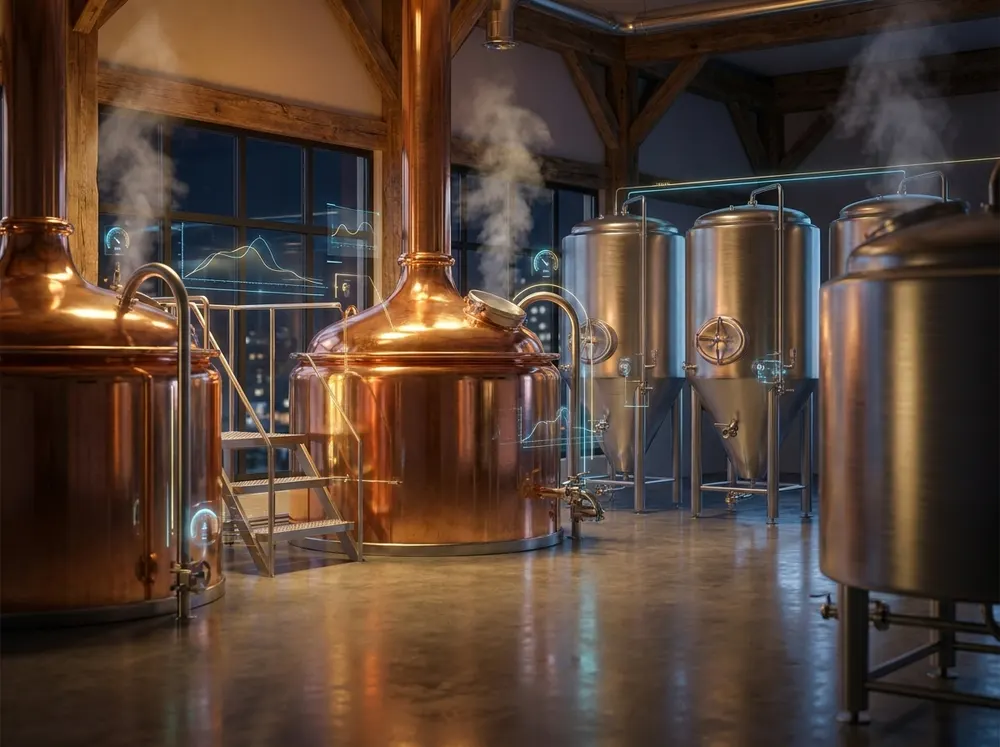
AI process control
Production lines and processes adjust themselves continuously: AI keeps quality stable and reduces scrap and energy use.
AI process control means a line or process keeps adapting to what is happening, rather than running on fixed settings and rules. From sensor data, camera images and quality measurements, AI learns how raw materials, machine settings and the end result are connected. Those connections often only show up across thousands of products or batches. While production runs, the system adjusts speed, temperature, pressure or dosing, on an injection moulding machine as readily as in a battery plant or a food process. That can make a process more stable, with less scrap and less energy per product. The operator sets the limits, approves larger interventions and steps in when something deviates. Each time the model is retrained, its predictions are checked for improvement.
- 05
 In pilots
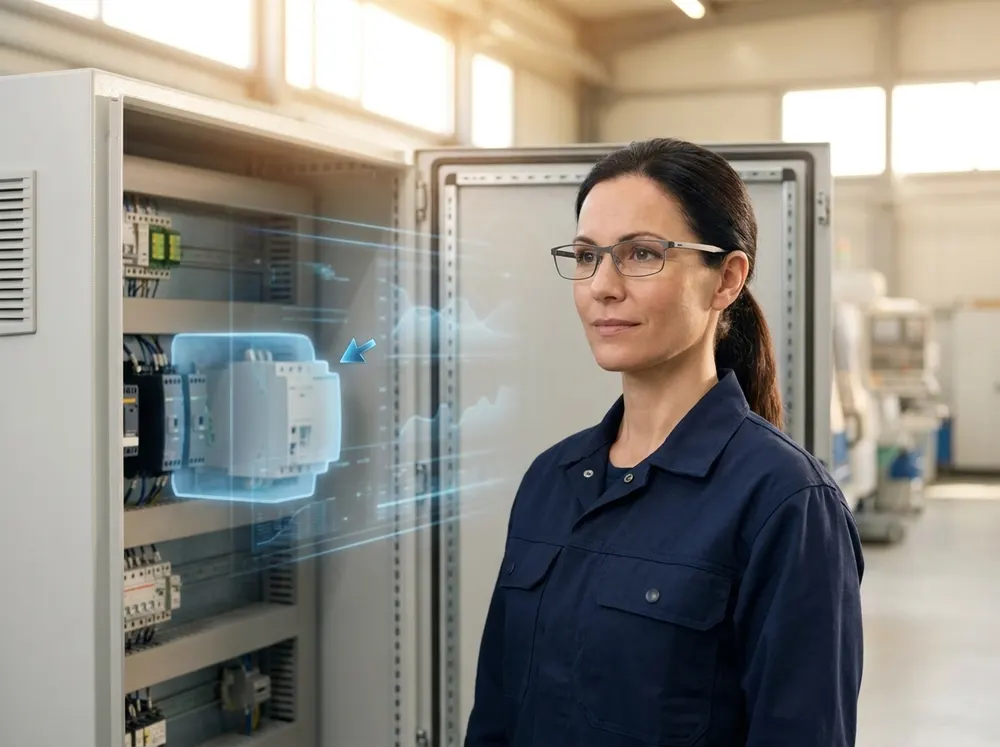
The copilot that sees what you see
An AI assistant that knows the manuals and the fault history watches through a camera or AR glasses and talks the fitter through the job.
An industrial copilot is a language model connected to a factory's own documents: manuals, fault logs, work instructions and maintenance reports. Querying those documents is already routine. The next step is a copilot that can see what the fitter sees. Through a camera or a pair of light AR glasses it follows the work, recognises the machine and the part, and guides the repair step by step with spoken instructions: which screw first, where the sensor sits, what was done last time. Assistants like this are now turning up in trials. Even at three in the morning, a new employee or a multilingual crew then gets guidance drawn from manuals and the fault history, matched to what the camera sees.
- 06
 Applied
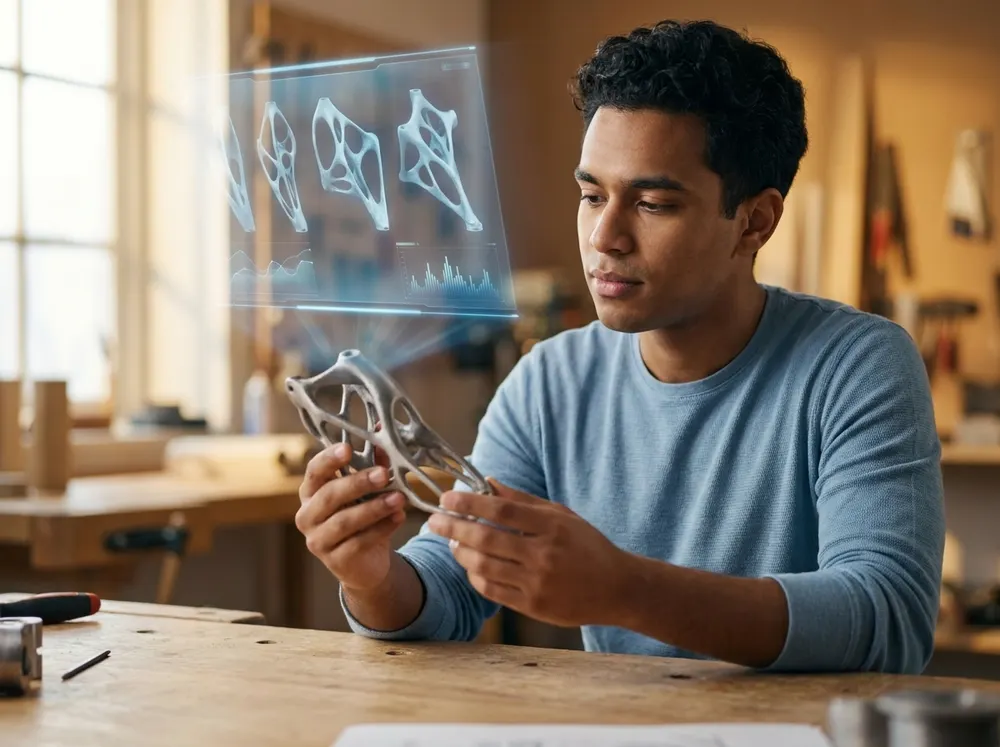
Generative design
AI designs hundreds of variants of a part within the limits for weight, strength and cost. The engineer chooses.
In generative design an engineer starts with requirements rather than a drawing: the load the part must carry, its maximum weight, the space it must fit into and how it will be made. AI then works through hundreds or thousands of shapes that meet those requirements. The results often look organic, like a bone or a branch, because AI places material mainly along the load paths. The parts come out lighter, which cuts fuel use or the battery capacity needed. The engineer's work shifts from drawing to setting the right requirements. Later, AI also designs how the part is made, and the engineer describes the requirements in plain language.
- 07
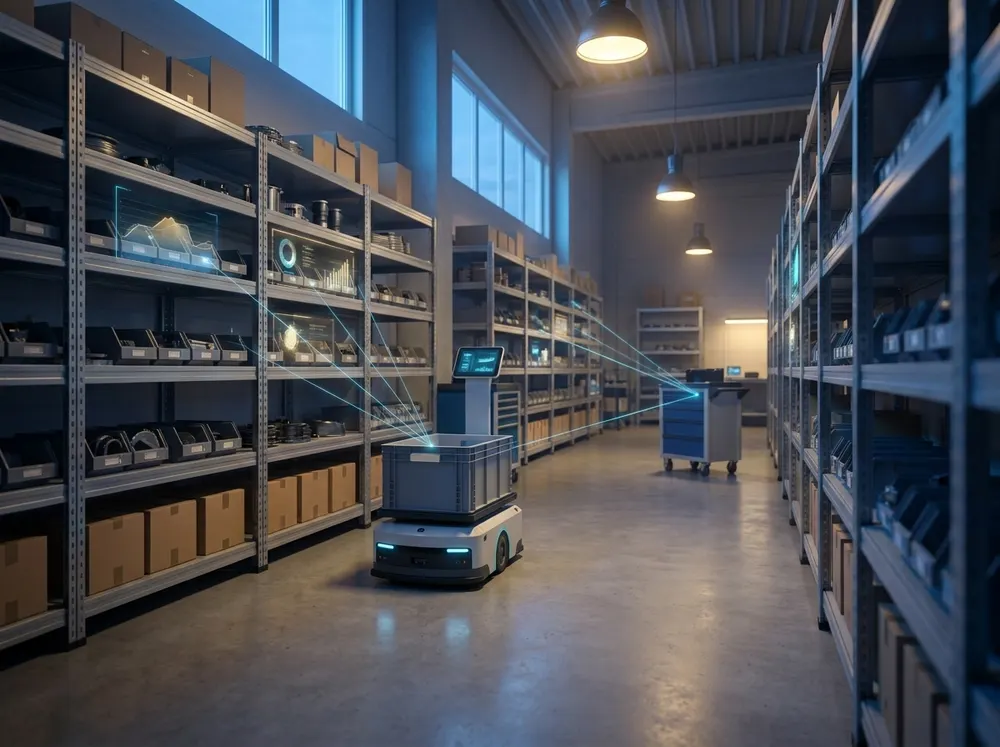 In pilots
AI agents on the factory floor
AI agents gather fault data, raise a work order, order the part and book the fitter.
An AI agent uses a language model to plan a series of steps itself and carries them out across different systems, within limits people set in advance. Take a fault on a packaging line: the agent reads the machine's alerts, searches the log for similar cases, raises a work order, checks whether the part is in stock and proposes a time for the fitter. Manufacturers are testing such agents in clearly bounded processes, such as maintenance, buying spare parts and quality reporting. The next step is agents from the factory, the supplier and the maintenance contractor coordinating with each other, so a fault is fixed before anyone picks up the phone.
- 08
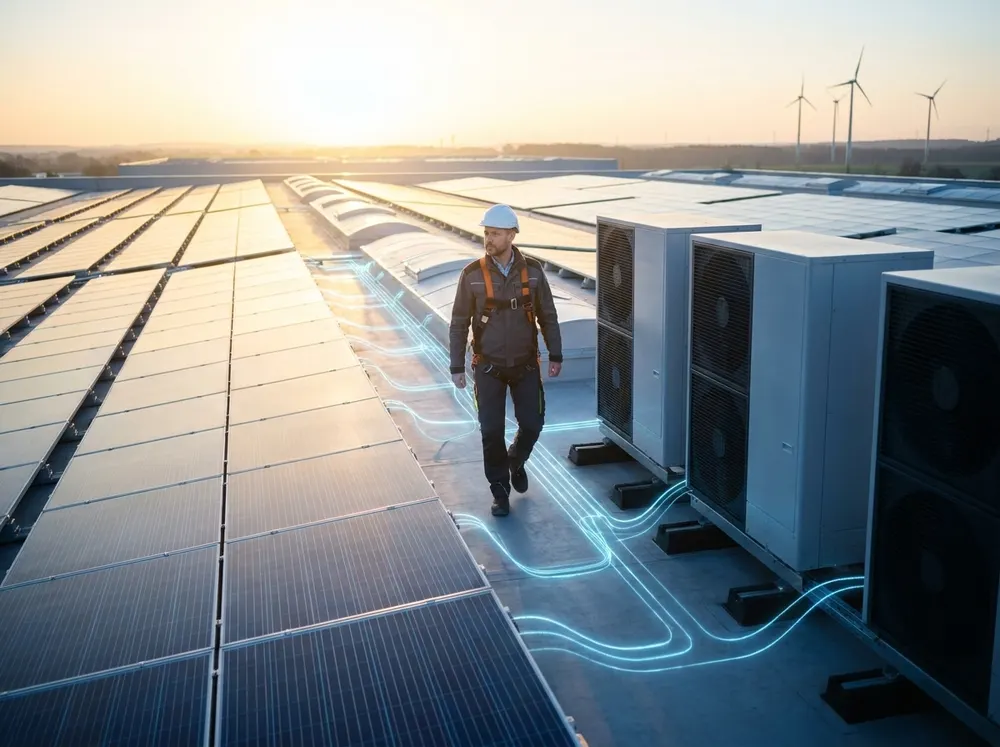 Applied
The electric factory
More and more factories are going electric. AI matches energy-hungry steps to power prices and capacity, and calculates emissions per product.
Many factories still burn natural gas for steam, drying ovens or melting. Heat pumps upgrade waste heat, electric boilers supply steam and electric furnaces heat directly. For very high temperatures, hydrogen is also being trialled as a fuel. Power prices and the emissions of the electricity mix change over the course of the day. AI helps match production to those swings: an energy-hungry step such as drying or cooling moves to hours with plenty of solar and wind power, and stored heat covers the hours in between. Further ahead, the factory becomes a flexible user of the grid, with AI deciding when to draw less power or use stored heat.
- 09
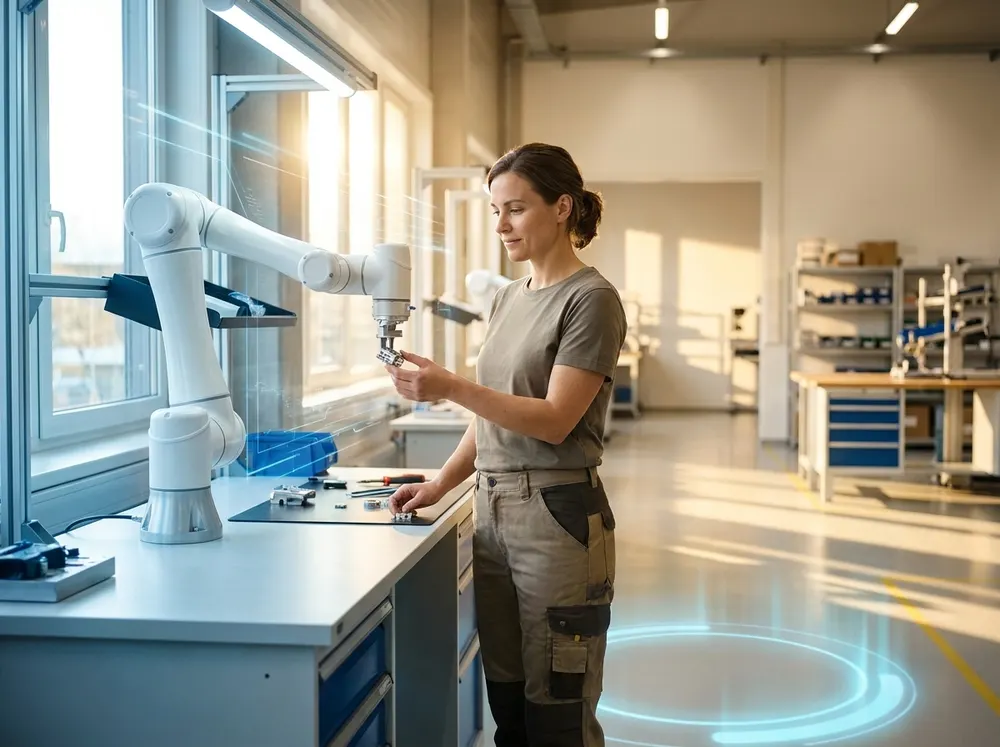 Applied
Cobots and the smart factory
Robots work next to people when the task and the safety measures allow it. AI helps them recognise parts, pick them up and learn new tasks.
Cobots work alongside people, often without a fence: depending on the application, the robot limits its force, or sensors make it slow down or stop when someone comes close. That puts automation within reach of companies with small batches and frequent changeovers, where a large robot cell does not pay off. AI extends what cobots can do. With cameras they recognise parts that are not lined up neatly, and some learn a new task when an employee guides the arm through the movement a few times. The cobot takes over the lifting, fastening or packing; the employee sets it up, checks the work and improves the process.
- 10
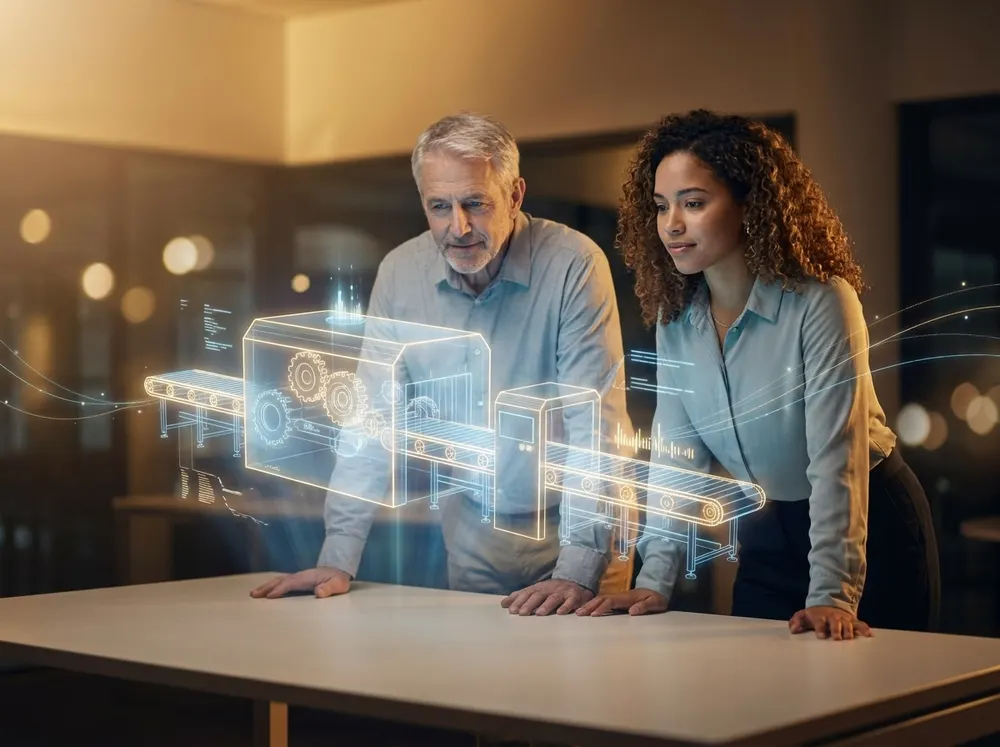 Applied
The factory twin
A digital twin of a line or a whole plant tests a change virtually first. AI runs the scenarios before anything is altered.
A change to one line ripples through buffers, energy use and lead times elsewhere in the factory. A digital twin of the factory connects live machine data with process models, so engineers can work out those knock-on effects before they change anything: an extra robot, a different hall layout, a new product on an existing line. AI runs those scenarios for different order books and utilisation levels, and shows where bottlenecks appear. Manufacturers plan new plants and lines entirely on screen first, so mistakes surface there rather than during construction. The next step: digital twins of factories and suppliers linked into a twin of the whole supply chain that coordinates and corrects itself.
The future of manufacturing
Where the factory could be in five to fifteen years, with AI as the engine.
- 11
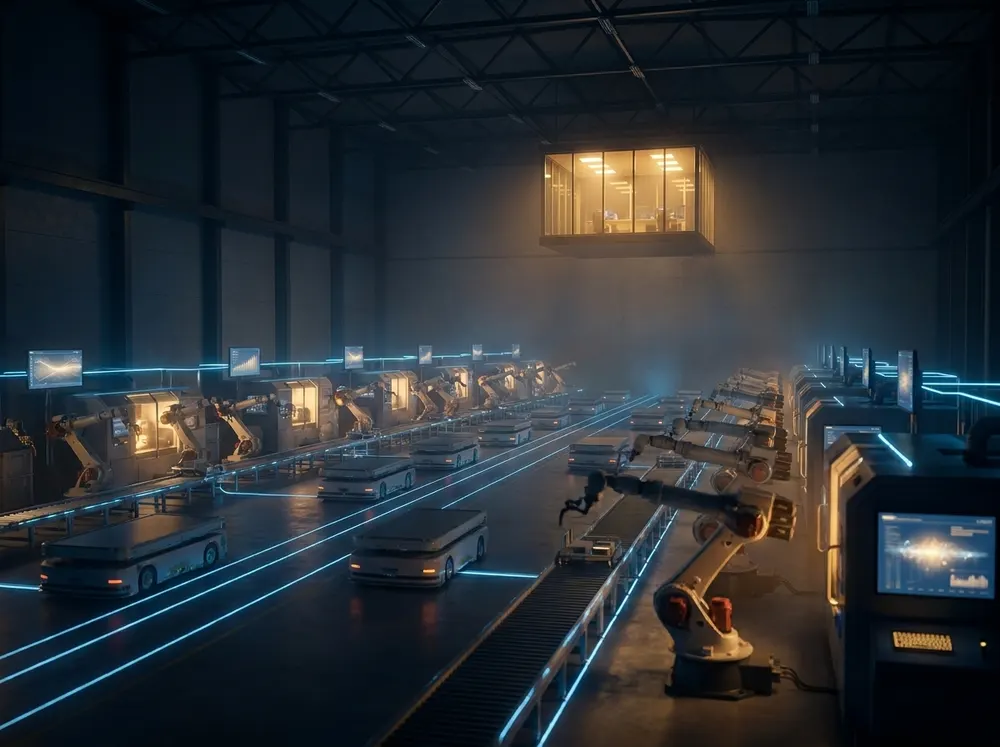 Future scenario
The factory that runs itself
Quality, planning, maintenance and energy in one AI system that makes its own decisions. People set the goals and draw the lines.
An autonomous factory runs its own operations: it measures the quality of every batch, adjusts settings when a raw material varies, reschedules orders after a breakdown and requests its own maintenance. The building blocks already exist. Some production cells and lines run day and night without staff, and the process industry describes autonomy in levels, as with self-driving cars. The next step is AI joining those separate systems into one whole that runs the factory, with a company's plants learning from each other: what one plant solves today, the other knows tomorrow. The scenario for 2040: fewer people in the factory, each overseeing a much larger part of it. They set the goals, judge the exceptions and improve the whole.
- 12
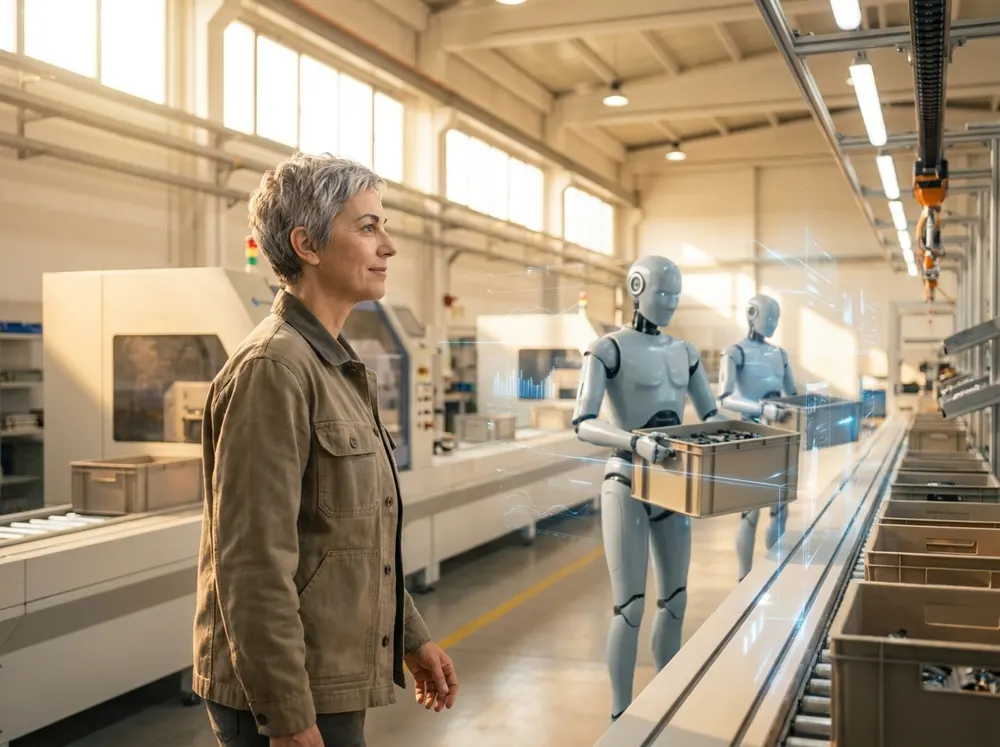 Future scenario
Humanoids working shifts
Robots built like humans are getting smarter and cheaper. In the 2030s they could join the shift rota.
A humanoid robot fits a factory built for people: it walks the same aisles, picks up the same crates and uses the same workstations. Car plants are running the first trials with humanoids that pick parts and bring them to the line. What changes in the coming years is their price and their intelligence. Manufacturers are preparing to produce them in large numbers, and analysts at investment banks expect millions of humanoids in the 2030s, with the price per robot falling sharply. The scenario for 2040: humanoids work the night shift fetching, carrying and packing, and switch tasks through a software update. Workforce planning then has to account for how much of each shift consists of machines.
- 13
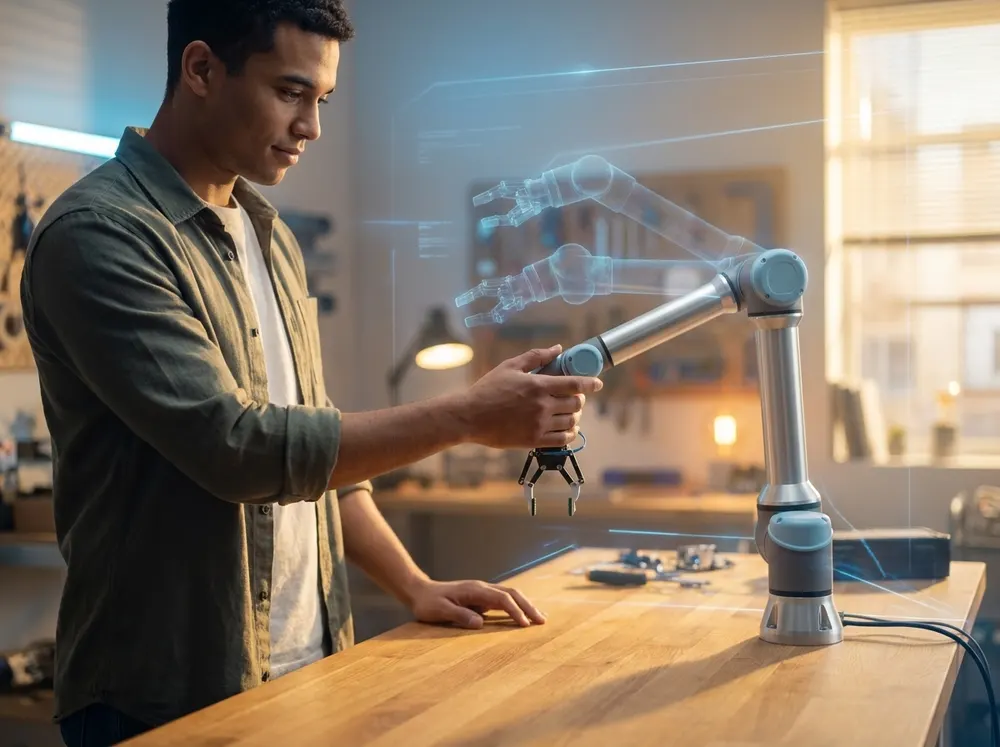 Future scenario
The robot that keeps learning
In 2040 robots could learn to handle new products from a few examples, and share their skills with robots in other plants.
New robot models combine vision, language and movement, and are trained on large collections of robot motions and video. They turn an instruction such as "take the rejected bottles off the belt" into actions, and in research some models already adapt a skill after one or a few demonstrations. The scenario for 2040 goes further: robots pass skills between machines and plants, so what one robot learns is available elsewhere the next day. A robot given an unfamiliar product works out from the design and a few examples how to grip or assemble it. Changeovers then become a matter of explaining rather than programming; the engineer reviews the execution and chooses the method.
- 14
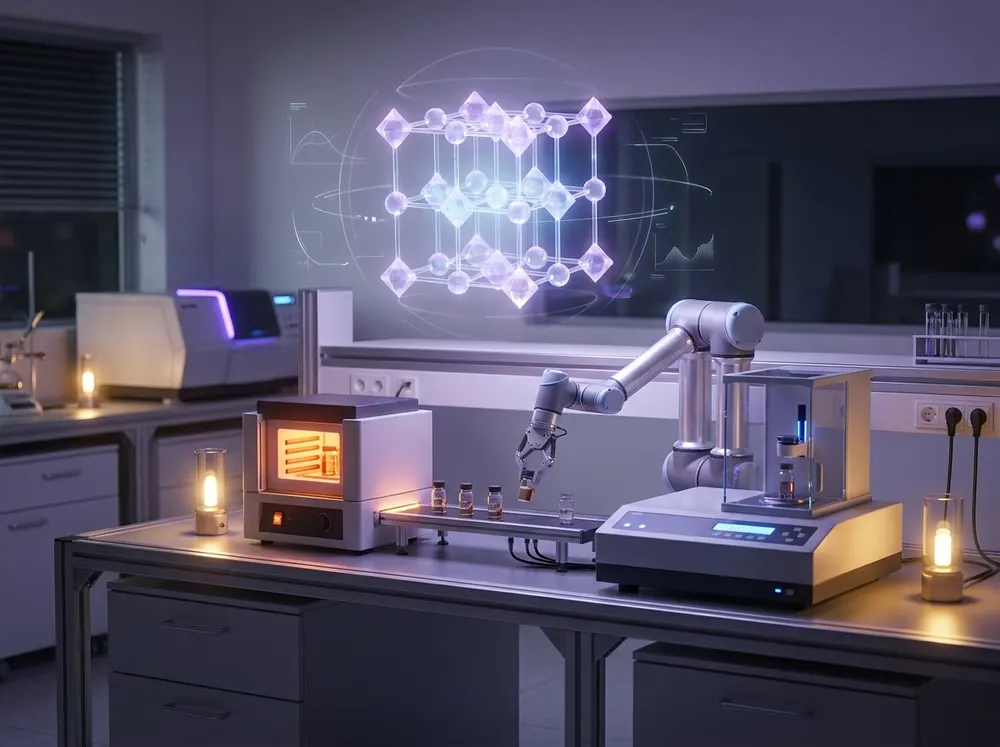 Future scenario
Materials made to order
Materials devised by AI are made and tested day and night in robot labs. What took twenty years could soon take a few.
Developing a new material and bringing it into production often took ten to twenty years. AI is shortening that. In 2023 an AI model predicted more than two million new crystal structures, of which around 380,000 are likely to be stable. Autonomous labs are the other half. Robots mix, heat and measure, and AI picks the next experiment based on each result. The scenario for 2040: a manufacturer describes what it needs, such as a coating that lasts ten years without harmful substances, a battery without scarce metals or a plant-based cheese that melts like the real thing, and receives a tested candidate within months. Materials are then designed for properties no existing catalogue offers.
- 15
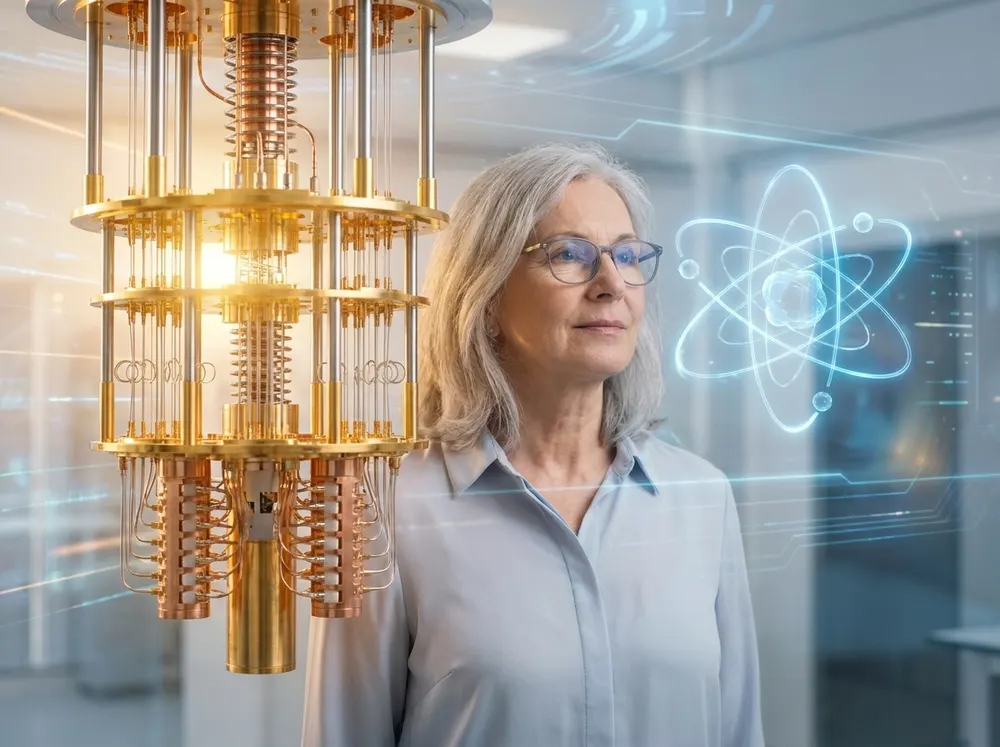 Future scenario
The quantum-designed catalyst
Quantum computers may one day calculate reactions that defeat ordinary computers. That could yield catalysts needing less energy.
Chemistry runs on catalysts. For complex catalysts, classical calculations often fall short of describing the interactions between electrons accurately, which makes it hard to predict which candidate will make a reaction more efficient. Ammonia production alone, which depends on such a catalyst, accounts for about 2 per cent of the world's final energy consumption. A quantum computer calculates with the same laws of nature as the molecules themselves. Researchers see these calculations as one of the first useful applications, once the machines are large and stable enough. Meanwhile, AI selects the candidates. The scenario for 2040: catalysts that make ammonia, plastics or fuel at lower temperature and pressure, using far less energy.
- 16
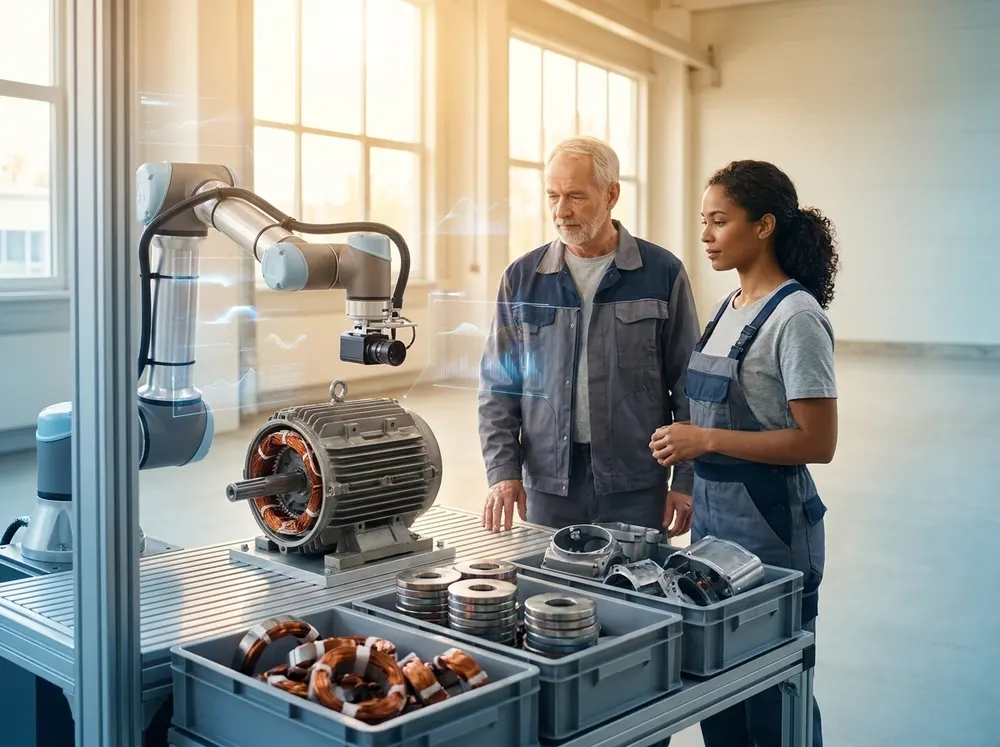 Future scenario
The factory as a materials mine
Products return to the factory. AI-driven robots take them apart, and metals and plastics go back on the line.
The circular factory increasingly gets its raw materials from yesterday's products. Two developments make that possible. A digital product passport records what a product is made of; the European Union is starting with batteries and extending it to other products. And robots with AI are learning to recognise and dismantle products that were never designed to come apart, from battery packs to electric motors. The scenario for 2040: a maker of batteries, washing machines or electronics takes its products back, has robots break them down and recovers metals, magnets and plastics into its own supply chain. The mine of the future then sits next to the factory, and the raw material comes from its own past.
A factory that learns, adjusts its own processes and makes every product to specification is coming within reach. People set the pace: tomorrow's industry takes shape when know-how from the shop floor meets bold decisions in the boardroom.
Richard van Hooijdonk
The manufacturing organisation of the future
How AI changes roles, shifts, leadership and culture in the factory.
- 17
The AI-first organisation
Robots and AI take over measuring, inspecting, planning and predicting. Operators focus on their craft: judging quality and improving the process.
Measuring, repeating, calculating, monitoring and predicting: in an AI-first factory, robots and AI do that work so people do not have to. People concentrate on what takes judgement and experience: assessing a deviation that appears nowhere in the data, coming up with an improvement, helping a customer with a tricky question. Where skilled workers are scarce, that division of labour can ease staffing pressures. Every new process is a chance to redraw that division.
- 18

The operator as conductor
Operators direct whole lines. New roles arrive: fleet managers for humanoids, trainers of robot models and supervisors of AI agents.
As machines do more on their own, the work of the people around them changes. The operator who used to run one machine now watches several automated lines from a screen and steps in where the system flags a deviation. Towards 2040, roles will emerge that barely exist today. A fleet manager deploys a team of humanoid robots across the shifts. A trainer teaches robot models new skills, such as handling a different product or gripping a part in a new way. A supervisor of AI agents sets which decisions the agents in maintenance and purchasing may take on their own. And a materials designer works with AI and an autonomous lab on the raw materials of tomorrow. Work on the floor shifts from operating to directing.
- 19
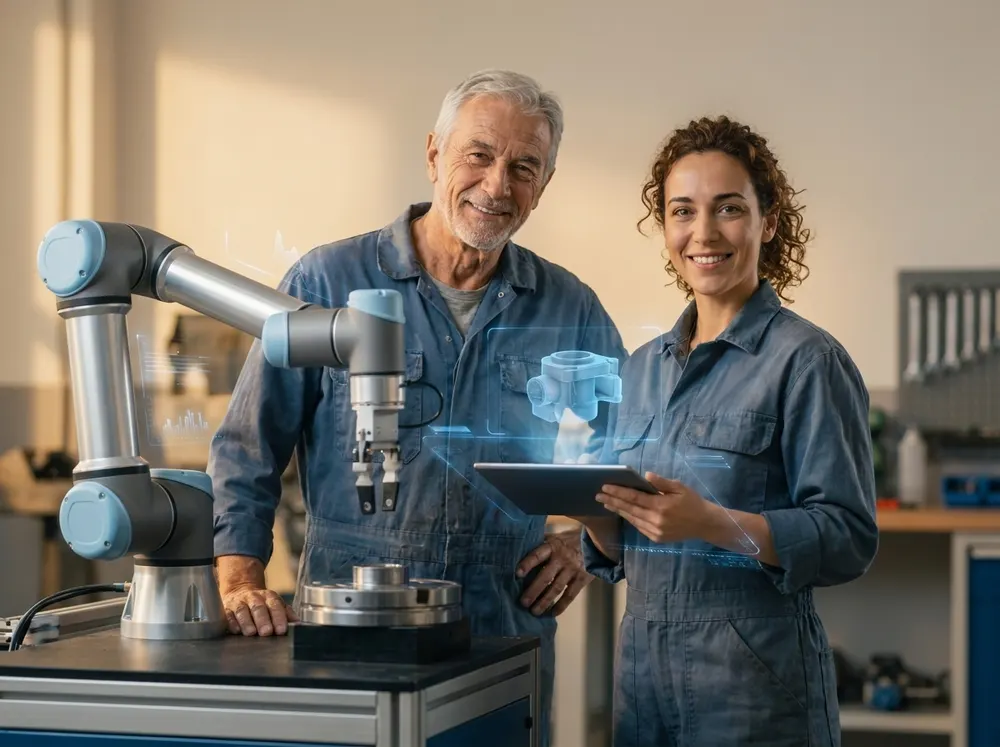
Craftsperson, robot and copilot
Fitter, cobot and copilot share the work on the line. The robot lifts, the AI searches and calculates, the person judges and decides.
In the factory of the future, people, robots and AI solve a problem together. A fitter, a cobot doing the heavy lifting and a copilot that knows the manuals and the fault history form one team. The robot does the repetitive and heavy work, the AI searches, calculates and predicts, and the person judges, chooses and works with colleagues and customers. The interesting moment comes when the copilot's advice does not match what the fitter sees and hears. Then experience counts; recorded corrections later help improve the knowledge base and the model. In the 2030s a humanoid robot could be the fourth team member, with an AI agent dividing the work within the crew for each shift.
- 20
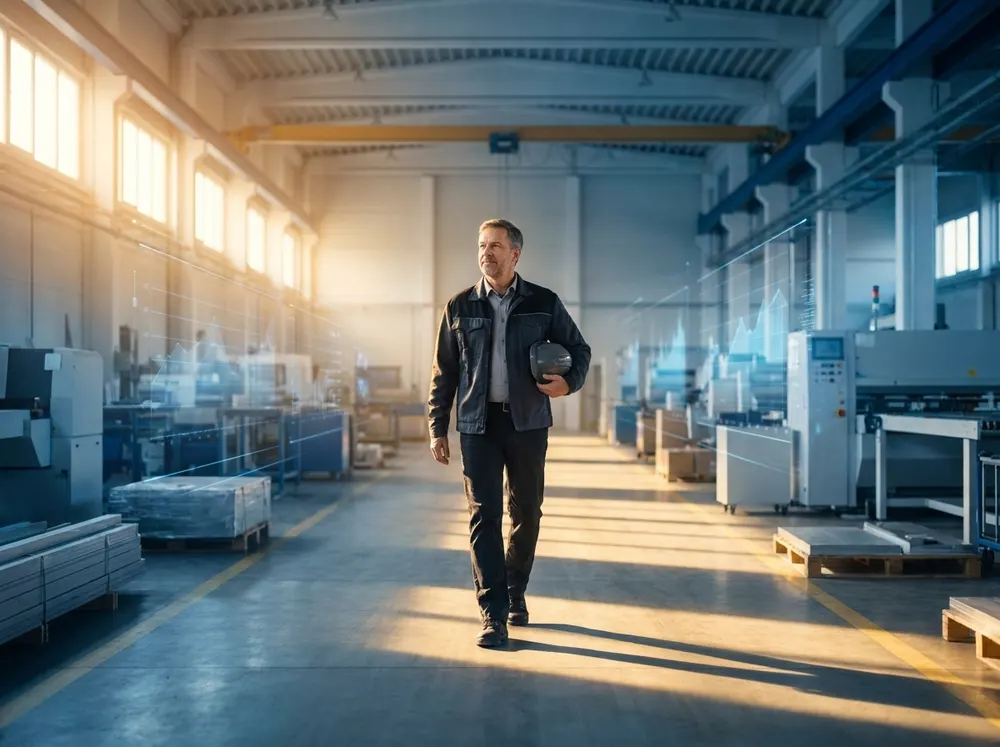
Leading on the factory floor
Leaders in industry take the initiative on AI and new technology, and motivate their people to build the factory of the future together.
The factory of the future takes shape when leaders give direction and give their people a say. Leaders in industry take the initiative on AI, robots and new technology, and show how the factory could work in five or ten years and what that means for the crew. They start small and in plain sight, with one line or one process. In a factory where machines and AI agents do much of the work, leaders set the goals and limits for those systems, and help their people through work that changes every year.
- 21
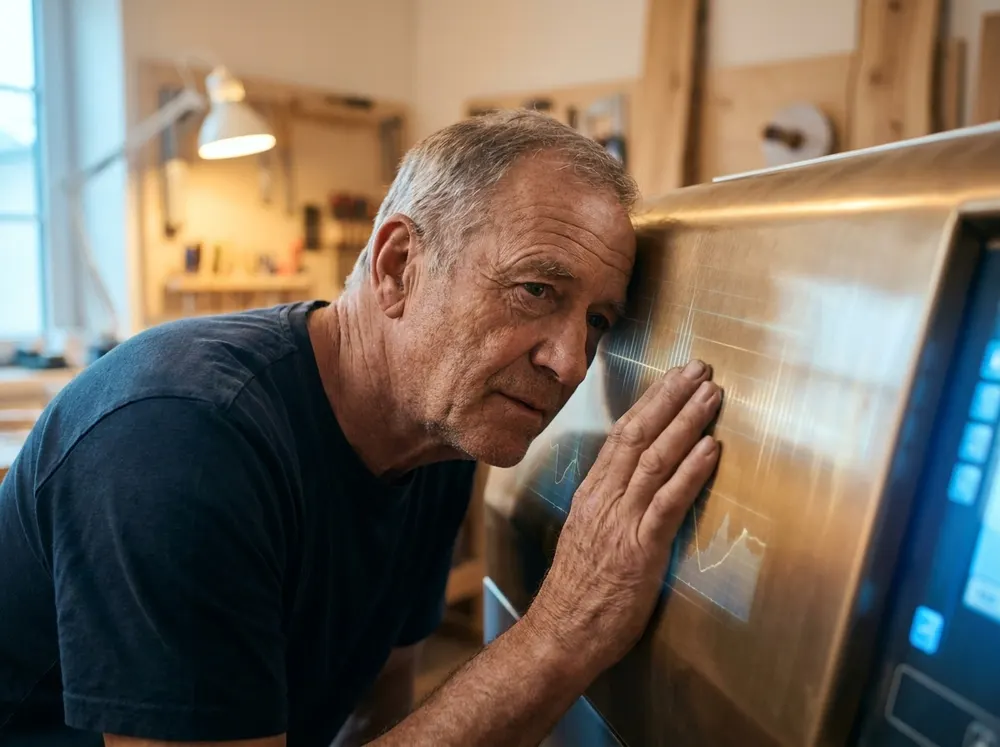
Craft knowledge as data
Skilled workers share their practical knowledge with AI systems. Helping to design those systems makes them more willing to share.
An experienced fitter can hear a bearing wearing out and knows which deviation is still normal for this machine. For AI, that knowledge is something to learn from, once employees link their experience to measurements and decisions: which sound goes with which vibration, which deviation matters. That takes more than technology. It takes a willingness to share knowledge and work differently, including from people who wonder what their role will be. Further ahead, cameras, AR glasses and voice recordings capture the work of experienced craftspeople as they do it. An AI apprentice learns from it, new colleagues can watch it back, and that practical knowledge stays in the factory when the craftsperson retires.
- 22
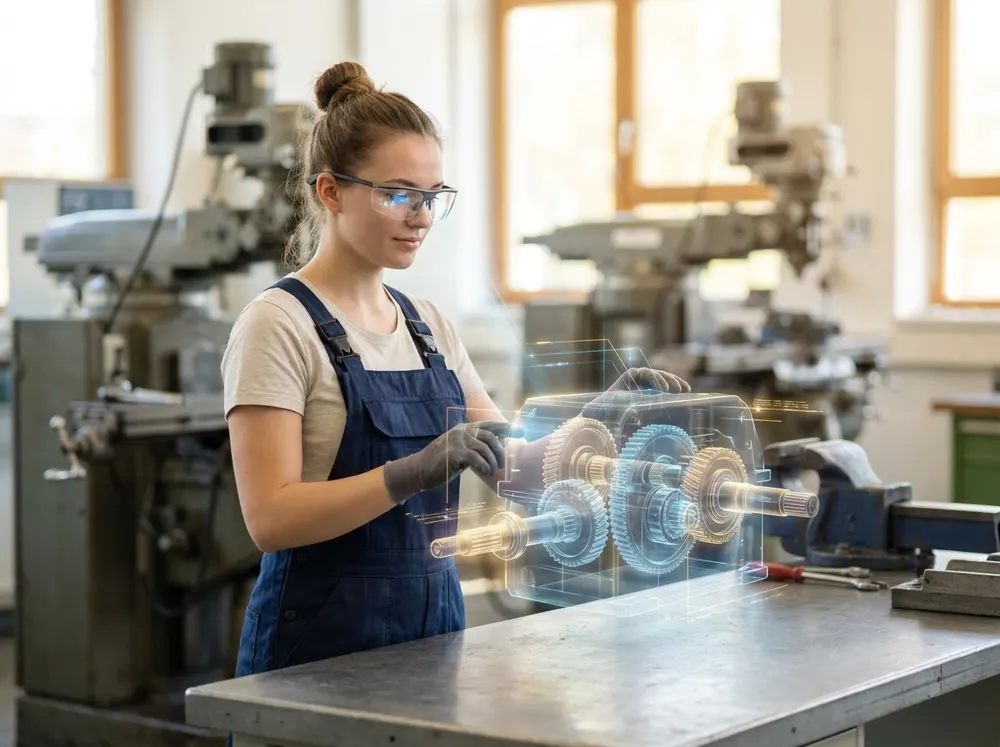
The future academy
Operators and fitters learn to work with AI and new technology in a future academy, on their own line. The factory does not wait for the colleges.
What employees need to know about AI and new technology changes every year. Colleges and training providers need more time to build that into their programmes. Organisations therefore set up their own future academy, where they prepare their people for the future themselves. Existing staff learn to work with AI, robots and AI agents. New colleagues start there with the knowledge tomorrow's work demands. Experienced craftspeople pass on their know-how, so it does not disappear when they leave.
- 23
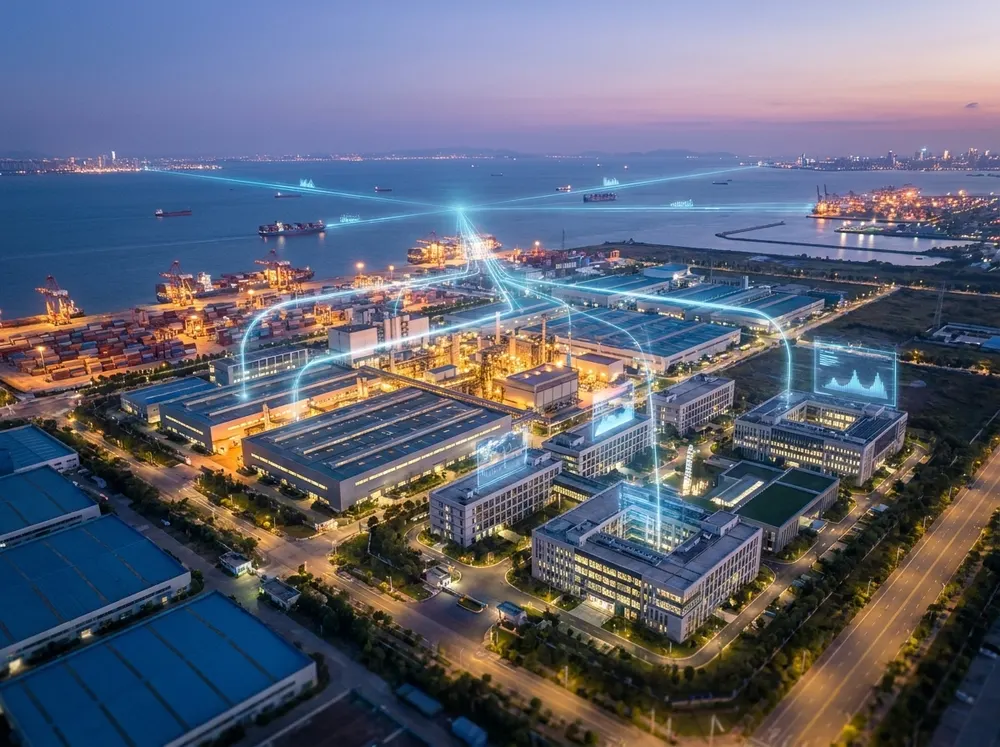
Moving ahead as an ecosystem
Lessons spread quickly. Working with start-ups, scientists, partners and governments worldwide, an organisation innovates faster than alone.
Innovation rarely starts inside a single organisation. A new technique emerges in an ecosystem of partners, start-ups, scientists, customers and governments. Organisations in the same region share test facilities, skilled people and sometimes data, for instance to train an AI model together, often in programmes that governments help make possible. Front runners share their approach in international networks, so others do not have to start from scratch. Training a model together without sharing raw data is already possible. Done at scale, it lets even competitors learn from each other's breakdowns and mistakes.
The other side responsibility and risk
Data, process safety and crime: the flip side of the smart factory.
- 24
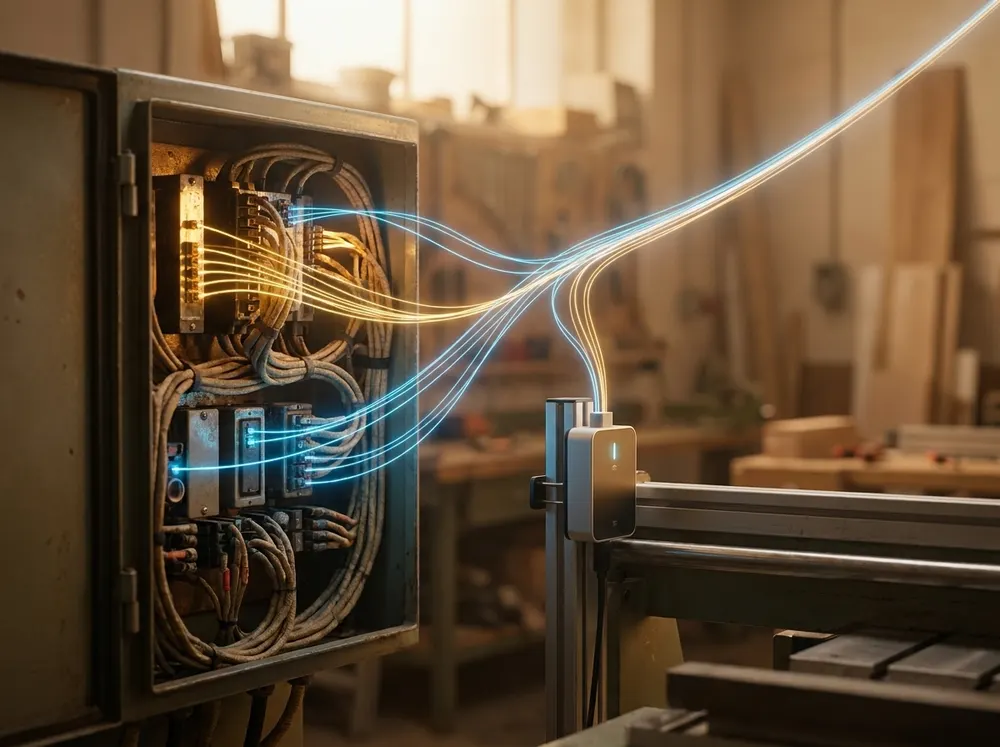
Data as the foundation
AI only works when data from every part of the organisation is available, reliable and connected. That is the foundation of the AI-first factory.
The AI-first factory lets AI predict, plan and advise across departments. That only works when data from every department is available, reliable and connected. Often it sits in separate systems, with their own codes and definitions, and one department does not know what another records. Missing data can lead to wrong answers, and an AI agent taking over a task then lacks important information. Linked, consistent and up-to-date data is therefore the foundation on which AI can work across the whole organisation. That includes clear agreements on who may use which data, and for what.
- 25
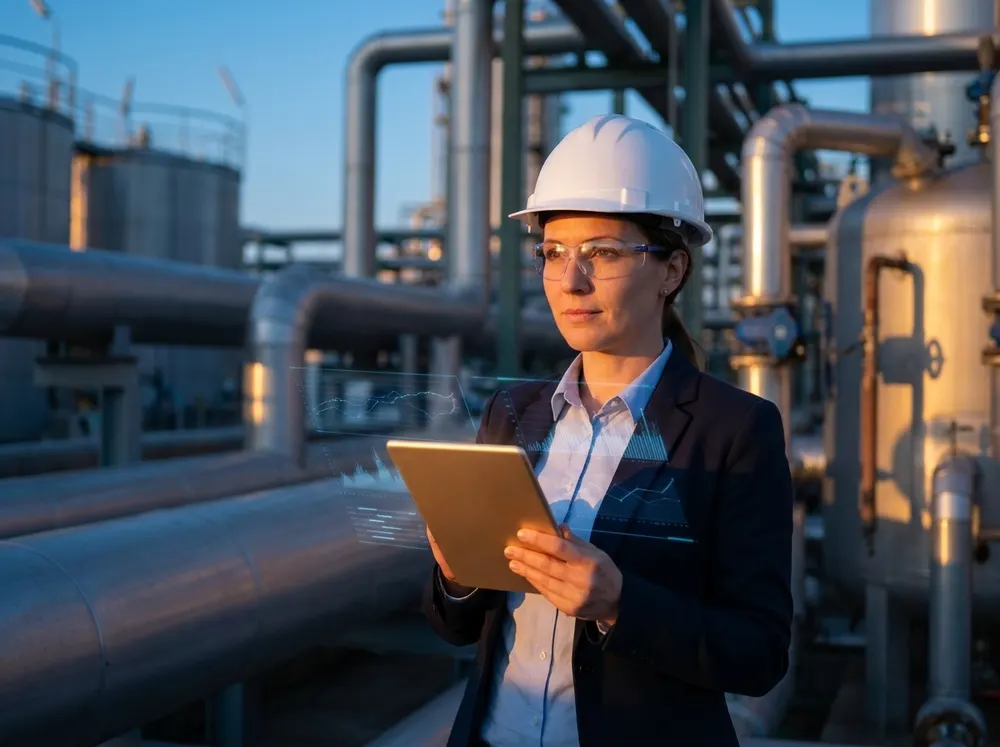
Safe intervention in the process
In process control, AI works within fixed limits, and independent safety systems come first. In chemicals, that protects people and the environment.
An AI system that adjusts a process acts in the physical world: on the temperature of a reactor, the pressure in a pipe, the speed of a robot. A wrong intervention can affect people, installations and the environment. In the process industry, AI therefore works within set safety limits, with a check on every proposed intervention. Independent safety systems that shut an installation down in a dangerous situation always take precedence, even if the AI acts wrongly. As factories run themselves, AI will also start monitoring other AI. That sharpens the question of who is responsible when a self-running installation makes a mistake.
- 26
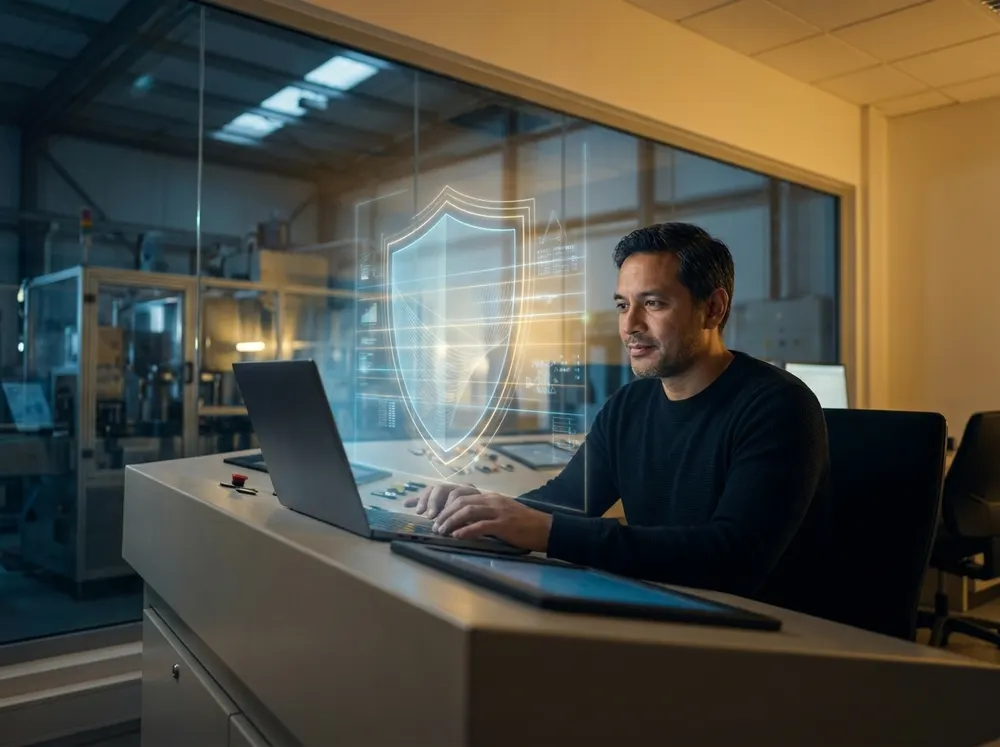
Industrial cybercrime
Criminals use AI to find weak spots in factory systems, make calls with cloned voices and halt production with ransomware.
Factories are a prized target, because every day of downtime costs a lot of money and designs and formulations are valuable loot. AI makes it easier for criminals to get into factory systems and take that information. Criminals write convincing phishing emails, make phone calls with the cloned voice of a director and use AI to hunt for weak spots in control software. An attack often reaches beyond the office: at a large brewer, a ransomware attack shut the breweries down for days and orders had to be processed by hand. The same AI that helps a fitter trace a fault in old control software helps an attacker find the weak spot in that software. Good security for data and systems is therefore part of running a factory, just like maintenance.
About the speakerRichard van Hooijdonk
Events in EuropeKeynote speaker for corporate events in Europe
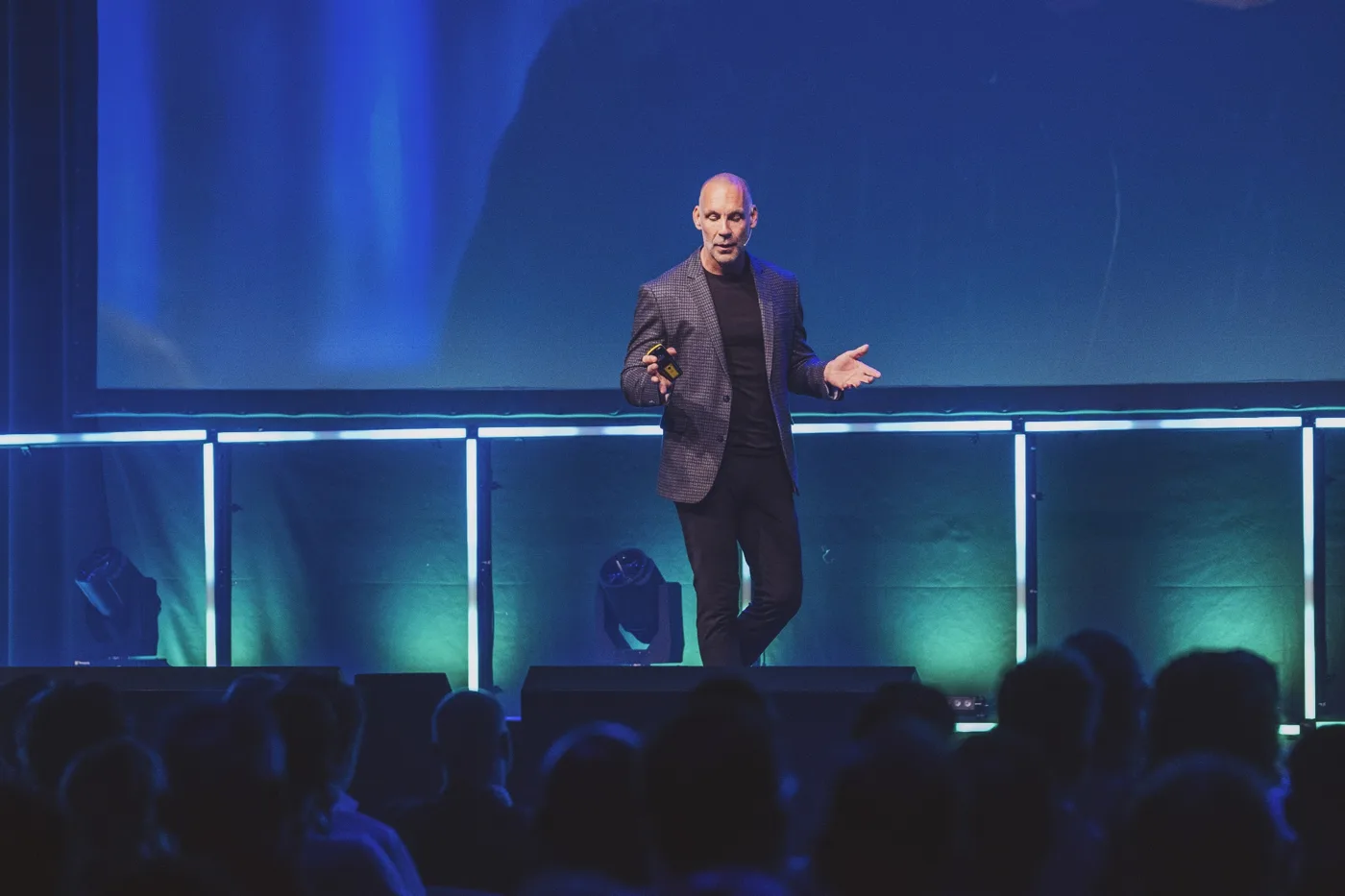
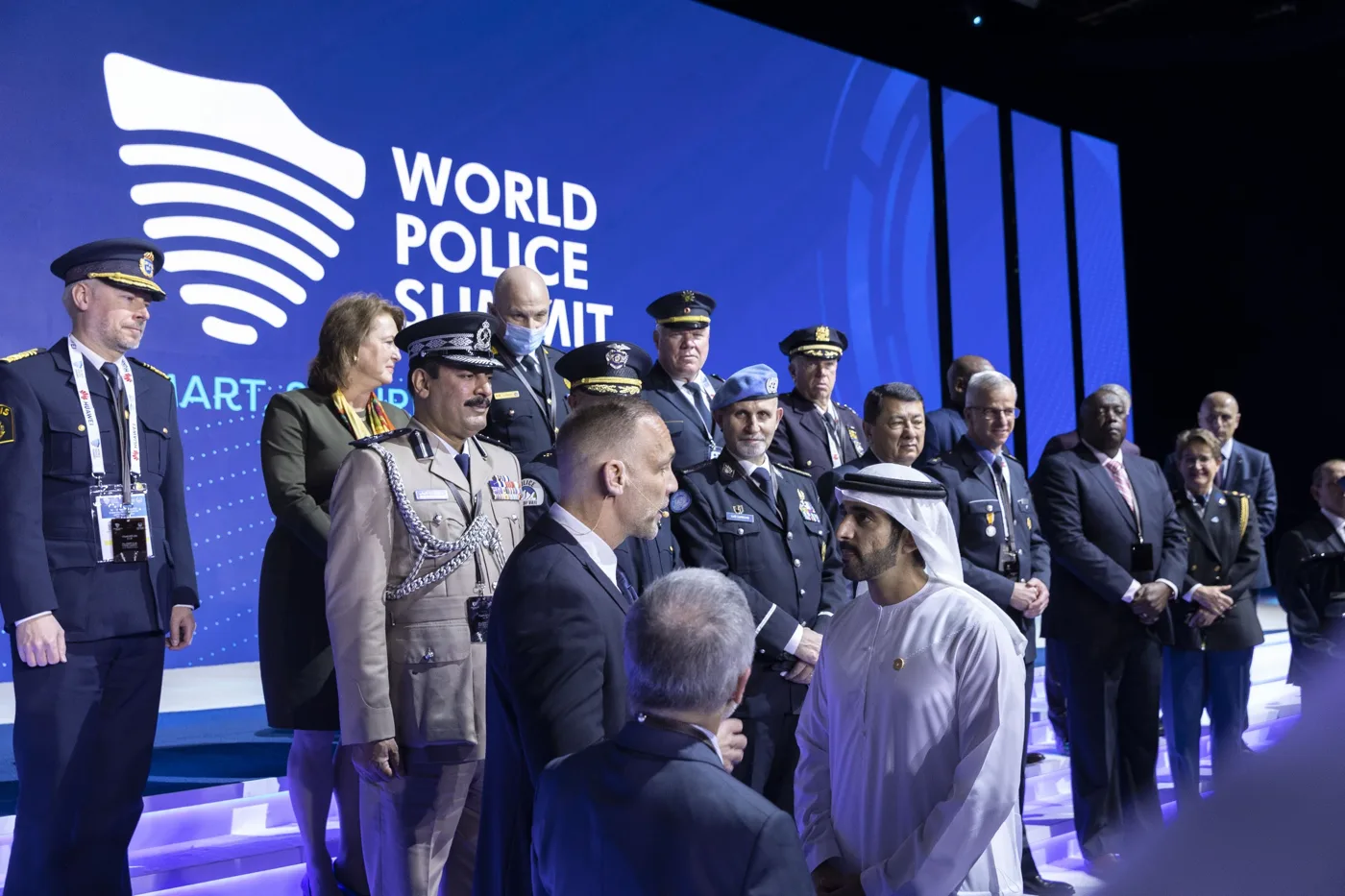
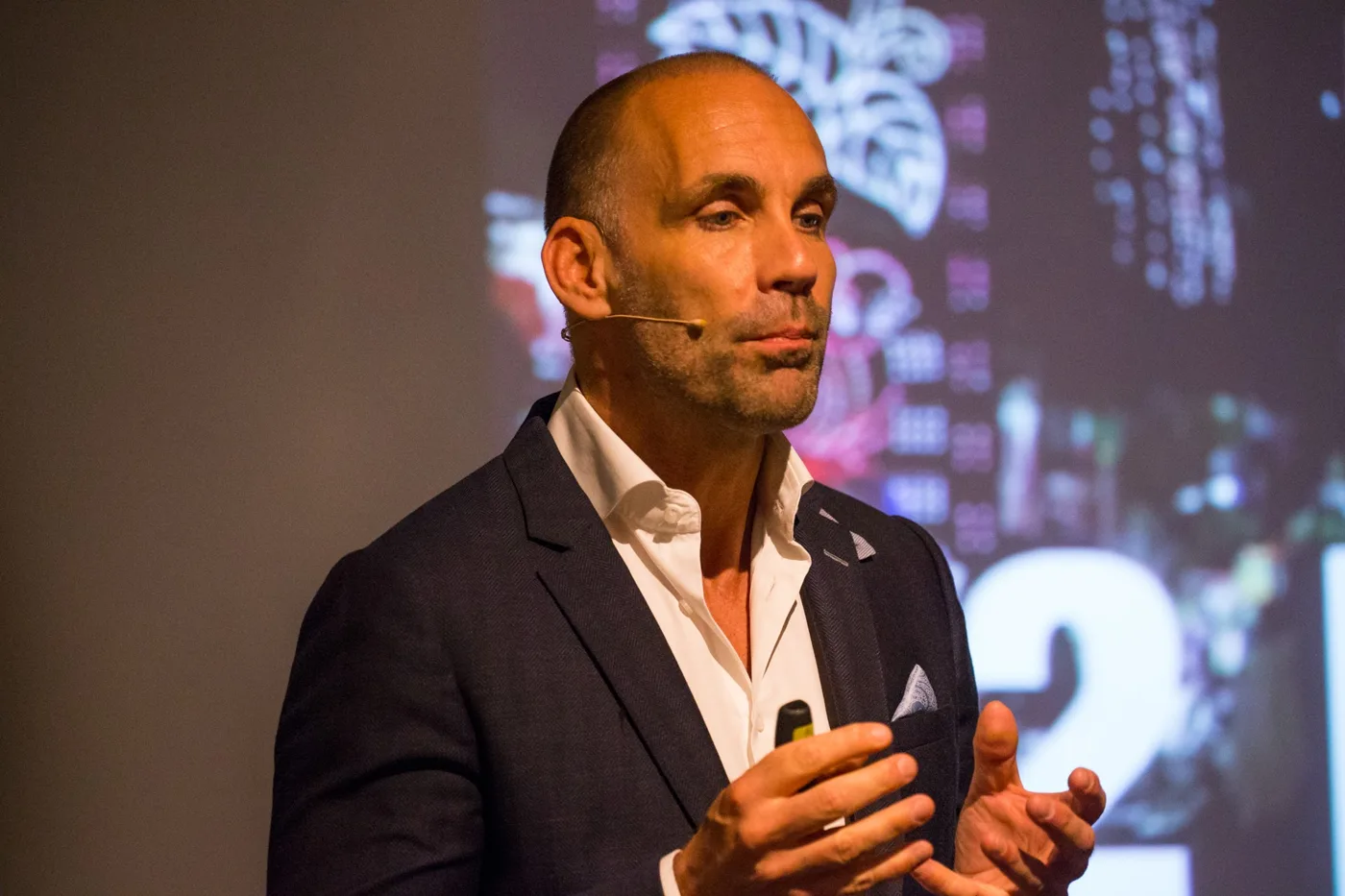
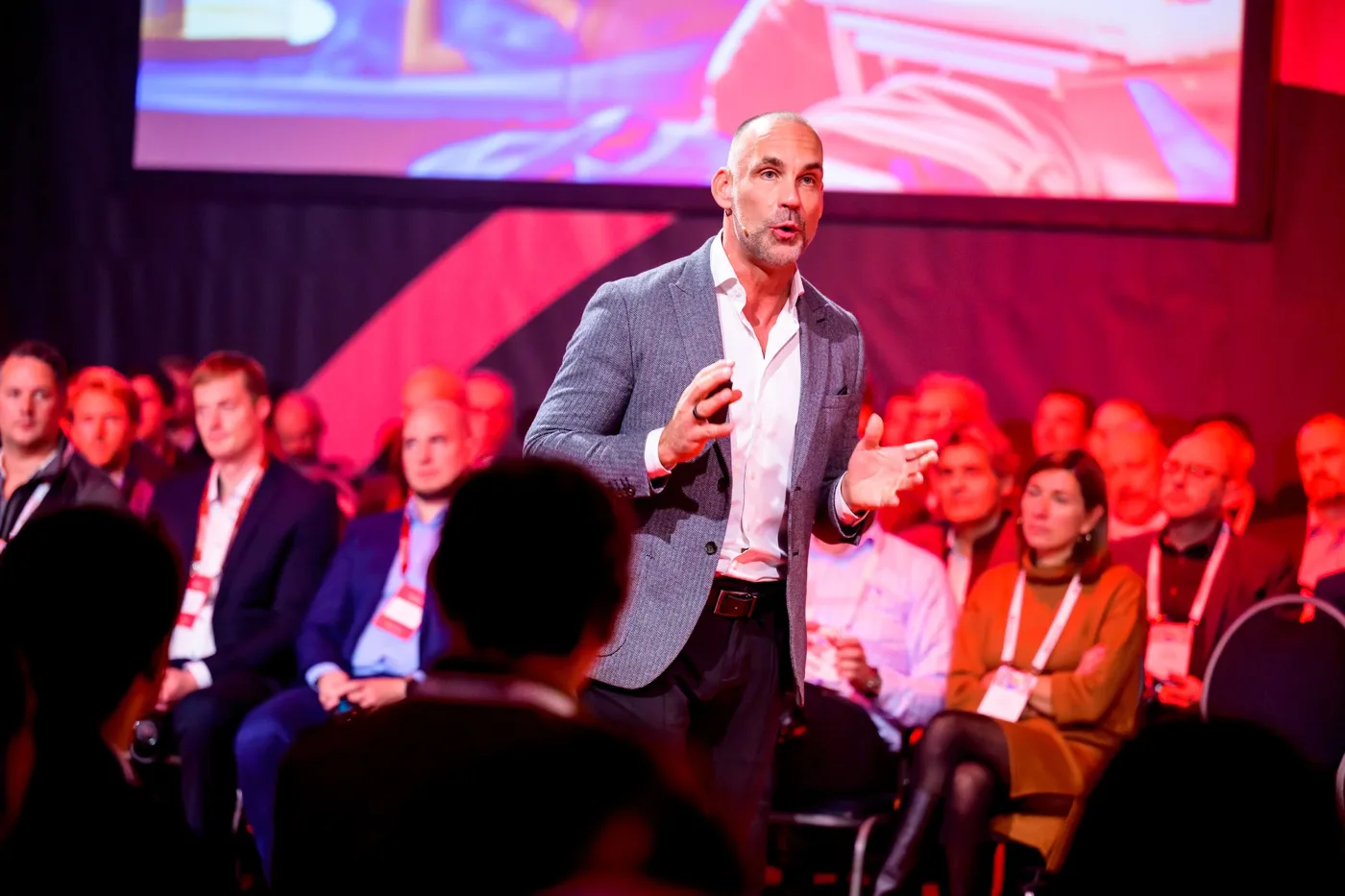
On stage
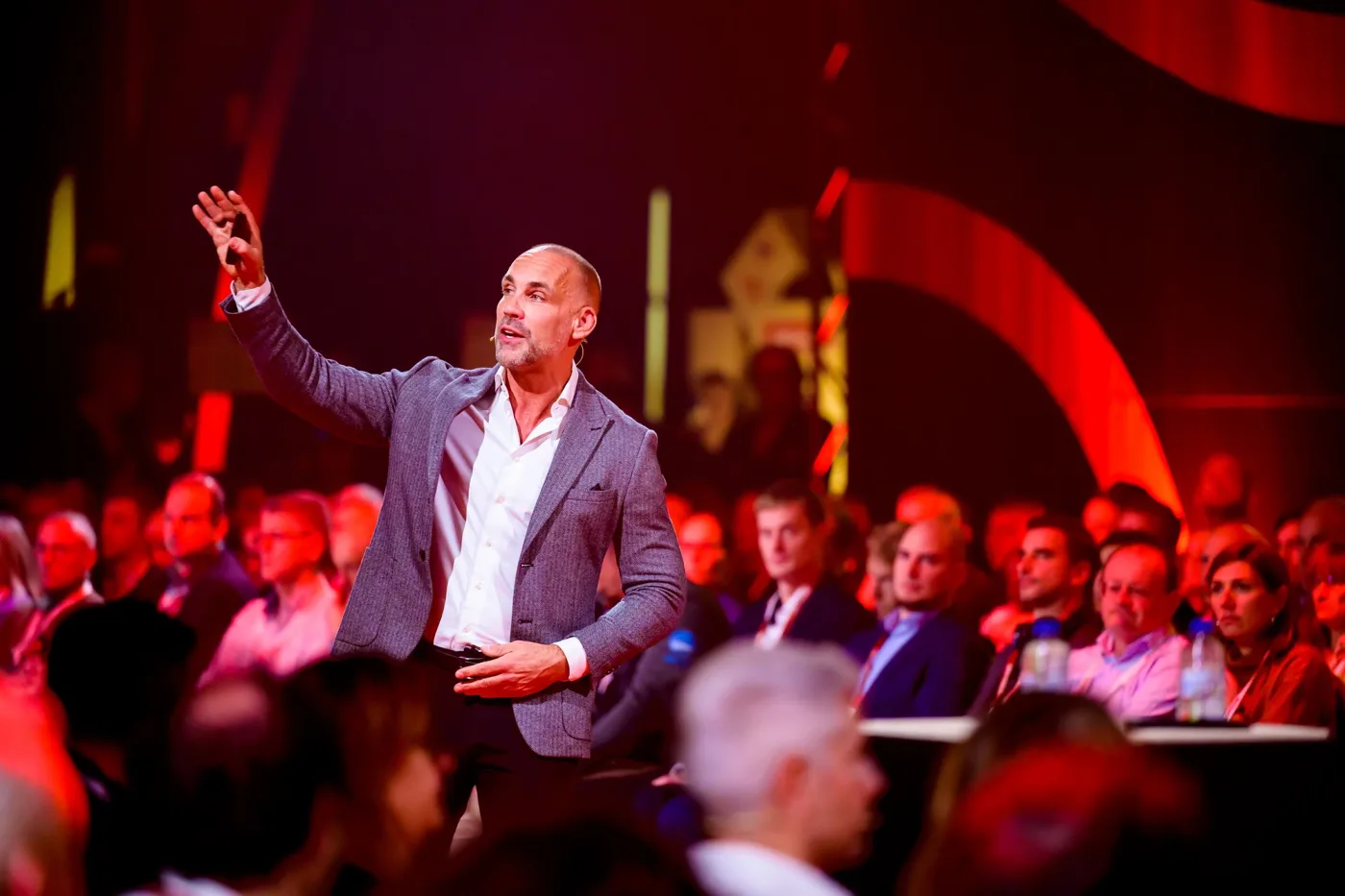
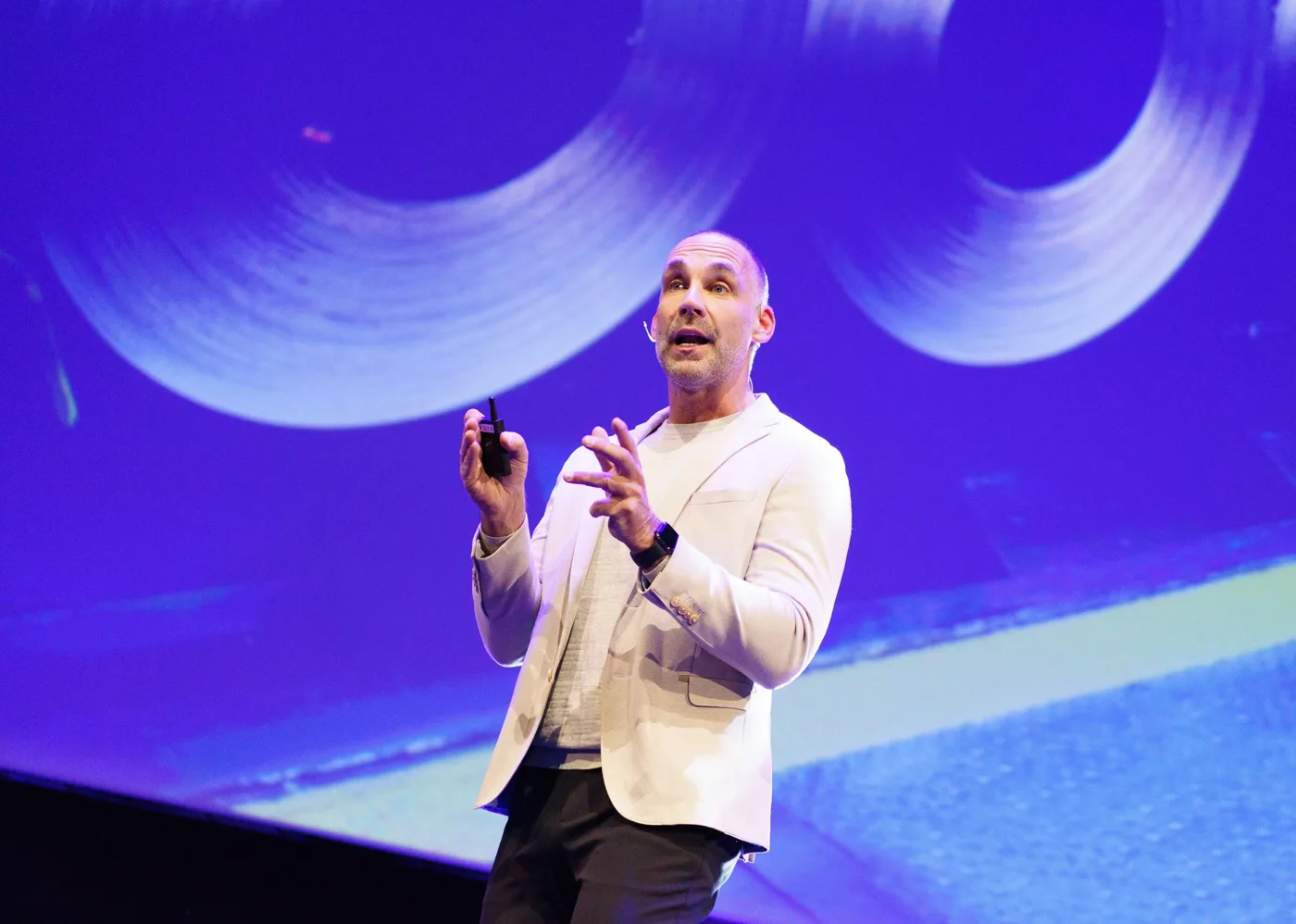
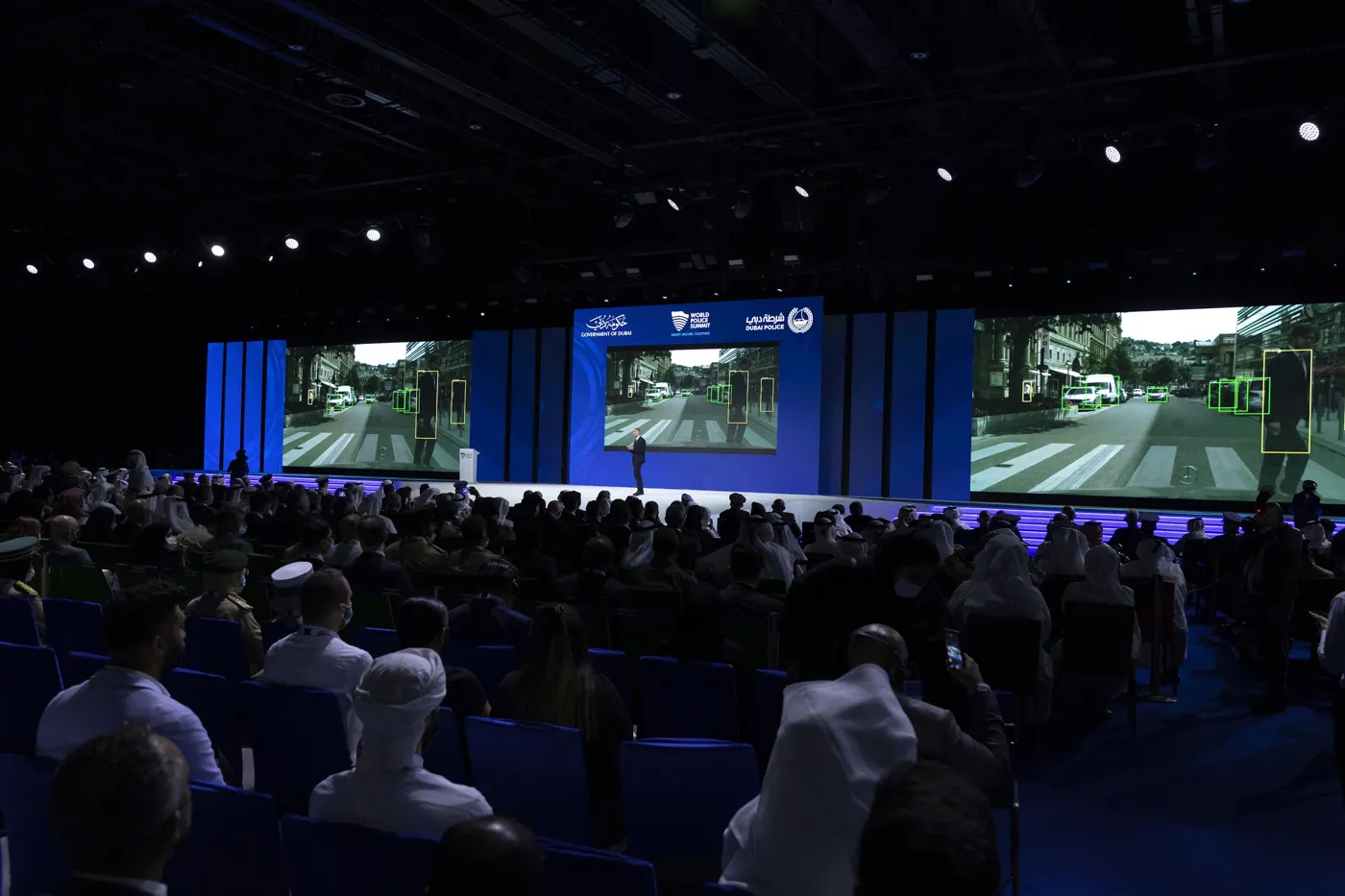
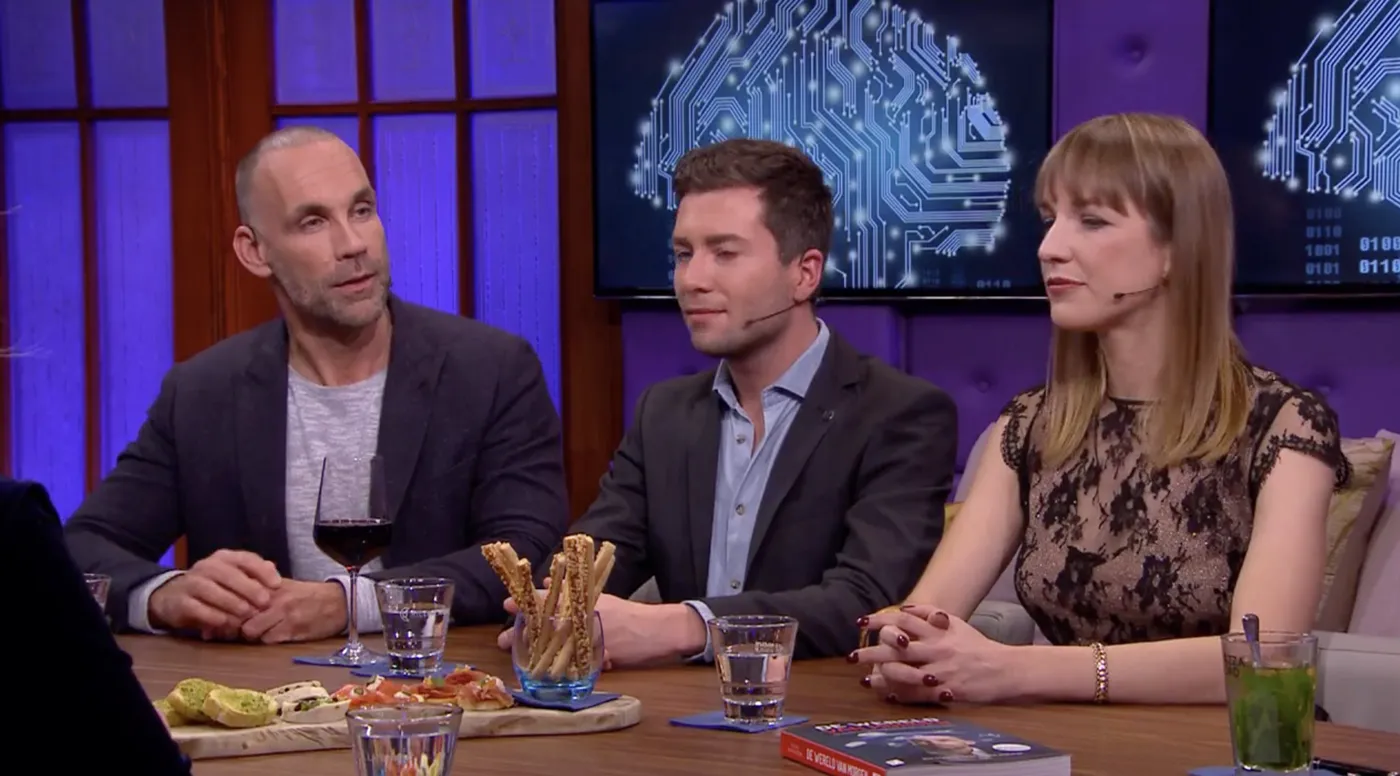
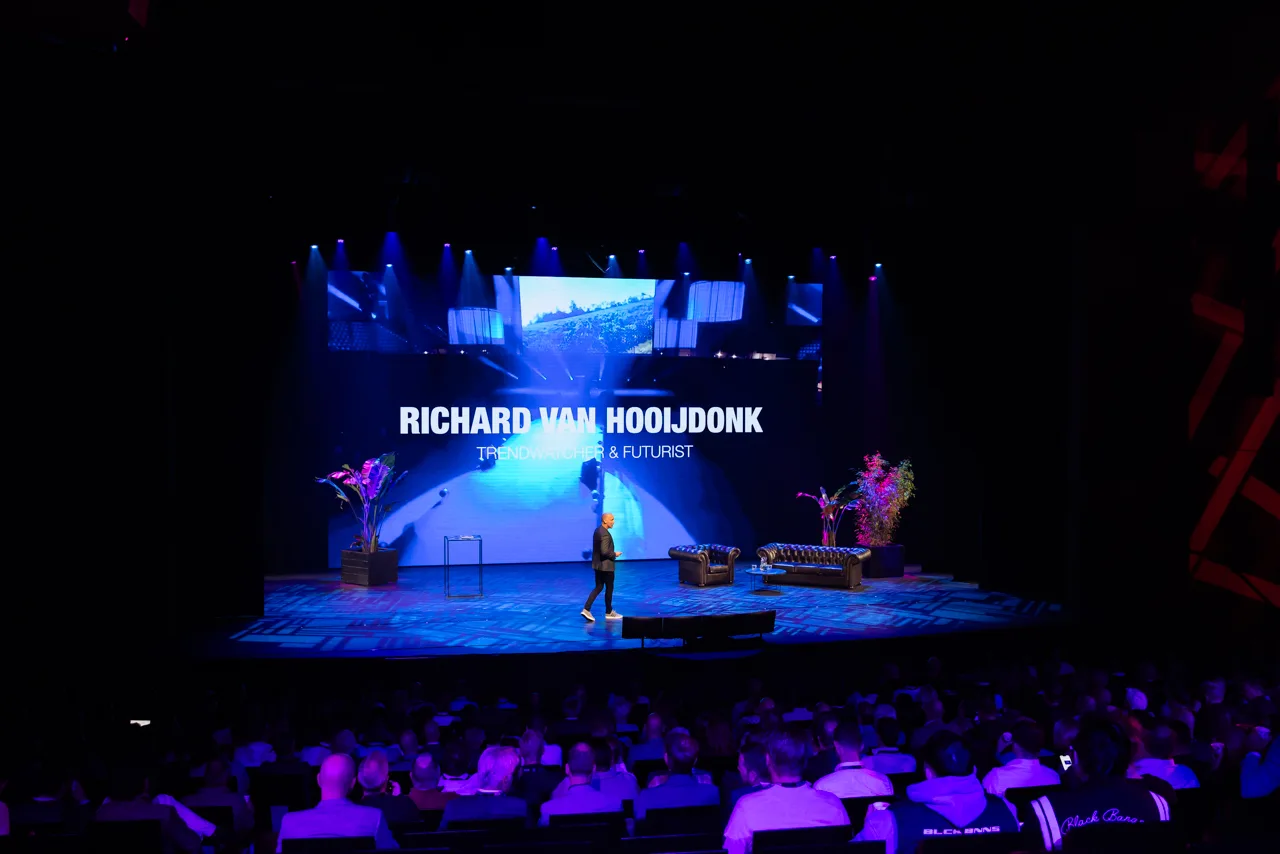
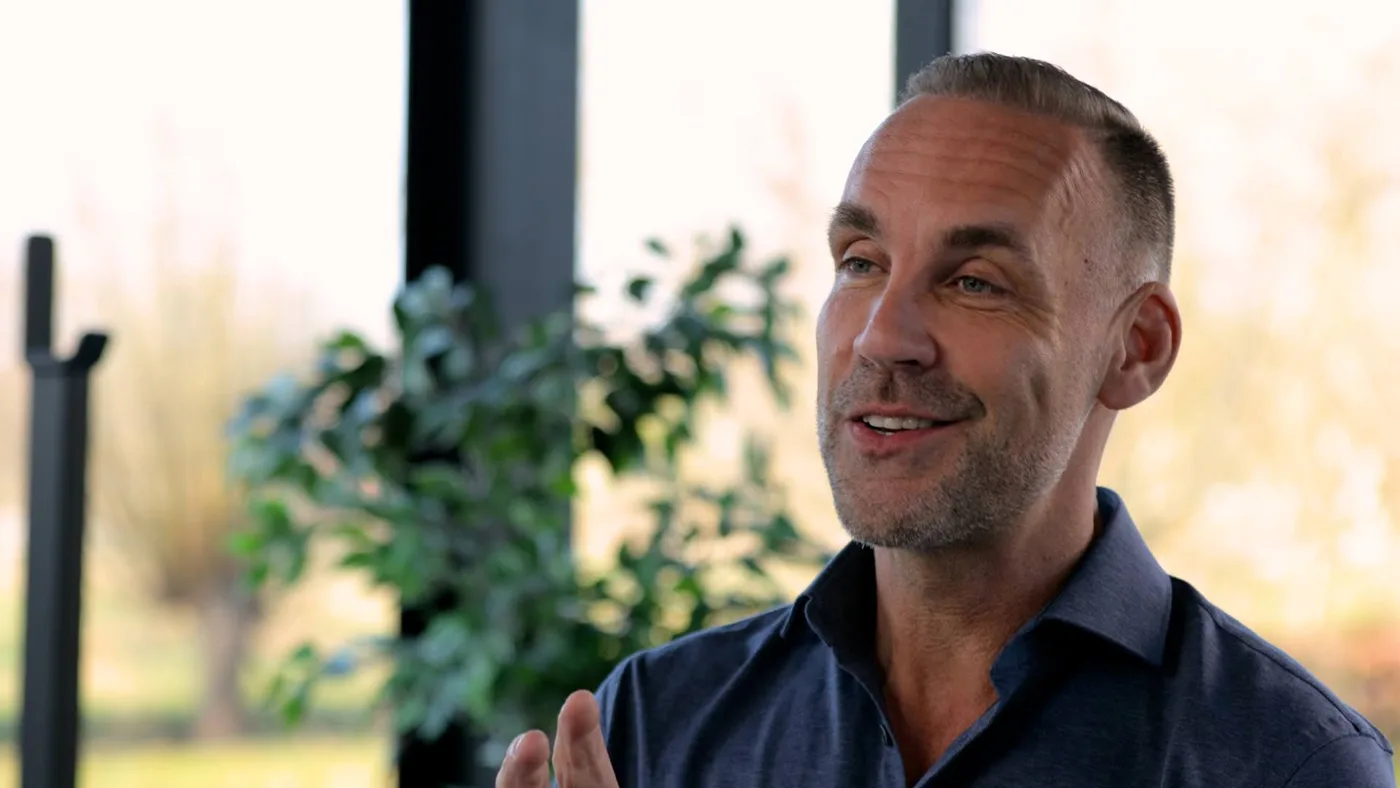
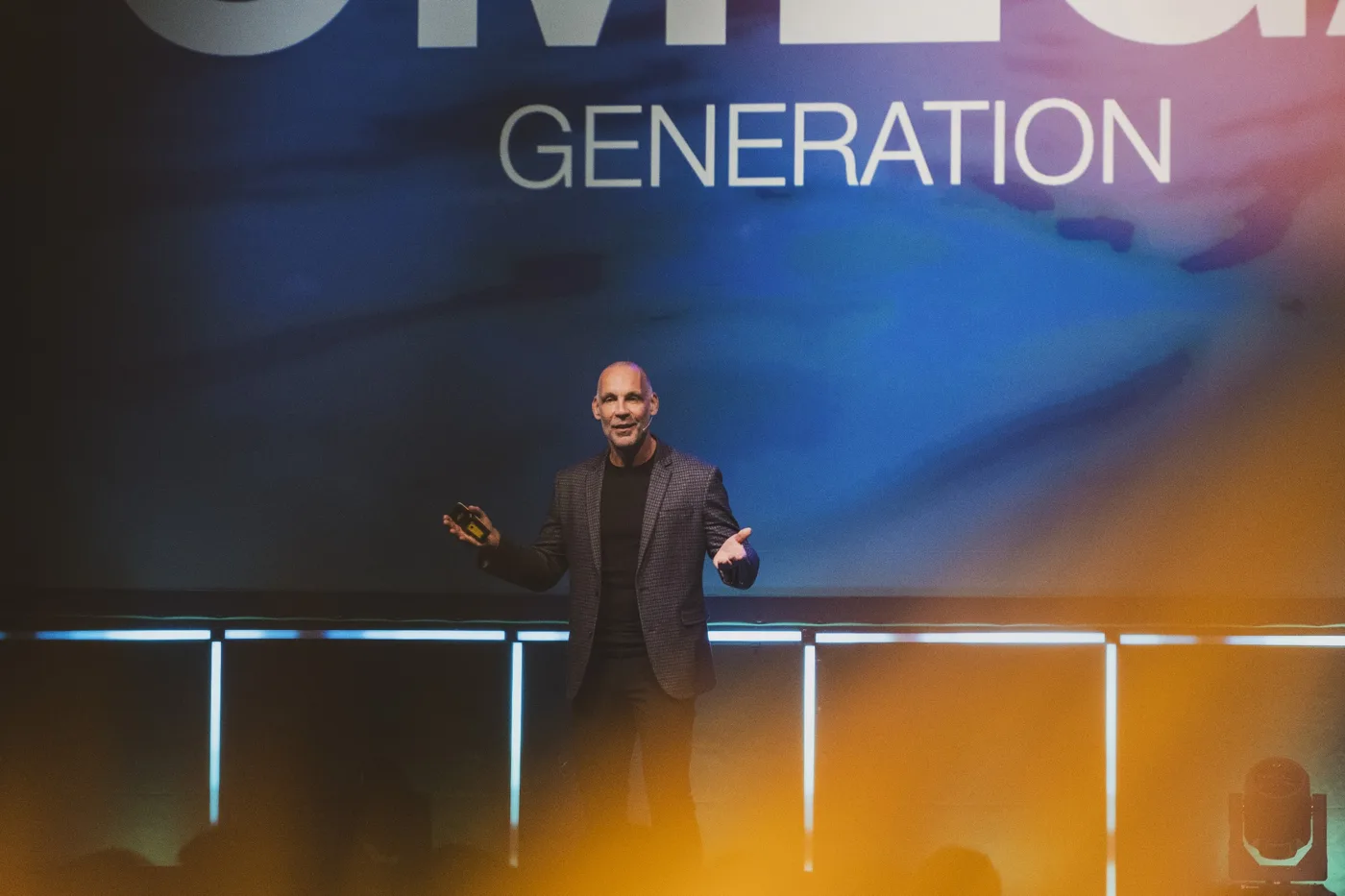
A packed conference hall, a televised panel discussion, a police summit in Dubai.
A selection of over 400 clients















What clients say

“Richard delivered an excellent presentation for the key clients we invited to Innovation Runway 2026. Engaging, interesting content, and thought-provoking statements made his presentation perfectly suited for our top relations.”Read the full review →

“Enthusiastic speaker, a good and versatile story. Everyone was ‘wowed’ by the lecture.”Read the full review →

“An impressive and noteworthy presentation for our employees and customers. The rate at which change is happening, which you eloquently brought across in your energetic speech, requires a disruptive approach. To be continued!”Read the full review →
“The symposium ‘Airpower in the Information Age’ was a great success. Nothing but positive feedback from the participants. In no small part thanks to your commitment and dedication, we were able to achieve this result.”Read the full review →

“A dazzling journey through new technology. The enthusiasm and energy during his presentation, combined with the visuals, provided a successful kick-off to our event.”Read the full review →
How a booking works
Your request
Use the form, or get in touch by phone, email or WhatsApp. A few lines are enough to get started.
We get in touch
We'd like to hear what your event looks like, who'll be in the audience and which themes interest you.
A written proposal
Covering the topic, format (on location or online), length (30, 45, 60 minutes or longer) and fee, so you can talk it over with your colleagues.
Getting to know Richard
Next, we'll find a time for the two of you to talk and brainstorm the keynote, the topics and the format. There's no charge for this.
Frequently asked questions
Who is this keynote for?
Manufacturers and machine builders, chemicals and the process industry, food and drink producers, trade associations, technology clusters, and trade fairs and conferences on production. Executives, plant managers, engineers, operators and buyers often sit side by side; the keynote is made for that audience. It also works for events for staff, customers and business partners.
What will the audience take away?
An up-to-date picture of what AI and new technology already do in factories, and scenarios for the next five to fifteen years: the factory that runs itself, humanoids working shifts, materials made to order and the factory as a materials mine. What that means for roles, shifts, leadership and training. And an honest look at the risks, from ransomware to process safety.
Does the keynote also cover the manufacturing organisation itself?
Yes, and that is often where the emphasis lies: what the operator does when machines do more on their own, how shop-floor experience gets into the systems, how a future academy trains tomorrow's skilled workers and leaders, and what that requires of leaders. A dedicated part of the keynote covers roles, the division of work between people and machines, leadership, culture and learning.
Does the keynote cover the risks of AI?
Yes, always. Ransomware that halts production, attackers using AI to find weak spots in legacy control systems, theft of designs and formulations, and how far AI itself should be allowed to intervene in a process: that other side has its own place in every manufacturing keynote.
Does the keynote suit the food and drink industry?
Yes. Food and drink producers are part of the process industry, and many topics bear directly on their work: AI inspection on the line, processes that adjust themselves continuously, new recipes with AI and scheduling around allergens. The examples are matched to the audience.
Is the keynote tailored to our organisation?
Yes. Beforehand there is an introductory call about the audience, the purpose of the event and what is happening in your organisation. A conference of machine builders gets different examples from a chemicals industry meeting or a day for your own production crews.
How long is the keynote, and can it be in English or online?
30, 45 or 60 minutes, and longer if you wish, with time for questions from the audience, in Dutch or English, in person or online. For more than a keynote, there are masterclasses, boardroom sessions for executives, board members and managers, and workshops for all employees.
How much does a keynote on AI in manufacturing cost?
Fees for international keynotes are on request. Ask for a proposal and you will hear from us within an hour on working days.
A keynote for your manufacturing event
Tell us a little about your event and who will be in the audience, and let us know the date.
Prefer to speak to us directly? Call 085 303 0792 · email talks@vanhooijdonk.com · send a WhatsApp message