 Richard van Hooijdonk

AI & the future of telecoms and connectivity
A network that senses drones and rain, carries holograms and lets AI agents call each other. How soon that becomes real depends on the people behind the network.
Choose your sector
Every keynote is tailored to a sector. Choose yours.
 Healthcare
 Government
 Defence
 Policing and security
 Smart cities
 Construction
 Mobility
 Industry 4.0
 Energy and utilities
 Logistics
 Retail
 Wholesale
 Hospitality, tourism and leisure
 Agriculture
 Financial services
 Legal
 Accountancy and advisory
 Education
 Media and entertainment
 Telecoms and connectivityYou are viewing
Is your sector not listed? We tailor the keynote to your audience. Tell us about your audience
Telecoms is moving beyond selling connections: networks now think ahead and correct themselves. AI is changing how telecoms companies prevent outages, help customers and build new services.
Futurist and trend watcher Richard van Hooijdonk looks at how AI expands what telecoms companies can do, in the network and at the customer service desk. He also shows how fibre, 5G and satellites, and soon 6G, edge computing and quantum communication, are driving an even bigger shift. Operators have used AI for years to balance traffic and trace faults. Now the pace is picking up. AI works out where the next mast or fibre route earns its keep, drones inspect transmission masts, and an assistant in the app can tell from the modem data that the problem is in the neighbourhood, not in the customer's home. The next step is taking shape: a network that senses drones and rain, carries holograms and AI agents making calls, runs AI inside the mast and becomes quantum-safe. Criminals use the same networks and the same AI, with cloned voices, SIM swaps and SMS phishing at scale. The difficult questions are about people: what the engineer does when the network runs itself, how a sector that can never go down learns to let go of the controls, and where the return on all that investment will come from. The keynote shows what is already running, what is being trialled and which scenarios lie five to fifteen years ahead. Would your organisation dare to hand the network to AI, and does it know exactly when a person has to step in?
AI in telecoms and connectivity
What AI already does today in networks, customer contact and field work.
- 01
 Applied
The network that runs itself
AI predicts peaks and faults, fixes simple errors on its own and works out where the next mast or fibre route will pay off.
A mobile network with tens of thousands of transmitters now handles more and more of its own management. AI can see from the traffic that a stadium will fill up within the hour and has extra capacity ready. When a component falters, the system reroutes the traffic and restarts it. Many operators are working towards autonomy level 4 as defined by the industry body TM Forum, at which the network manages itself within defined situations. Expansion is planned with AI as well: it combines maps, traffic data and coverage complaints, and shows which new mast or fibre route reaches the most households per euro invested. The next step is AI agents that are given a goal rather than rules, such as keeping coverage in a neighbourhood up to standard with as little power as possible.
- 02
 Applied
Fixed before you call
AI diagnoses faults remotely and fixes simple ones. In time, the customer's own assistant will sort it out with the operator's AI agent.
- 03
 Applied
Inspecting masts and cables
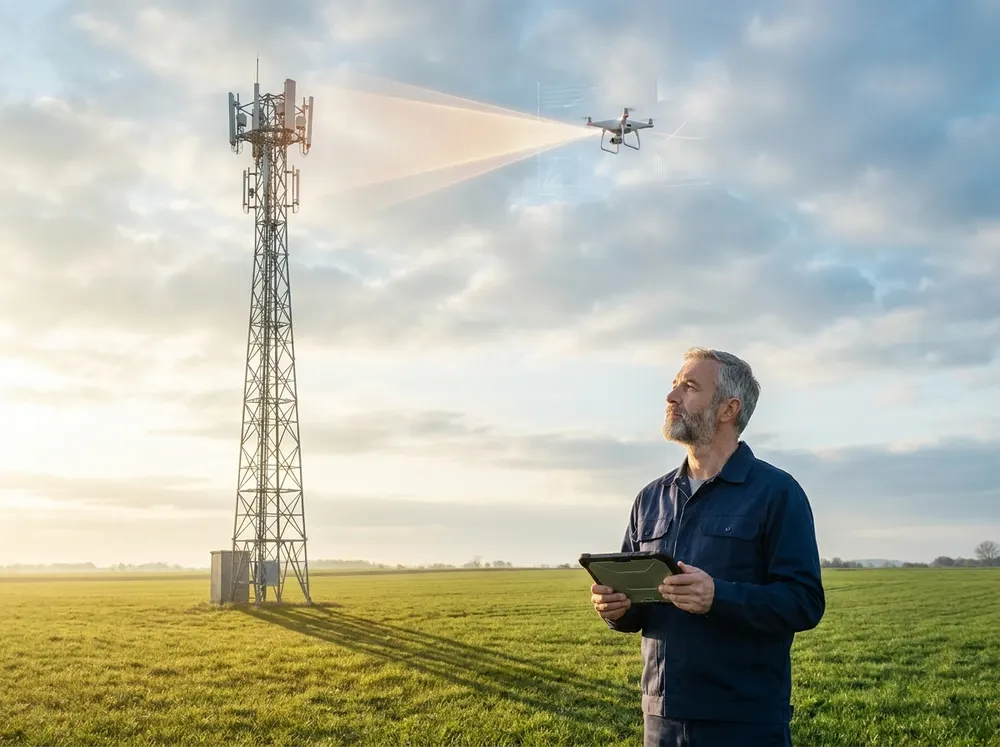
Drones and image recognition flag rust and damage on masts. Drones can already fly from a dock on their own and update a digital twin.
A close-up inspection used to mean a technician climbing the mast. Now a drone circles it in a few minutes and takes hundreds of photos. Image recognition marks visible defects such as rust, misaligned antennas or a damaged cable, and the images are turned into a three-dimensional model that shows an engineer whether there is room for a new antenna. Maintenance shifts from a fixed schedule to the places where something is actually wrong, and there is less climbing at height. The next step: drones that take off by themselves from a docking station, with no pilot on site, and a digital twin of every mast that keeps itself up to date.
- 04
 Applied
Energy-efficient networks
AI matches the network's power use to demand. The next step: networks that match their use to solar and wind power and help the grid.
A mobile mast uses a lot of power, even when hardly anyone is calling or streaming. AI forecasts how much traffic each transmitter will carry over the coming hours. When an office district goes quiet at night, the system temporarily switches off some antennas or frequencies and neighbouring transmitters pick up the traffic. When demand rises, they are back on within a short time. The cooling in the cabinets next to the mast is managed more efficiently too. The next step goes further. For 6G, near-zero power use by sleeping radio components is a design goal. Networks will also match their electricity use to sun and wind, partly with batteries at the masts. Telecoms then becomes a flexible customer that helps the grid.
- 05
 Applied
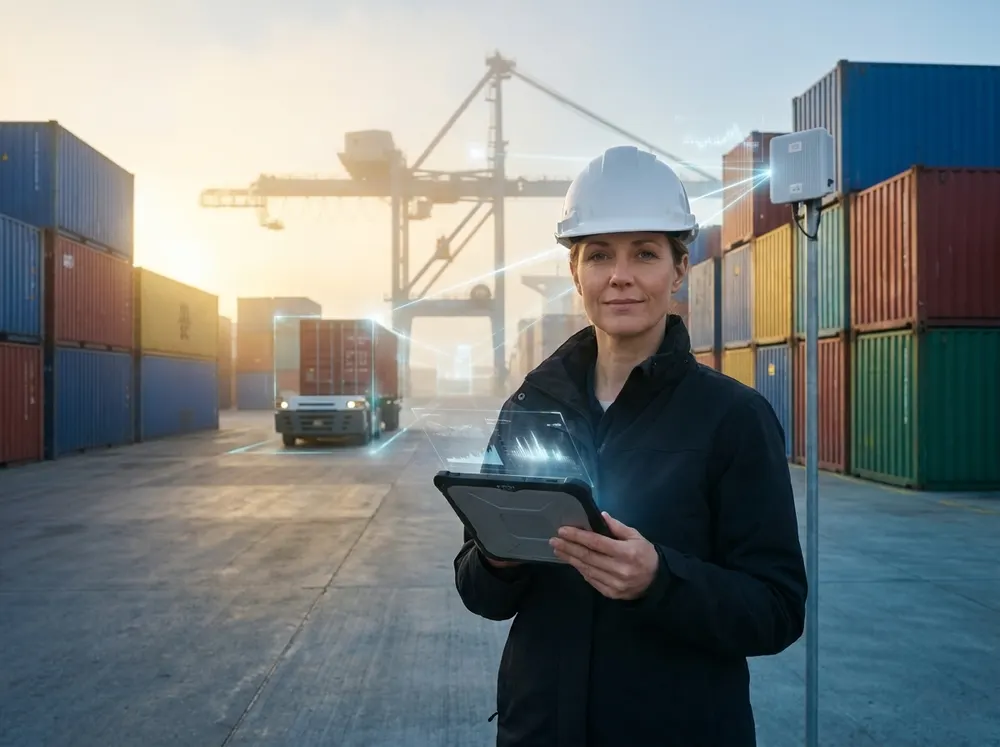
Private 5G for ports and factories
A private 5G network connects robots and vehicles on one site. Without cables, a production line is far quicker to rebuild.
Ports, factories, mines and airports are getting their own mobile networks, with their own access rules and their own agreements on capacity. Among steel containers and machinery, such a network is often more reliable than wifi. Driverless vehicles, remotely operated cranes, cameras and thousands of sensors stay connected, and AI adjusts the network when a robot needs more bandwidth. In a port, container carriers drive between quay and storage without a driver, and a crane operator works the crane from an office. The next step: factories where wireless links replace the cables between machines. A production line can then be switched to a different product overnight.
The future of telecoms and connectivity
Where connectivity could be in five to fifteen years, with AI as the engine.
- 06
 Future scenario
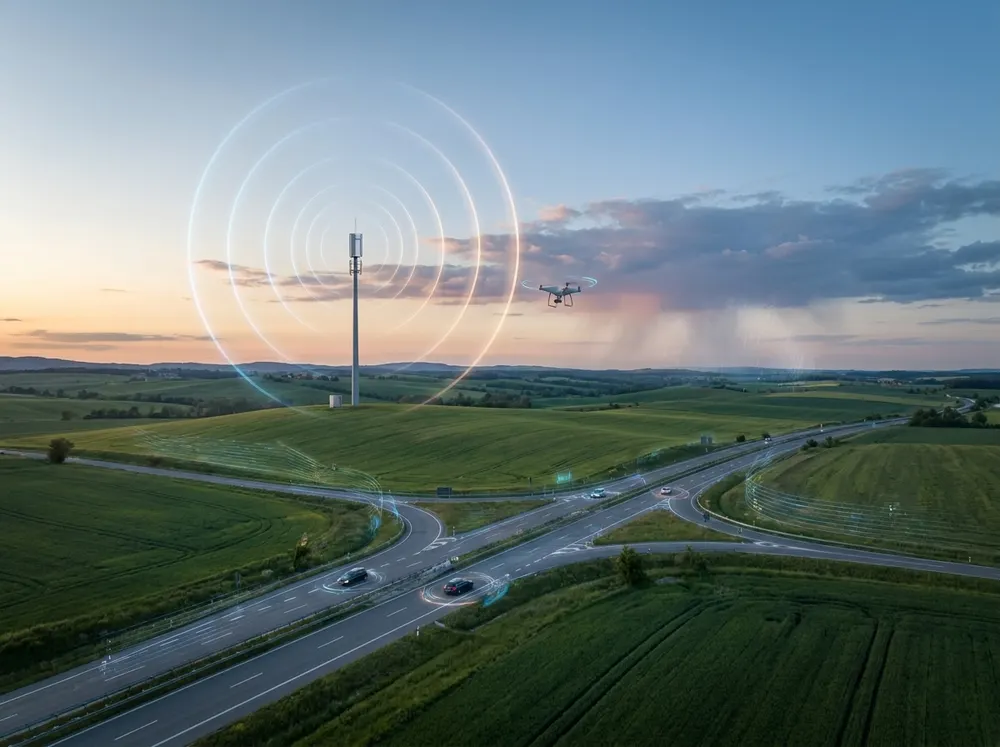
The network as a sensor
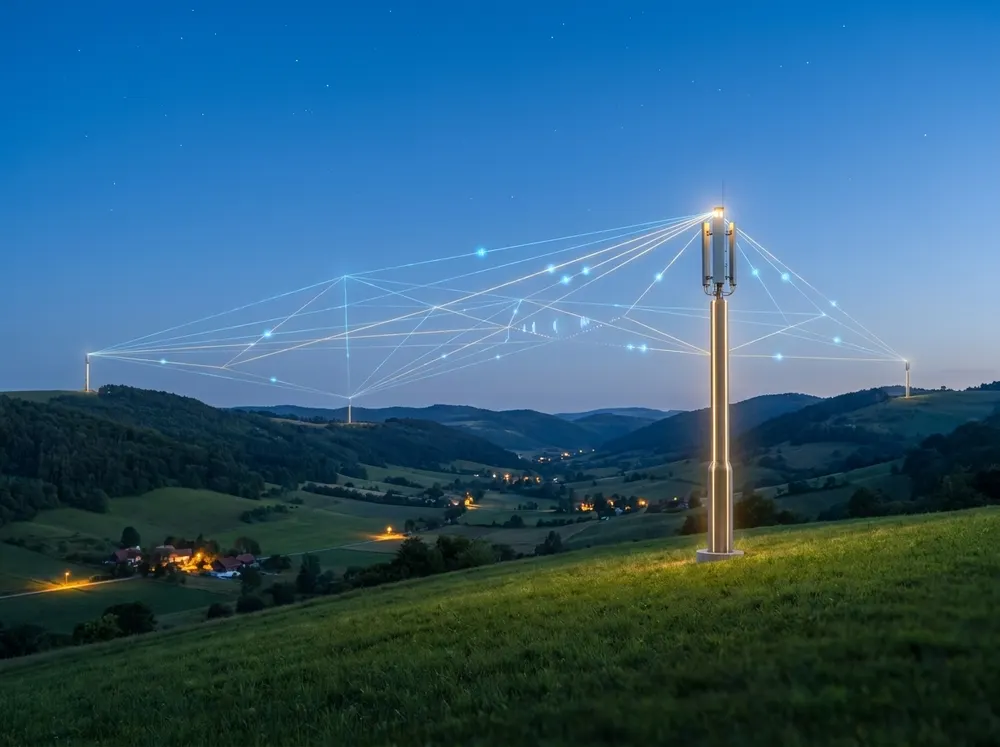
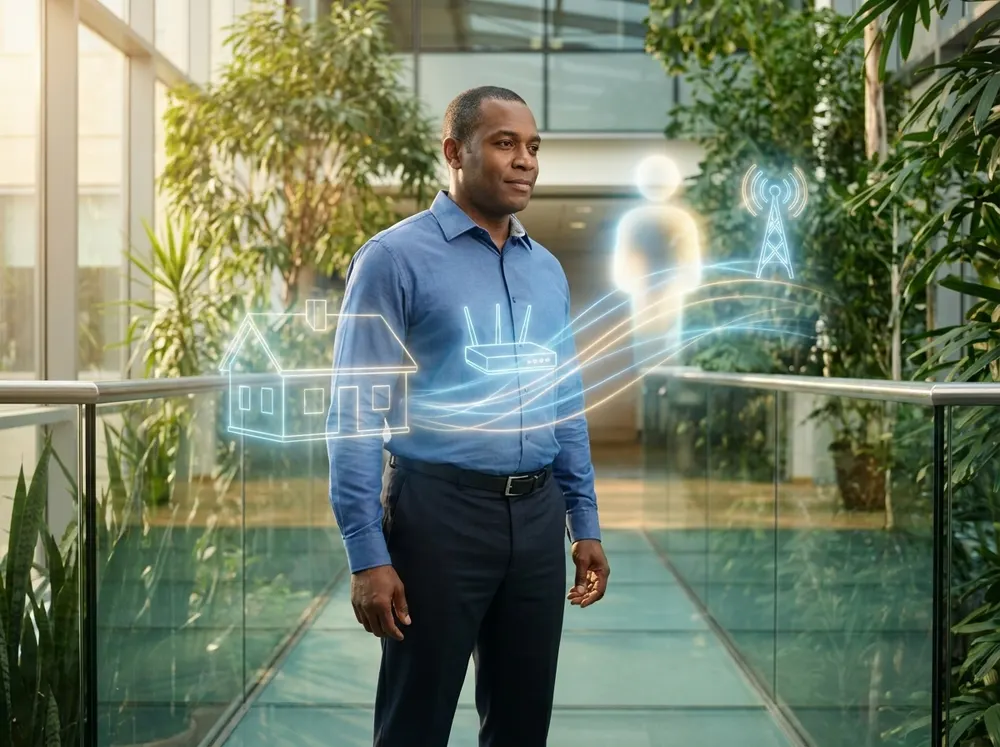
Radio waves that carry data can also detect drones, traffic and rain. Around 2040, the mobile network is a sense organ too.
Every radio wave a mobile network sends bounces off whatever it meets along the way. Read that echo and you have radar without adding radar. In 5G-Advanced trials, masts have already detected drones, and researchers have measured rainfall for years from the way rain weakens the microwave links between masts. Sensing is on the agenda for 6G, with the first specifications expected around 2028. The scenario for 2040: the network spots a drone straying from its route, counts cyclists at a junction, notices that someone has fallen at home and measures minute by minute where a shower is falling. Transmitters become sense organs. Besides connectivity, the operator then sells sensing, to emergency services, traffic management and weather services.
- 07
 Future scenario
Holograms on the line
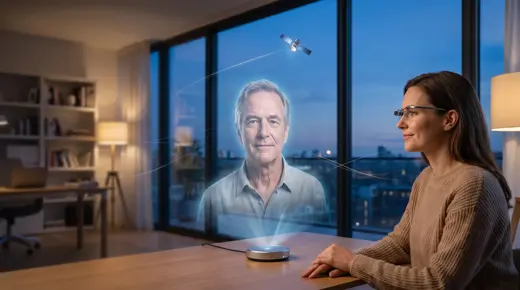
A screen on sale since 2025 shows the other person life-size in 3D. Next, a colleague joins you as a hologram, seen through lightweight glasses.
Since 2025, a screen for 3D video calls has been on sale. It shows the other person life-size and with depth, as if they were sitting across the table. AI turns the images from several cameras into a three-dimensional model in real time. Sales of lightweight AI glasses are growing fast at the same time. The scenario for 2040: a meeting, a GP appointment or a visit to a grandparent happens with a hologram in the room, seen through glasses that are barely distinguishable from ordinary ones. For the network, the balance flips: every pair of glasses and every camera is constantly sending images upstream. 6G researchers expect such calls to need many times today's capacity. Distance becomes a setting.
- 08
 Future scenario
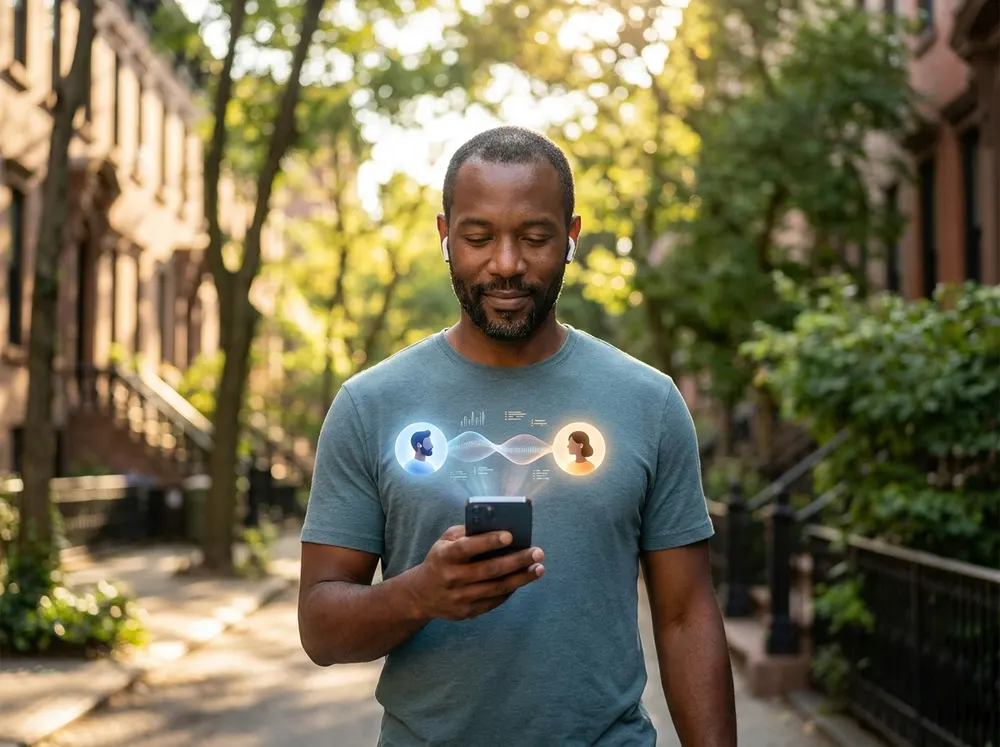
AI agents calling AI agents
Calls are already translated live in the network. Around 2040, AI agents call each other for you, and your avatar speaks many languages in your voice.
Operators have recently started offering live translation during an ordinary phone call, processed in the network itself rather than on the handset. Assistants already phone businesses on their user's behalf to check prices and availability. The scenario for 2040: much of the calling happens between AI agents, which make appointments, compare quotes and handle complaints. People who still make their own calls speak through an avatar that handles many languages, in their own voice and intonation. The network becomes more than a line: it confirms which AI agent is speaking for whom, translates, and records what was agreed. The phone call, the sector's oldest service, is once again where operators add value.
- 09
 Future scenario
Quantum in the network
The EU wants high-risk uses quantum-safe by 2030. Around 2040, quantum links also run through the fibre network.
Quantum computers may one day break the encryption the network relies on today. A European roadmap from 2025 aims to make high-risk uses, such as those in critical infrastructure, quantum-safe by 2030 at the latest. A second technique uses particles of light to exchange keys, so that eavesdropping on the quantum link can leave measurable traces. In 2016 one country became the first to launch a quantum satellite, and in 2024 researchers entangled quantum nodes across tens of kilometres of existing fibre. The scenario for 2040: operators supply quantum-safe connections to banks, hospitals and governments, and the first quantum networks link quantum computers together. Besides bits, the network then carries entanglement, and telecoms becomes a quantum industry.
- 10
 Future scenario
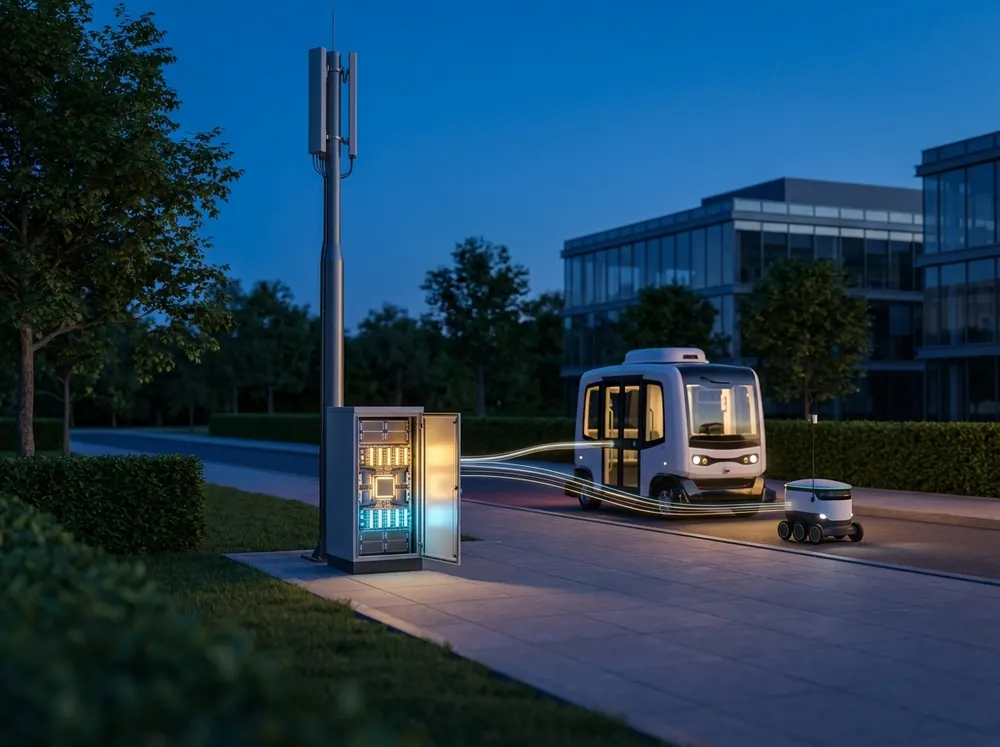
The network as an AI computer
Operators are putting AI chips in exchanges and, in time, in masts. Around 2040, much of the AI runs in the network, close to demand.
Since 2024, operators and chipmakers have been building networks in which the same AI chips process the radio signal and run AI services. Operators already rent out computing power in their exchanges and regional data centres as a sovereign AI cloud. The scenario for 2040: billions of glasses, cars, robots and AI agents need AI that answers within milliseconds, and much of it runs in the network itself. A driverless bus draws computing power from the next mast down the road; a factory robot gets its image recognition from the local exchange. The network becomes a distributed computer, and the operator sells intelligence by the millisecond alongside connectivity by the gigabyte. An operator can then offer hospitals and governments AI that keeps sensitive data within the region.
- 11
 Future scenario
The network that designs itself
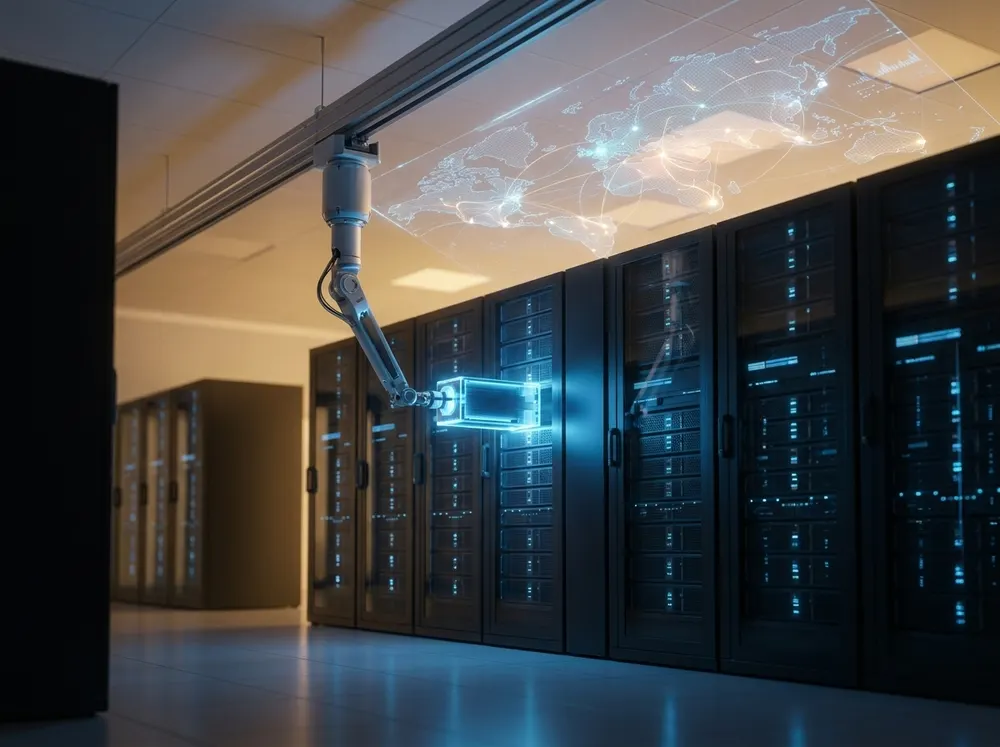
Operators are working towards networks that manage themselves. Around 2040, AI agents and robots design, build and repair much of the network.
Large operators report that parts of their networks reach autonomy level 4: within defined situations, the network manages itself. Full autonomy, level 5, is the next horizon. The scenario for 2040: AI agents design the network's expansion themselves, model hundreds of variants, test them in a digital twin and carry them out overnight. Drones inspect masts, robots swap faulty parts in exchanges, and a fault is fixed before anyone notices it. Engineers steer by goals instead of settings: coverage, energy, reliability. The network becomes a system that improves itself, and the profession moves from operating it to deciding what it should aim for.
The network is becoming a sense organ, a computer and the place where AI agents call each other. What an operator makes of that depends on its people, and on a culture that can be reliable and bold at the same time.
Richard van Hooijdonk
The telecoms organisation of the future
What AI asks of roles, teams, leadership and culture at operators and network builders.
- 12
The AI-first organisation
AI systems and agents predict faults and balance traffic. Engineers and customer service staff focus on major changes and on customers.
- 13

New roles in telecoms
New roles: designers of network agents, stewards of the network as a sensor, quantum network engineers and builders of holographic services.
When the network handles much of its own management, the work of the people who run it changes. The engineer who used to adjust settings transmitter by transmitter now writes the rules and software that tune thousands of transmitters at once. New services bring roles that barely exist yet. The network agent designer decides which goals and permissions an AI agent gets. The steward of network sensing decides who may see what once the network becomes a sensor. The quantum network engineer builds links that exchange keys using particles of light, and the holographic service designer makes three-dimensional calls possible. Experience keeps its value: someone who has spent years fixing outages knows the exceptions a model still misses.
- 14
People and AI in the network centre
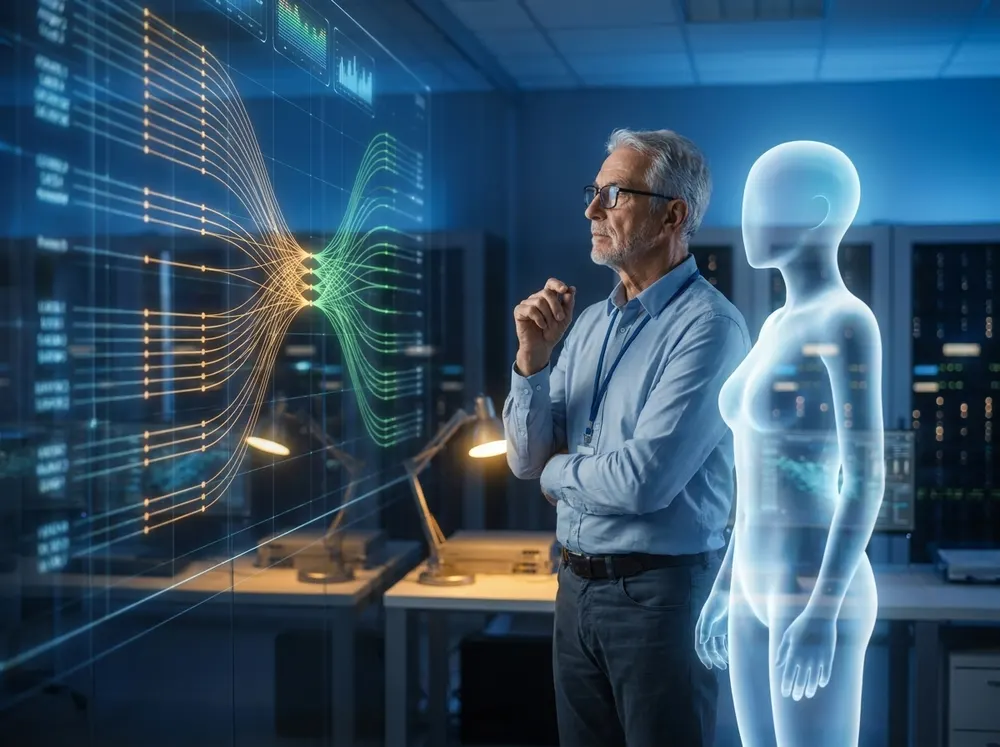
AI groups alarms and fixes simple faults; engineers lead the major interventions. In time, the night shift may have no one on it.
A network operations centre receives thousands of alarms every day. In a team of people and AI, the system filters those alarms, merges reports with the same cause into one incident and points to the likely source. It fixes a simple fault itself; for a bigger problem, an assistant proposes a solution and the engineer approves it or steps in. AI takes on the repetitive and the deeply analytical work. The engineer does what people are good at: judging, choosing and leading the recovery after a major outage. The picture for 2040: a network centre with nobody in it at night, and engineers who spend the day on the anomalies the system could not explain by itself.
- 15

Leadership in telecoms
Leaders in telecoms take the initiative on AI and new technology, and bring their people with them to build tomorrow's networks together.
A network that runs itself needs leaders who are out in front. They take the initiative on AI and new technology and show where the company is heading: which work the network will soon do by itself, and where engineers, field technicians and customer service make the difference. That picture of the future has to hold up in the network centre and at the foot of the mast. Leaders make it tangible with a first application everyone can see working, and give teams room to experiment. That is how they get their people building tomorrow's networks together.
- 16

Into the future as an ecosystem
Tomorrow's infrastructure is built worldwide with start-ups, scientists, partners and governments. Working together speeds up innovation.
The other side responsibility and risk
Network data, a network that must always work, and criminals who use AI to abuse it.
- 17

Data as the foundation
In telecoms, data already drives the business. Every part of the organisation has its data available, so AI agents can work well here.
- 18
A network that never stops
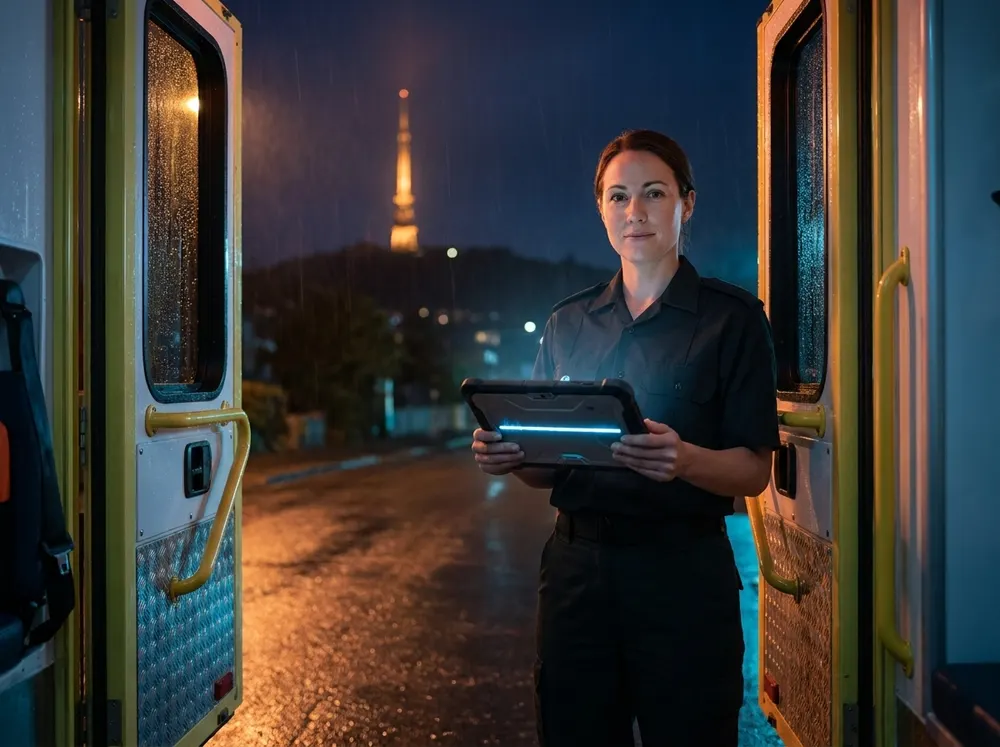
Emergency services, hospitals and banks depend on the network. One faulty automated change can spread across thousands of transmitters in minutes.
The telecoms network is critical infrastructure: payments, calls to the emergency number and data exchange between hospitals all depend on it. As AI steers more of the network by itself, that steering has to be as reliable as everything else. One error in an automated change can spread across thousands of transmitters in minutes. An outage in 2022 showed how serious the consequences can be: after a maintenance update, a major operator's network went down for about a day, for millions of customers, and in many places the emergency number and card payments stopped working too. New rules on network and information security therefore require risk management and incident reporting. The more the network steers itself, the more its reliability matters.
- 19
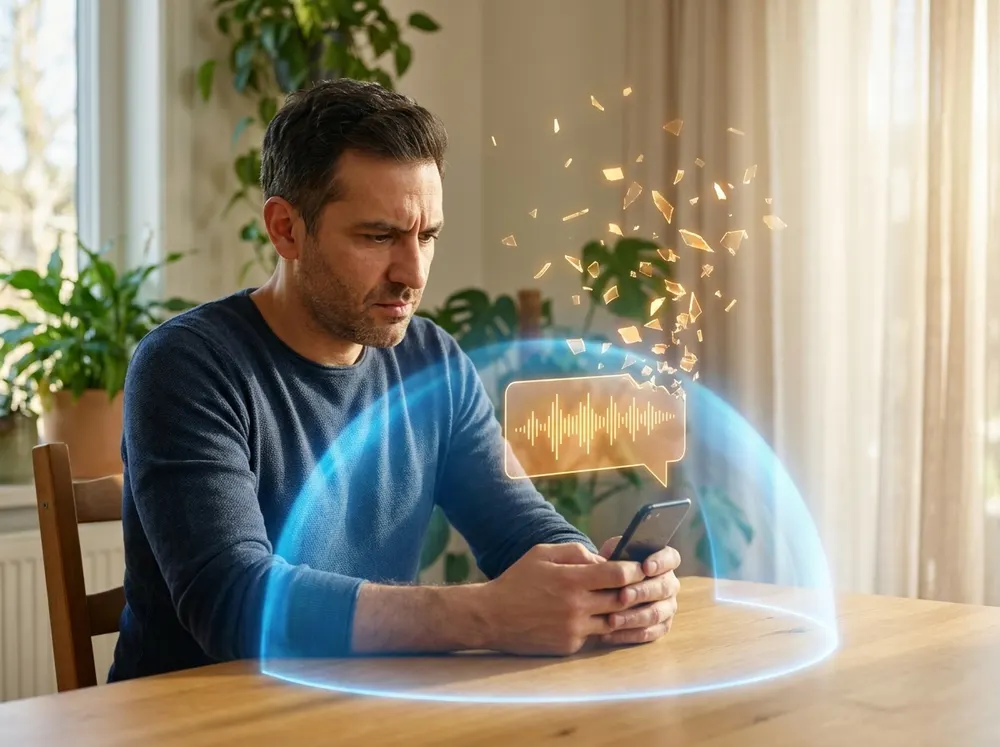
Attacks on the network
AI makes it easier for criminals to reach customer data and networks: through SMS phishing, cloned voices, ransomware and hacks of core networks.
Telecoms networks are critical infrastructure, and they draw criminals and state-backed hackers. AI makes it easier for them to get at valuable data. A fraudster clones a relative's voice from a short recording, language models write flawless SMS phishing in thousands of variants, and ransomware can take an operator's systems offline. In 2024, state-backed hackers turned out to be inside the networks of several large operators. The same AI that helps an operator find one wrong setting among thousands of transmitters helps an attacker find a weak spot in those same networks. In the AI era, good security is a core task for every operator. And once avatars make calls, the network also has to establish who, or which AI agent, is on the line.
About the speakerRichard van Hooijdonk
Events in EuropeKeynote speaker for corporate events in Europe
On stage
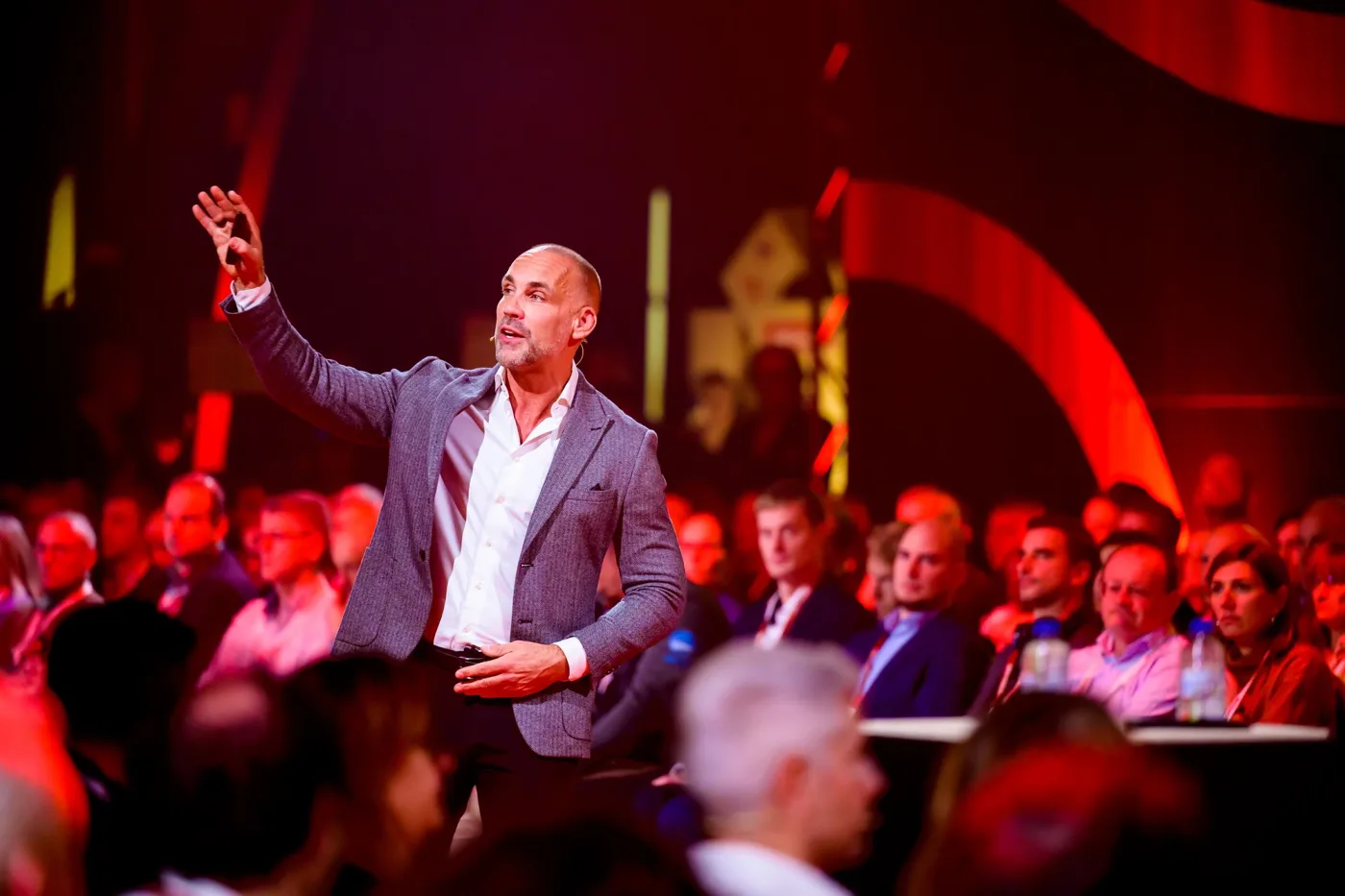
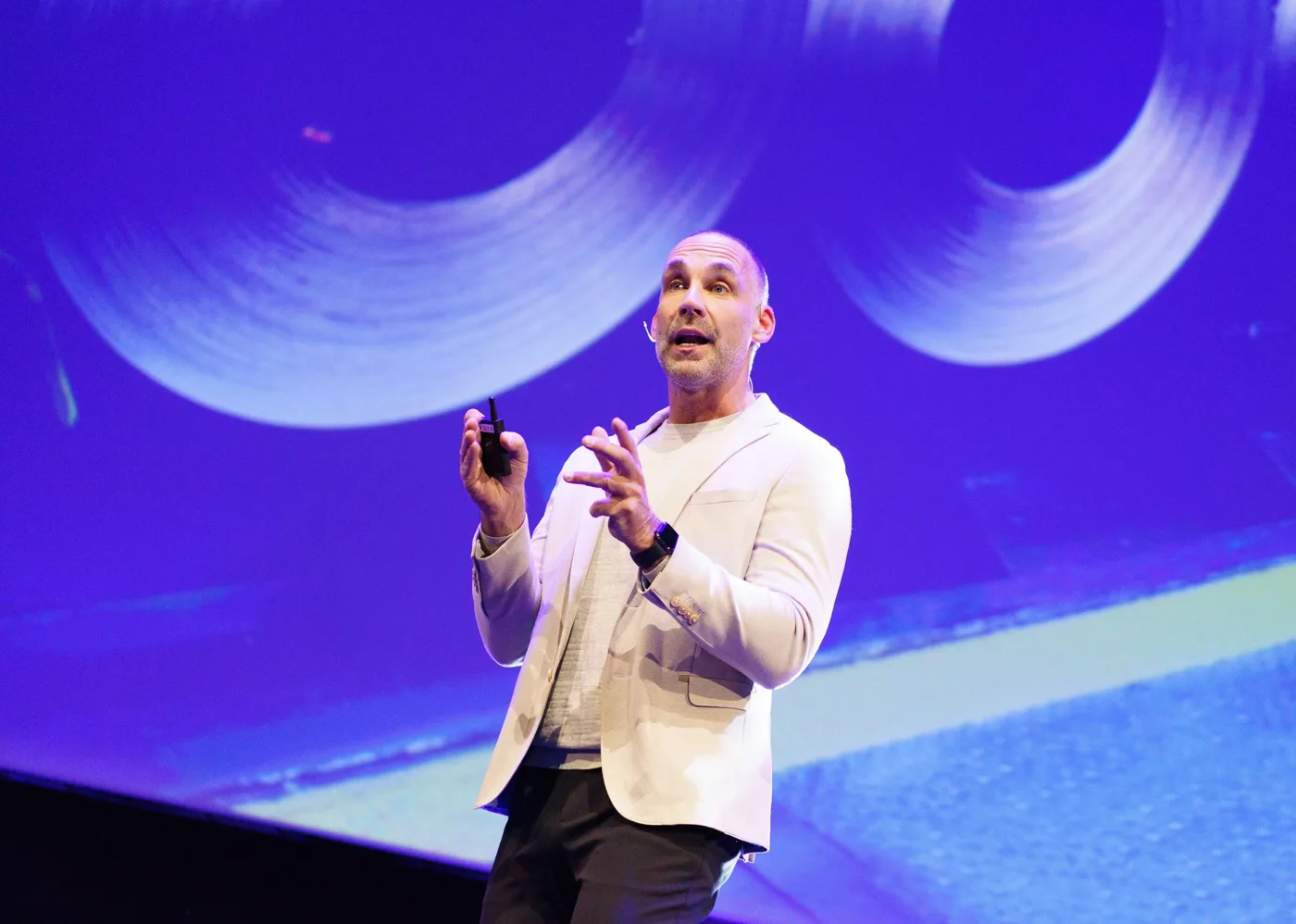
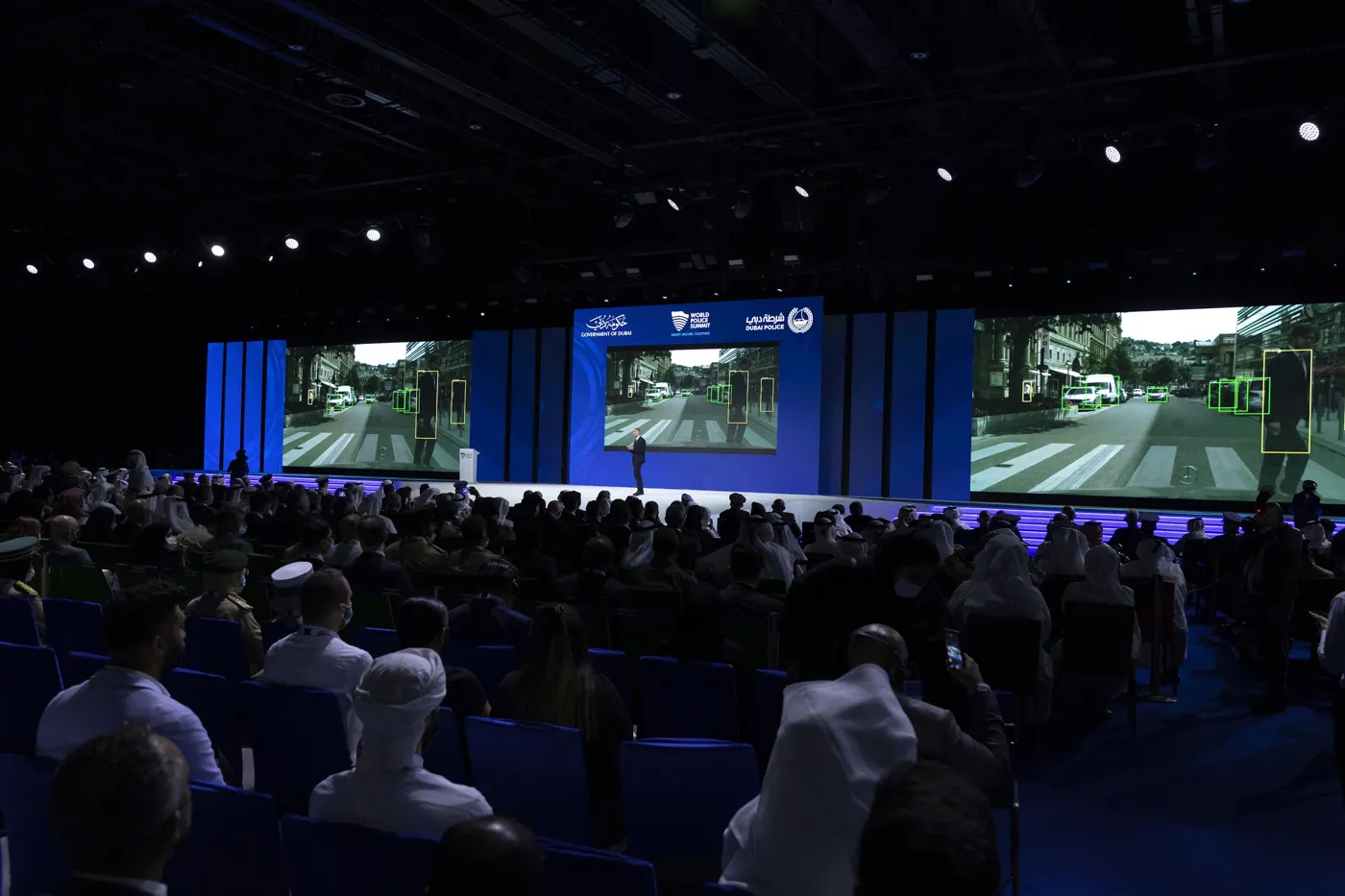
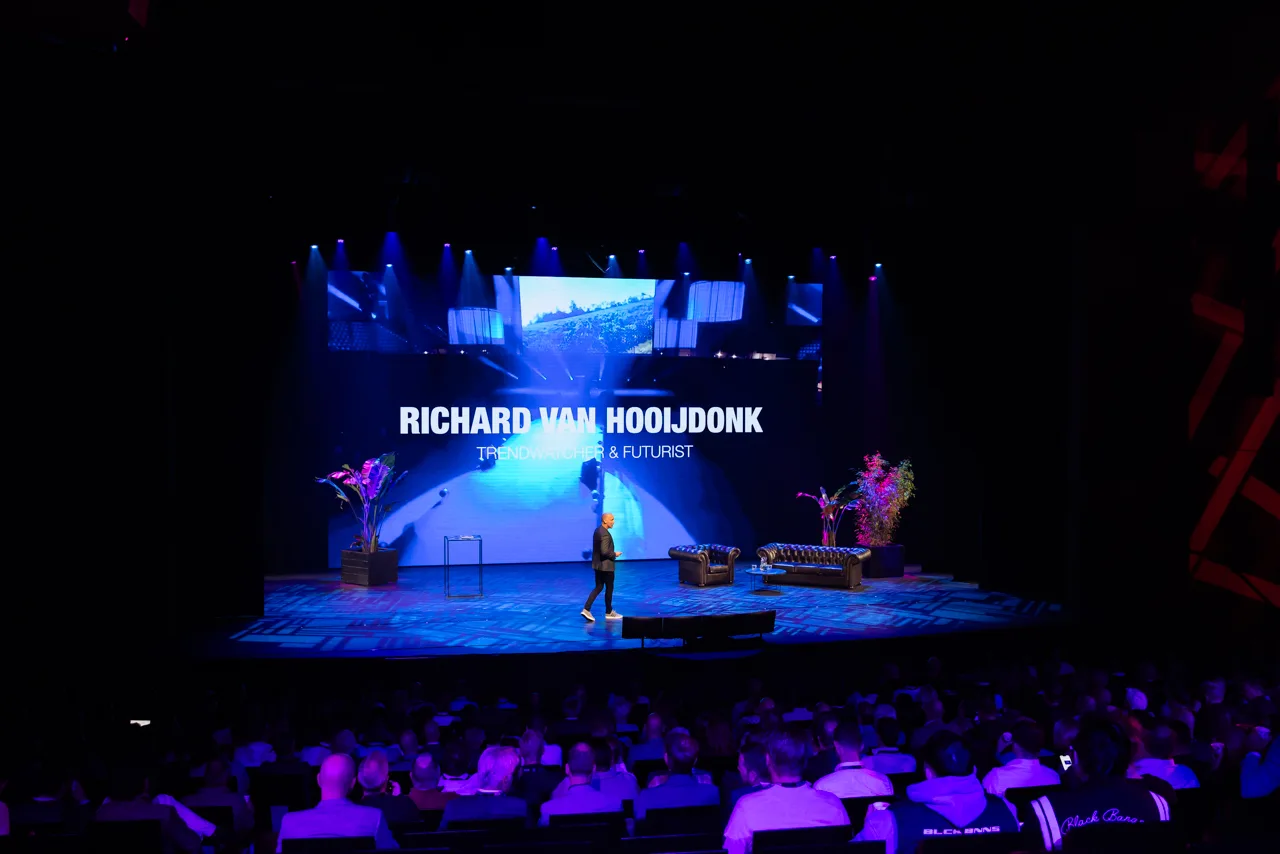
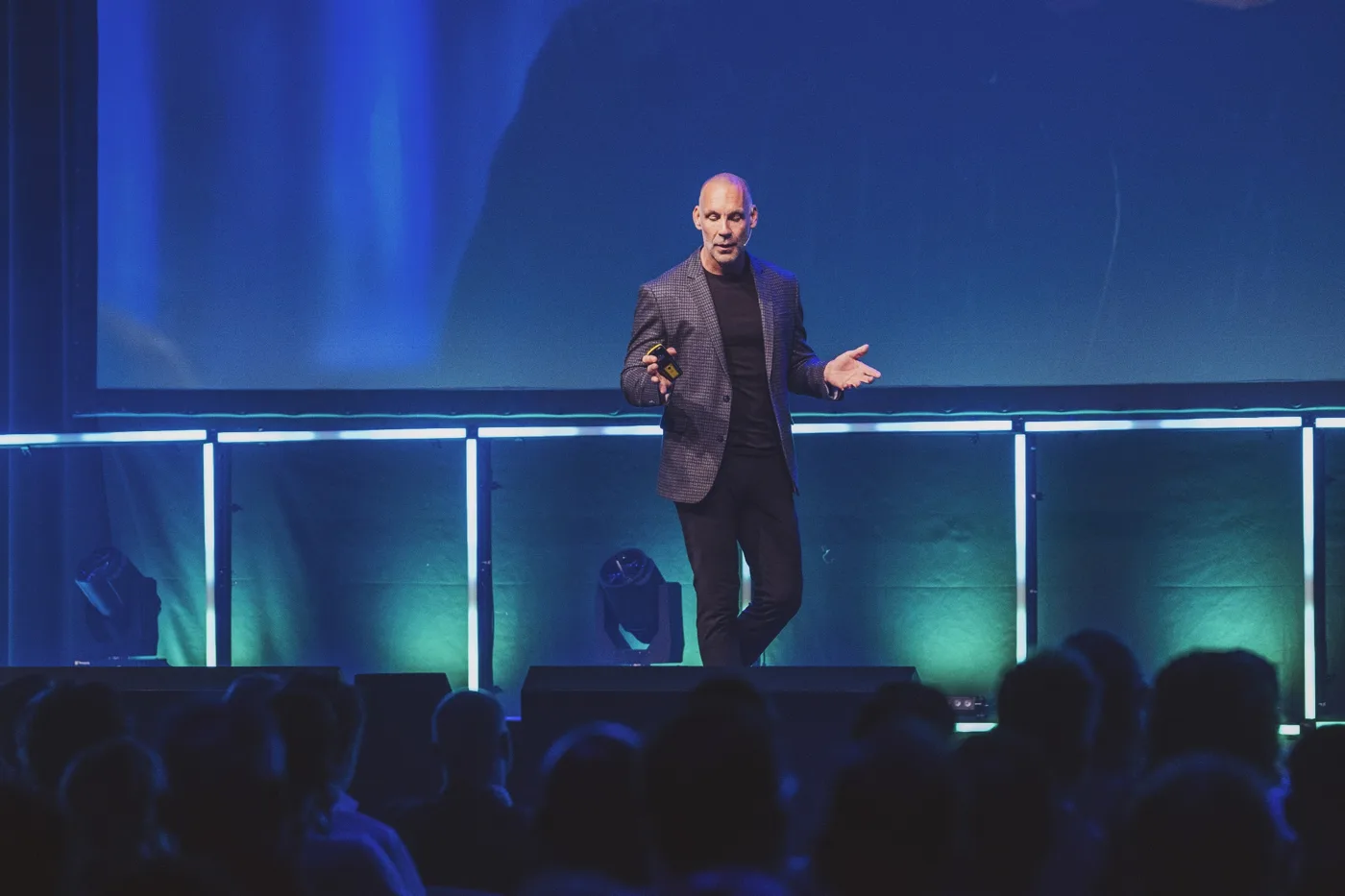
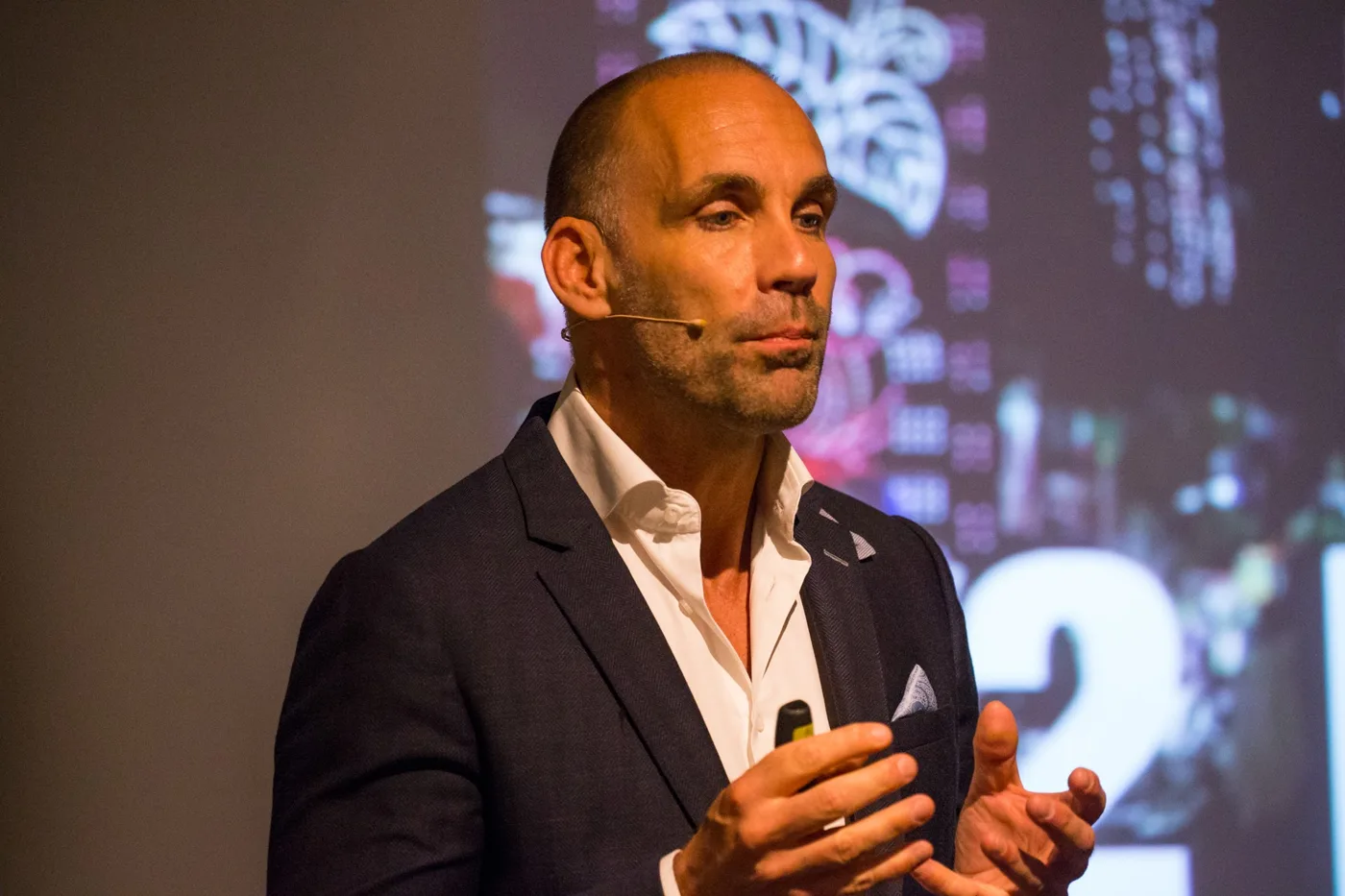
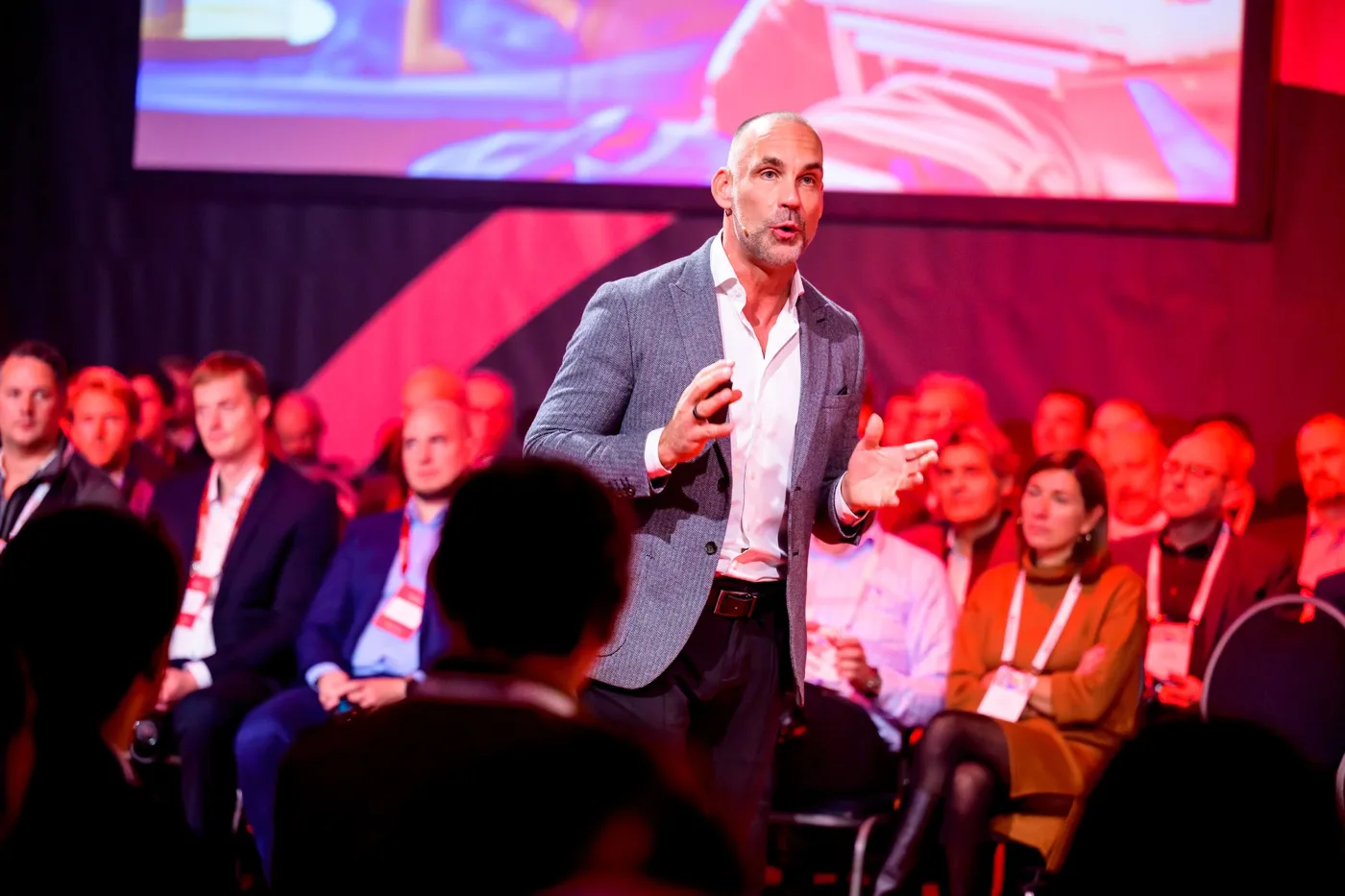
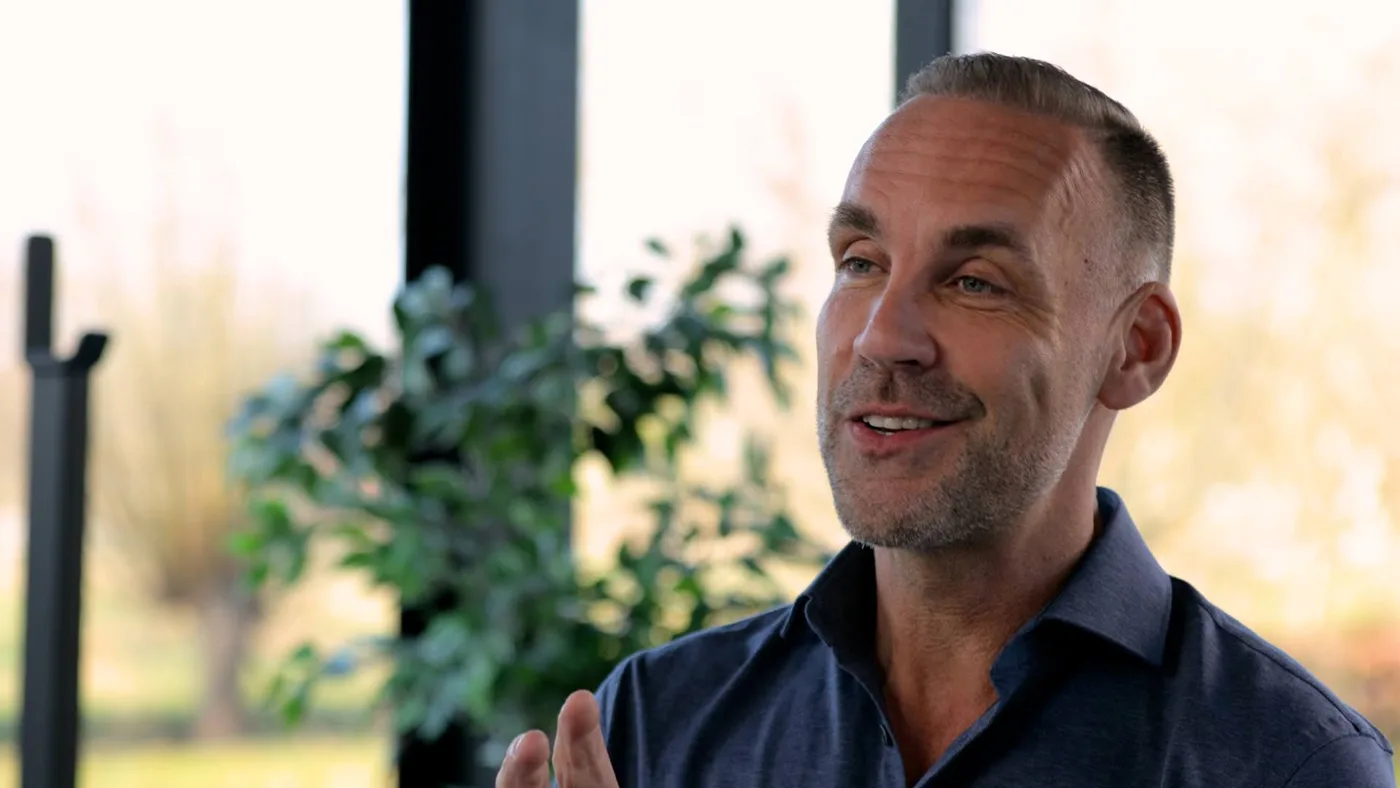
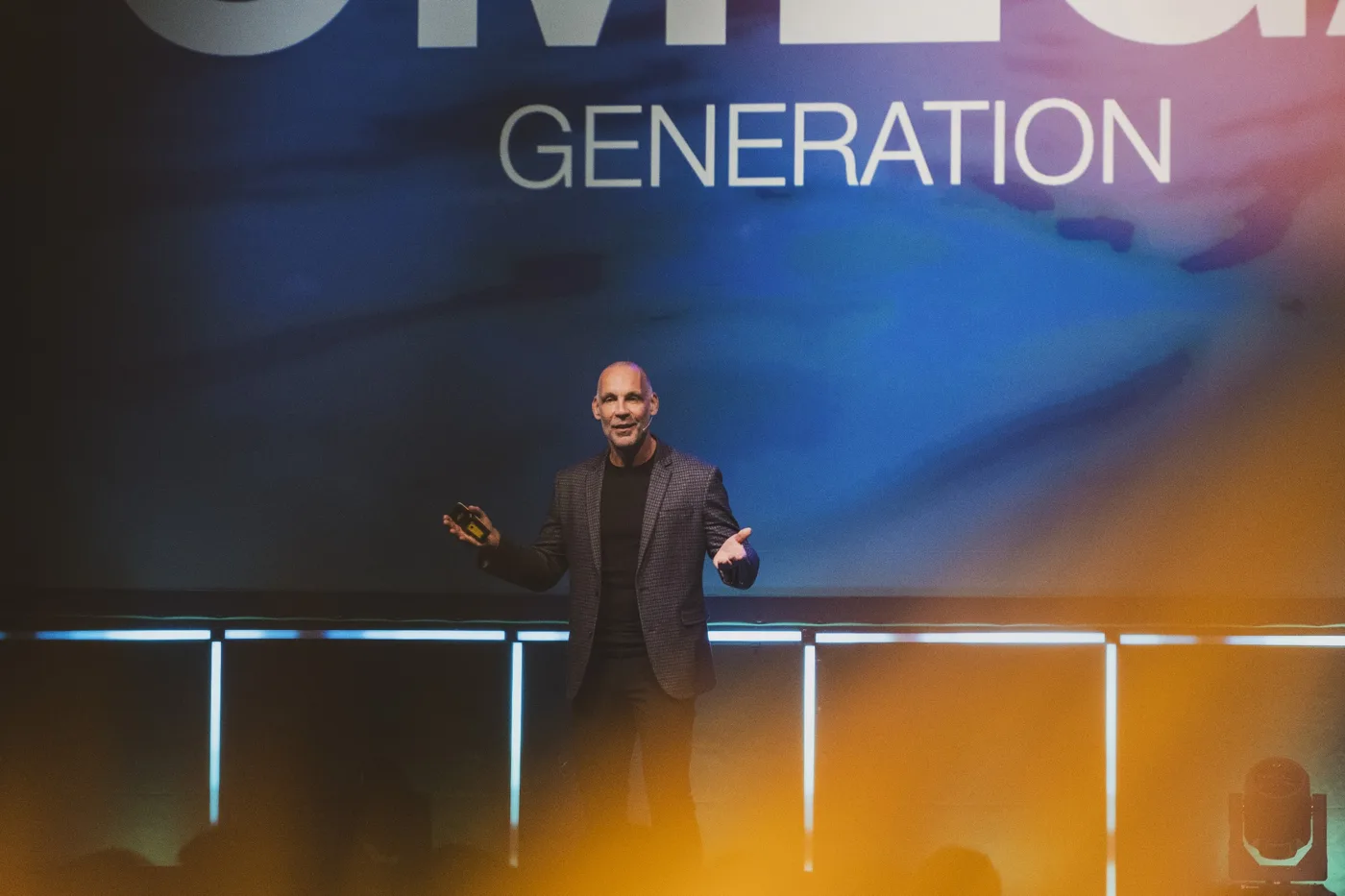
A packed conference hall, a televised panel discussion, a police summit in Dubai.


A selection of over 400 clients















What clients say

“Richard delivered an excellent presentation for the key clients we invited to Innovation Runway 2026. Engaging, interesting content, and thought-provoking statements made his presentation perfectly suited for our top relations.”Read the full review →

“An impressive and noteworthy presentation for our employees and customers. The rate at which change is happening, which you eloquently brought across in your energetic speech, requires a disruptive approach. To be continued!”Read the full review →

“A dazzling journey through new technology. The enthusiasm and energy during his presentation, combined with the visuals, provided a successful kick-off to our event.”Read the full review →

“You gave us all honest, inspired and entertaining insights. Your performance was highly appreciated by the conference participants and EU members.”Read the full review →

“Enthusiastic speaker, a good and versatile story. Everyone was ‘wowed’ by the lecture.”Read the full review →
How a booking works
Your request
Use the form, or get in touch by phone, email or WhatsApp. A few lines are enough to get started.
We get in touch
We'd like to hear what your event looks like, who'll be in the audience and which themes interest you.
A written proposal
Covering the topic, format (on location or online), length (30, 45, 60 minutes or longer) and fee, so you can talk it over with your colleagues.
Getting to know Richard
Next, we'll find a time for the two of you to talk and brainstorm the keynote, the topics and the format. There's no charge for this.
Frequently asked questions
Who is this keynote for?
Mobile and fixed-line operators, cable and fibre companies, network builders, satellite and data centre companies, network equipment makers, industry bodies, regulators and telecoms conferences. The room often brings together the board, network operations, IT, customer service, field teams and sales; the keynote is made for exactly that mix. It also works for events for staff, customers and business partners.
What will the audience take away?
An up-to-date picture of what AI already does in networks, customer contact and field work, and scenarios for the next five to fifteen years: the network as a sensor, holograms on the line, AI agents calling each other and quantum links. What that means for roles, teams, leadership and culture. And a clear view of the risks, so the conversation afterwards is about choices rather than hype.
Isn't the keynote too technical, or not technical enough?
The keynote is about the technology, but it is made for executives and professionals, not protocol specialists. Engineers recognise their own work, and leaders in sales and HR can follow the thread. We match the level to your audience during the introductory call.
Does the keynote also cover our own organisation?
Yes, and that is often where the emphasis lies: what engineers and field technicians do when the network runs itself, how people and AI run a network operations centre together, and how a sector that can never go down learns to experiment. Roles, leadership, culture and training each get their own part of the keynote.
Does the keynote cover the risks of AI in telecoms?
Yes, always. Cloned voices on the phone, SIM swaps, SMS phishing written by AI in thousands of variants, attacks on core networks and automated control that causes an outage itself: every keynote for the telecoms sector gives that other side a place of its own.
Is the keynote tailored to our organisation?
Yes. Beforehand there is an introductory call about your audience, the purpose of the event and what is going on in your organisation. A fibre builder gets different examples from a mobile operator or a satellite company.
How long is the keynote, and can it be in English or online?
30, 45 or 60 minutes, and longer if you wish, with time for questions from the audience, in Dutch or English, in person or online. For more than a keynote, there are masterclasses, boardroom sessions for executives, board members and other leaders, and workshops for all employees.
How much does a keynote on AI in telecoms cost?
Fees for international keynotes are on request. Ask for a proposal and you will hear from us within an hour on working days.
A keynote on AI in telecoms and connectivity
Tell us a little about your event and who will be in the audience, and let us know the date.
Prefer to speak to us directly? Call 085 303 0792 · email talks@vanhooijdonk.com · send a WhatsApp message