 Richard van Hooijdonk

AI & the future of accountancy and advisory
Audits that run all year, a VAT return generated from the invoice flow, and strategies tested in a simulation first. What accountants and advisers still bring: judgement, assurance and the conversation with the client.
Choose your sector
Every keynote is tailored to a sector. Choose yours.
 Healthcare
 Government
 Defence
 Policing and security
 Smart cities
 Construction
 Mobility
 Industry 4.0
 Energy and utilities
 Logistics
 Retail
 Wholesale
 Hospitality, tourism and leisure
 Agriculture
 Financial services
 Legal
 Accountancy and advisoryYou are viewing
 Education
 Media and entertainment
 Telecoms and connectivity
Is your sector not listed? We tailor the keynote to your audience. Tell us about your audience
AI is changing the accountant's work. And what clients expect from the firm.
Futurist and trend watcher Richard van Hooijdonk explores what it means for firms when AI makes audit and advice increasingly continuous, using up-to-date data. This keynote shows what that changes, and what the accountant of the future looks like once new technology becomes the foundation of the profession. Accountancy practices, tax advisers and consultancies sell knowledge and assurance. That is exactly where AI comes in. Invoices and bank transactions are posted automatically, audit teams use AI to analyse all the journal entries supplied and then decide what further testing is needed, and tax advisers search legislation and case law in minutes. Large firms are building agents into their audit platforms to prepare parts of the file. New work is emerging too: assurance over clients' AI, and advice that runs continuously instead of once a year. The hardest questions are about people: how a junior learns the trade when AI takes over some of the simple work, what happens to the hourly rate when a calculation is done far faster, and who signs when a system carried out part of the audit. The keynote separates what already works from what is still a promise, and looks five to fifteen years ahead: to an audit that never stops, a tax return that flows from the invoice stream and agents doing business with agents. The keynote also covers how criminals use AI, from fake receipts to impersonated executives. What will your clients still be paying for in five years' time?
AI in accountancy and advisory
What AI already does in bookkeeping, audit, tax advice, the advisory report and the business model.
- 01

Books that keep themselves
Agents process invoices and bank transactions on their own. Next: an entry created at the moment the transaction takes place.
AI processes a business's records according to rules the firm sets. A purchase invoice is recognised, the supplier, amount and VAT are extracted, and AI suggests the ledger account based on earlier entries. Bank transactions are matched to open invoices. Work in the firm shifts from data entry to review: an entry that breaks the pattern, a supplier with a new bank account number. With structured e-invoices, invoice data moves directly from system to system, with no PDF or scan. An entry can therefore be ready before anyone has looked at the invoice. Once delivery and payment also feed in data directly, bookkeeping that follows each transaction as it happens comes within reach.
- 02
Testing every transaction
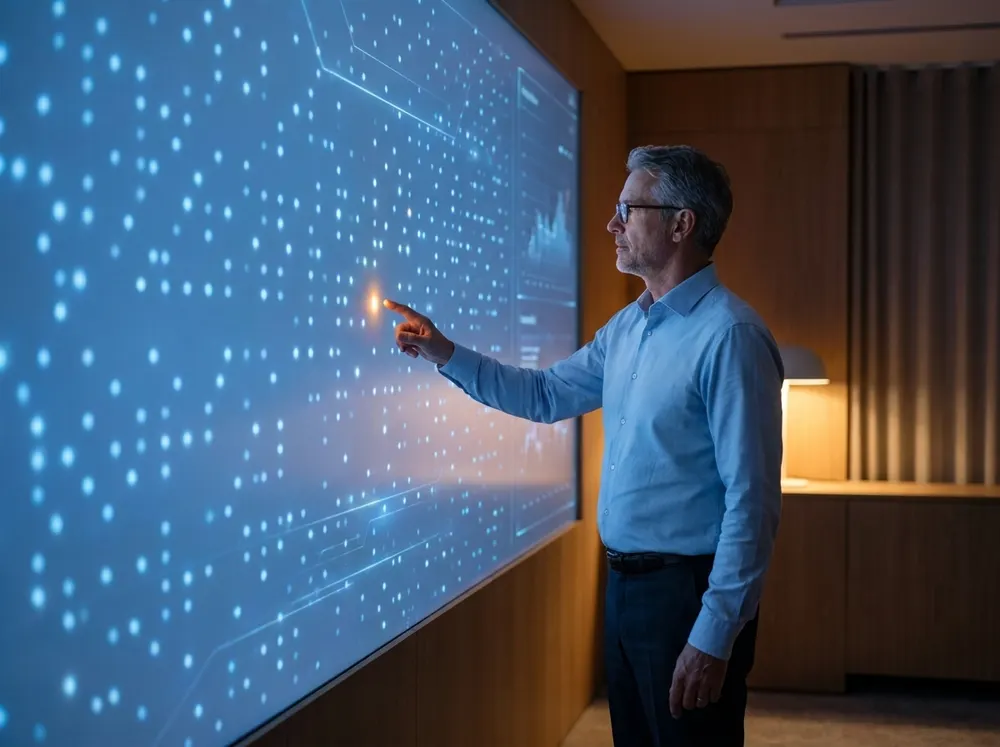
AI analyses every journal entry for anomalies, and is learning to compare entries with contracts, emails and shipping data.
With data analytics, an auditor can examine all the journal entries supplied for a year, alongside or instead of a sample. AI looks for what breaks the pattern, such as weekend postings, round amounts just before year end or payments to a new supplier without a purchase order. An anomaly is not yet an error, but it is a reason to look further. The next step goes from all entries to all sources: AI sets the books against contracts, emails, shipping data and external registers. That reveals discrepancies the figures alone would miss, such as a recorded delivery with no lorry movement behind it.
- 03

Tax research with AI
AI searches legislation and case law in minutes. What follows: estimating how a dispute might end before it starts.
Tax advisers use AI to search legislation, case law and tax authority guidance. Linked to tax databases, language models compare rules and find relevant rulings, with a reference to the source. Research that used to take an afternoon is done in minutes. The next step is looking ahead. In 2016, researchers had a model predict the outcome of cases at an international human rights court from the text of published judgments, with an average accuracy of 79 per cent. A possible next application: estimating in advance how a tax position might fare in court. AI can also link a draft bill to available client data and calculate the financial consequences. The adviser then sees sooner which businesses will be affected and how large the impact could be.
- 04

Assurance over AI systems
Accountants and specialists test clients' AI systems against agreed criteria and give an independent opinion on them.
Businesses use AI for credit decisions, recruitment, pricing and customer contact. Boards, regulators and customers want to know whether those systems work as intended. Assurance over AI is an independent examination of agreed properties of an AI system or of how it is controlled. The accountant tests, for example, whether the data is sound, whether decisions can be explained and whether oversight is adequate. Large firms already offer such services. The European AI Act sets requirements for high-risk systems, and certifiable international standards exist for managing AI. The engagement determines which criteria are examined; a certificate does not guarantee that every decision the system makes is right.
- 05
 In pilots
Agents for returns and files
Agents already prepare parts of tax returns. Later, the firm's agent will collect documents directly from the bank's agent.
An AI agent carries out a task of several steps on its own, within limits people set in advance. Agents already process source documents and prepare parts of tax returns. In trials, firms add requesting documents such as annual statements and bank statements, sending reminders and tracking what is still missing. Chasing paperwork disappears from the employee's day. The next step: agents of the firm, the bank and the client working directly with each other. The firm's agent requests the annual statement from the bank's agent, which checks that the client gave consent and supplies the document. The business owner no longer has to search for anything, and the file is complete before the adviser starts on it.
- 06

The adviser with an AI analyst
AI speeds up market analysis and models scenarios during the board meeting. The adviser weighs the outcomes with the client.
In management and strategy consulting, much of the time went on preparation: gathering market data, analysing figures, writing a first report. AI speeds up that work, and the value moves from the report to the conversation. A market analysis that used to take a team weeks can now be ready in days. During a board meeting, AI calculates live what a proposal means: what a price rise does to volume and margin, how closing a site affects revenue and staffing. The board sees the consequences of a choice while it is still discussing it. The adviser asks the right question and weighs an outcome against what they know of the client. The adviser works with the client; AI handles the repetitive tasks and the number-crunching.
- 07

Looking forward, not back
AI forecasts show business owners how much room they have, and warn of financial trouble before it arrives.
With up-to-date books, a firm can regularly refresh the forecast of revenue, costs and cash flow, and AI runs the numbers. For a business owner, next month's question is often more pressing than last year's: can we afford that investment, and is there enough cash for the summer? The system flags what stands out, such as a margin slowly eroding or customers paying later than last year. The next step is the forecast that warns before things go wrong. Research shows that certain machine learning models predict bankruptcies more accurately than traditional models. Continuous analysis can reveal the first signs of financial trouble well before the annual accounts show them.
- 08

Expertise as a product
Firms build their knowledge into AI assistants that clients consult themselves, earning from expertise without billing hours for every question.
A firm can offer its professional knowledge through AI assistants that clients consult themselves. AI links a question to the right information in the knowledge base and answers in plain language. Knowledge that now lives in people's heads and in memos becomes a product: an assistant for questions about staff expenses and benefits, a model for calculating the transfer of a family business. The firm earns from its knowledge without billing hours for every question. A possible next step is an agent that tracks rule changes and checks a client's payroll. It can adjust calculations and pass questions that need judgement to the adviser. The firm then also offers continuous monitoring.
- 09
 In pilots
Testing strategy with AI
Advisers build a digital twin of an organisation and its supply chain. AI runs thousands of variants on it to show where it is weak.
A digital twin is a digital model of an organisation or supply chain that is continuously updated with real-world data: stock, lead times, capacity and costs. Advisers build such a model with the client and use it to explore how a change ripples through the whole chain. In trials they combine the digital twin with AI, which runs thousands of variants: what does a dearer raw material do to margin and lead time, and what happens if a supplier on the other side of the world drops out for a month? The model remains a simplification. But it shows where a chain is vulnerable before things go wrong, and once the engagement ends it stays behind as the client's own tool.
- 10

When clients can do it themselves
A financial AI assistant gives business owners instant insight into their figures. The firm helps with judgement and complex decisions.
A financial AI assistant answers questions based on the books and the available documents. That lets a business owner look into simple financial questions themselves. Accounting software is already gaining such assistants: the owner asks in plain language how cash flow looks or which invoices are still unpaid. Clients then handle some of the tasks that now fall to the firm. The firm gives an independent opinion when a bank or investor asks for one. It also supports the owner through an acquisition, a succession or a dispute with the tax authority, where knowledge of the business and personal advice are needed. The firm gets fewer calls about the cash position, and more about what the owner wants to do with it.
The future of accountancy and advisory
Where assurance, tax and advisory work could be in five to fifteen years, with AI as the engine.
- 11
 Future scenario
An AI CFO for every business
Around 2032, an AI agent could keep the books, pay and arrange finance for the owner. The firm checks it and advises on big decisions.
The first agents in financial software already manage direct debits and propose entries, and research firms expect agents to take some operational decisions in the finance function on their own by around 2030. That puts a dedicated financial agent within reach of smaller businesses too. The scenario for 2032: the plumber and the online retailer also have a financial agent that sends invoices, schedules payments, negotiates a credit line with the bank and sees a quarter ahead that cash will be tight. The simple work of the bookkeeping practice moves to the client's agent. The firm becomes the party that configures and checks that agent, and sits beside the owner during an acquisition, a succession or a crisis.
- 12
 Future scenario
A trust mark for AI agents
Around 2032, agents could do business with each other for companies. An auditor's report shows what an agent may do and whether it complies.
Accountants already test clients' AI systems against agreed criteria, and payment companies are building systems that let agents pay on their owner's behalf. The scenario for 2032: buyers' and suppliers' agents request quotes, negotiate, order and pay, without a person watching every step. Anyone doing business with an unknown agent wants to know who is behind it, what mandate it has and whether it sticks to it. An accountant's report becomes the agent's passport: tested continuously against its behaviour, stating the limits it may not cross. A new market for assurance emerges, perhaps larger than the audit of annual accounts: trust between machines.
- 13
 Future scenario
The boardroom as wind tunnel
Around 2033, a board could first test a strategy on thousands of simulated customers, competitors and staff. The adviser builds the wind tunnel.
In 2024, researchers had language models imitate more than a thousand real people. The simulated people answered a survey with 85 per cent of the accuracy with which the real people repeated their own answers two weeks later. Consultancies are already experimenting with simulated respondents. The scenario for 2033: a strategy first goes through a wind tunnel of thousands of AI personas playing customer, competitor, supplier or employee and reacting to each other. A price rise, a merger or a reorganisation is played out hundreds of times, with the outcomes and the uncertainty side by side. The board chooses; the adviser knows what the model cannot see. Advice shifts from a report with one recommendation to an exploration of possible futures.
- 14
 Future scenario
Paid for results
Around 2040, agents could continuously measure what a piece of advice delivers. The fee moves with the result, not the hours.
In early 2026, a large consultancy reported that tens of thousands of AI agents were working alongside its staff, and some of its engagements are already paid on results. The scenario for 2040: the consultancy's agents implement a change and compare the outcome every day with a simulation of what would have happened without intervention. The fee moves with the measured contribution to margin, cash flow or delivery reliability, and an independent party checks that calculation. People choose the goals, weigh the interests and judge the exceptions. For audit engagements, results-based fees remain ruled out. A consultancy then no longer sells a report, but a share in the improvement, sometimes for years after the team has left.
- 15
 Future scenario
The balance sheet of the invisible
Data, AI models and nature increasingly decide what a company is worth. Around 2040, the auditor could also measure what is now off the balance sheet.
In 2020, an analysis of a stock index of five hundred large companies estimated that around nine tenths of their market value is intangible: brands, knowledge, data and software. Little of it appears on the balance sheet. The international standard-setter for financial reporting is examining how intangible assets can be better reflected, and since 2023 there has been an international reporting framework for nature-related risks. The scenario for 2040: AI reveals what a dataset, a trained model or a healthy river basin is worth by continuously measuring use and return. Annual reports then show data, models and nature alongside buildings and machinery. Whoever can measure that value and provide assurance over it helps decide how investors value a company.
- 16
 Future scenario
The tokenised balance sheet
Around 2040, bonds, property and money could sit as tokens on a shared ledger. AI checks the smart contracts behind them.
Tokenised funds that invest in government bonds now manage billions, the European Union and other large economies have rules for stablecoins, and forecasts for 2030 run to trillions of dollars in tokenised assets. A shared ledger can link the transfer of an asset and its payment in a single transaction. The scenario for 2040: part of company balance sheets consists of tokens, and interest, dividends and delivery are settled by smart contracts, programs that carry out agreements by themselves. When settlement happens on the same ledger, some of the reconciliation work falls away. The audit shifts to the code: AI reads the contracts, tests them for errors and follows every transaction, and the accountant judges whether the system does what the agreement says.
- 17
 Future scenario
When the machine is the client
Devices and agents will buy for themselves, from spare parts to computing power. Accounting, audit and tax then have to keep pace with them.
Gartner expects machines that make purchases on their own, from smart devices to AI agents, to influence a large share of spending by around 2030. The first agents already pay with digital currency for data and computing power, per request and sometimes for a fraction of a cent. The scenario for 2040: a factory orders its own parts, a vehicle fleet charges and pays for itself, and agents buy services from each other, millions of times a day. A monthly cycle of invoices does not fit that world. AI books and checks at the same pace, and the accountant assesses the overall picture. A new market opens: turning millions of machine purchases into assurance over cash flows, ownership and tax positions.
AI opens doors for accountancy and advisory that we can only just begin to picture: assurance that runs throughout the year, and far more time to talk with the client. How far a firm goes through those doors depends on its people and its culture.
Richard van Hooijdonk
The accountancy and advisory firm of the future
What AI asks of roles, teams, leadership, culture and training in the firm.
- 18

The AI-first organisation
Bookkeeping, testing and forecasting move to AI. Accountants and advisers focus on judgement and the conversation with the client.
An AI-first firm lets AI do the work people do not need to do, including the repetitive and predictive work: processing, testing, analysing, forecasting and drafting. Accountants and advisers assess what AI finds, weigh the risks and talk decisions through with clients. In a scenario for the next five to ten years, the shape of the organisation changes with it. Agents do much of the operational work, and a professional directs their own team of agents. The pyramid with many entry-level roles at the base narrows, with more specialists and fewer layers in between.
- 19

Data auditors and AI assurance
Data auditors and AI specialists already work alongside accountants. Over time, the agent auditor and the smart contract reviewer will join them.
When audit and advice use AI, accountants work more often with specialists in data and models. A data auditor checks that a client's data is complete and reliable before the analysis begins. A specialist in AI assurance tests models, at clients and within the firm. Experienced accountants are moving into these roles too. New specialisms are taking shape: the agent auditor who continuously tests how agents behave, the coordinator who deploys and steers a team of agents, and the specialist who audits tokens and smart contracts. Specialists in data, models and code are taking a bigger share of the work and of the firm's make-up.
- 20

The audit team with AI
AI prepares working papers; the team investigates and judges. Soon agents will build the file all year round, outside the busy season.
In an audit team with AI, people and AI systems work on one file, each with its own task. AI reads contracts and minutes, reconciles the figures, analyses every entry and drafts a first risk assessment. The team decides what further testing is needed, including on items AI did not flag, and discusses anomalies with the client: why was this provision reduced, who approved that payment? The opinion and the signature stay with the auditor. The next step: agents build most of the file throughout the year. People handle the conversations, the borderline cases and the judgement. The peak of busy season could then largely disappear from the profession.
- 21

Daring to let go
Teams get to know AI in contained trials. Experienced staff test the systems, as they are first to spot where results do not match practice.
Accountancy is built on certainty: an opinion has to be right, advice has to hold. That care is the profession's strength, and mistakes have serious consequences. A team used to checking every step itself first wants to see that a system works reliably. In a contained trial, staff compare AI's outcomes with their own assessment, separate from the live file. Experienced staff test the systems, because they are the first to spot where the results do not match practice. The benefit shows in hours freed up for the client. The professional standards still apply; the way of working changes.
- 22

Leadership in accountancy
Leaders in accountancy and advisory take the initiative on AI and new technology, and bring their people along to build tomorrow's firm.
- 23

The future academy
Firms do not wait for universities and colleges. In their future academy, staff practise with AI and new technology on real files.
A future academy is where an organisation trains its own employees and leaders of the future. The work changes faster than courses can adapt their programmes, and new cohorts of graduates are years away. So the organisation takes the retraining of its people and the training of new colleagues into its own hands. Existing staff learn to work with AI, agents and new technology, newcomers practise tomorrow's work from day one, and experienced colleagues pass on what they know.
- 24

An ecosystem for the future
With start-ups, scientists, partners and governments, across borders too, a firm tackles bigger questions and renews itself faster.
In an ecosystem, an organisation takes on bigger questions than it could handle alone: with start-ups that bring new applications, scientists who examine what is reliable, partners who contribute knowledge and data, and governments working on shared infrastructure, such as digital reporting. That network does not stop at the border. International networks share methods, models and agents, and what one member develops, another can apply sooner. Smaller firms pool their strengths this way and work with the same technology as a large international network. What a firm can do then depends less on its size and more on its ecosystem.
The other side responsibility and risk
Data, reliability and crime: what is at stake when a firm uses AI.
- 25

Data as the foundation
For AI to work across the firm, data from every part of it must be available, reliable and connected. That is the foundation of the AI-first firm.
The AI-first accountancy firm lets AI book, test and forecast across clients and departments. That only works when the data is available, reliable and connected: clients' ledgers, invoices, bank transactions, payroll data and contracts, and the firm's own files. Records are often incomplete and set up differently for every client. Missing or misclassified data can distort signals, and a forecast built on incomplete figures can create false certainty. Linked, consistent and up-to-date data is the foundation on which AI can work across the whole firm. That includes clear rules on who may use which data, and for what. After all, a firm holds confidential data for many different clients.
- 26
Who signs for the AI audit?
Regulators want traceable outcomes and a person who remains ultimately responsible. The more agents do, the more rests on the auditor who signs.
When AI carries out part of the audit, the auditor must be able to explain what the system did and why they consider the outcome fit for the purpose of the audit. Regulators expect AI outcomes to be traceable, data to be secure and a person to remain ultimately responsible. A language model does not always give the same answer to the same question, and a new version may reason differently from the last. The more agents do, the bigger the questions: who is liable when one of the firm's agents makes a mistake in an audit that runs all year, and whether a report on an agent can be withdrawn if it behaves differently after an update.
- 27

Fraud in the figures
Firms hold the figures of many clients. AI makes it easier for criminals to get at them: through hacks, ransomware, phishing and cloned voices.
An accountancy or advisory firm holds data criminals will pay a lot for: annual figures, bank details, salaries and tax positions of hundreds of clients. AI makes the attack faster and more convincing. A phishing email can be tailored to one employee, an AI-cloned voice of a partner or director asks for an urgent payment or a password, and AI can help find weak spots in systems. Ransomware can shut a firm down in the middle of tax season, with the threat of publishing client data. The same generative AI that helps a firm draft an invoice helps a fraudster create an invoice for a delivery that never happened. In the AI era, good security is part of the gatekeeper's job.
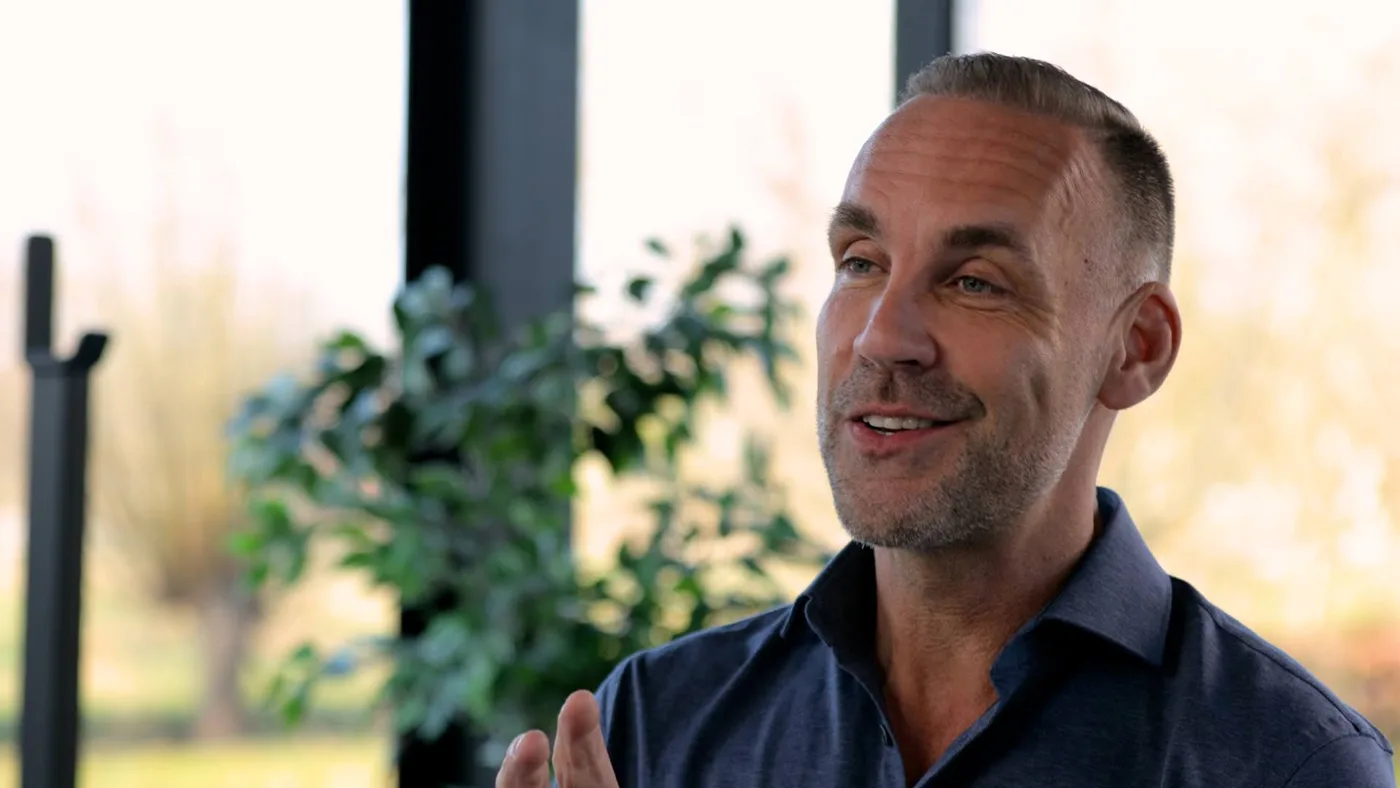
About the speakerRichard van Hooijdonk
Events in EuropeKeynote speaker for corporate events in Europe
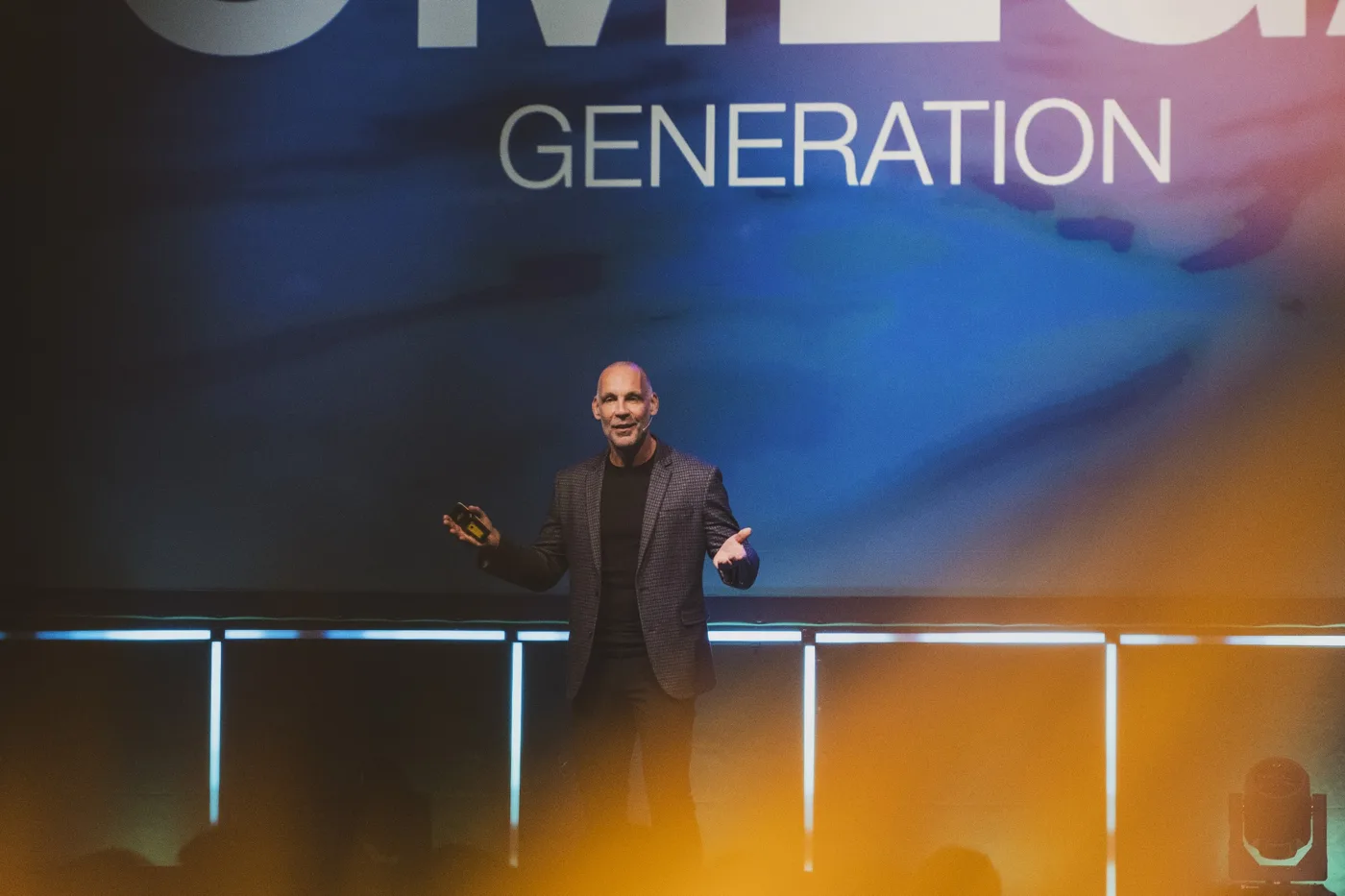
On stage
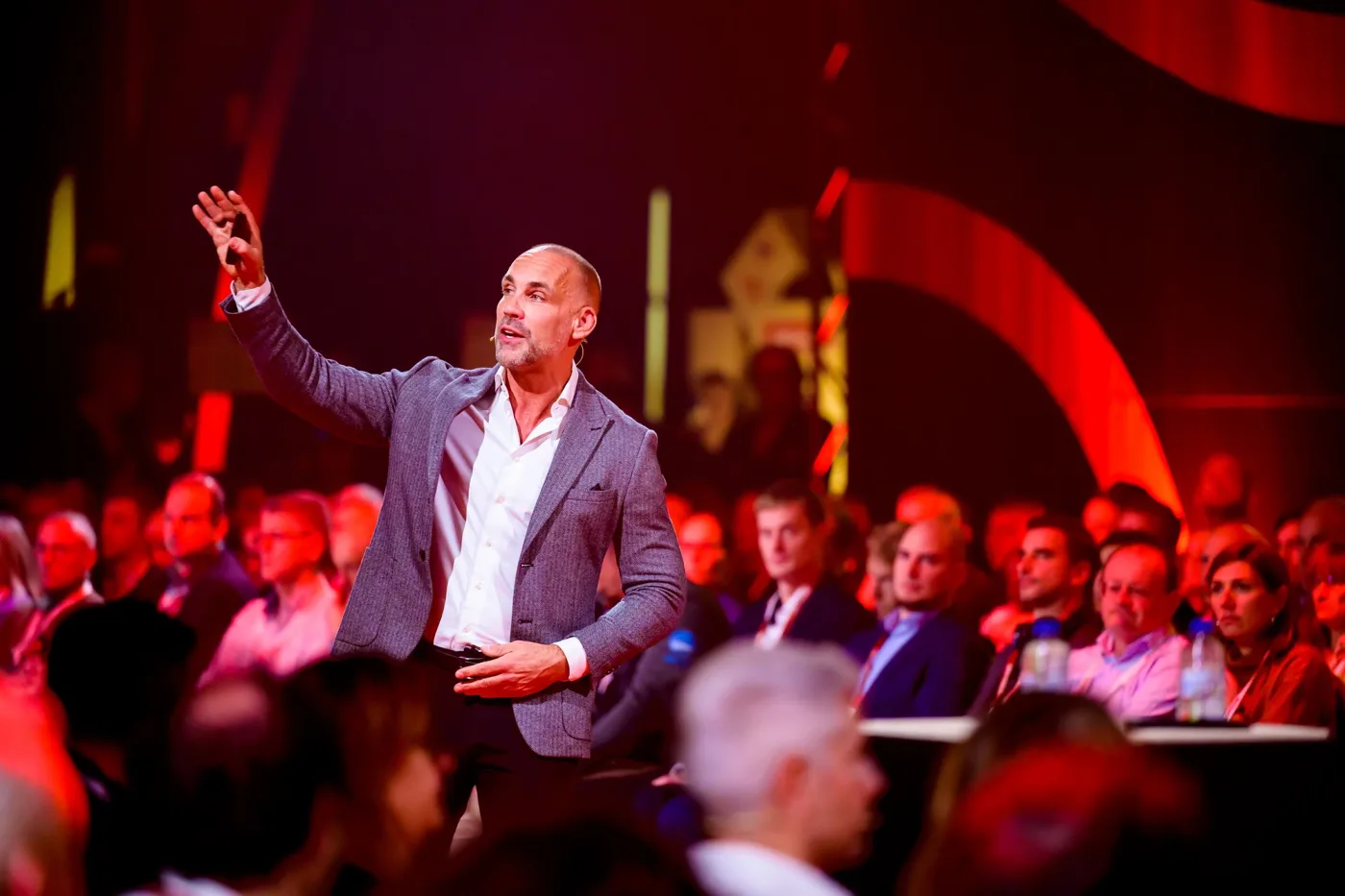
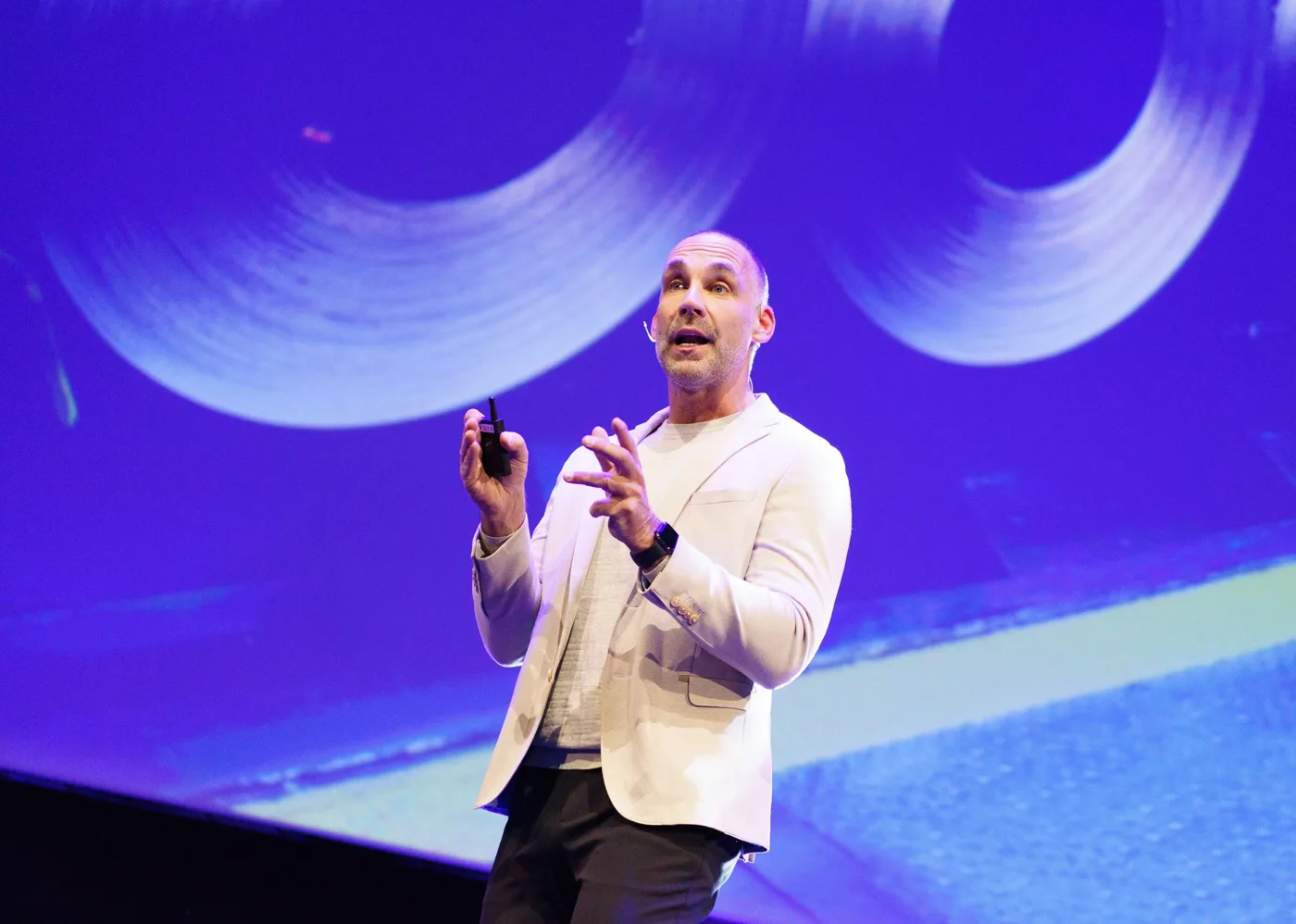
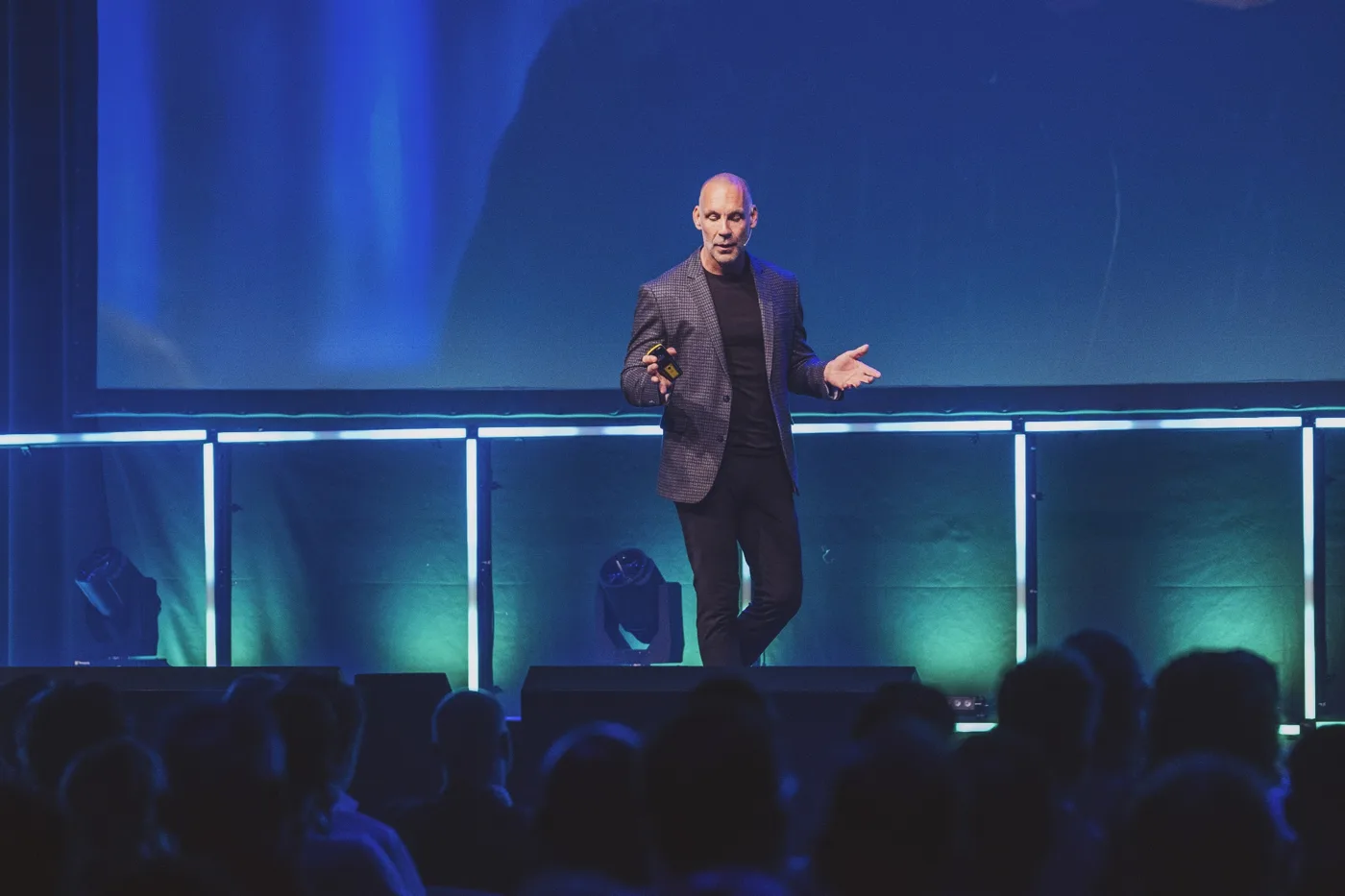
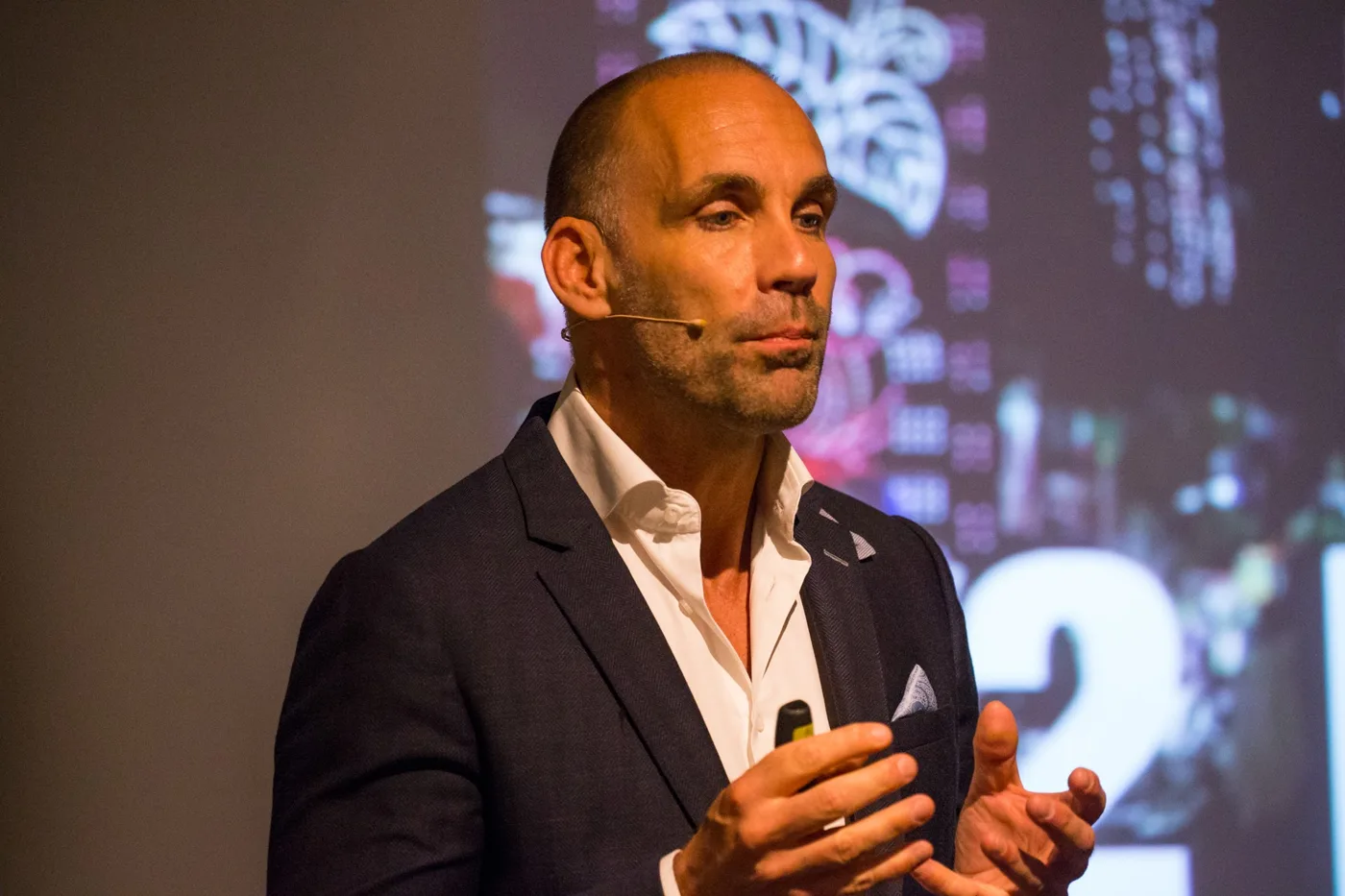
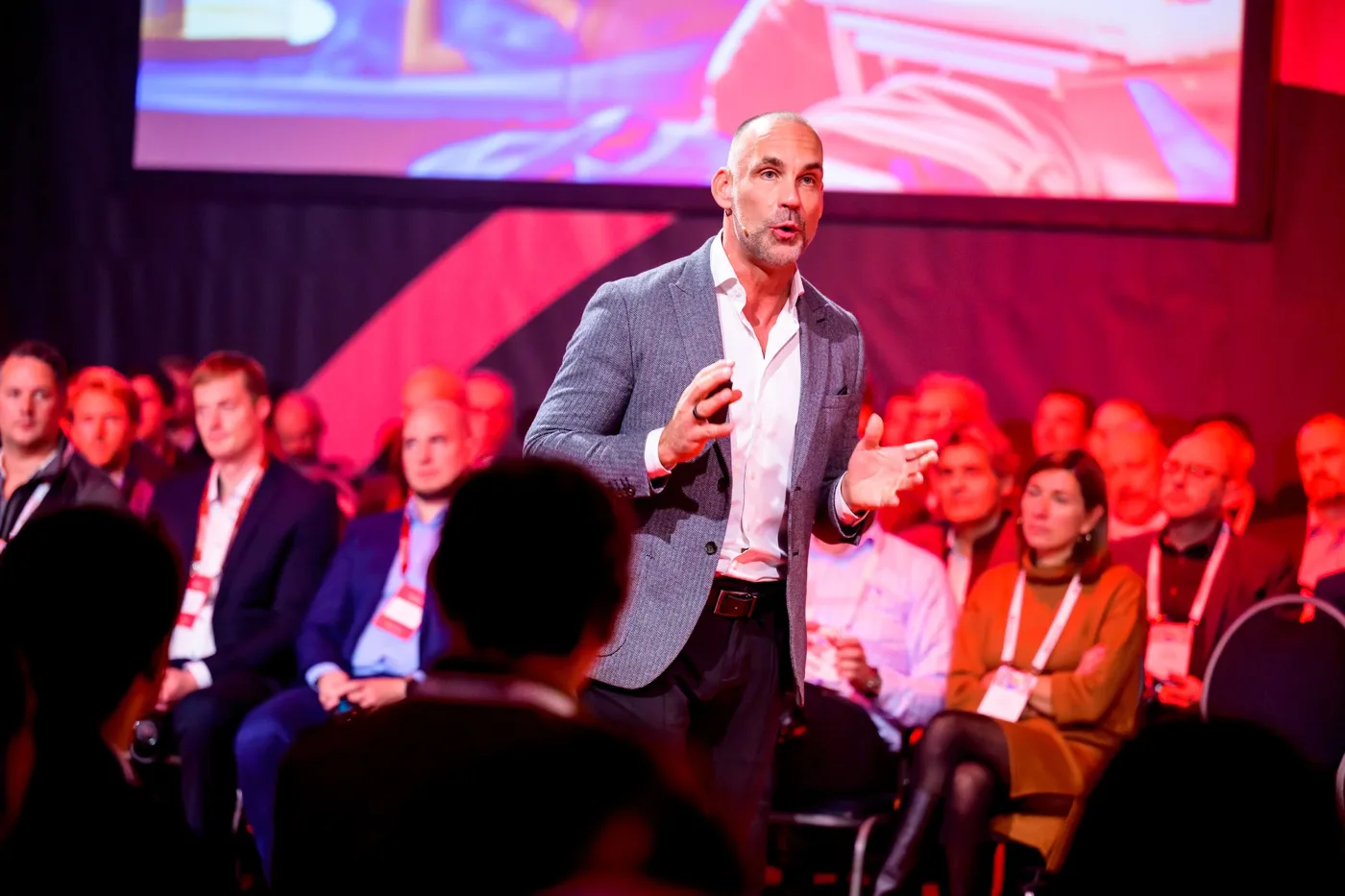
A packed conference hall, a televised panel discussion, a police summit in Dubai.




A selection of over 400 clients















What clients say

“A dazzling journey through new technology. The enthusiasm and energy during his presentation, combined with the visuals, provided a successful kick-off to our event.”Read the full review →

“An impressive and noteworthy presentation for our employees and customers. The rate at which change is happening, which you eloquently brought across in your energetic speech, requires a disruptive approach. To be continued!”Read the full review →

“Richard delivered an excellent presentation for the key clients we invited to Innovation Runway 2026. Engaging, interesting content, and thought-provoking statements made his presentation perfectly suited for our top relations.”Read the full review →

“You gave us all honest, inspired and entertaining insights. Your performance was highly appreciated by the conference participants and EU members.”Read the full review →

“Enthusiastic speaker, a good and versatile story. Everyone was ‘wowed’ by the lecture.”Read the full review →
How a booking works
Your request
Use the form, or get in touch by phone, email or WhatsApp. A few lines are enough to get started.
We get in touch
We'd like to hear what your event looks like, who'll be in the audience and which themes interest you.
A written proposal
Covering the topic, format (on location or online), length (30, 45, 60 minutes or longer) and fee, so you can talk it over with your colleagues.
Getting to know Richard
Next, we'll find a time for the two of you to talk and brainstorm the keynote, the topics and the format. There's no charge for this.
Frequently asked questions
Who is this keynote for?
Accountancy and bookkeeping practices, tax advisory firms, management and strategy consultancies, professional bodies and networks of firms, and the finance departments that work with them. The audience often mixes partners, audit leads, advisers and young professionals, and the keynote is made for that mix. It also works for events for staff, clients and business partners.
What will the audience take away?
An up-to-date picture of what AI already does in bookkeeping, audit, tax advice and advisory reports, which steps with agents are being tested now and which scenarios lie ahead for the next five to fifteen years, from the end of the annual audit to a trust mark for AI agents. What that means for roles, training, leadership and a firm's business model. And a clear view of the risks, so the conversation afterwards is about choices rather than promises.
Does the keynote also cover the organisation itself?
Yes, and that is often the main focus: how a junior learns the trade when AI takes over some of the simple work, which new roles a firm needs, what happens to the hourly rate and the partnership, and how a culture of certainty makes room for experiment.
Are auditors allowed to use AI in the audit?
Yes. Auditors use AI to analyse documents and spot anomalies, among other things; large firms build it into their audit platforms. Regulators do set conditions: the auditor assesses whether the outcomes are fit for the audit and remains responsible for the opinion, outcomes must be traceable and client data must stay secure. The keynote shows how firms set this up, and where the line falls between a tool and a judgement.
Does the keynote also cover criminals who use AI?
Yes, always. Fraudsters use AI to create fake receipts, invoices and bank statements, imitate the voices and faces of executives and send convincing phishing emails in tax season. That other side has its own place in every keynote, with what is at stake for firms and their clients.
Is the keynote tailored to our organisation?
Yes. Beforehand there is an introductory call about the audience, the purpose of the event and what is happening in your organisation. A partner day at an international firm gets different examples from a conference for bookkeeping practices or an in-house learning day at a strategy consultancy.
How long is the keynote, and can it be in English or online?
30, 45 or 60 minutes, and longer if you wish, with time for questions from the audience, in Dutch or English, in person or online, including at international conferences. For more than a keynote, there are masterclasses, boardroom sessions for partners and the board, and workshops for all employees.
How much does a keynote on AI in accountancy and advisory cost?
Fees for international keynotes are on request. Ask for a proposal and you will hear from us within an hour on working days.
Interested in a keynote for your accountancy or advisory event?
Tell us in a few sentences about your event and who will be in the audience, and let us know the date.
Prefer to speak to us directly? Call 085 303 0792 · email talks@vanhooijdonk.com · send a WhatsApp message