 Richard van Hooijdonk
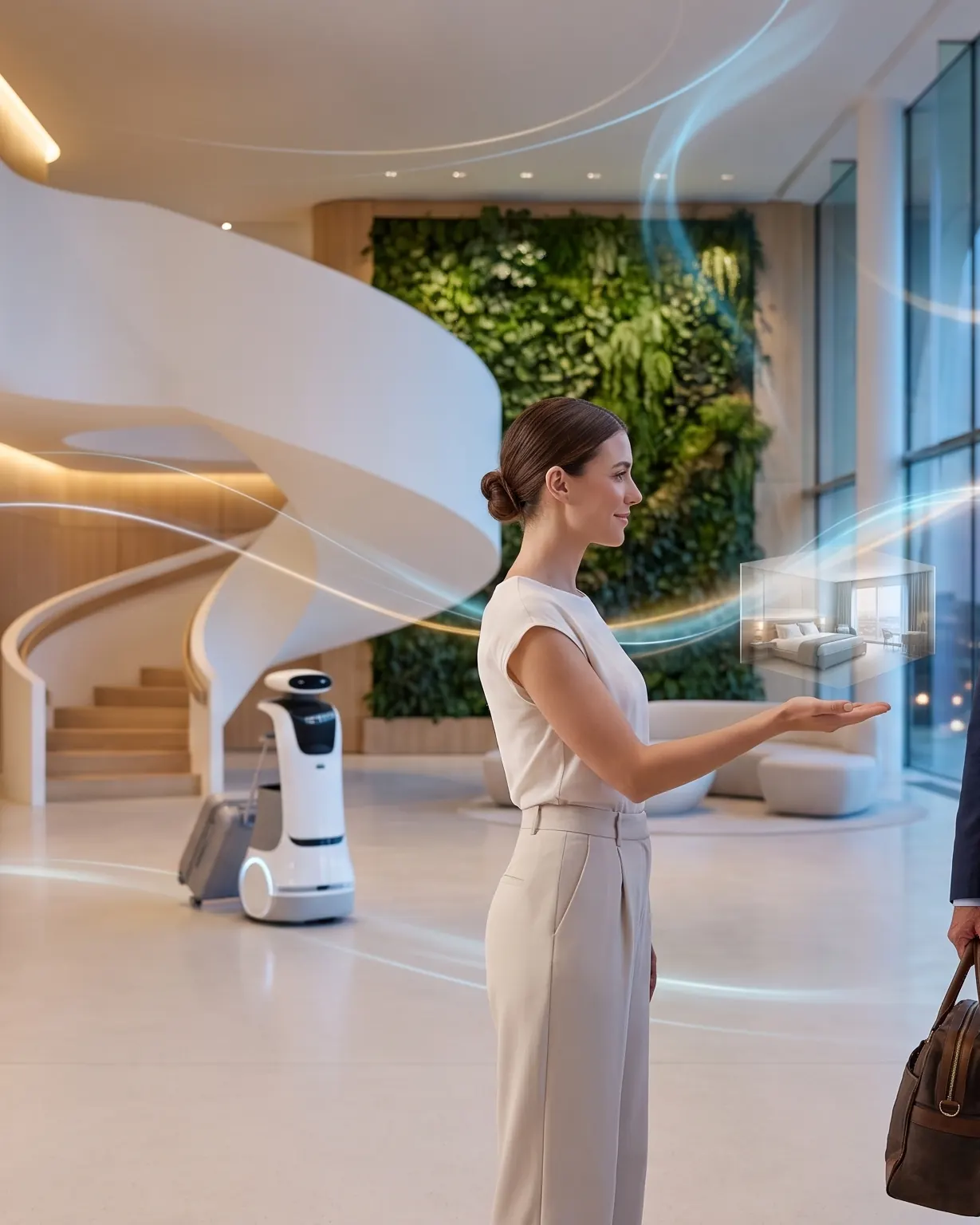
AI & the future of hospitality, tourism and leisure
AI agents bargaining on the guest's behalf, humanoid robots making up the rooms, resorts selling health instead of nights. As AI takes over the planning and forecasting, people in hospitality have more time for the guest.
Choose your sector
Every keynote is tailored to a sector. Choose yours.
 Healthcare
 Government
 Defence
 Policing and security
 Smart cities
 Construction
 Mobility
 Industry 4.0
 Energy and utilities
 Logistics
 Retail
 Wholesale
 Hospitality, tourism and leisureYou are viewing
 Agriculture
 Financial services
 Legal
 Accountancy and advisory
 Education
 Media and entertainment
 Telecoms and connectivity
Is your sector not listed? We tailor the keynote to your audience. Tell us about your audience
A warm welcome, then a stay that adapts to the guest. AI makes hospitality more personal and leaves more room for human attention.
At hotels, theme parks and tour operators, AI already handles part of the work in service, pricing and planning; futurist and trend watcher Richard van Hooijdonk shows where that is heading. You will see which work stays in human hands by choice, and what that means for your team. A digital assistant answers guests' questions in many languages, revenue systems adjust rates several times a day, kitchens use cameras to record what gets thrown away, and theme parks use an app to send visitors to a quieter part of the park. Meanwhile, delivery robots roll down hotel corridors and guests check in on their phones. The harder questions are about your organisation: what reception does once guests check themselves in, how a team keeps its warmth as systems take on more work, and who checks what the digital assistant promises on your behalf. The keynote separates what is already running, what is being trialled and what could arrive in five to fifteen years: AI agents negotiating with AI agents, humanoid robots in housekeeping, resorts that sell health and a first hotel in space. How will a guest recognise your hospitality when their AI agent holds the first conversation?
AI in hospitality and leisure
What AI already does at the front desk, in the kitchen and in planning.
- 01
 Applied
The digital concierge
An AI assistant answers guests' questions in many languages. Next comes a concierge that makes the arrangements itself.
A digital concierge answers guests' questions by chat, messaging app, phone or a screen in the room, in the guest's own language and at three in the morning too. Real-time translation through earbuds and screens already lets a receptionist and a guest understand each other without a shared language. The next step is a concierge that takes action: it books the table, orders the taxi and moves the spa appointment when the flight is delayed. Translation, meanwhile, becomes invisible. Subtitles in lightweight glasses, or earbuds that keep the speaker's own voice, let a guest hold a whole conversation in their own language, and let a kitchen team with five first languages work together with ease.
- 02
 Applied
Pricing and occupancy by AI
AI helps hotels and attractions match prices to expected demand, the weather and local events, and fill the quiet days.
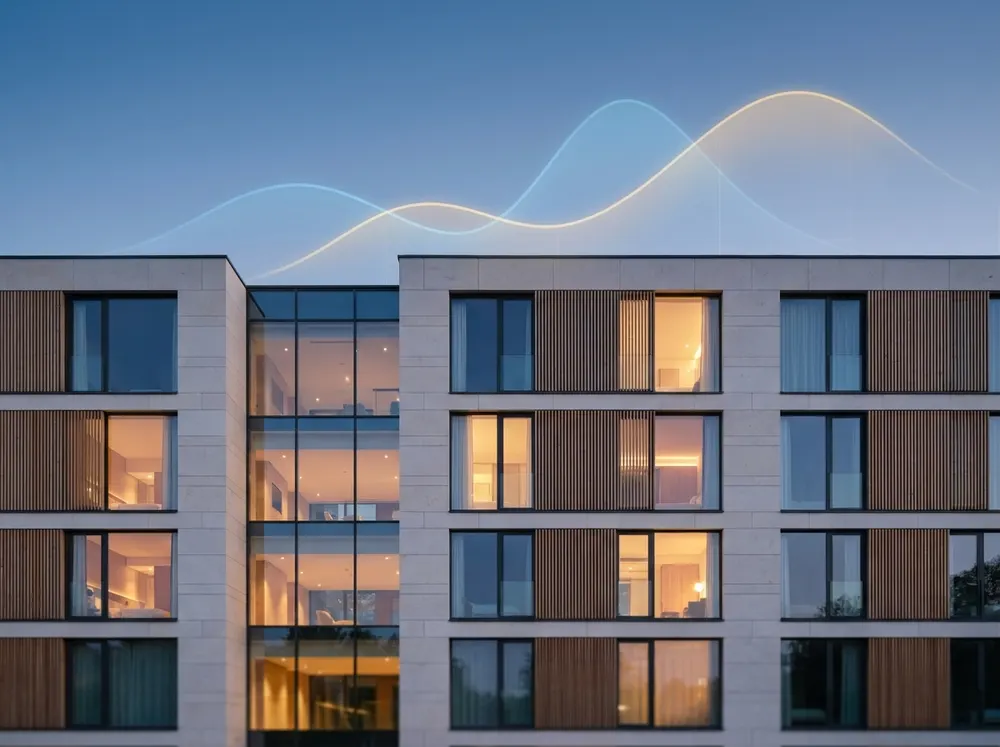
AI weighs the pace of bookings, prices nearby, flight schedules, the weather and events in town, and can change a rate several times a day. Theme parks, museums and sports clubs work the same way with variable prices and time slots. The revenue manager sets the strategy and the limits: how high a price may go, and which agreements with regular guests and groups apply. Next, pricing covers the whole stay. AI sets a price for the room, breakfast, parking, spa and late check-out for each guest and each moment, and takes into account what a guest is worth over the years. When the guest's AI agent does the booking, the price becomes a negotiation between two systems.
- 03
 Applied
A stay built around the guest
AI suggests the right room, offer or reward. Soon the room will already be set up the way the guest likes it when they arrive.
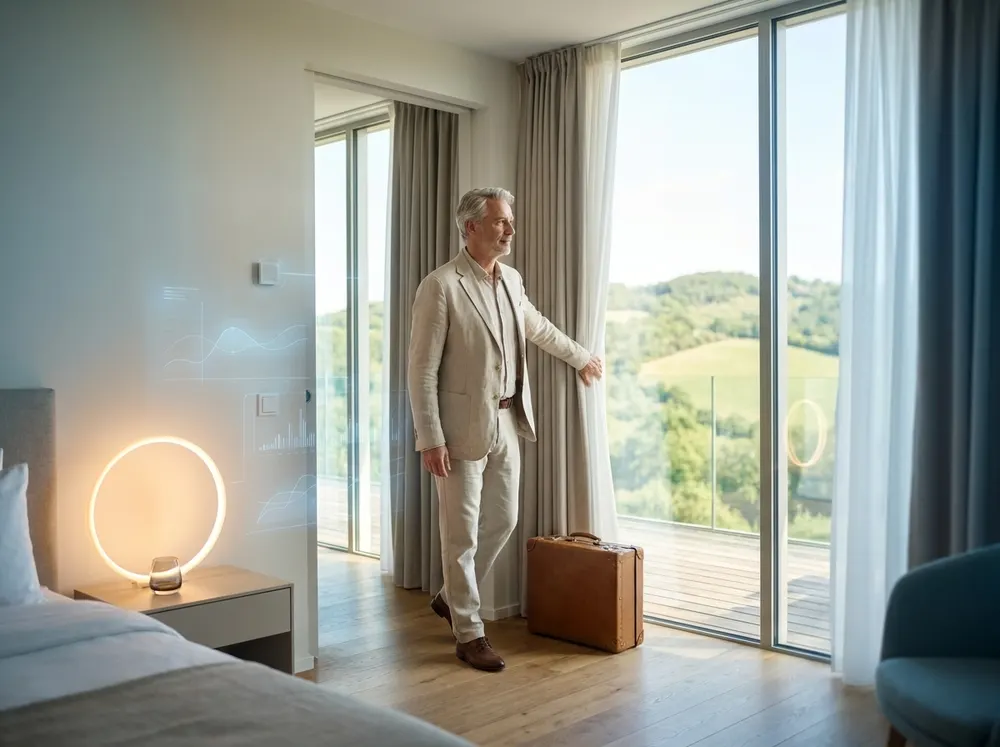
AI uses earlier room choices, requests and reservations to predict what this guest will value on their next stay, based on the preferences they have shared. It then suggests something that fits: a quiet room for the business traveller, an early table for the family, a late check-out for the guest flying home on Sunday. Rewards follow the guest's own travel habits as well. The next step is a room that adjusts to the guest. Lighting, temperature, pillow, minibar and the art on the screen are set the way they like on arrival, even at a different hotel in the same chain.
- 04
 Applied
AI agents behind the desk
AI agents take reservations, change bookings, answer the phone and draw up rotas, within fixed limits.
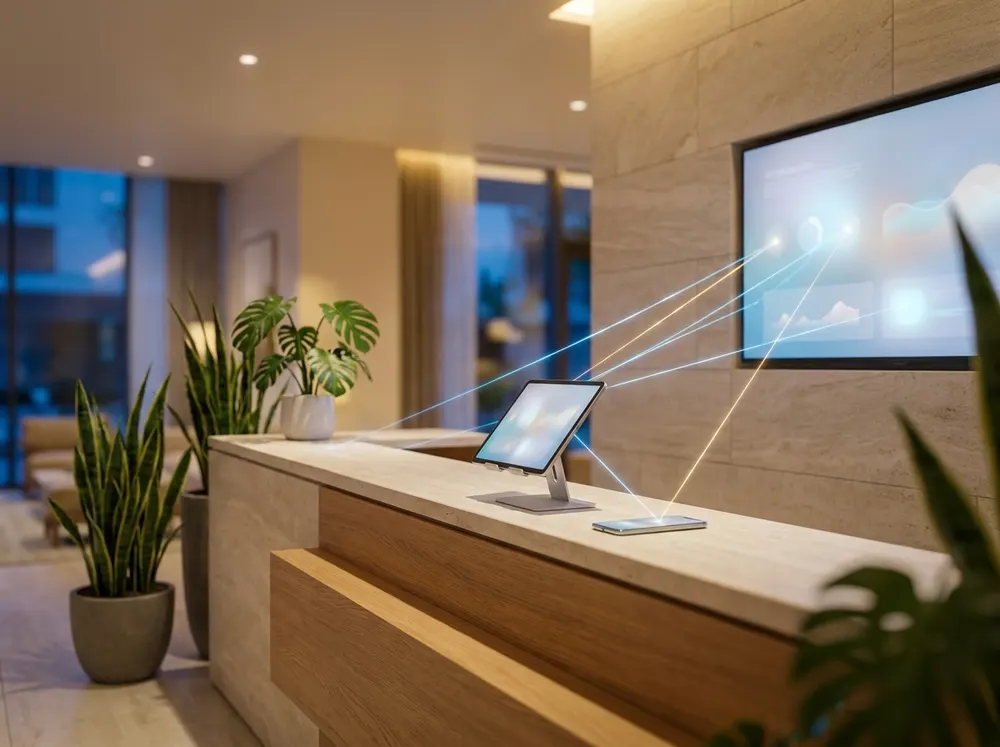
An AI agent completes a task by choosing the steps itself and using the systems it is connected to, within limits the business sets. A guest calls to add a night to their stay: the AI agent checks availability, works out the price, amends the booking and sends a confirmation. Voice agents that take and change reservations are already in use in hotels; other AI agents process group enquiries or build rotas around expected demand. In time, one layer of AI agents will connect every system. Bookings, tills, housekeeping and maintenance then work as one: the AI agent releases a room as soon as it has been cleaned, and books the engineer when a tap starts leaking.
- 05
 Applied
The smart kitchen
In the kitchen, AI forecasts how many guests will come and measures what is thrown away. Purchasing and menus follow from that.
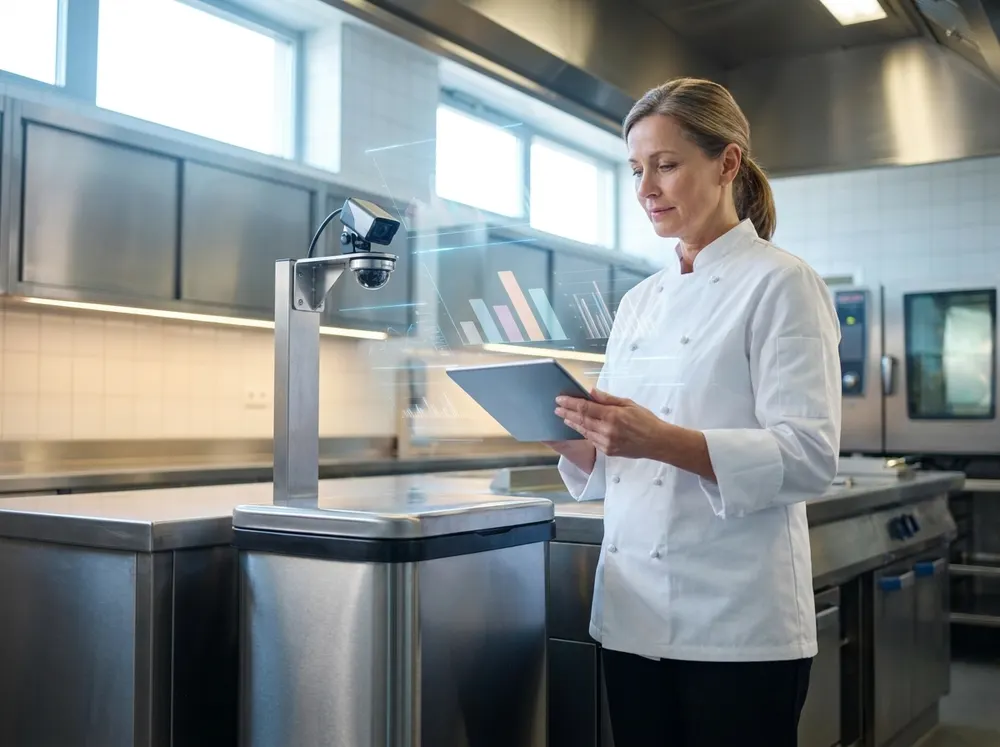
Smart kitchen systems tackle food waste from two sides. A camera above the bin recognises what is being thrown away, and scales underneath weigh how much. The chef can see which dish, or which part of the breakfast buffet, is regularly left over. AI also forecasts how many guests will turn up, using reservations, occupancy, the weather and previous years. Kitchens that measure this way often report a clear drop in waste. The next step is a kitchen that does its own buying: AI orders from suppliers based on the forecast, adapts tomorrow's menu to what is left and sends surplus on to its next use. After that, each plate can be matched to the guest's nutritional profile.
- 06
 Applied
Visitor flows in balance
AI forecasts crowds at parks, museums, events and whole destinations, and helps spread visits more evenly through the day.
AI forecasts crowds from ticket sales, reservations, the weather, holiday periods and sensor counts. Theme parks, museums and events spread visitors with time slots, off-peak prices and a quieter route in the app. Across a whole destination, public authorities use similar data to plan transport, access rules and campaigns. The next step is a digital twin of the whole destination, which models crowds days ahead and steers them with daily quotas and entry fees that move with demand. Since 2024, a busy historic city has been trialling an entry fee for day visitors on selected days, so residents can keep their city liveable and visitors have a better day.
- 07
 Applied
Contactless stays
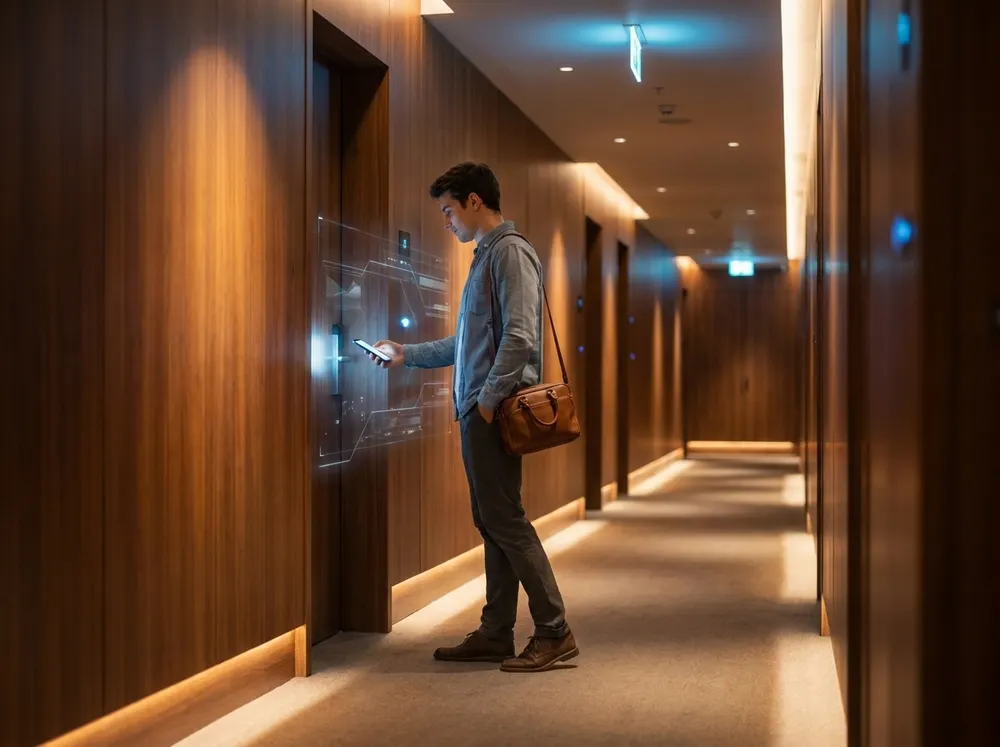
Guests check in beforehand and open their room with their phone. AI says when the room is ready, and the team sees who needs attention.
In hotels with mobile check-in, the first contact with a member of staff moves to a moment the guest chooses. That gives reception a different role in the stay. AI combines arrival times with housekeeping progress, so guests know sooner when their room is ready, and picks an available room that matches their wishes. The team can see which arriving guests need personal attention, for instance because of a special request or a delayed journey. A digital key on the phone opens the door as soon as the room is available. Staff welcome guests out on the floor, while the paperwork happens in the background.
- 08
 Applied
Robots in service
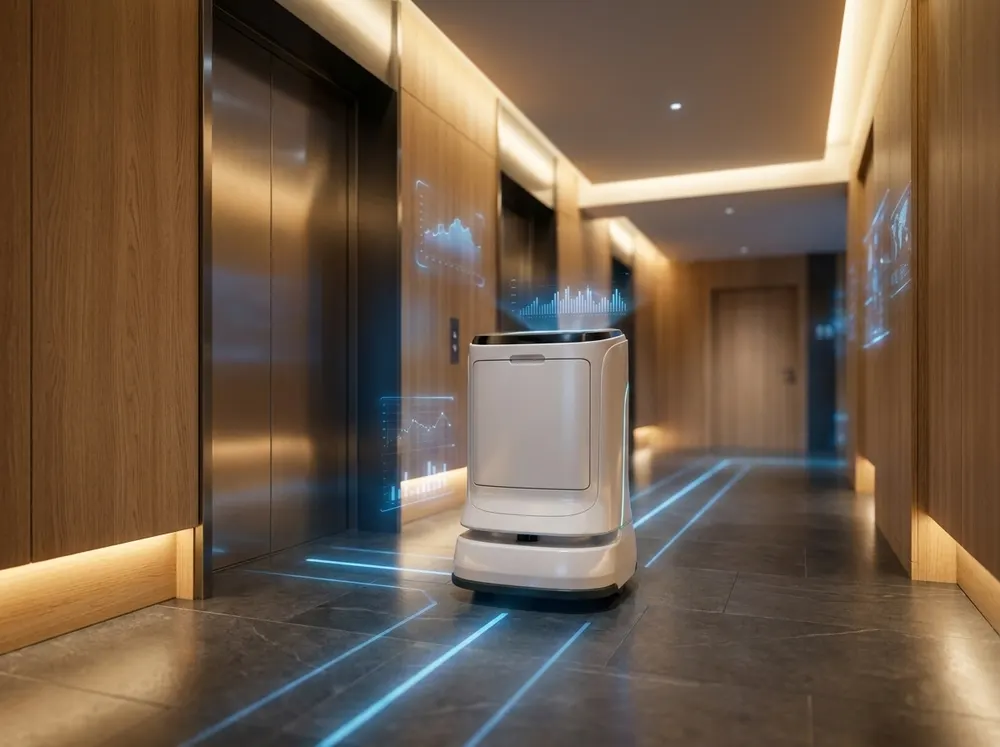
Robots bring towels to the room, vacuum the corridors and work the fryer. Sensors and AI help them move around people.
Many hotels already have delivery robots that call the lift themselves and drop off a towel or a toothbrush. Cleaning robots do the corridors and lobby at night, and some kitchens have robots that fry, stir or make coffee. Cameras, sensors and AI let such a robot read its surroundings, so it steers around a pushchair and slows down when someone walks in front of it. When staff are short, the robot takes over the repetitive work. Staff spend less time delivering and cleaning, and more time with guests and on the problems no system foresaw.
- 09
 Applied
The self-running hotel
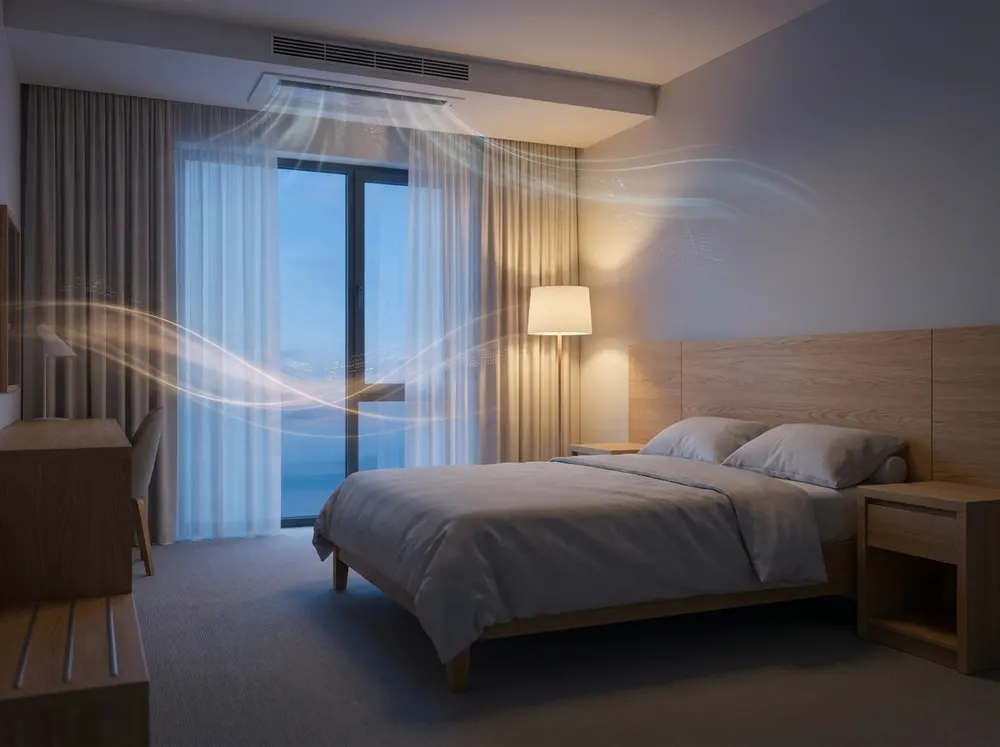
Sensors and AI manage climate, light and energy per room based on bookings and occupancy. In time, the hotel will trade its energy too.
In a smart hotel, the systems know when a room is occupied. Sensors measure presence, temperature and air quality, and AI controls heating, cooling and lighting per room based on bookings and behaviour: an empty room is not cooled, and the room of a guest arriving at four is at the right temperature in time. The same data shows when equipment needs servicing, before a guest ends up in a hot room. Hotels could then start trading energy. AI runs solar panels, a battery and heat storage hour by hour: charging when power is plentiful, feeding it back when the grid is under strain. A hotel also becomes a small power station.
The future of hospitality and leisure
Where hospitality, travel and leisure could be in five to fifteen years, with AI as the engine.
- 10
 Future scenario
The hotel that sells to AI agents
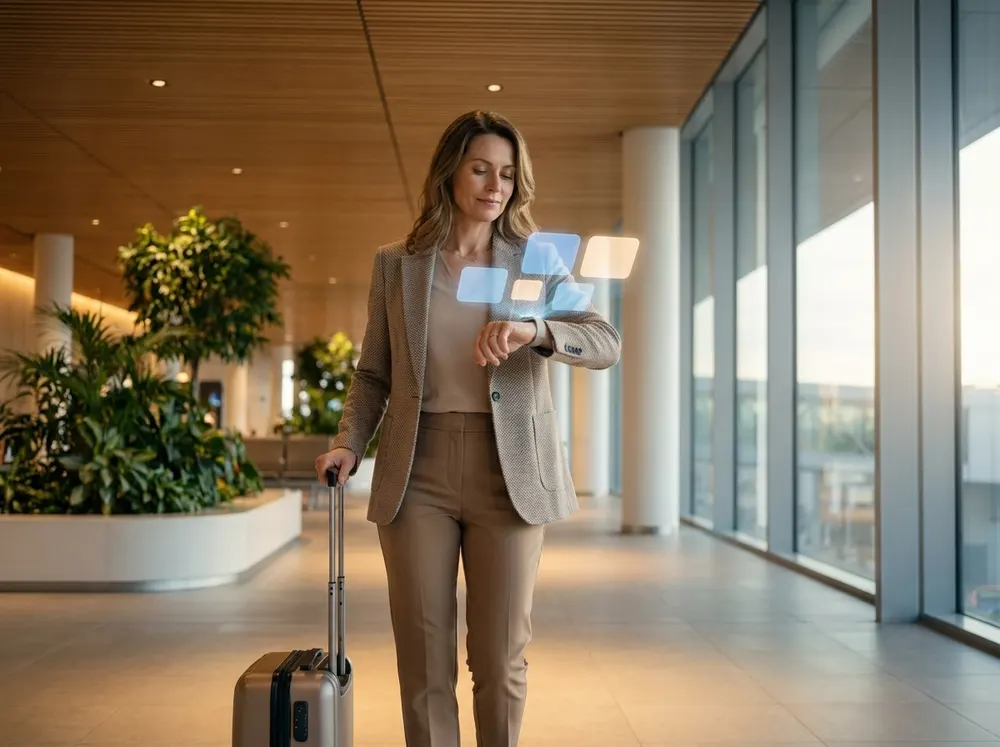
Around 2032, the guest's AI agent negotiates with the hotel's AI agent. The shop window becomes whatever a machine can read.
The first AI agents already complete a travel booking on their own, payment included, and payment companies are building systems that let AI agents pay on their owner's behalf. Market researchers expect a sizeable share of travel bookings to go through such AI agents around 2030. The scenario for 2032: a business traveller's agent knows their diary, budget and habits, asks the hotel's agent for a tailored offer and negotiates over a late check-out, a room with a desk or a table in the restaurant. If a flight is cancelled, it moves the stay before the guest has read the message. A hotel then sells partly to AI agents, and its hospitality starts with how its own AI agent negotiates.
- 11
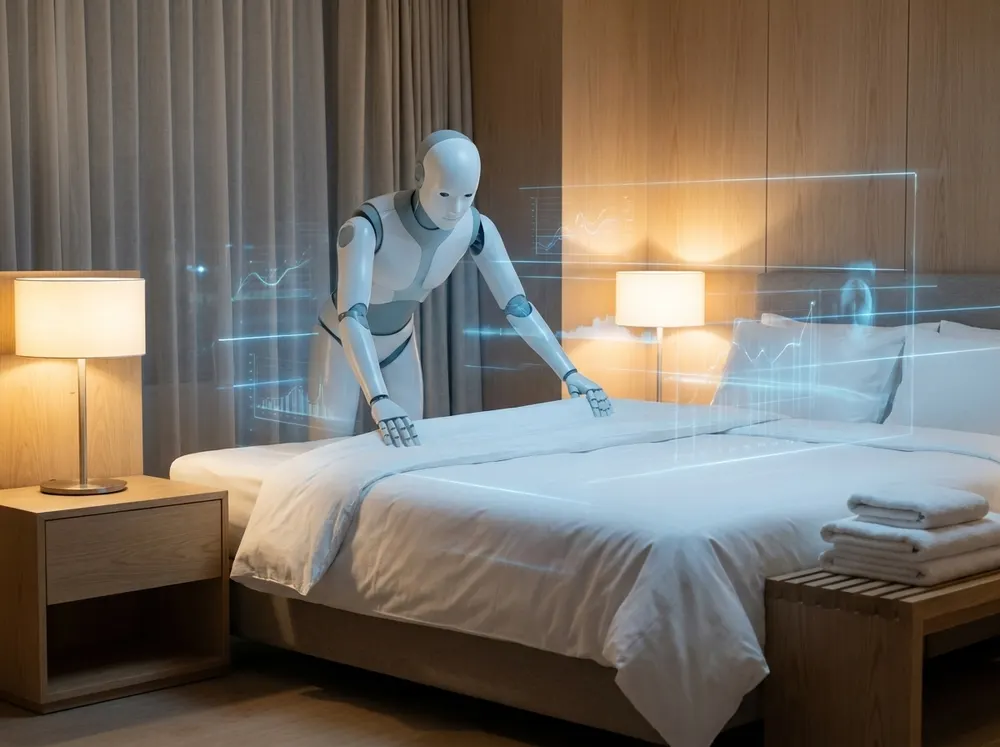 Future scenario
Humanoid robots in housekeeping
Around 2040, humanoid robots could make up rooms and restock supplies. Staff have more time for the guest.
Housekeeping is heavy work and hard to staff, and it asks more of robots than fixed movements: fabric changes shape, rooms differ and guests' belongings are somewhere new every time. In research, robots learn from demonstrations to fold laundry and clear tables, and the first hotels are testing robots for reception and cleaning. Investment banks foresee strong growth in humanoid robots towards 2035, with manufacturing as an early market. At the same time, international sector research points to a possible shortfall of more than 43 million workers in travel and tourism by 2035. The scenario for 2040: humanoid robots make up vacated rooms and restock supplies. Staff check the quality, help guests and take care of special requests.
- 12
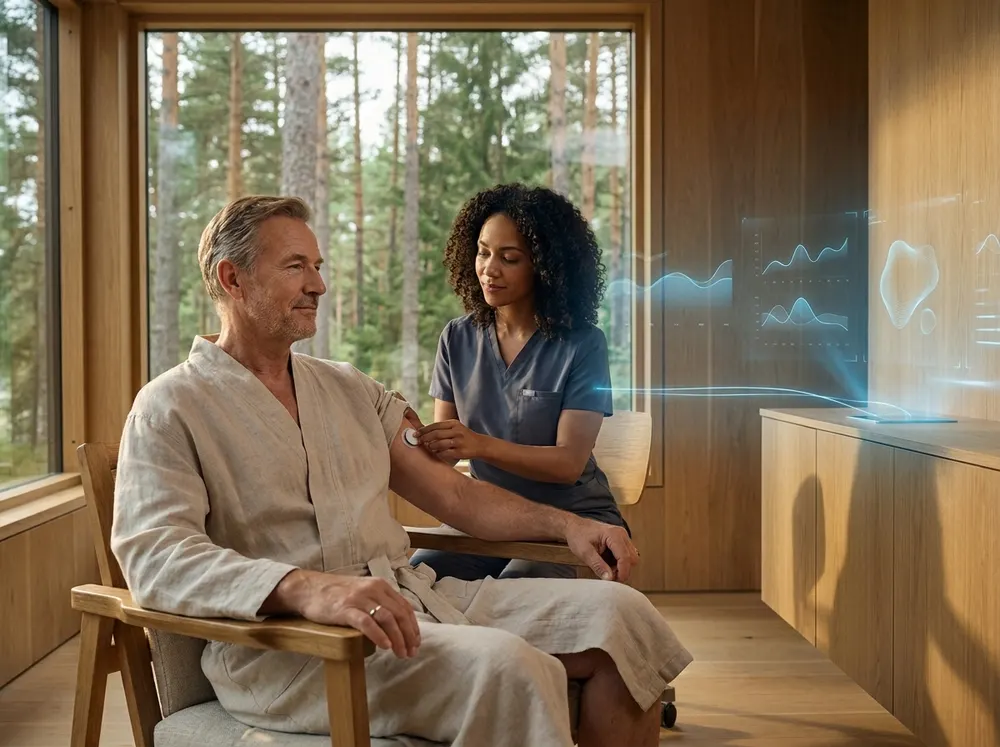 Future scenario
Holidays for a longer life
In the world of 2040, a digital twin estimates what a stay could do for your health. The resort keeps supporting guests between holidays.
Wellness tourism is growing faster than tourism as a whole, and resorts already combine body measurements, biological age tests and personal programmes, sometimes as a subscription. The next step comes from research: digital twins that use a person's health data to calculate what a different lifestyle could bring. The scenario for 2040: before the trip, such a model compares how sleep, food, training and length of stay might work out for this one guest. Doctors and coaches choose the programme with them, and measurements during the stay and at home make the model steadily more precise. The resort becomes one stop in years of support, alongside the gym and the doctor. The business model shifts from overnight stays to a healthy life as a service.
- 13
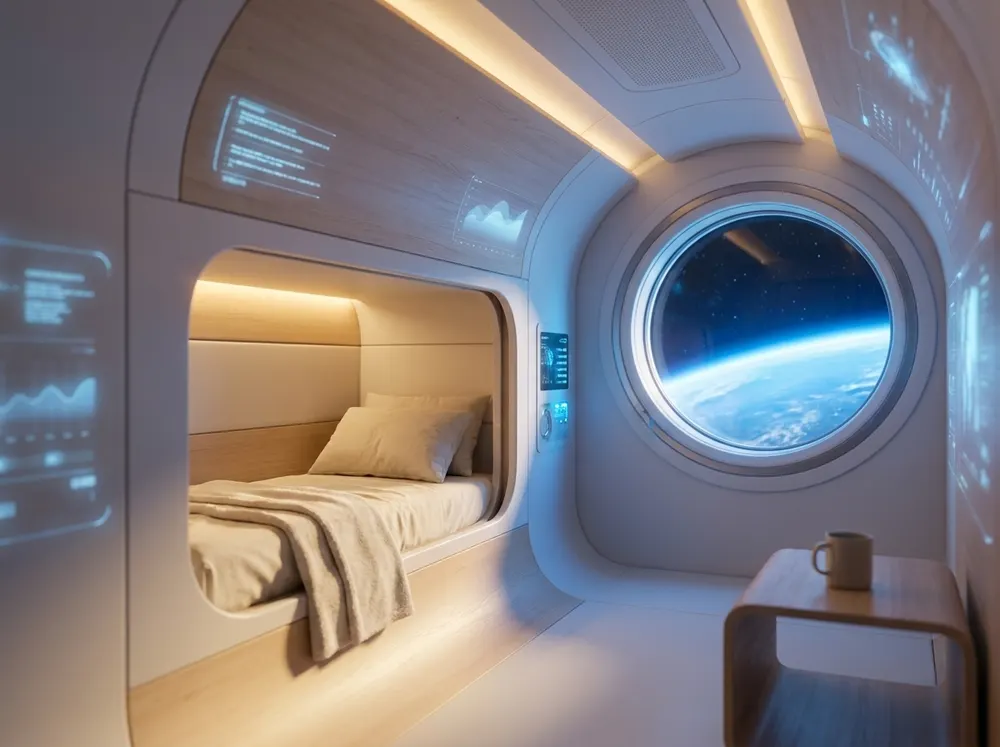 Future scenario
The hotel in orbit
By 2040, a space station could have a hotel section, with private quarters, fixed arrival dates and its own service team.
Since 2021, tourists have been taking short flights to the edge of space, and private individuals have already spent days in orbit. The International Space Station is scheduled to be retired around 2030; commercial successors are in development. The scenario for 2040: a station gets a hotel section with private quarters, a shared dining area and a lounge looking down on Earth. Guests book a stay with fixed arrival dates, tied to regular flights into space. AI balances supplies, energy and occupancy; the crew looks after guests in weightlessness. Alongside space transport, a hospitality business of its own takes shape, with room revenue, returning guests and its own service team.
- 14
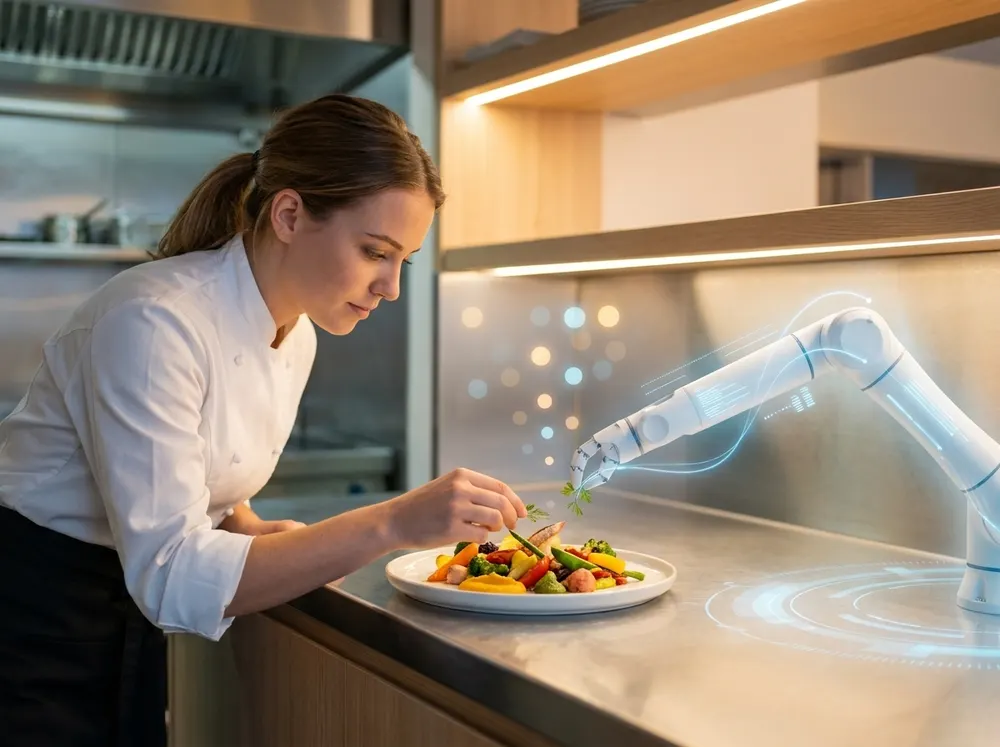 Future scenario
The restaurant that knows your body
Your glucose monitor knows how you react to pasta. Around 2040 the kitchen adjusts your plate to it, partly with protein from a fermenter.
Continuous glucose monitors have been on sale without prescription in parts of the world since 2024, and research shows that people react very differently to the same dish. Cultivated meat and proteins from precision fermentation have been approved in a few countries, and robot kitchens already prepare set parts of a recipe. The scenario for 2040: when booking, the guest shares a nutritional profile, and AI puts together a menu that suits their blood test results, fitness goal and taste. The kitchen prepares every plate differently, with a robot for the precise work and a chef for flavour and presentation. The menu becomes a conversation, and a dish gets a second yardstick besides flavour: what it does for you.
- 15
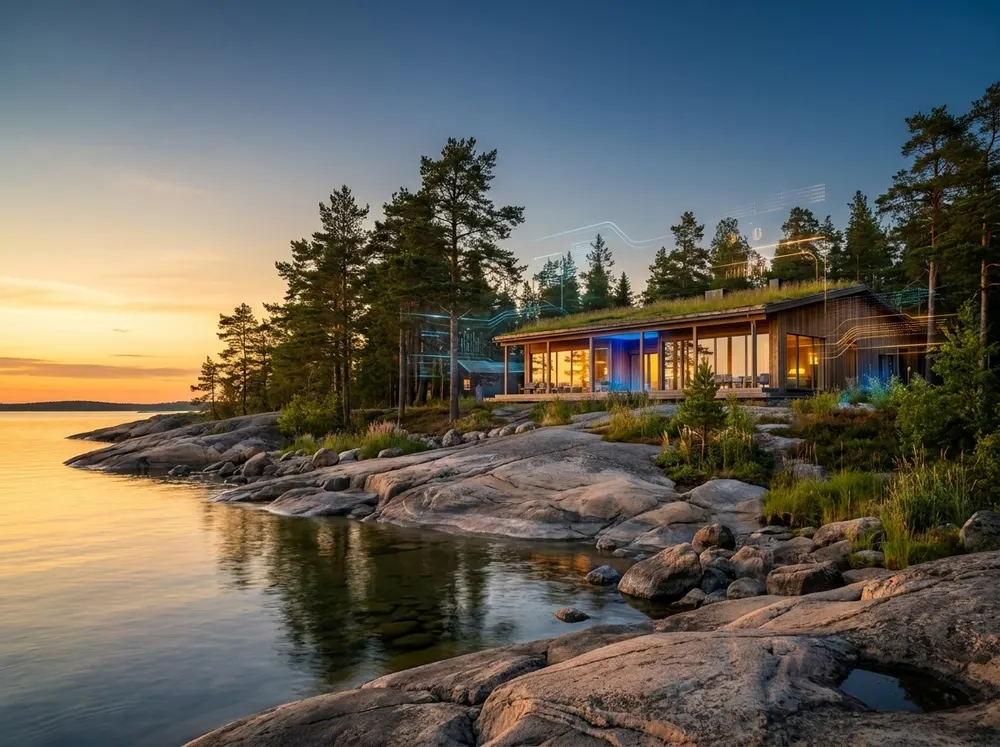 Future scenario
Summer moves north
Hotter summers change where people go. AI models region by region which destinations gain by 2040, and where the high season changes.
Research by the European Commission shows that with strong warming, summer demand for southern Europe falls and demand further north rises. With two degrees of warming, according to a 2023 study, more than half of the European ski resorts studied face a very high risk of snow shortage if no artificial snow is made. AI weather models now produce forecasts up to two weeks ahead and outperform conventional models on many measures. The scenario for 2040: southern coasts draw more guests in spring and autumn, mountain regions sell summer coolness and northern coasts get a longer summer season. Chains and destinations choose their locations and investments on climate scenarios that AI calculates region by region.
AI gives hospitality its time back: for the guest walking in, the wish nobody saw coming, the evening that turns out to be special. What a team does with that time is what sets it apart.
Richard van Hooijdonk
The hospitality organisation of the future
What AI asks of roles, teams, leadership and culture in a hospitality business.
- 16
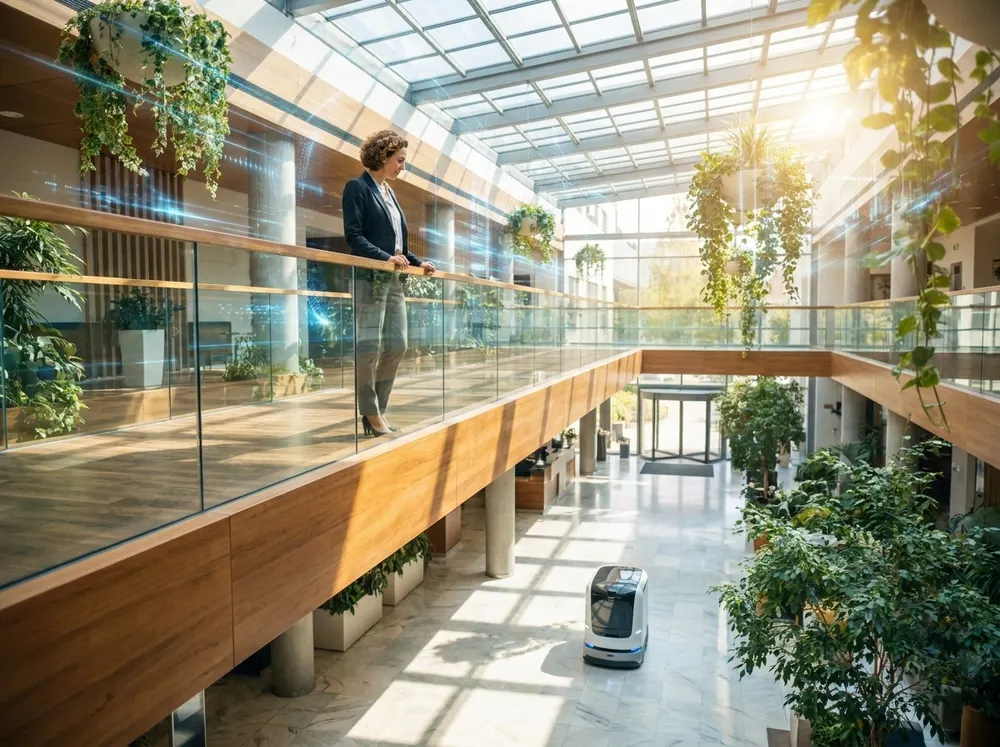
The AI-first organisation
Reservations, rotas and forecasting demand move to AI and AI agents. Receptionists, cooks and waiting staff focus on the guest.
Planning, enquiries, routine questions and forecasting demand: in an AI-first organisation, AI, AI agents and robots do the work people don't need to do. Staff concentrate on what a guest remembers: personal contact, attention and a solution when something goes wrong. At the busiest moment of the week, AI has already predicted the rush and an AI agent answers the phone, so the team has time for the guest with an unusual request. Staff get more room to read a guest, give advice and make a moment special. Around 2040, such an organisation could run on a small permanent team working alongside AI agents and robots.
- 17
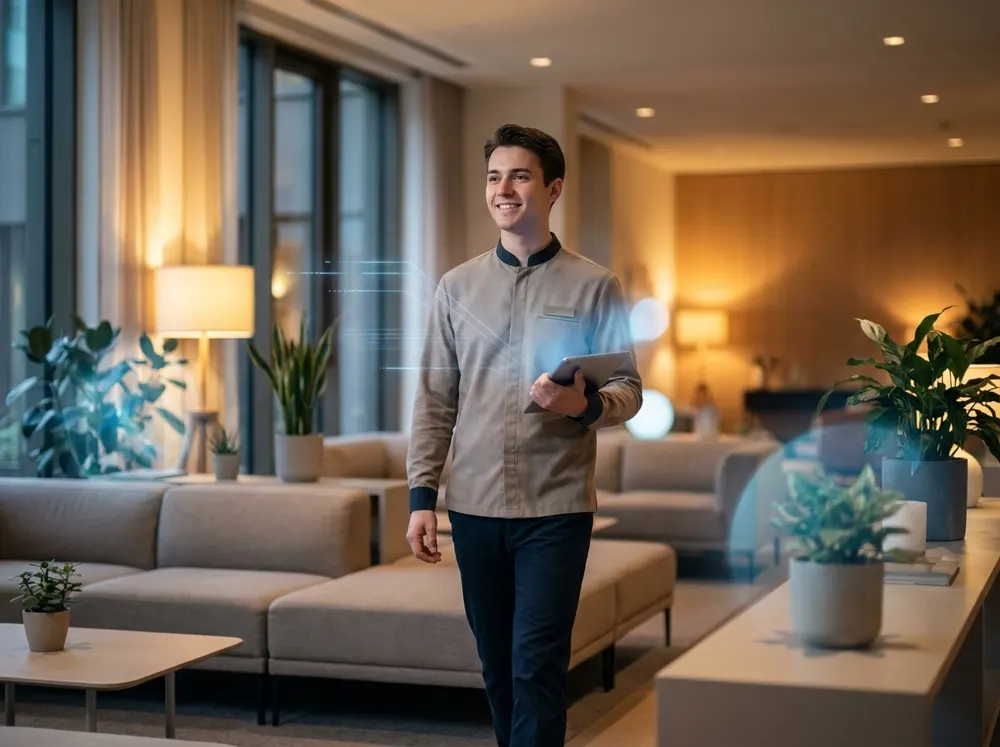
Reception becomes guest host
Reception gets more time for the guest. New roles appear, such as trainer of the hotel's AI agent and leader of the robot team.
When guests check themselves in and an assistant answers the routine questions, the work at the desk changes. The receptionist becomes a guest host: walking the lobby, recognising guests, solving problems and making sure everything about the stay is right, from arrival to departure. Roles that barely exist today appear as well. The trainer of the hotel's AI agent teaches this digital colleague how the hotel speaks to guests, how to handle unusual requests and when to call in a person. The night-shift lead directs the robots and humanoid robots that make up the rooms. And at the resort, a longevity coach guides guests through a programme that carries on at home. Staff gain new career paths, including those who once started behind the desk.
- 18
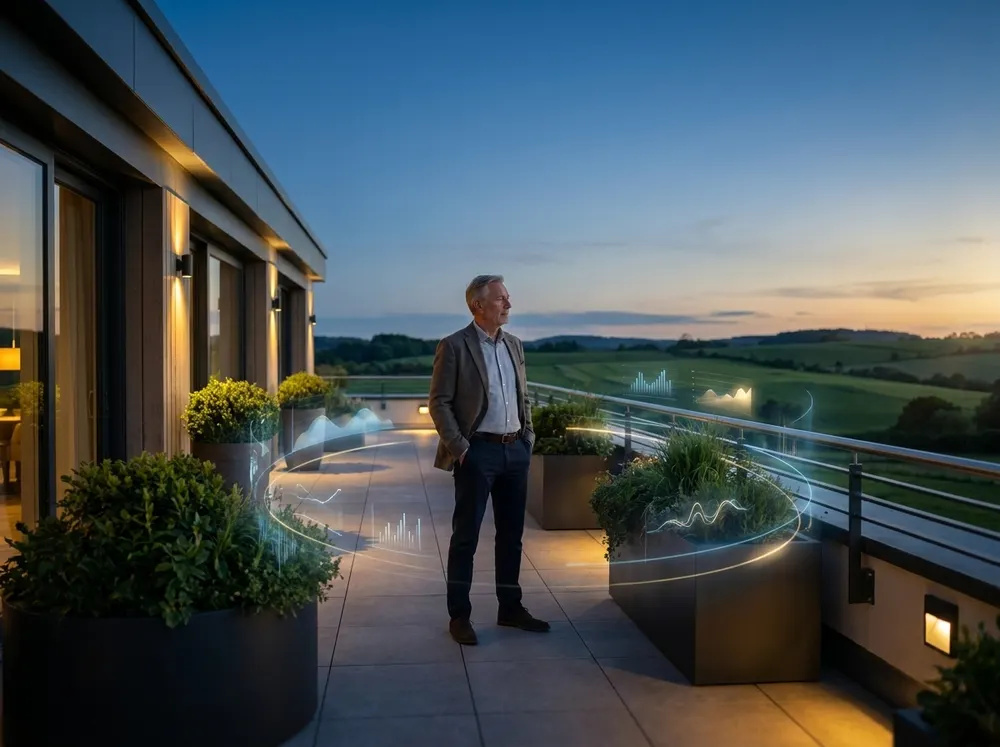
Leadership in hospitality
Leaders in hospitality take the initiative on AI and new technology, and get their teams building tomorrow's hospitality together.
A picture of the future only means something once staff see what it changes in their own work. Leaders in hospitality take the initiative on AI and new technology, and turn where the business will be in five or ten years into steps everyone understands, from the kitchen to reception. They start with small changes that everyone can see, leave room to experiment and involve staff in the ideas, so the team builds the future together. Even when AI agents and robots join the work, leaders give their people direction and room to move.
- 19
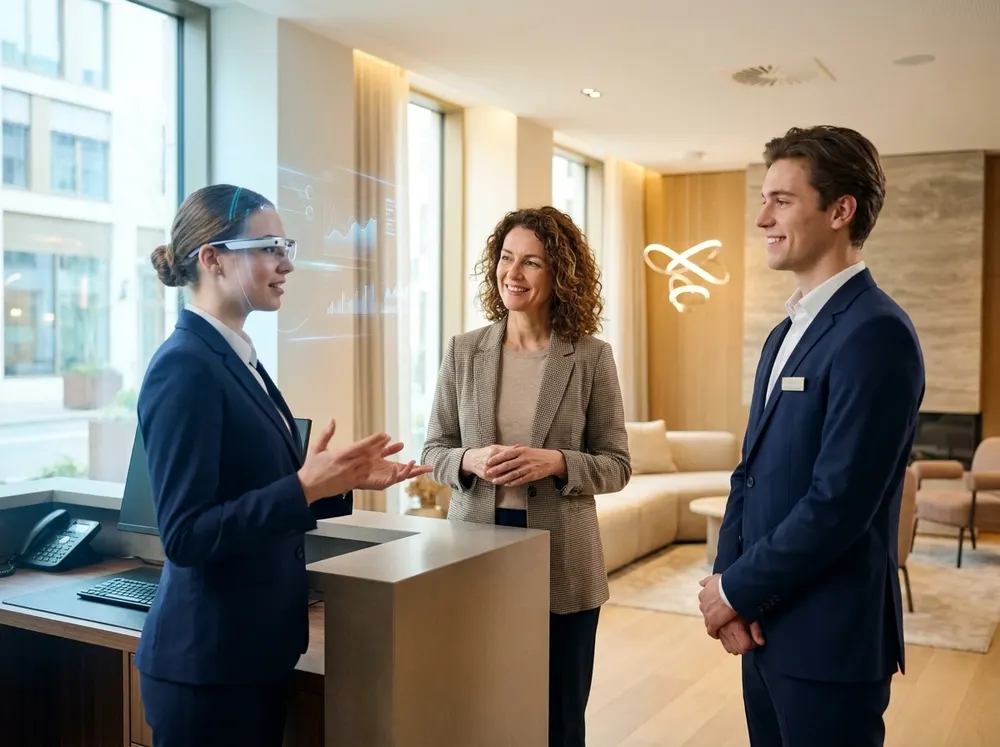
The future academy
Experienced staff and newcomers practise with AI and new technology in a future academy. Leaders learn to divide the work differently.
In a future academy, an organisation prepares its people for the future instead of waiting for the education system to do it. Current staff learn what AI, AI agents and other new technology change in their work, and how to work with them. New colleagues learn from day one to work alongside AI. Leaders practise deciding which work goes to people and which to AI. The lessons come from daily work and grow with the technology.
- 20
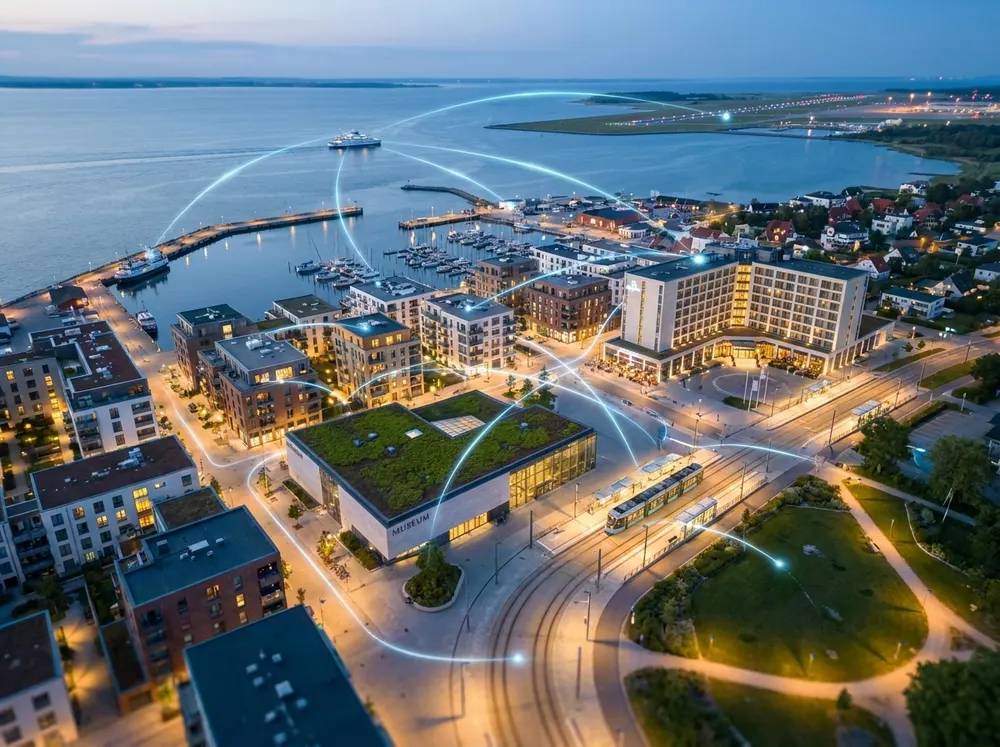
Growing as an ecosystem
Customers judge the whole, not one organisation. That is why start-ups, scientists, partners and governments work together on new ideas.
A customer rarely experiences a single organisation. They experience a chain of businesses and services, and judge the whole. Organisations therefore work more and more as an ecosystem, in which partners, start-ups, scientists and public authorities tackle shared problems such as crowding, staff shortages and sustainability. A joint forecast of visitor numbers helps everyone plan better. Partners can test an approach from abroad together and adapt it to their own work, so customers feel the difference sooner.
The other side responsibility and risk
Guest data and fraud: where AI in hospitality can go off the rails.
- 21
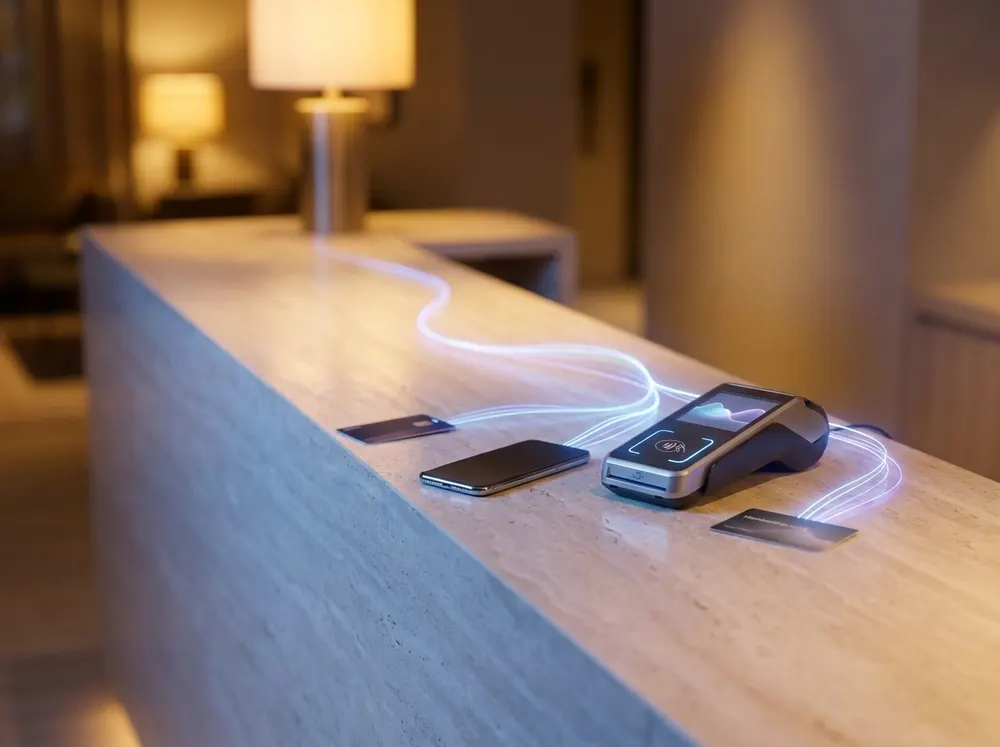
Data as the foundation
AI works when data from every department is available, reliable and connected. That is the foundation of the AI-first hospitality business.
The AI-first hospitality business lets AI forecast, plan and advise across departments. That only works when data from every part of the organisation is available, reliable and connected. Often it sits in separate systems, with their own codes and definitions, and one department does not know what another records. Missing data can lead to wrong answers, and an AI agent taking over a task then lacks important information. Linked, consistent and up-to-date data is therefore the foundation on which AI can work across the whole organisation. That includes clear agreements on who may use which data, and for what.
- 22

Travel and booking fraud
AI makes it easier for criminals to reach guest and payment data: through phishing in the hotel's style, cloned voices and ransomware.
A hotel holds valuable information: passport details, payment details, travel plans and access to accounts on booking platforms. AI makes it easier for criminals to get at it. They send guests a message with a payment link that sounds exactly like the hotel, call reception with a manager's cloned voice or shut down the reservation system with ransomware. The same AI that helps a hotel welcome every guest in their own language helps a fraudster send thousands of guests a fake payment request in theirs. In one test, almost half of the participants took a fake hotel page for the real thing. With every new AI application, more depends on how well guest data and booking systems are secured.
About the speakerRichard van Hooijdonk
Events in EuropeKeynote speaker for corporate events in Europe
On stage
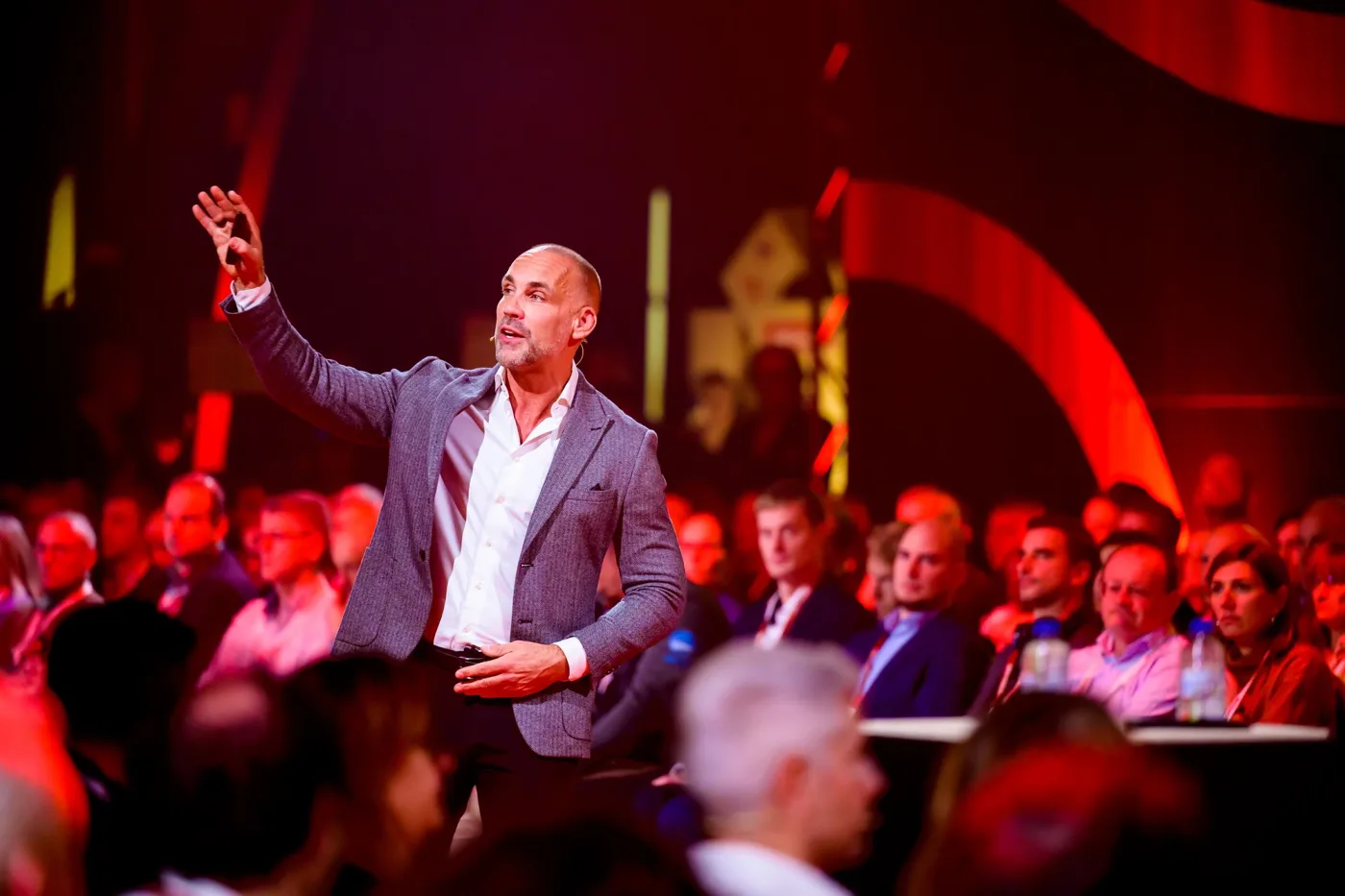
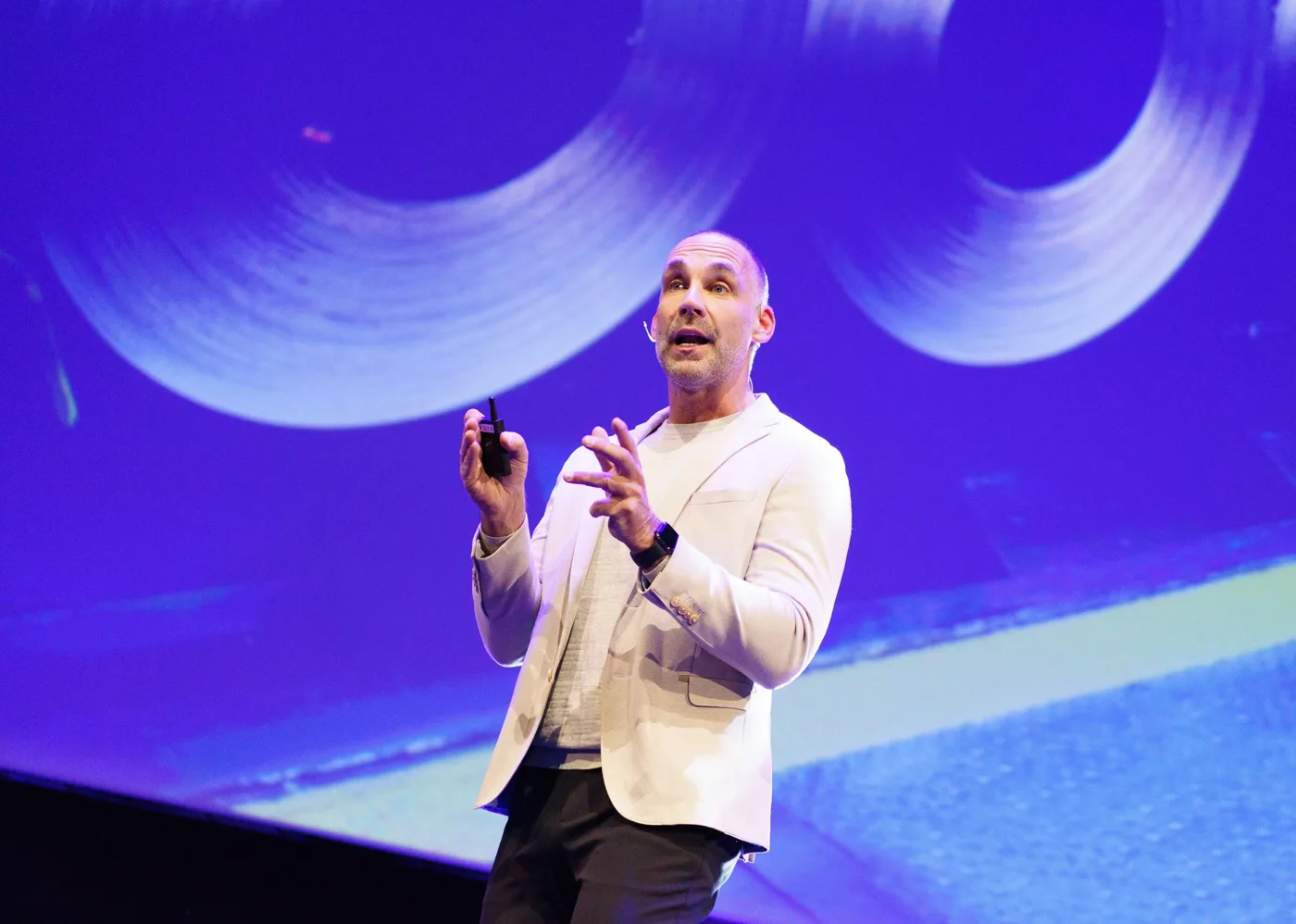
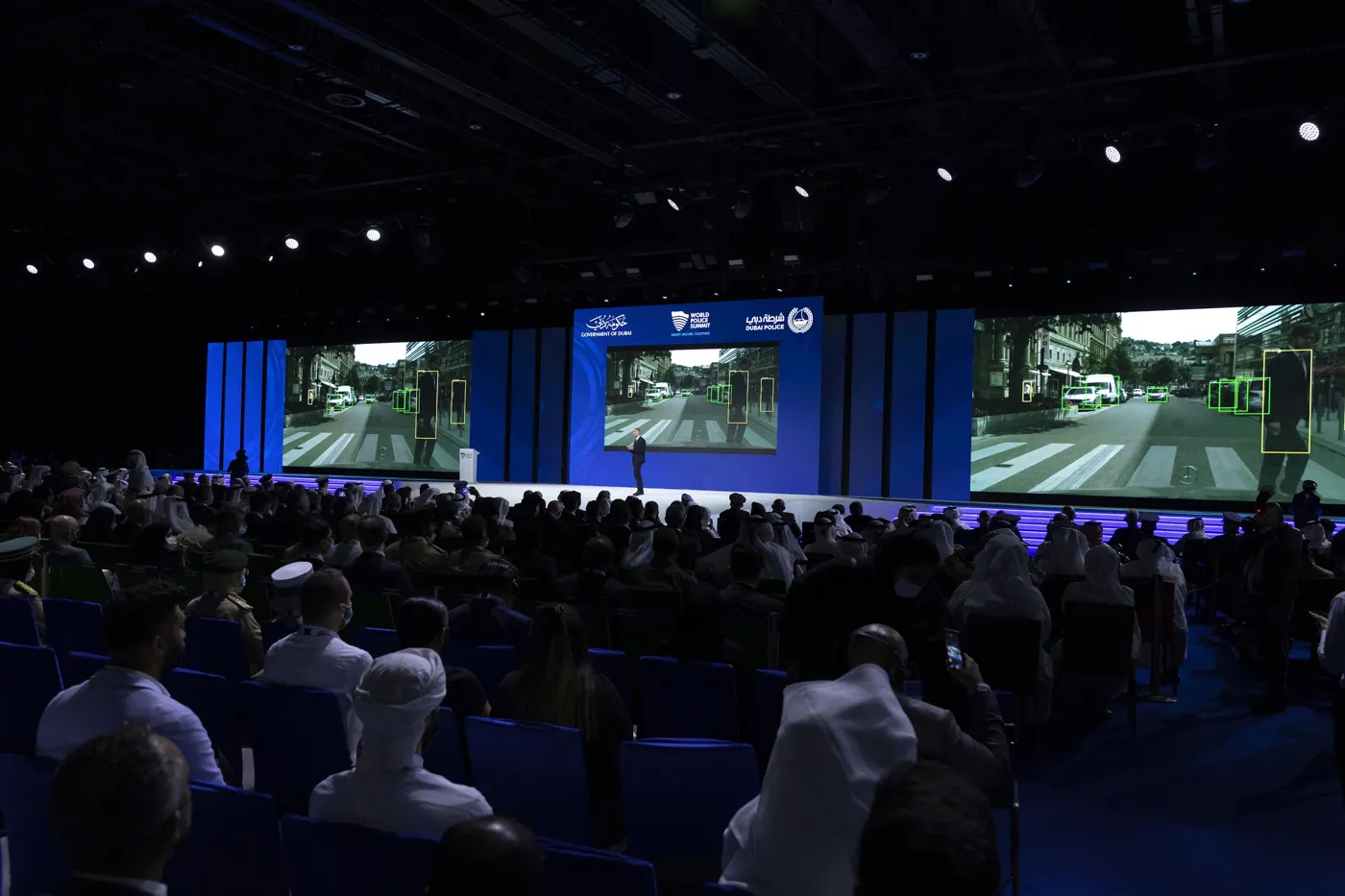
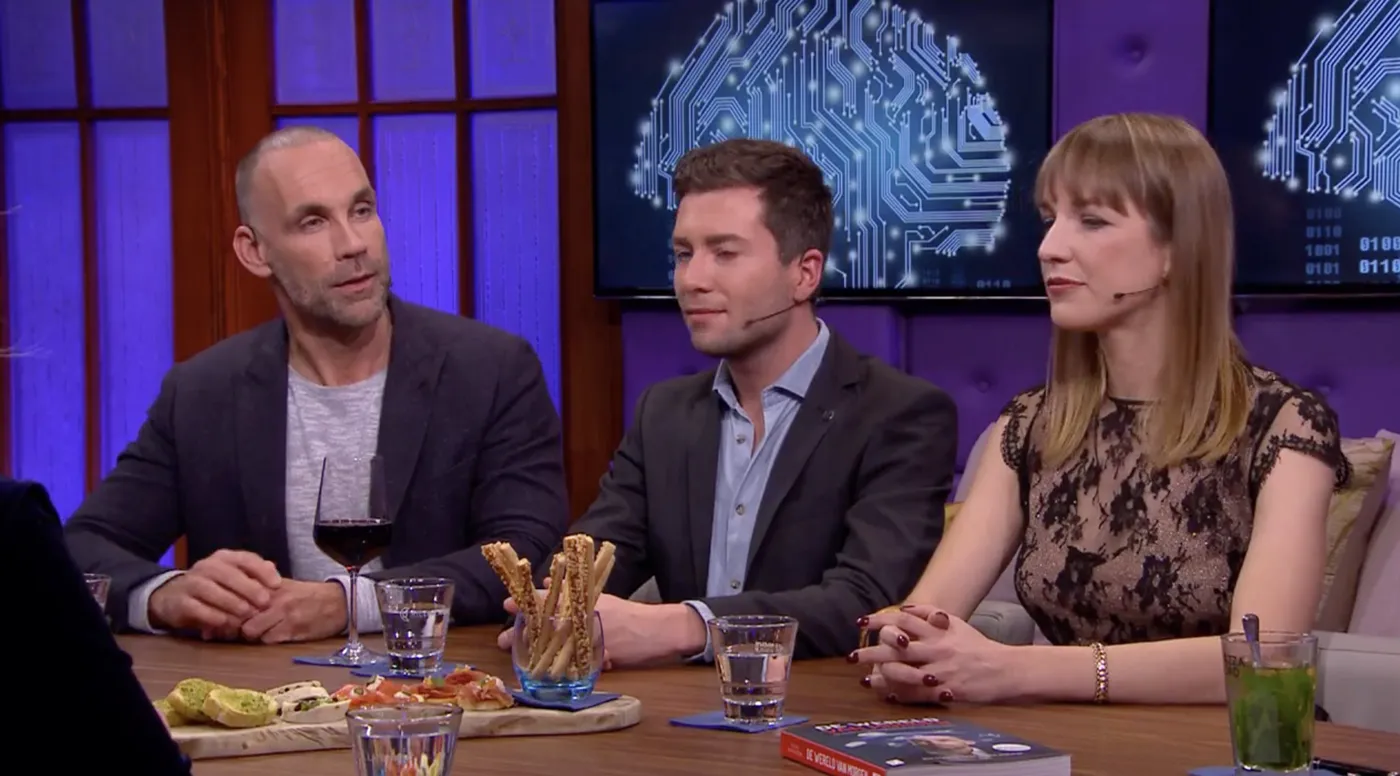
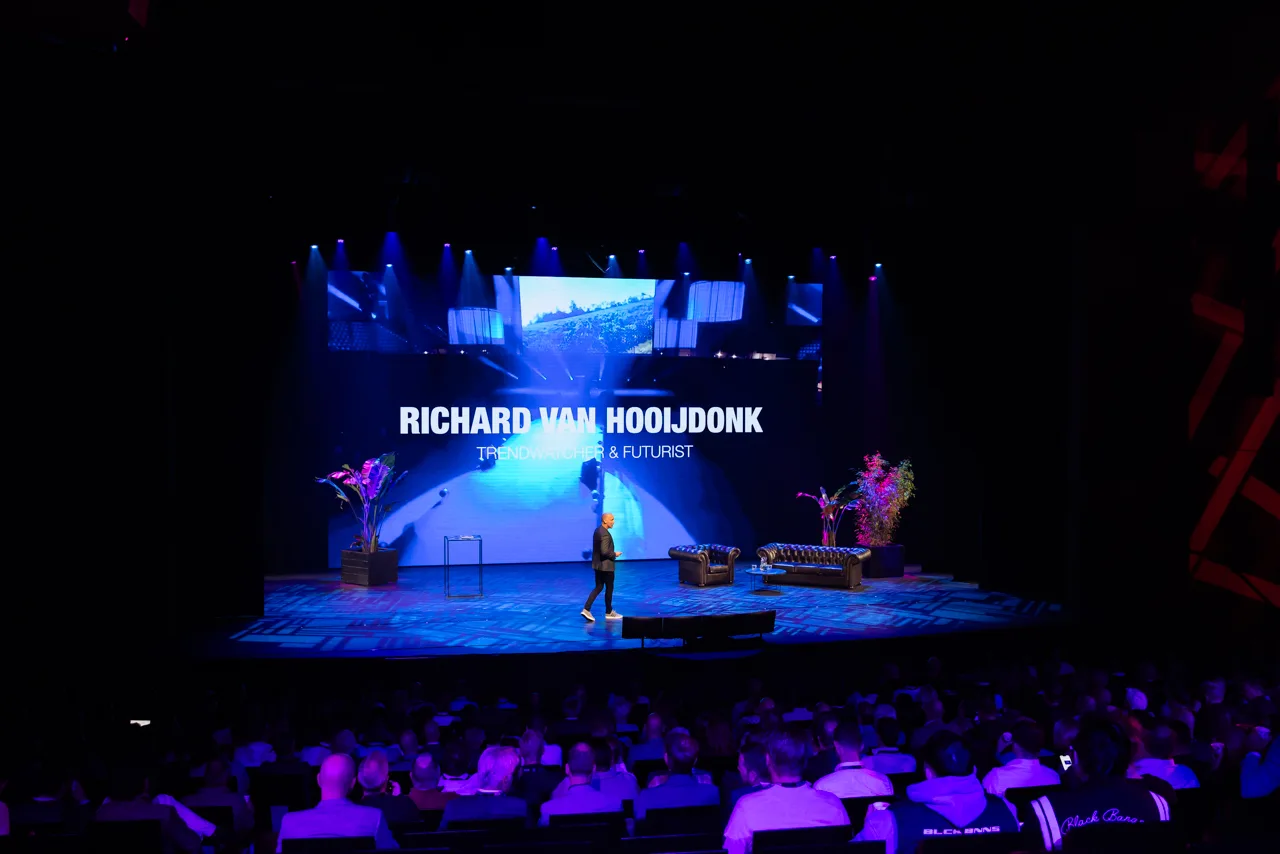
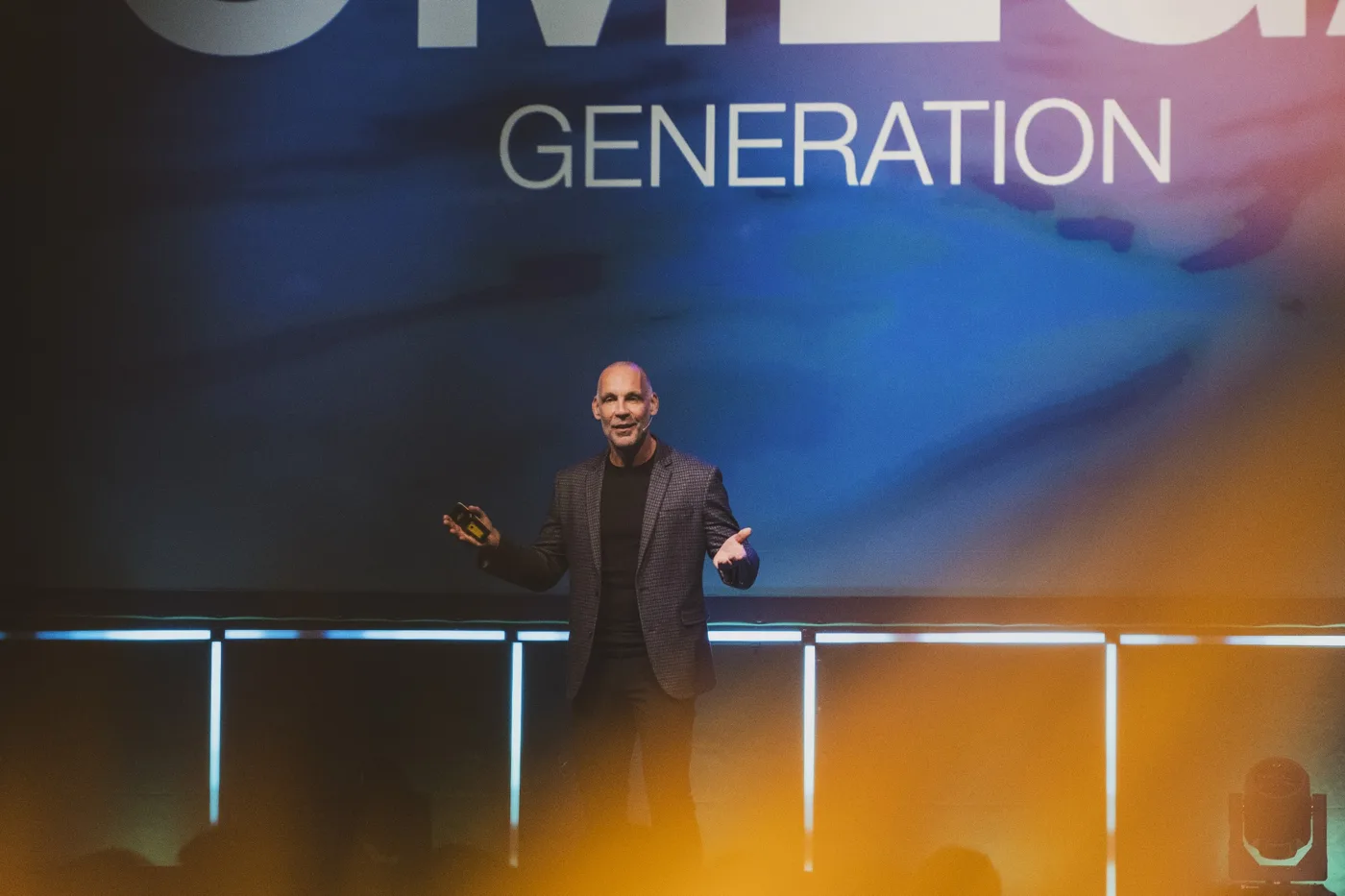
A packed conference hall, a televised panel discussion, a police summit in Dubai.
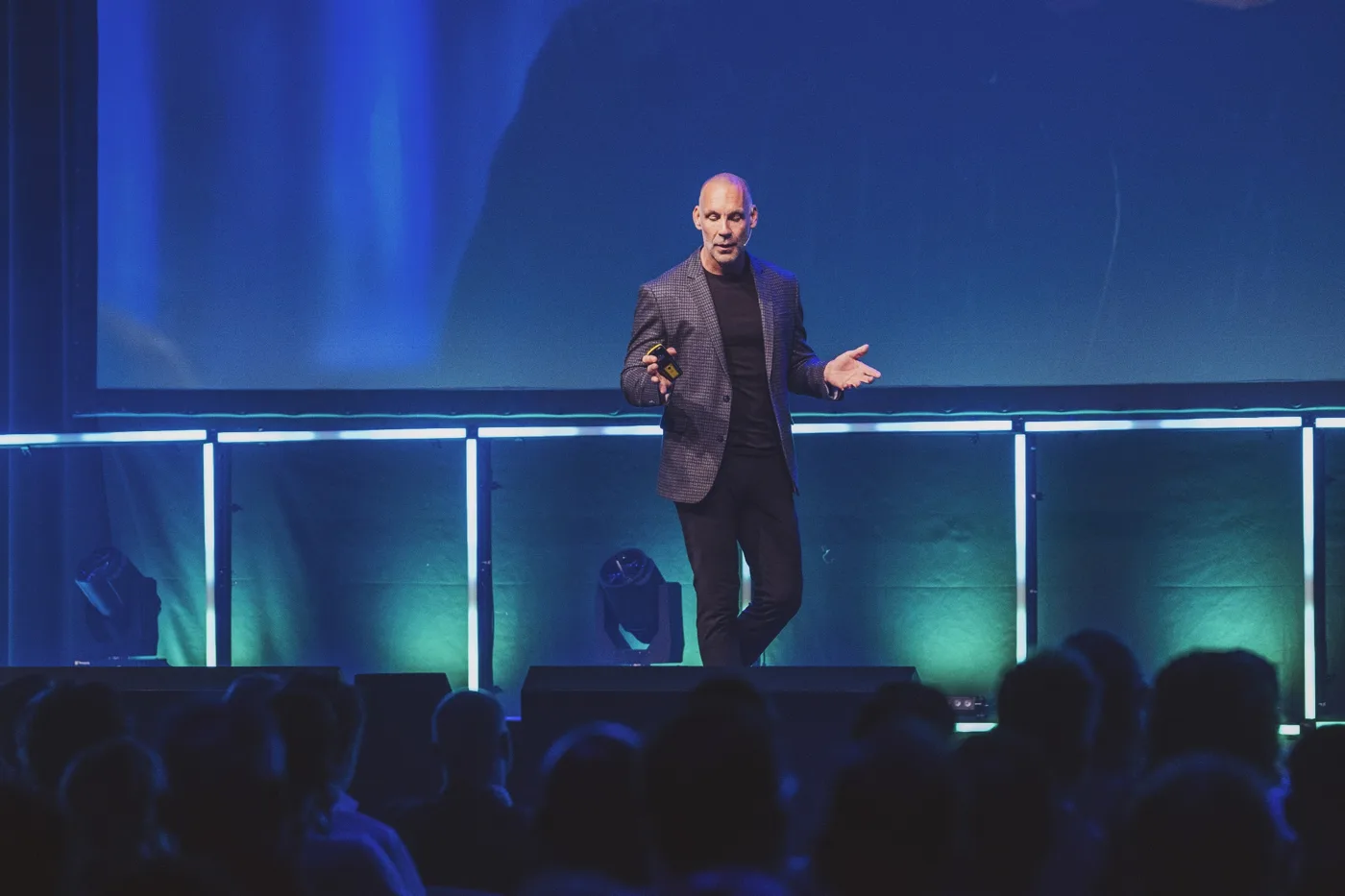

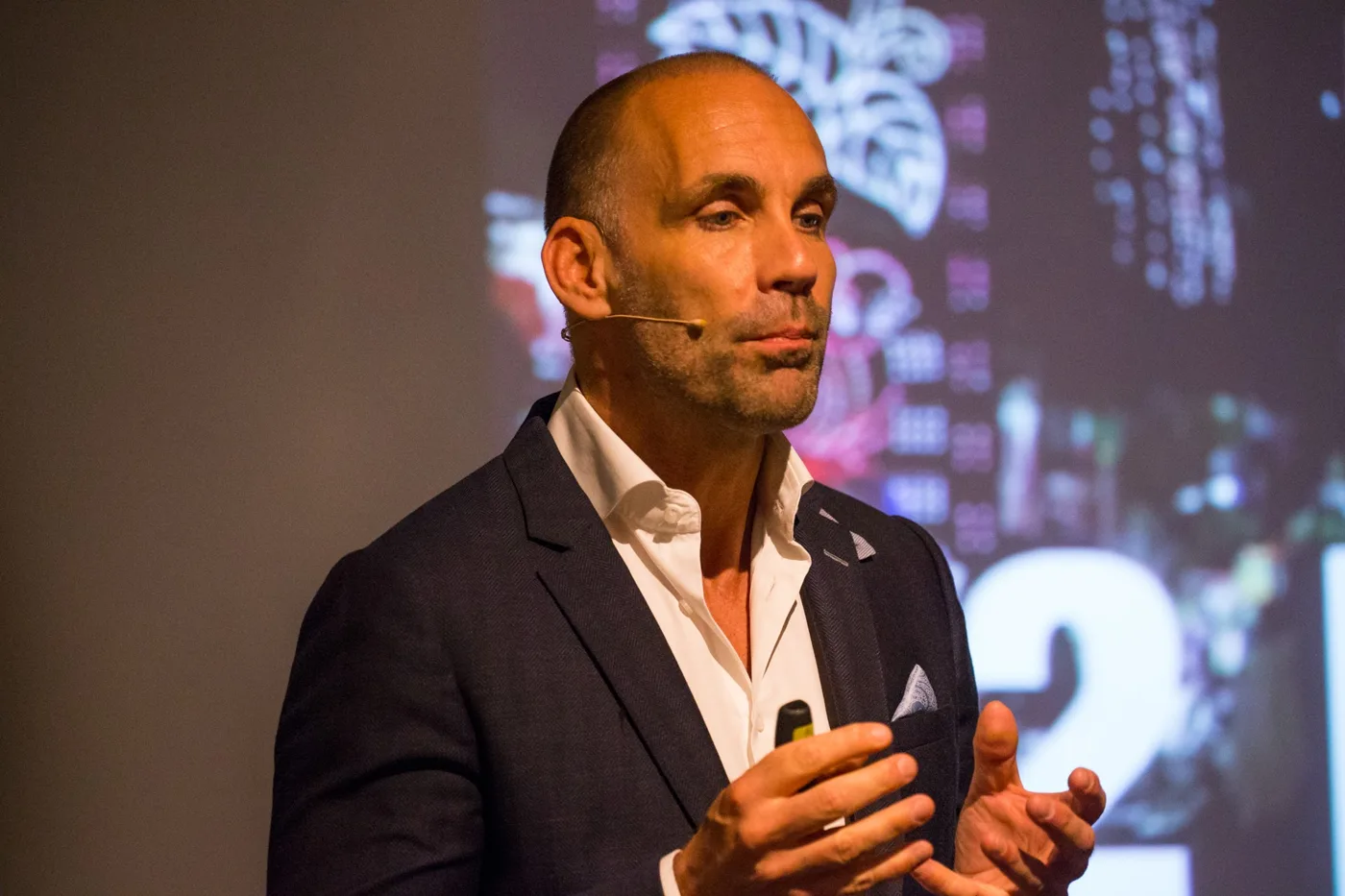
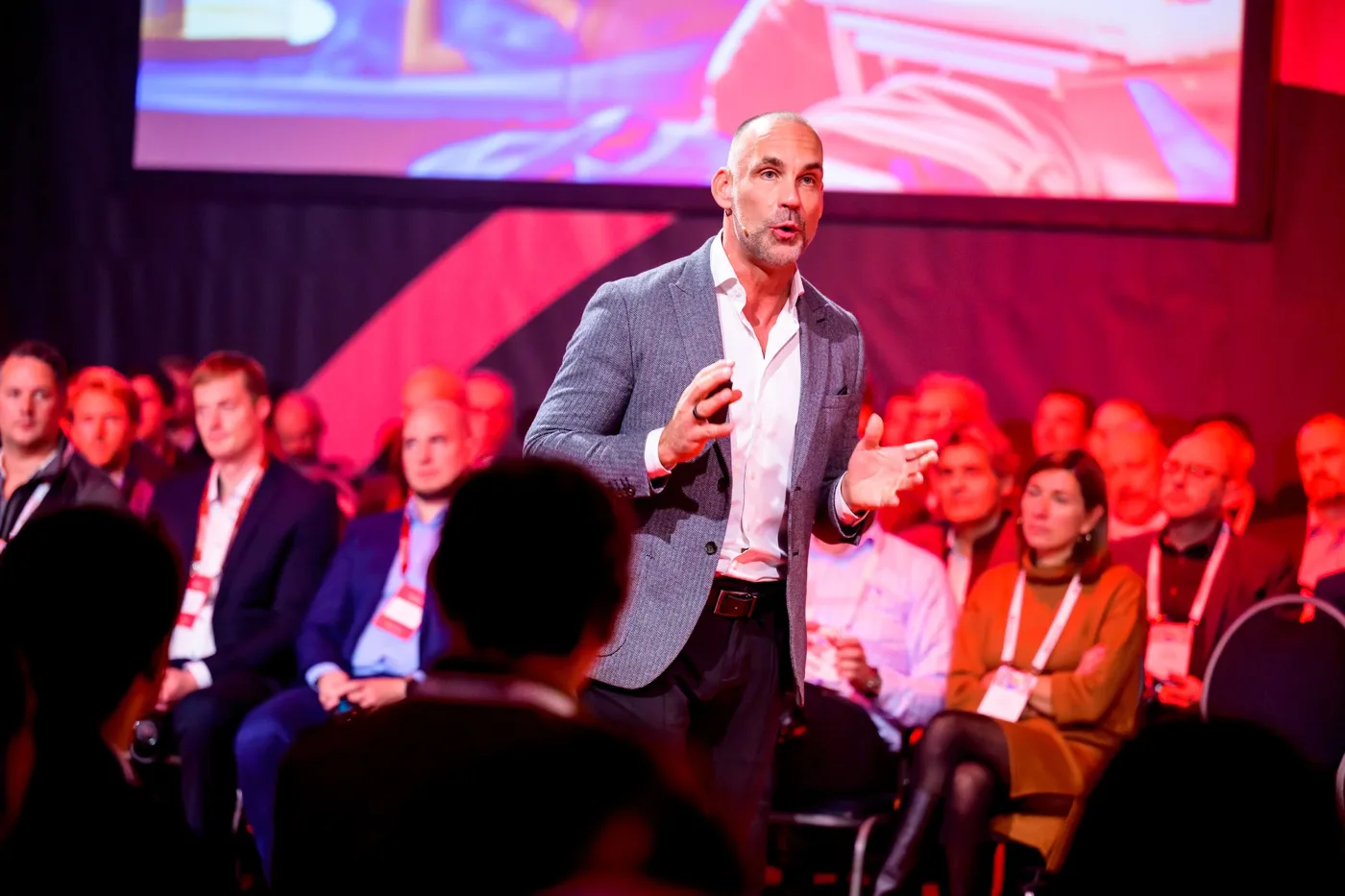
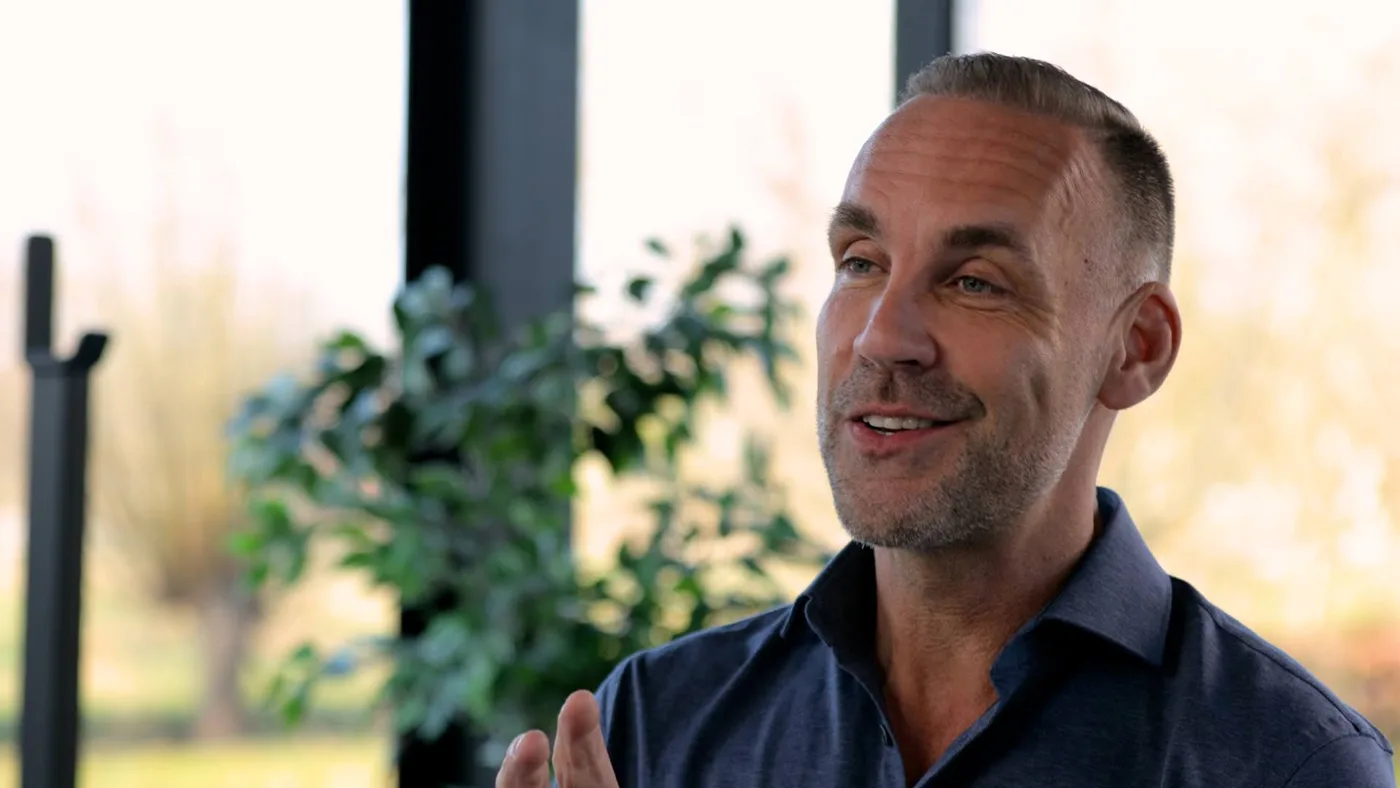
A selection of over 400 clients















What clients say

“Enthusiastic speaker, a good and versatile story. Everyone was ‘wowed’ by the lecture.”Read the full review →

“Great keynote that really opened our eyes. Sparkling and energetic, from beginning to end. Thanks Richard, for showing us this different view of the fitness market and its future.”Read the full review →

“A dazzling journey through new technology. The enthusiasm and energy during his presentation, combined with the visuals, provided a successful kick-off to our event.”Read the full review →

“An impressive and noteworthy presentation for our employees and customers. The rate at which change is happening, which you eloquently brought across in your energetic speech, requires a disruptive approach. To be continued!”Read the full review →

“Richard delivered an excellent presentation for the key clients we invited to Innovation Runway 2026. Engaging, interesting content, and thought-provoking statements made his presentation perfectly suited for our top relations.”Read the full review →
How a booking works
Your request
Use the form, or get in touch by phone, email or WhatsApp. A few lines are enough to get started.
We get in touch
We'd like to hear what your event looks like, who'll be in the audience and which themes interest you.
A written proposal
Covering the topic, format (on location or online), length (30, 45, 60 minutes or longer) and fee, so you can talk it over with your colleagues.
Getting to know Richard
Next, we'll find a time for the two of you to talk and brainstorm the keynote, the topics and the format. There's no charge for this.
Frequently asked questions
Who is this keynote for?
Hotel chains and independent hotels, restaurant and bar groups, tour operators and booking platforms, theme parks, museums, event organisers, sports clubs and fitness chains, as well as trade associations, destination organisations and trade fairs. The audience often mixes owners, executives, managers and front-line staff; the keynote is made for that mix. It also works for events for staff, guests and business partners.
What will the audience take away?
An up-to-date picture of what AI and new technology already do in hotels, restaurants, parks and gyms, and scenarios for the next five to fifteen years, including hotels that sell to AI agents, humanoid robots in housekeeping and holidays for a longer life. What that means for roles, teams, leadership and training. And an honest look at the risks, including fake bookings and fake reviews written by AI.
Does the keynote also cover the organisation itself?
Yes, and that is often the main focus: what reception does when guests check themselves in, how a team stays hospitable as systems take on more work, how to get new staff up to speed quickly and what that asks of leaders. Roles, people and technology, leadership, culture and learning get a dedicated part of the keynote.
Does the keynote cover the risks of AI?
Yes, always. Fake holiday rental sites, hijacked hotel accounts and fake reviews written by AI: that other side has its own place in every keynote for this sector, along with what you can do about it.
Does the keynote also suit sport, fitness and events?
Yes. Leisure goes beyond the hotel: holidays for a longer life, the restaurant that knows your body and spreading visitors across parks and events all feature. The examples are matched to the audience.
Is the keynote tailored to our organisation?
Yes. Beforehand there is an introductory call about your audience, the purpose of the event and what is happening in your organisation. A conference for hoteliers gets different examples from a meeting of theme park operators or a staff day for a restaurant group.
How long is the keynote, and can it be in English or online?
30, 45 or 60 minutes, and longer if you wish, with time for questions from the audience, in Dutch or English, in person or online. For more than a keynote, there are masterclasses, boardroom sessions for executives, board members and managers, and workshops for all employees.
How much does a keynote on AI in hospitality and tourism cost?
Fees for international keynotes are on request. Ask for a proposal and you will hear from us within an hour on working days.
A keynote for your hospitality, tourism or leisure event
Tell us a little about your event and who will be in the audience, and let us know the date.
Prefer to speak to us directly? Call 085 303 0792 · email talks@vanhooijdonk.com · send a WhatsApp message