 Richard van Hooijdonk

The Organisation of the Future
Organisational change at speed: future scenarios, experimentation, the ecosystem and the AI-first organisation, and what changes in each department.
Download the PDF of The Organisation of the Future (PDF, 3 A4 pages, 1.1 MB)Choose your keynote
Six keynotes, each of which can be tailored to your sector and audience.
 The AI Revolution
 Agentic AI
 The Organisation of the FutureYou are viewing
 Leadership and Management in the AI Era
 Cybercrime in the AI Era
 Trends 2040
Not sure which keynote fits? We are happy to advise. Tell us about your audience
The organisation of the future doesn't have an answer to every change, but is built to quickly find, test and apply one.
The Organisation of the Future shows how an organisation stays agile: several scenarios instead of one plan, and experiments that quickly show what works, one part of the organisation at a time. AI, the energy transition, a tight labour market and unexpected competitors are changing the conditions organisations work in, all at once. A structure built for stability, with a fixed plan, fixed departments and fixed roles, increasingly leaves them struggling to catch up. The organisation of the future works differently. It thinks in scenarios, experiments constantly, draws knowledge from a global ecosystem and redesigns every process around what AI can do. This keynote brings that organisation into view: what changes in each department, which new structures could emerge, and what leaders and employees will need to contribute. Examples span several sectors. This is the organisation you would build if you could start again today.
Change at speed
Three abilities that help an organisation keep pace: experimenting, thinking ahead through scenarios and working within an ecosystem.
 Download the keynotePDF, 3 A4 pages, 1.1 MB The Organisation of the Future
- 01

Experimentation as the engine
Small teams test a new product or business model in weeks. What works can grow; what fails still teaches them something.
Organisations need to experiment to keep operating as the world changes rapidly. Small, continuous trials reveal what customers want and which technologies work, without staking everything on one big project. More organisations are setting up dedicated units for this: small teams with their own budgets and authority to build products, services and business models alongside day-to-day operations. AI speeds up the work. A prototype for a service, app or pricing model can often be ready within days, then tested straight away with real customers. An insurer could test three versions of a new policy side by side in just a few weeks.
- 02

Thinking in future scenarios
A five-year plan soon dates when technology, climate and geopolitics shift together. Scenarios show what could happen next.
Strategy has long meant a five-year plan based on a single expected future. That dates quickly when technology, climate, geopolitics and labour markets shift together. Future scenarios describe coherent ways the world could develop: usually three or four plausible futures, rather than one prediction. Organisations track which is becoming more likely, making strategy an ongoing conversation informed by new signals. The best-known example dates to the 1970s. An oil company had developed a scenario in which oil prices rose sharply and suddenly. When the 1973 oil crisis struck, its board had already thought through the implications and responded faster than most competitors.
- 03

The ecosystem
Start-ups, researchers, education and partners worldwide. Your ecosystem provides expertise you lack, and its quality matters.
An ecosystem is a network of partners with whom an organisation develops knowledge, technology and services: start-ups, researchers, educational institutions, suppliers, customers, sometimes even competitors. Tomorrow's challenges, including AI, energy and staff shortages, exceed what one organisation or even one country can solve. Elsewhere, people may have spent years working on the same problems. The organisation of the future connects with them. Employees routinely work with outside specialists and share data securely with supply chain partners. A food producer develops image recognition for its production line with a start-up, new recipes with researchers and shared harvest data with growers. Increasingly, the quality of this ecosystem determines how quickly an organisation innovates.
The AI-first organisation
How AI changes roles, teams, decisions, business models and the work that crosses departmental boundaries.
- 04

The AI-first organisation
AI and new technology do the work people no longer need to do. People focus on weighing up options and persuading others.
In an AI-first organisation, the division of work changes. AI and technology do the work people need not do, including the repetitive and predictive work, and people focus on what they do better: weighing up options, persuading others and taking responsibility. This goes beyond adding AI to existing routines. At an insurer, systems handle a straightforward claim through to payment; the claims handler assesses the ambiguous cases and helps the customer who has just lost everything. Redesigning work this way also changes team sizes and entry-level tasks, and with them how new employees learn the job.
- 05
Work across departments
Sales, delivery, billing and service share one customer promise. An AI-first approach designs the whole process rather than ten separate projects.
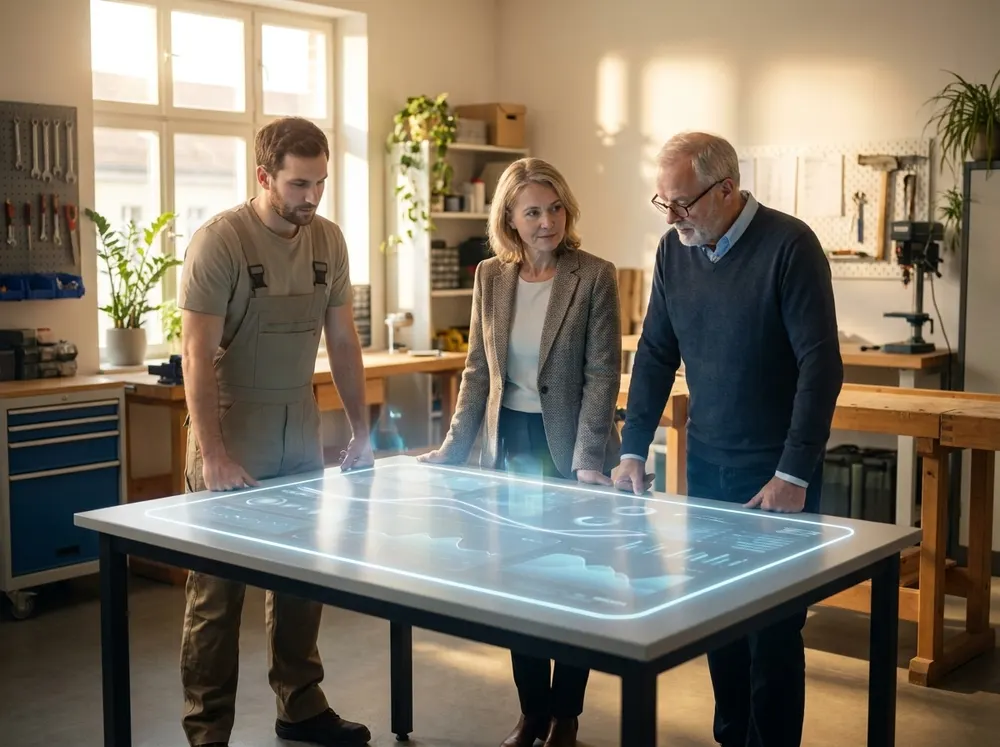
Most organisations are divided into departments, and their first AI projects follow suit: a marketing assistant, a customer service chatbot, a finance tool. Each may save time without improving how departments serve the same customer together. At an installation company, a customer requests a quote, waits for an engineer, receives an invoice and calls if something goes wrong. When AI supports that whole process, using the same data throughout, staff need to ask for the same information less often and handovers become easier. The customer promise becomes the starting point for design, with one person responsible for the complete process across departments.
- 06

New roles
New roles emerge to check AI's work, design how people work with AI and monitor the systems themselves.
As AI takes on tasks, other work grows around it. Three types of role recur. Some people check AI's work, assessing whether an analysis, recommendation or letter is accurate before it leaves the organisation. Others design the work: how a process runs, which tasks a system handles and where a person decides. Others monitor the systems, tracking which AI runs where, which data it uses and when declining quality calls for intervention. At an accountancy firm, experienced auditors can review AI analyses. Their professional knowledge helps them spot an unlikely result or a missing piece of information.
- 07

Human-AI teams
Each task starts with what AI can do. Teams change shape and may become smaller, with each person overseeing more of the work.
In a human-AI team, AI is a core member with its own tasks. It is more than a tool someone uses occasionally. Tasks are allocated according to the AI-first principle: what a system can do is considered first, followed by what a person does better. People exercise judgement, make choices and work with others; AI handles repetitive tasks and deep analysis. This changes team composition. A marketing team with separate specialists in copy, visuals, analysis and planning may need fewer people, each overseeing more of the work while AI creates variants, tests and reports. How an organisation values someone's contribution also changes when AI does part of the work.
- 08

Making decisions with AI
With AI contributing, decisions can move closer to the work, backed by current information at the moment it is needed.
Decision-making in many organisations is built around scarce information: data travels upwards, gets consolidated and returns as a decision. AI changes that logic. A system supplies current figures, scenarios and counterarguments where the work happens, when they are needed. That reopens the question of who decides what. In a retail chain, a branch manager could use forecasts for each product to adjust stock and staff schedules without waiting for head office. Head office sets the boundaries: which decisions are local, which always belong to a person, and which a system may prepare or carry out within agreed limits.
- 09
Changing business models
When AI speeds up the work, billing by the hour becomes harder to justify. Customers increasingly pay for the result.
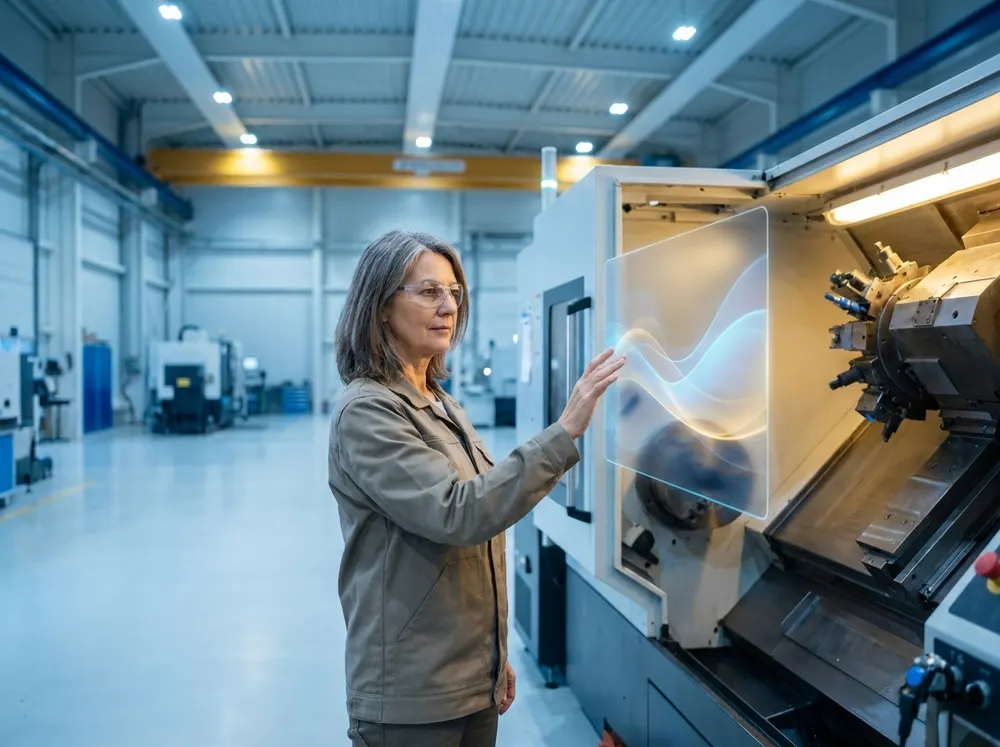
Many organisations earn their revenue through time or volume: billable hours, licences sold, cases processed. AI speeds up that work, putting pressure on existing models and opening up different ways to charge. Some consultancies and law firms charge a fixed fee for agreed work or tie part of their payment to a result. Machinery manufacturers sell availability as a service, using predictive maintenance to reduce downtime. Some software providers charge per resolved customer enquiry, alongside or instead of a fee per user. The change reaches across the organisation: how work is budgeted, who carries the risk, and how employees are assessed when hours no longer measure their contribution.
New organisational structures
Structures that could emerge over the next five to fifteen years: an organisation without a pyramid, a digital twin of the whole organisation and work without fixed roles.
- 10
 Future scenario
An organisation without a pyramid
AI can take on much of the coordination behind a hierarchy. One possible structure: a small core with changing teams and AI agents.
An organisation without a pyramid has few permanent management layers. Many layers exist to coordinate: gather information, allocate work and keep it aligned. In 1937, Nobel laureate Ronald Coase explained the existence of firms through the costs of cooperation. AI can change those costs, including internally, by taking on much of the planning, reporting and tracking of dependencies and progress. In a scenario for the next ten to fifteen years, the pyramid shrinks to a small core overseeing direction and quality. Around it, teams of people and AI agents form around a problem or customer, then disband when the work is complete. One team could handle several projects while AI agents manage schedules and track progress across the projects.
- 11
 Future scenario
A digital twin of the organisation
A virtual model of the whole organisation lets a board see how a decision could play out, with several possible outcomes.
A digital twin is a virtual model that changes with current data. Organisations already use these models to examine processes, capacity and dependencies. Over the next ten years, a model could also learn how teams, customers and supply chain partners respond to change. It would compare earlier forecasts with actual events and adjust later simulations. A hospital could explore how a new treatment affects staffing, recovery and care after discharge. Since behaviour remains uncertain, the model would present several outcomes. A reorganisation becomes something you can test and examine in advance, rather than a leap into the unknown.
- 12
 Future scenario
Work without fixed roles
A permanent employer, without a fixed role: work follows skills, while AI connects people, learning and new assignments.
Organising around skills means allocating assignments according to what people can do and want to learn. Some organisations already have internal marketplaces for work. In a 2040 scenario, employees have a permanent employer but no fixed role, joining changing teams of colleagues, outside specialists and AI agents. AI tracks their abilities, learning ambitions and where their knowledge is needed. An engineer might work on maintenance, develop a new service and train colleagues, depending on the assignment. The World Economic Forum expects major shifts in demand for skills towards 2030. A career then becomes a series of assignments rather than a ladder.
Never before has a small team been able to turn an idea into something it can test and offer worldwide so quickly. An organisation can now reinvent itself every year.
Richard van Hooijdonk
The organisation and its people
Leaders, culture and the employee of the future: the people who turn a new design into a working organisation.
- 13

Leadership of the future
Leaders take the initiative, give others room and inspire their people to build the future together, even before everything is clear.
Leadership in a constantly changing organisation depends less on control and more on direction and room to act. Leaders of the future describe how work and the organisation could change, and why people would want to contribute. They listen, ask questions, show vulnerability and give teams authority to decide. Change involves psychology as much as strategy. People change when they understand why and see their leaders learning too. An executive who uses AI personally and explores with employees which work it changes is building tomorrow's organisation together with them. The keynote Leadership and Management in the AI Era takes a closer look at this.
- 14

A new mindset
Old habits give way to curiosity and uncertainty becomes a source of new ideas. A culture with an appetite for change.
Change depends less on technology than on how people see their work. A new mindset means letting go of habits that worked well for years, welcoming outside ideas and seeing uncertainty as a source of innovation. Procedures and routines provide stability and protect quality, yet can also act like an immune system that rejects anything new. A culture of freedom and independence gives employees the confidence to question established methods, try things and learn from mistakes, including where mistakes have serious consequences. At a logistics company, a planner with an idea for better routes can run a trial within a month, without three layers of approval.
- 15

The employee of the future
Curiosity, flexibility and AI skills matter alongside professional knowledge. A future academy lets organisations train their own people.
Professional knowledge remains the foundation. Curiosity, flexibility, passion and unconventional thinking also matter when an organisation changes quickly. So do AI skills: understanding its capabilities, assessing results and redesigning your work. Educational institutions are adapting their programmes, but organisations often need that knowledge before new graduates arrive. More organisations are taking charge through a future academy, where tomorrow's employees and leaders learn using material drawn from their own workplace. A bank trains customer advisers to become specialists working with AI systems. The result is an organisation of independent team players who keep learning.
The other side ethics, responsibility and crime
The choices behind what technology makes possible, accountability when AI helps decide, and how criminals exploit organisational processes.
- 16

Should we do everything we can?
AI can measure every working minute and plan staff schedules down to the quarter-hour. Just because something is possible does not mean we want it.
Technology expands what organisations can do. AI can measure performance by the minute, plan staff schedules down to the quarter-hour and predict who may soon leave. Just because something is possible does not mean we want it. Philosophers have examined this for centuries. Immanuel Kant argued that a person must never be treated merely as a means, but always also as an end. In an organisation where algorithms allocate and assess work, that principle becomes concrete: the question is how much room remains for personal judgement, professional skill and meaningful work. The organisation of the future can spare people much dull and physically demanding work. Keeping people safe and happy through that change requires choices and clear boundaries.
- 17

Boundaries and responsibility
Guardrails, oversight and the EU AI Act. When AI helps decide, responsibility and the point where a person decides must be clear.
As AI contributes more to decisions, the question of accountability becomes more urgent. It starts with data: incomplete or inaccurate information distorts AI's work. That is why guardrails are needed: checks and technical limits on what a system may do and which decisions a person must always make. The EU AI Act places additional requirements on high-risk systems, including AI that selects job applicants or assesses personal creditworthiness. These cover human oversight, records of system activity and the ability to intervene. When a system assesses thousands of applications daily, one faulty decision rule can affect many people at once. Responsibility becomes a question about the organisation's design itself.
- 18

The organisation as a target
Ransomware, hacked systems, cloned voices and fake applicants: AI makes it easier for criminals to get at valuable data.
AI makes it easier for criminals to get at an organisation's valuable data. Ransomware shuts systems down and makes data unusable, and AI helps attackers find weak spots faster. A short recording lets them clone an executive's voice to demand an urgent payment, while a digitally altered face lets them pose as a candidate in a video interview. The same AI that helps a recruiter write a clear job advertisement helps a fraudster invent a CV that matches it perfectly. A new employee, a new bank account or a new supplier gives an attacker an opening. The faster an organisation changes, the more of those moments there are, and the more good security counts.
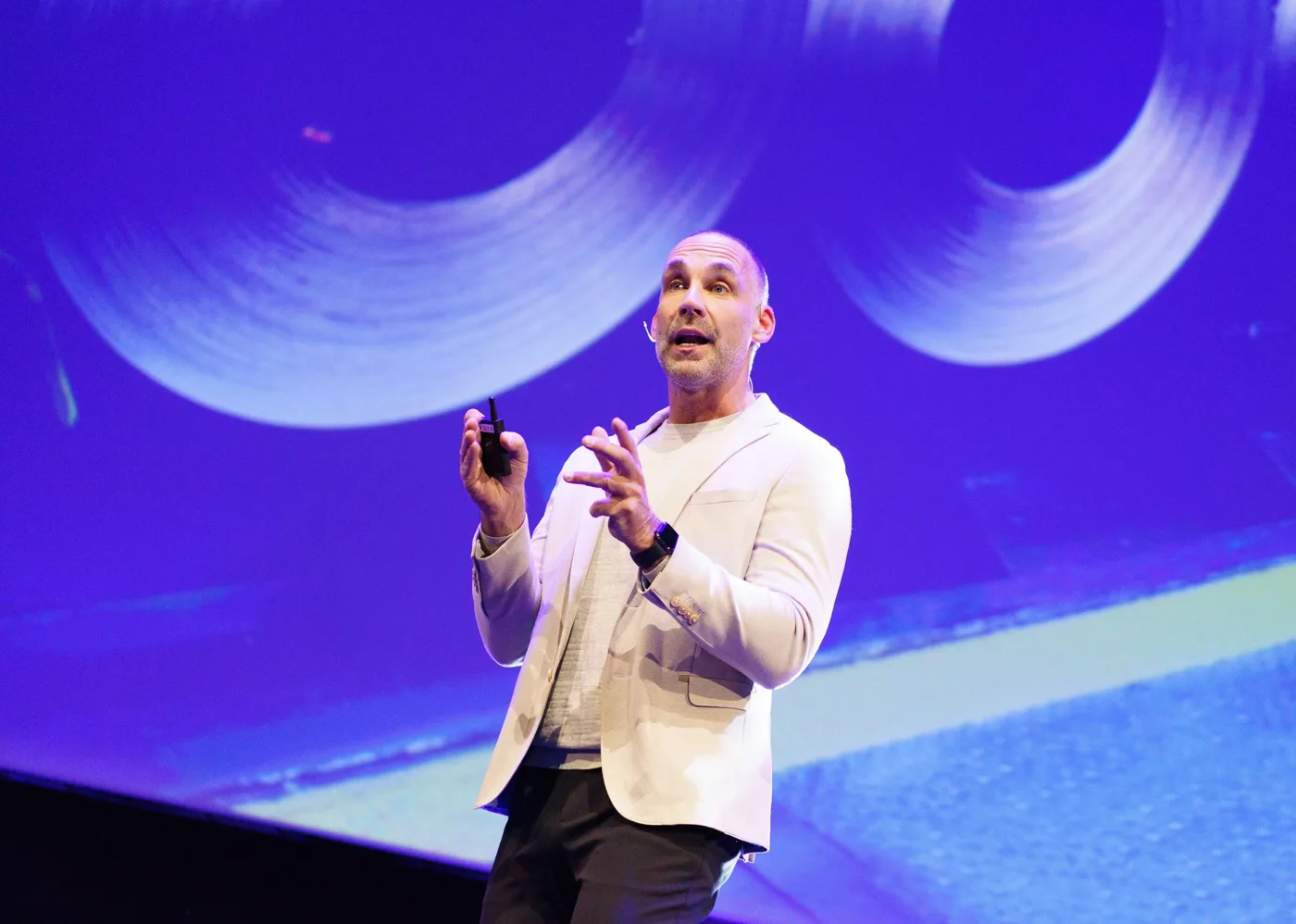
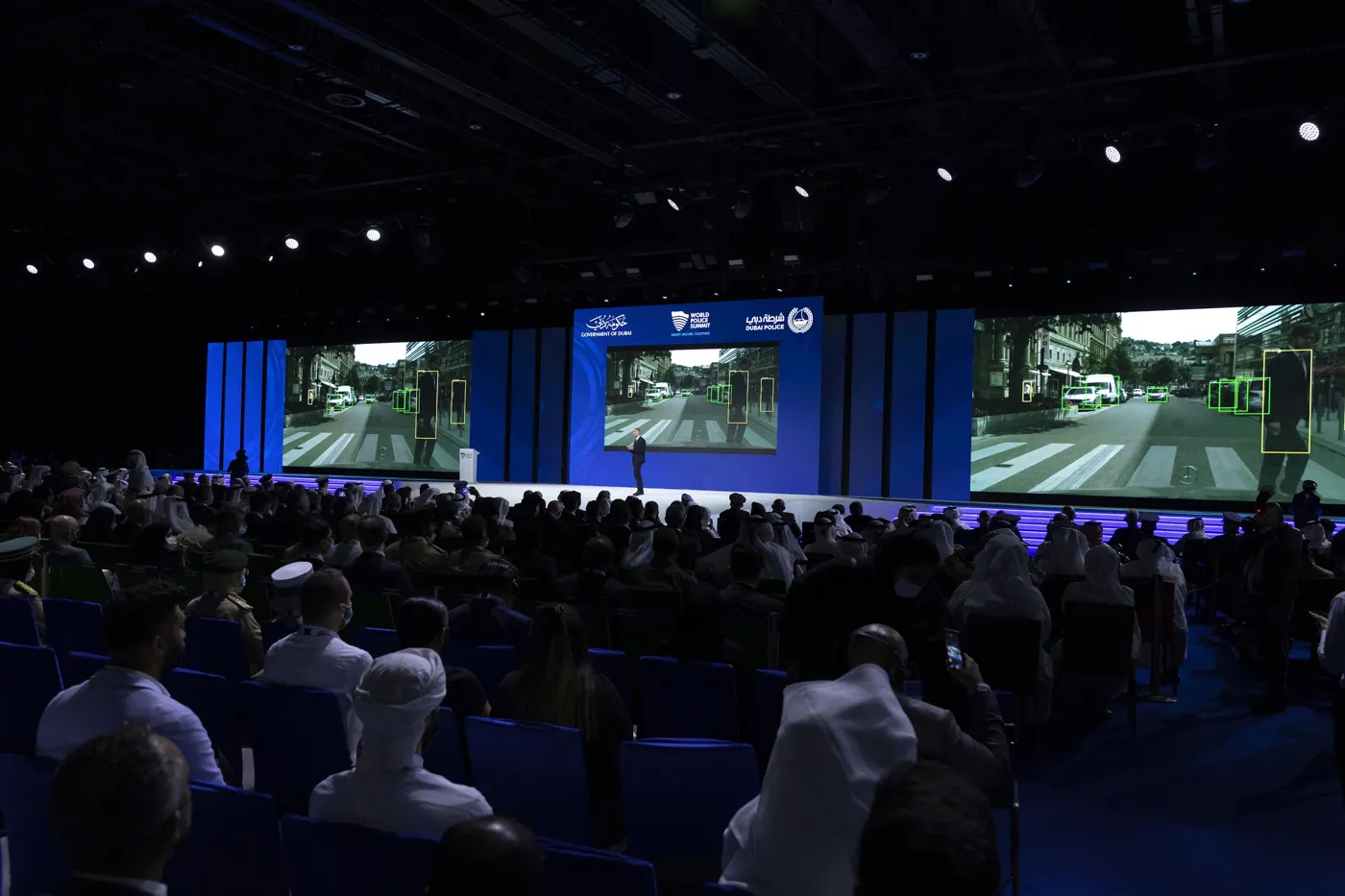
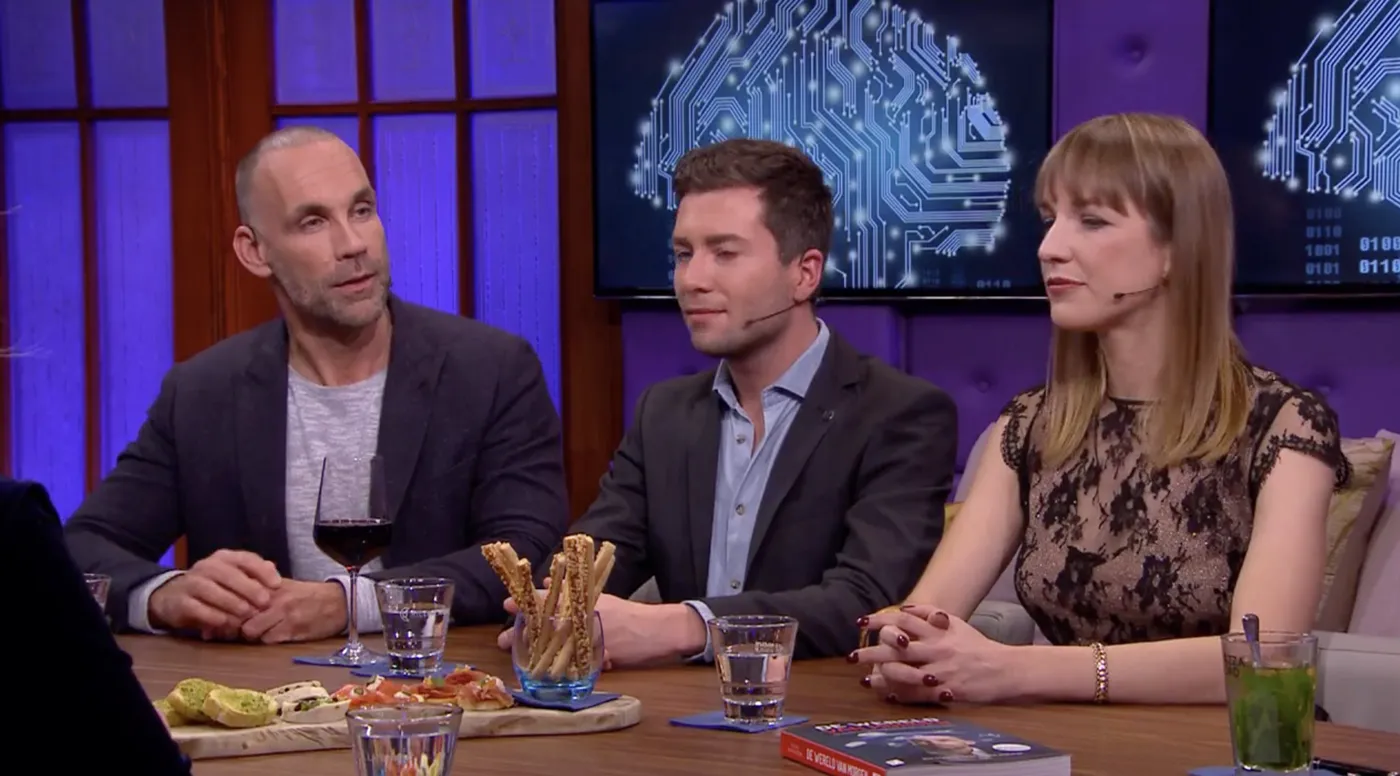
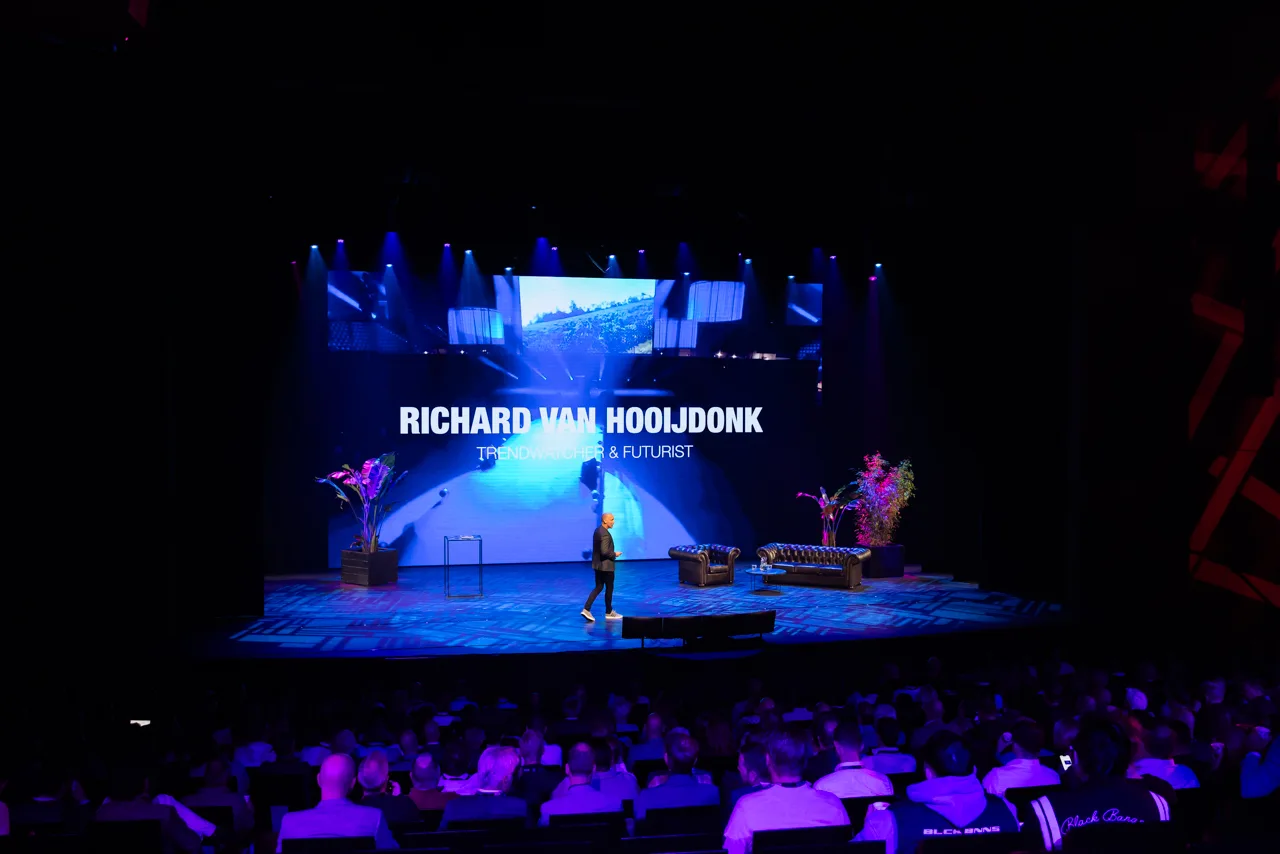
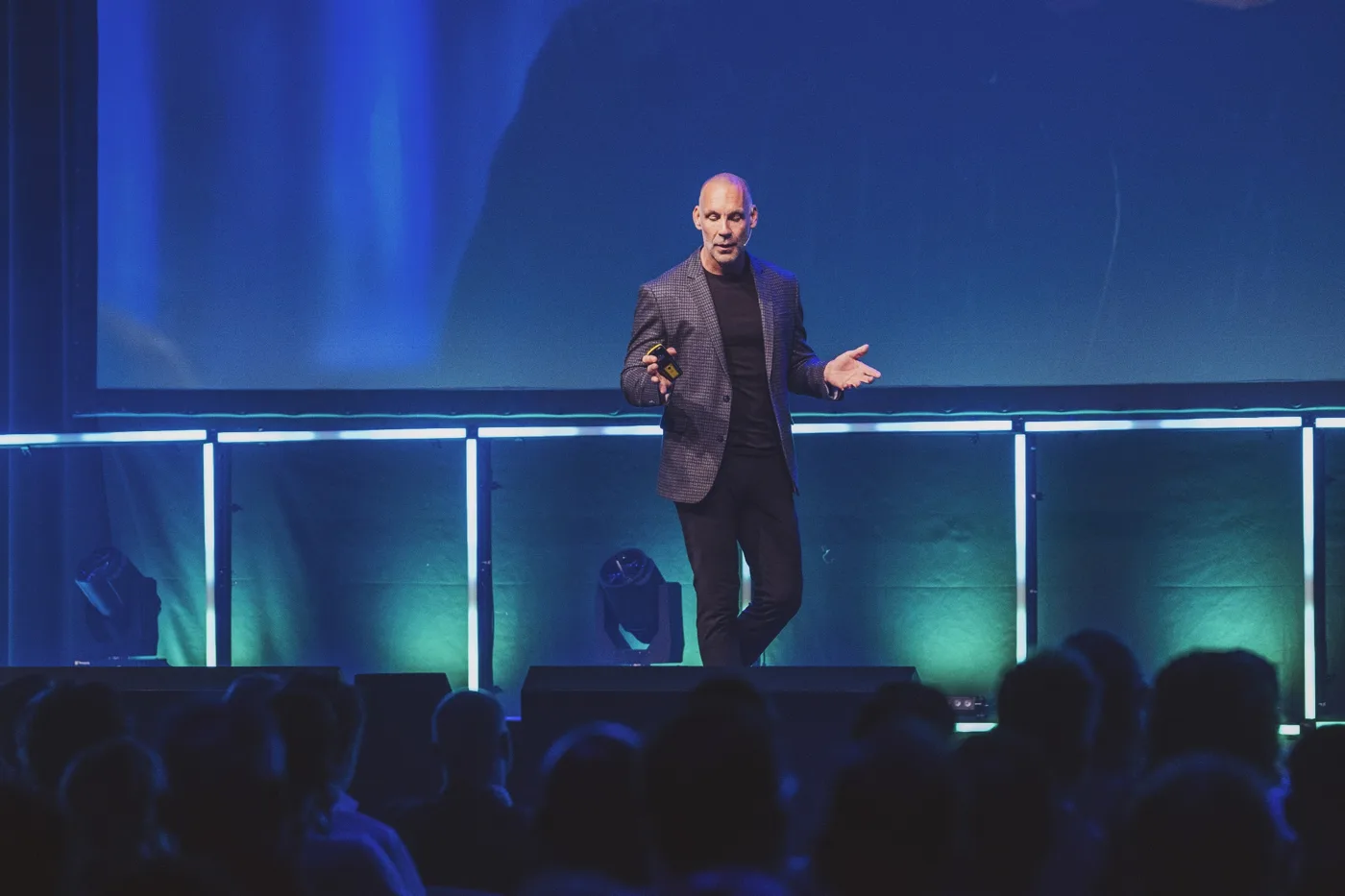
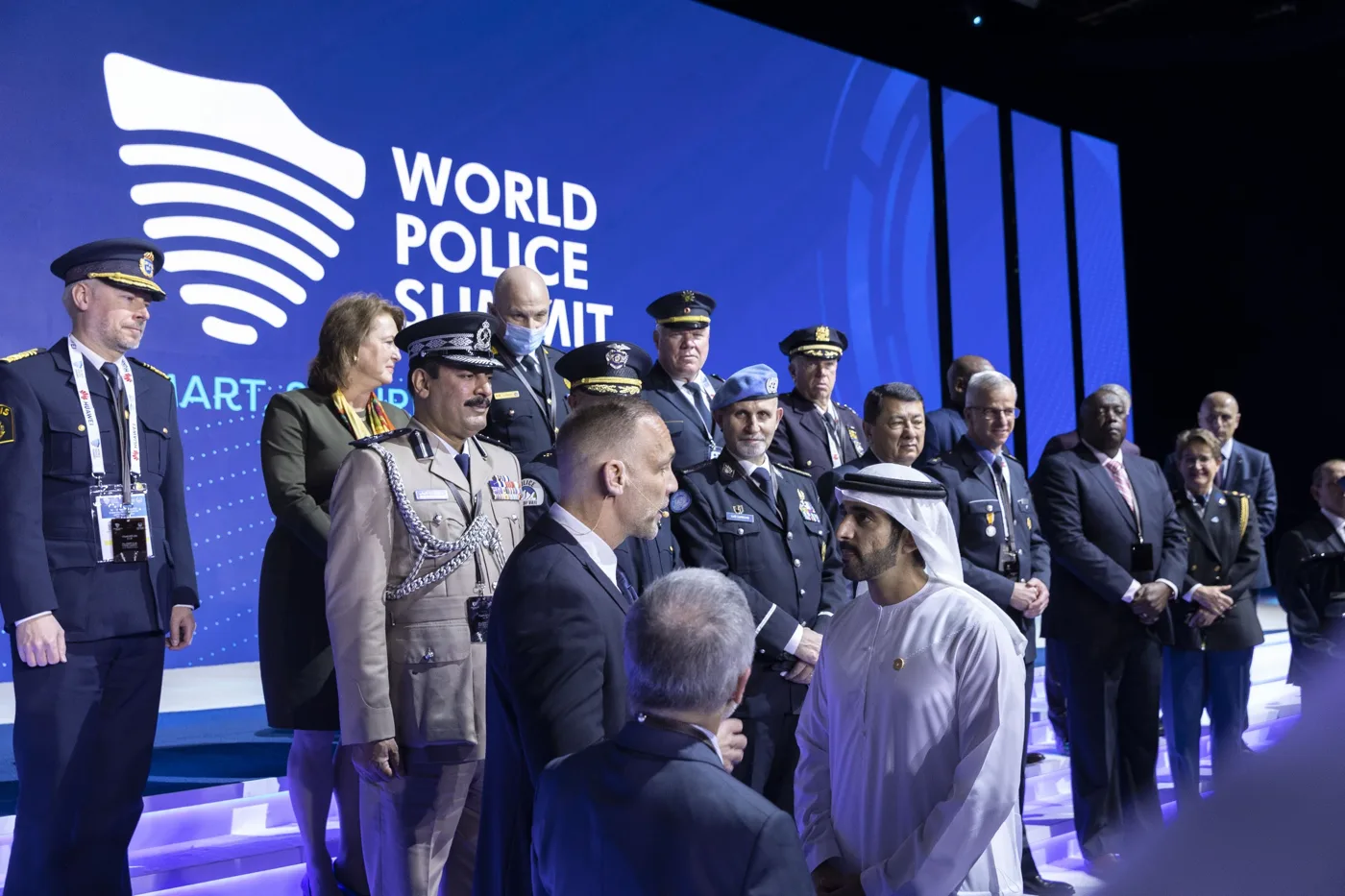
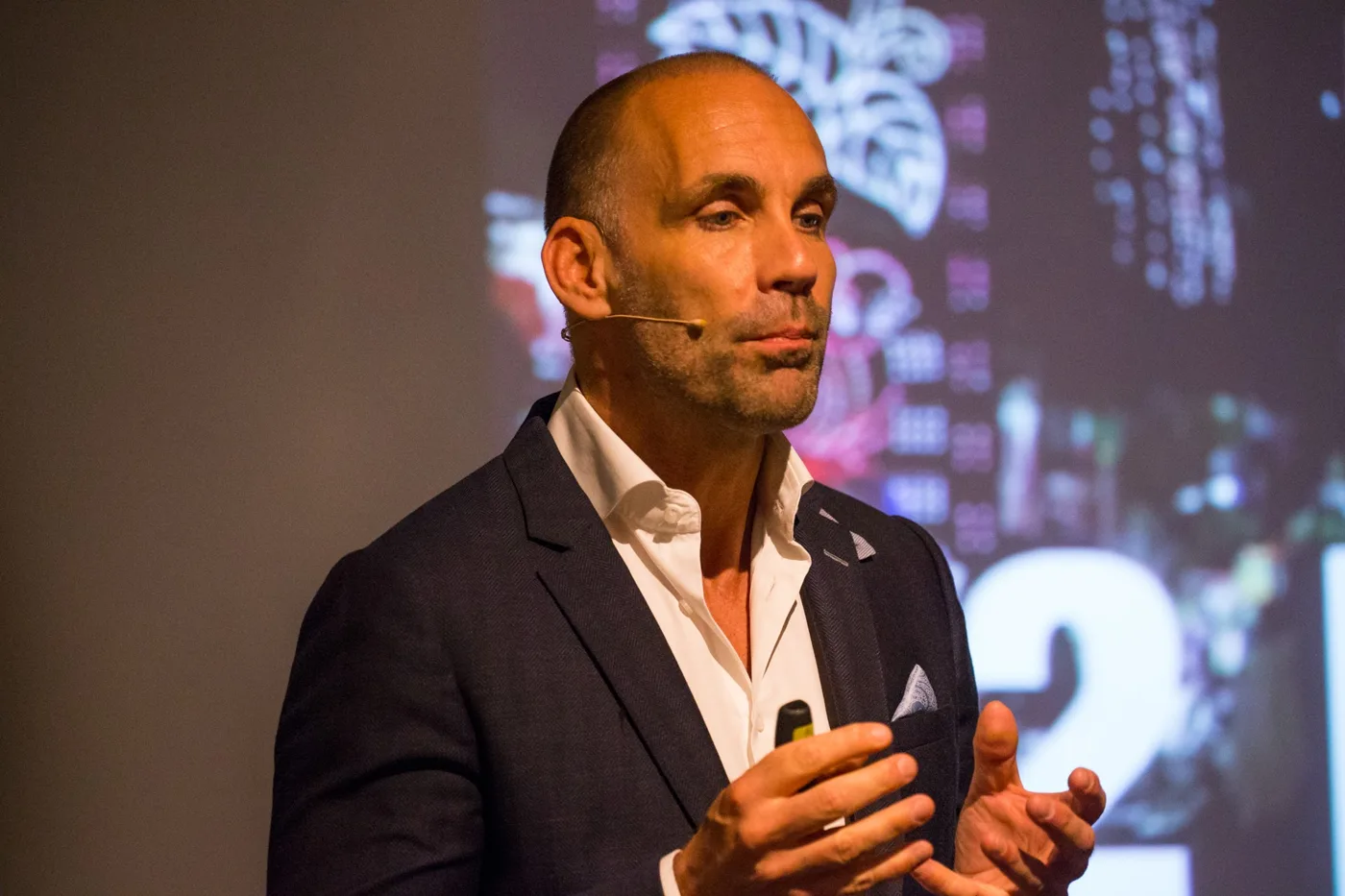
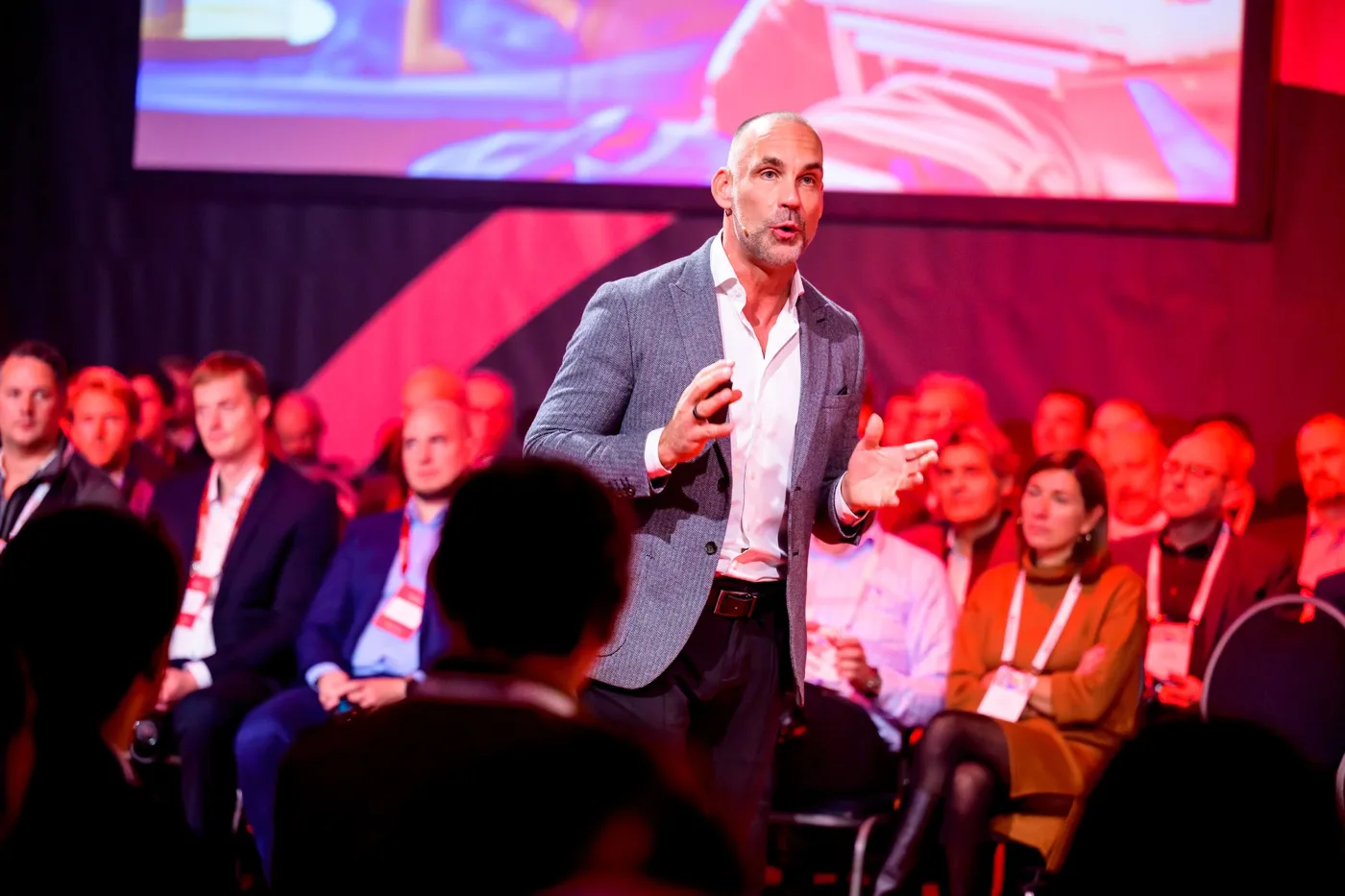
On stage
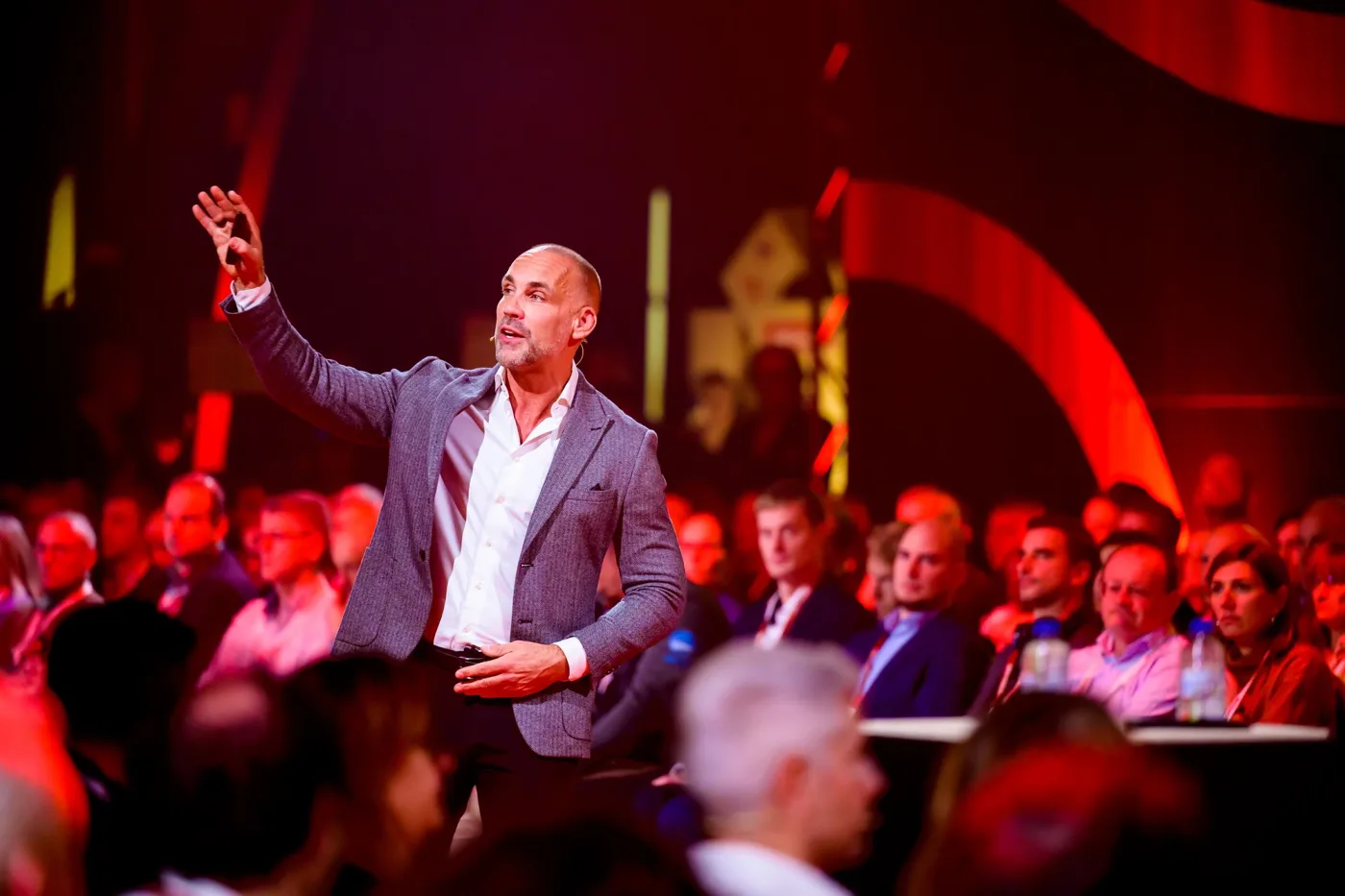
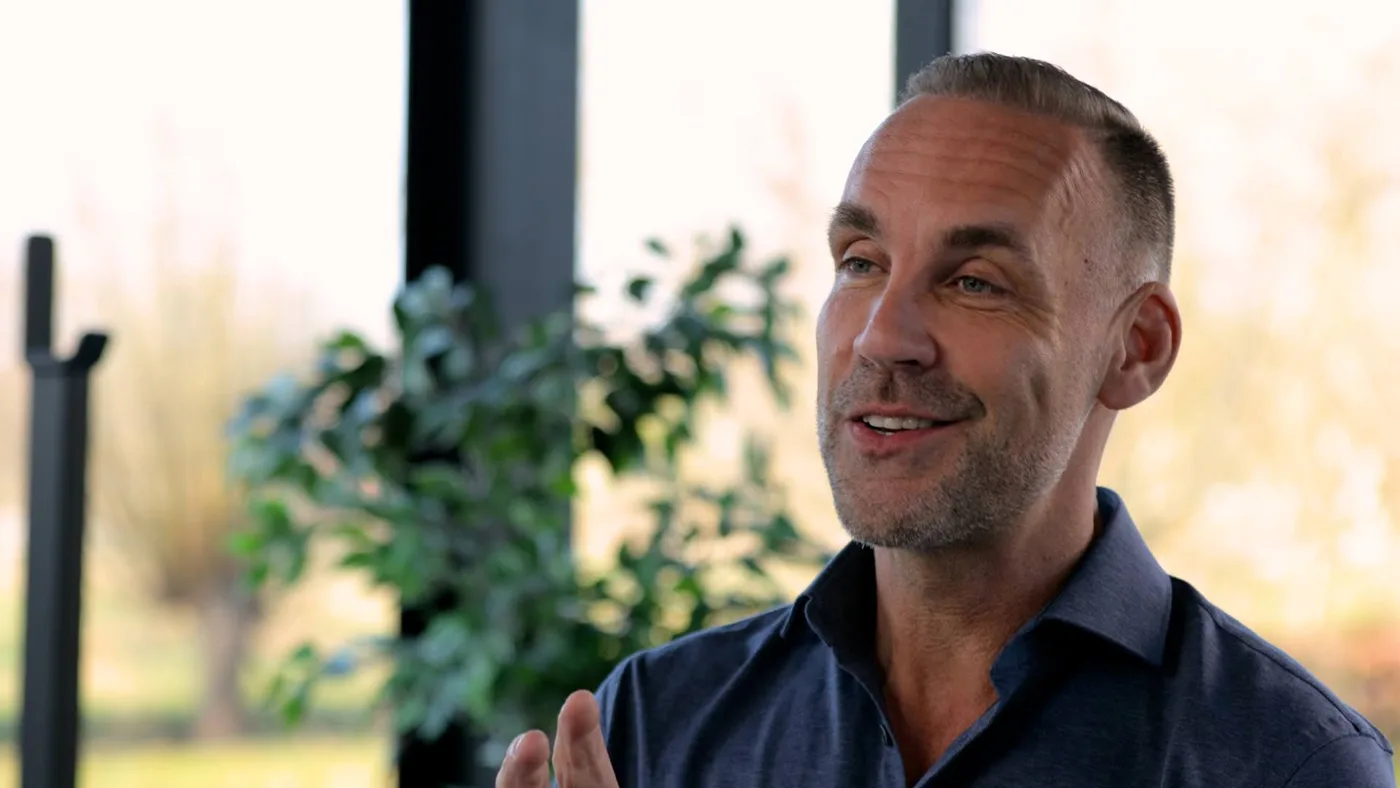
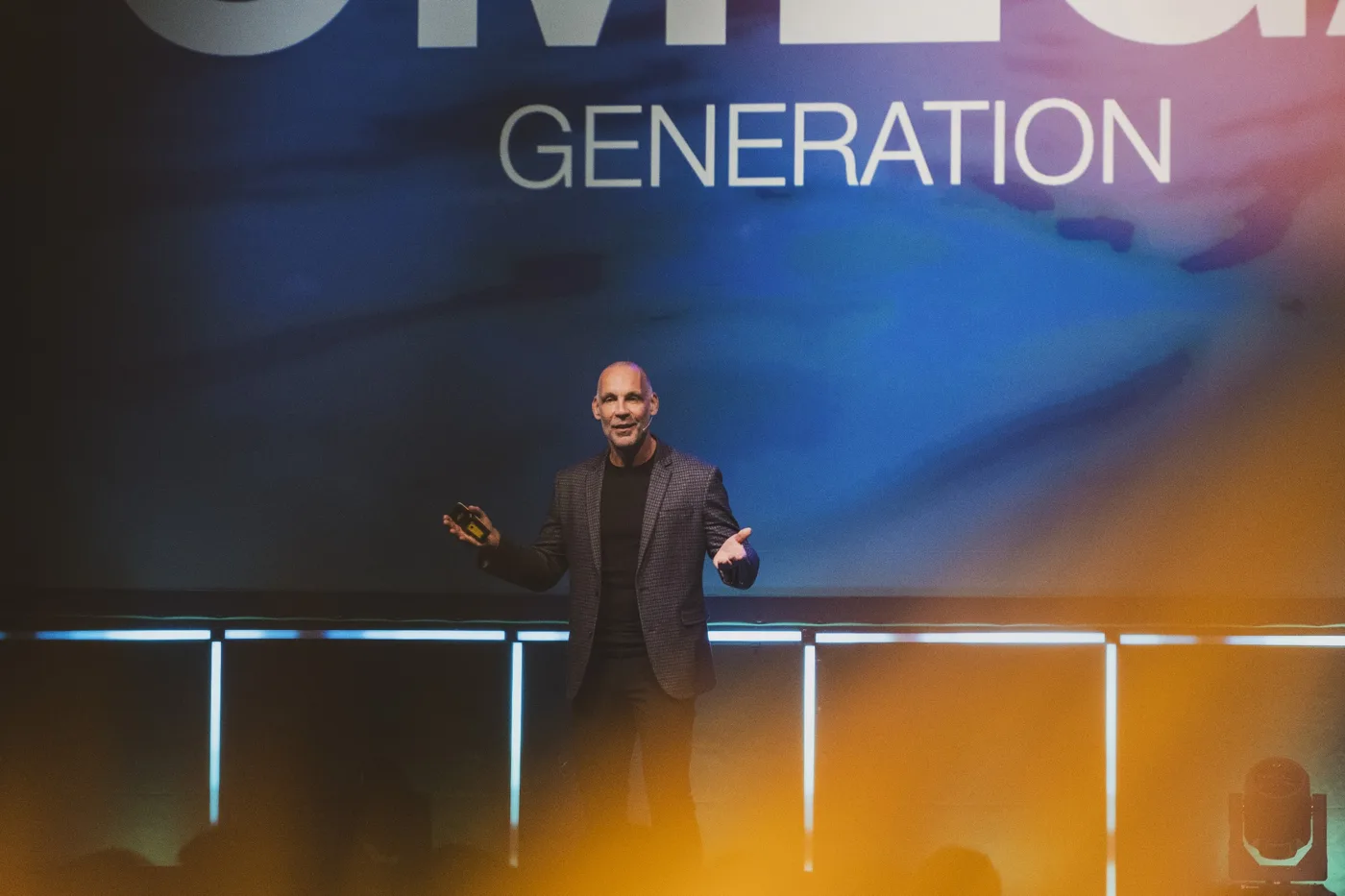
A packed conference hall, a televised panel discussion, a police summit in Dubai.
A selection of over 400 clients















What clients say
“With your presentation you awakened the customs organisation. At the end of the day it turned out that your presentation had made the biggest impression. You made sure the issues were put on Strategic Management’s radar.”Read the full review →

“An impressive and noteworthy presentation for our employees and customers. The rate at which change is happening, which you eloquently brought across in your energetic speech, requires a disruptive approach. To be continued!”Read the full review →
“We thank you once again for your inspiring contribution as the kickoff of the module. We found your lecture very valuable. The inspiration and answers to the questions have given the participants much to think about. As a result of this Top Defence Leadership Programme, we expect several new initiatives to emerge. And that is thanks in part to your inspiring kickoff.”Read the full review →

“A dazzling journey through new technology. The enthusiasm and energy during his presentation, combined with the visuals, provided a successful kick- off to our event.”Read the full review →

“Enthusiastic speaker, a good and versatile story. Everyone was ‘wowed’ by the lecture.”Read the full review →
How a booking works
Your request
Use the form, or get in touch by phone, email or WhatsApp. A few lines are enough to get started.
We get in touch
We'd like to hear what your event looks like, who'll be in the audience and which themes interest you.
A written proposal
Covering the topic, format (on location or online), length (30, 45, 60 minutes or longer) and fee (from €3,500 for webinars), so you can talk it over with your colleagues.
Getting to know Richard
Next, we'll find a time for the two of you to talk and brainstorm the keynote, the topics and the format. There's no charge for this.
Frequently asked questions
Who is this keynote for?
Boards, management teams, works councils and audiences drawn from every level of an organisation. It suits strategy days, kick-offs, conferences and leadership events. The keynote is for organisations that notice the world around them is changing faster than their own plans, structure and working methods. It also works for events for staff, clients and business partners.
What will the audience take away?
A picture of the organisation of the future: how it thinks in scenarios, experiments and works within an ecosystem; how an AI-first approach changes roles, teams, decisions and business models; and which new structures could emerge. The talk examines changes department by department, including HR, finance, procurement and customer service, alongside questions of ethics, responsibility and abuse.
How does this differ from Leadership and Management in the AI Era and Trends 2040?
The Organisation of the Future focuses on the organisation itself: how it becomes agile and how AI changes roles, teams, decisions and departments. Leadership and Management in the AI Era focuses on the leader: giving direction, handling uncertainty and leading people and AI together. Trends 2040 looks further ahead at the forces shaping the world through to 2040. We can help you choose during the introductory call.
Will the keynote be tailored to our sector?
Yes. An introductory call covers your audience, sector and the questions on their minds. Examples and the departments given most attention reflect their world: a hospital gets different examples from an insurer or construction company. Each sector also has its own page.
Does the keynote cover AI risks?
Yes, always. It examines what kind of organisation to build when technology can measure everything, who is accountable when AI helps make decisions, what the EU AI Act requires, and how criminals exploit organisational processes using AI: fake applicants, false invoices and hijacked supplier accounts.
How long is the keynote?
30, 45 or 60 minutes, and longer if you wish, with time for audience questions. For more depth, there are masterclasses, boardroom sessions for executives, board members and managers, and workshops for all employees.
Can the keynote be delivered in English or online?
Yes, in Dutch or English, on location or online. Richard has spoken in more than 30 countries.
How much does The Organisation of the Future cost?
Fees start from €3,500 (webinar). The price depends on location, duration and any tailoring you would like. Send your date and a brief description of your audience, and our proposal will give the fee for your event.
Interested in The Organisation of the Future for your event?
Tell us a little about your event and who will be in the audience, and let us know the date.
Prefer to speak to us directly? Call 085 303 0792 · email talks@vanhooijdonk.com · send a WhatsApp message