 Richard van Hooijdonk
Cybercrime in the AI Era
Criminals use AI to strike faster, on a larger scale and with more convincing tactics. This keynote shows what they do today, what is coming in the next few years and how a resilient organisation turns AI to its own advantage.
Download the PDF of Cybercrime in the AI Era (PDF, 3 A4 pages, 1.2 MB)Choose your keynote
Six keynotes, each of which can be tailored to your sector and audience.
 Trends 2040
 The AI Revolution
 Agentic AI
 The Organisation of the Future
 Leadership and Management in the AI Era
 Cybercrime in the AI EraYou are viewing
Not sure which keynote fits? We are happy to advise. Tell us about your audience
As attacks grow smarter and faster, defences must keep pace. AI makes cybercrime a challenge for the whole organisation.
How criminals already use AI and how organisations can build resilience are central to Cybercrime in the AI Era, presented by futurist and trend watcher Richard van Hooijdonk. Richard has spoken on this subject to police and defence organisations. For a long time, cybercrime was a specialism. Breaking in, defrauding people or extorting money took know-how, either your own or hired in. AI puts that knowledge within reach of many more criminals: convincing phishing in many languages, a voice cloned from a brief recording, AI agents that find vulnerabilities by themselves. Criminal groups run like businesses and rent out their attack software on subscription. The next step is already visible: attacks that AI carries out largely by itself. Through connected robots and cars, cybercrime can also have physical consequences. In time, powerful quantum computers could break some widely used forms of encryption, so data stolen in encrypted form today could become readable later. Defenders have the same technology in their hands, and more: knowledge of their own organisation, partners around the world and people who stay alert. This keynote shows what criminals can do with AI, where it is heading and how an organisation becomes resilient. Who will put AI to work faster: the attacker or your organisation?
How criminals use AI
What AI changes about phishing, fraud, extortion and break-ins, and how criminals organise their operations.
 Download the keynote Cybercrime in the AI Era
- 01

Crime-as-a-service
Criminals have long paid for tools and know-how. AI adds convincing phishing in many languages and models stripped of their safeguards.
Writing a convincing email in another language or building malware used to take know-how and time. The alternative was to hire that knowledge in: criminal groups have long sold tools and access as a service. Generative AI, which creates text, images and code, increases the range and quality of those services. Phishing kits now include polished copy in many languages, while language models circulate with their safeguards removed. Criminals who cannot code can leave some of the work to a model. Europol sees AI as an accelerator of organised crime. A criminal service can serve more customers without hiring a specialist for every language or programming task.
- 02

Deepfakes and voice clones
A fake voice or video of an executive or relative. Telling the real person apart from the imitation is getting harder.
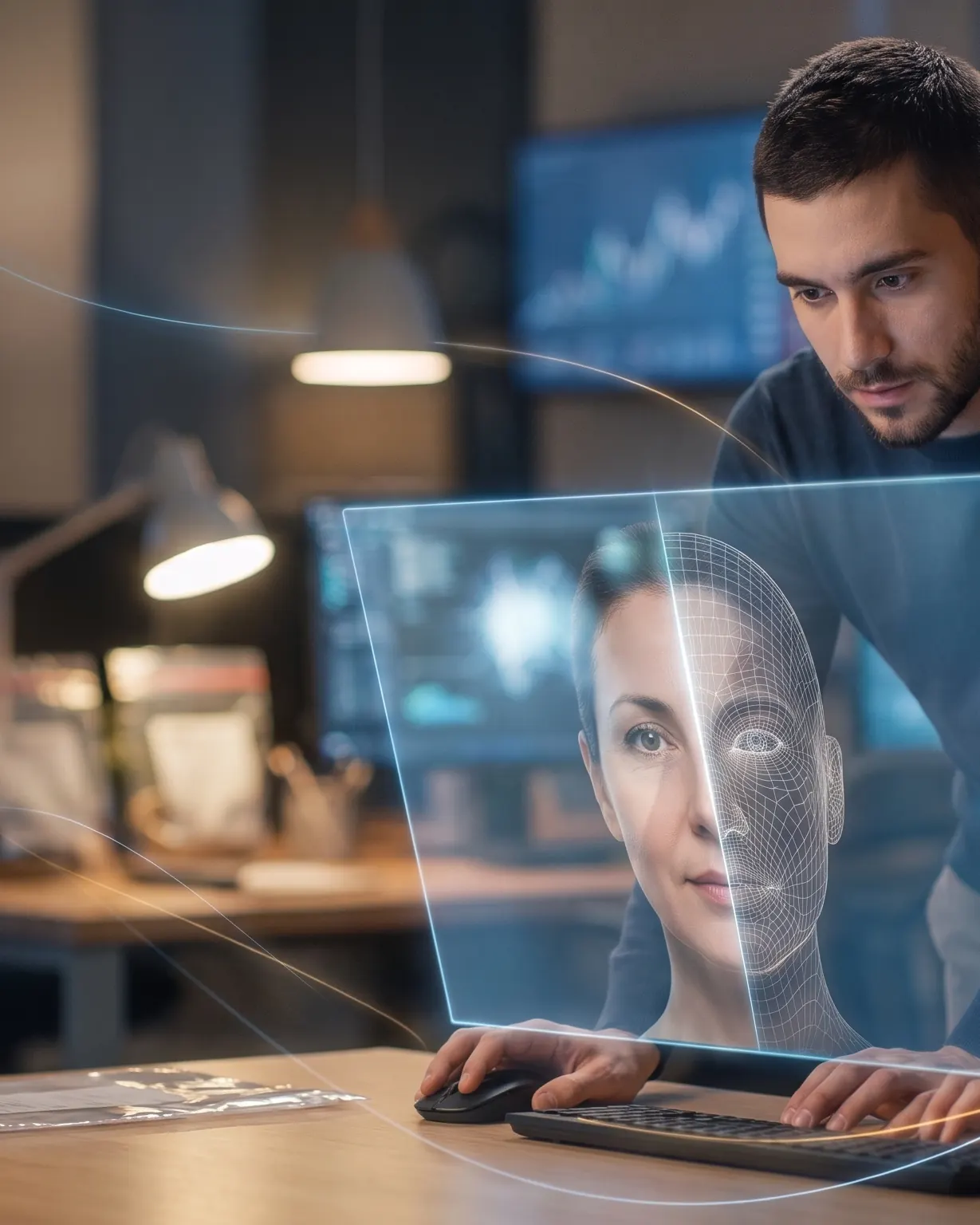
A deepfake uses AI to create or alter images or sound, making someone appear to say or do something that never happened. Voice cloning is the audio version: AI copies a voice from a short video online. Criminals impersonate executives demanding urgent payments, or deceive families by pretending to be children in distress. There have been reported cases in which an employee transferred millions after a video call featuring AI-generated impersonations of colleagues. A voice can now be converted during the call itself, allowing fraudsters to respond live in someone else's voice. What you see and hear no longer proves who is on the other end.
- 03

Fraud on an industrial scale
Synthetic identities, fake online shops and investment scams in which chatbots help manipulate many victims at once.
Online fraud takes time: criminals must earn a victim's trust. AI takes on some of that work, letting fewer people reach more victims. A synthetic identity combines real and invented details into a fictitious person, sometimes with an AI-generated face and identity document. Criminals use it to open accounts. Fake online shops can be set up quickly with AI-generated text and photos. In investment scams, chatbots help sustain conversations with many victims, sometimes for weeks, until they trust the scheme enough to invest. Banks and platforms use AI to spot unusual patterns, such as a new account immediately moving large sums onwards, and share those signals with one another and the police.
- 04
AI that finds vulnerabilities
AI reads code, probes systems and finds flaws that went unnoticed for years. Criminals are experimenting with it too.
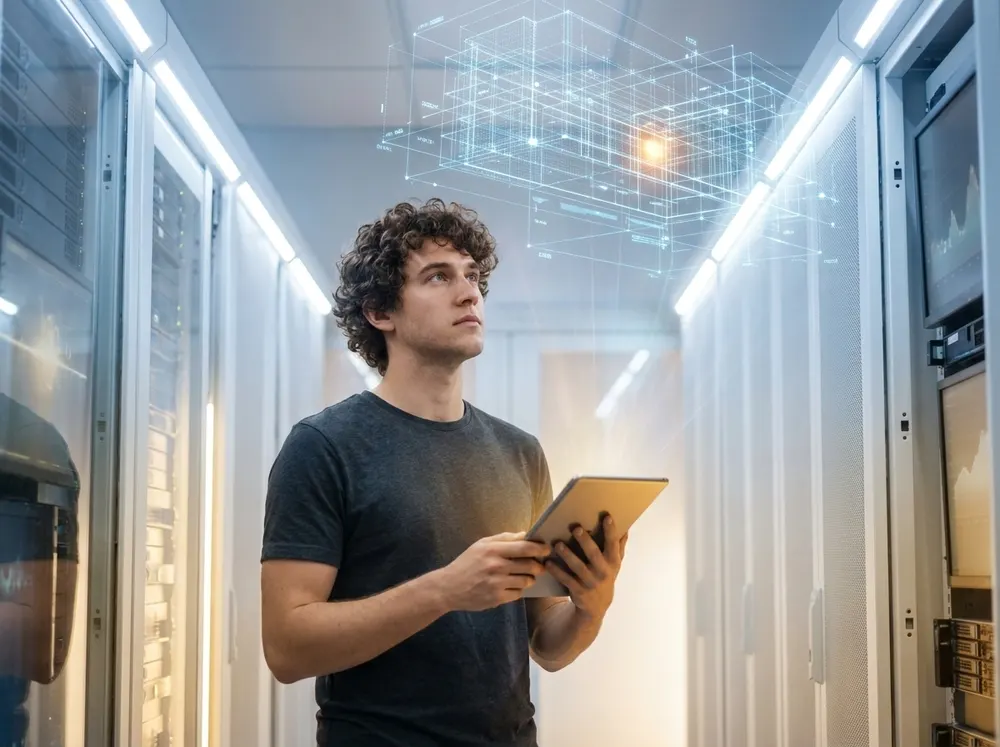
A vulnerability is a weakness in software or settings that an attacker can exploit to break in, steal data or disrupt operations. Security teams have long used scanners to find them. AI now helps by reading code, probing systems and testing possible entry points. It can expose flaws that went unnoticed for years, and criminals are experimenting with the same techniques. This could shorten the time between a vulnerability becoming public and its first exploitation. An attacker who finds an unknown flaw can break in before a security update even exists.
- 05
The ransomware business
Criminal groups operate like businesses, using AI to research targets, negotiate and extort money with stolen data.
Ransomware encrypts an organisation's files. Criminals demand payment for the decryption key, with no guarantee of recovery. Often they steal data first and threaten to publish it. The groups behind these attacks run like businesses, with developers, partners who carry out attacks, a helpdesk and negotiators. AI helps them research targets, search stolen files for sensitive information and write threats. Some groups now skip encryption altogether: they simply steal data and threaten to make it public. This is faster, attracts less attention and hits an organisation where it hurts: by damaging customer trust.
- 06

The fake job applicant
A remote applicant has a fabricated CV, a stolen identity and sometimes an AI-generated face. Once hired, they hold the keys.
Remote work has moved job interviews onto screens, where appearances can deceive. Criminal networks and groups working for states exploit this. They apply for IT and software roles with stolen or invented identities, AI-written CVs and sometimes a face replaced live during the video interview. Once hired, the fake employee receives a laptop, an account and system access. Their salary goes to the network behind them. They may also steal data or leave a back door into the systems. Investigators have found these employees at hundreds of companies that had no idea who was really working for them.
- 07

AI itself under attack
Hidden instructions, poisoned training data and stolen models. An organisation's own AI becomes a target.
The more an organisation uses AI, the more attractive that AI becomes as a target. Prompt injection hides instructions in an email, document or webpage that an AI assistant treats as commands, perhaps to forward confidential data. Data poisoning inserts misleading examples into the data a model learns from. A trained model is also valuable in its own right and can be stolen. The risk grows with AI agents that read emails, access systems and take action independently. Deceive one of these agents and it can do an intruder's work with a colleague's access rights.
- 08

Fake news as a weapon
A fake statement from a top executive or a faked disaster photo: disinformation made with AI can move share prices and damage reputations.
Disinformation is false information deliberately spread to deceive. AI makes it quick and convincing: a fake video of an executive announcing a takeover, a fabricated product-defect announcement, or thousands of fake accounts repeating a rumour until it looks like news. Criminals profit by trading ahead of the price movements they provoke; others use it to damage a competitor or sector. In 2023, an AI-generated photo of an explosion near a government building circulated online. Markets briefly fell before the story was debunked. A fabricated report can move prices before the first denial appears.
- 09

A way in through the supply chain
One infected update or software component can hit thousands of customers. AI helps attackers find a way into the supply chain.
A supply chain attack reaches an organisation through something it trusts: a software supplier, an IT provider or an open-source component used in thousands of programs. Hijacking a supplier's update process lets attackers distribute malicious code to every customer installing that update. AI can search public information about suppliers and systems to identify a weak link. A new variant is emerging too. Coding assistants sometimes invent names for software packages that do not exist. Criminals can register those names and publish malicious code under them. Developers who install a recommended package may be bringing the intruder in themselves.
With AI, defenders can monitor millions of signals at once and see an attack coming. When people, partners and AI work as one team, security becomes the foundation for innovating with confidence.
Richard van Hooijdonk
The future of crime
Where crime could be in five to fifteen years: attacks that run themselves, broken encryption and crime that reaches beyond the screen.
- 10
 Starting now
The attack that runs itself
The first attacks in which AI does most of the work have been reported. Next, agents scout, break in and negotiate at thousands of targets at once.
An AI agent receives a goal, makes its own plan and acts using the systems it can access. Criminals are already putting such agents to work. In August 2025, an AI company described one attacker's extortion campaign against at least seventeen organisations: his agent found vulnerabilities, broke in, selected the most sensitive data and drafted the ransom demands. In November 2025, the same company reported an espionage campaign in which, by its own assessment, AI did most of the hands-on work and people stepped in only at a few decision points. In a scenario for 2040, one criminal directs dozens of agents that scout, break in and negotiate at thousands of targets at once. The pace of the attack then becomes the pace of the machine.
- 11
 Future scenario
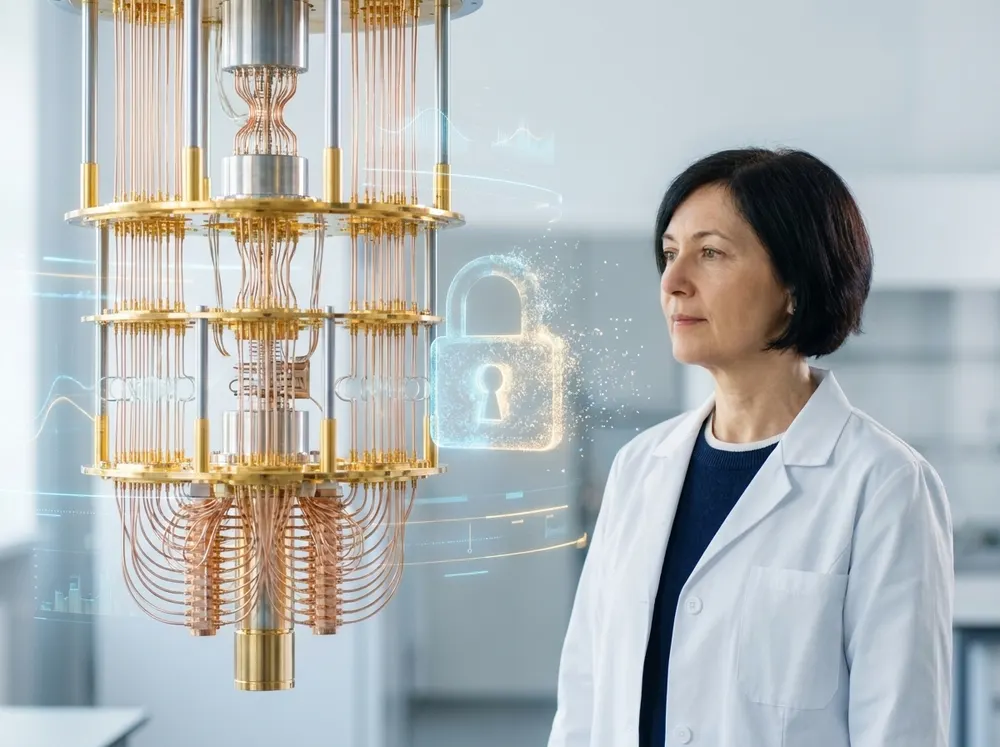
When encryption breaks
A future quantum computer could break widely used encryption. Criminals and states are already collecting encrypted data.
Almost everything secured online relies on encryption: mathematics that ordinary computers cannot practically crack. Quantum computers calculate differently. Once sufficiently large and stable, they could solve some of that mathematics quickly. Nobody knows exactly when; security agencies and researchers consider the next ten to fifteen years a possibility. Attackers are already collecting encrypted data to read later: research, negotiations and information that must remain secret for twenty years. Standards now exist for new encryption designed to withstand quantum computers, and governments and businesses have begun switching. The race is about which side will be ready first.
- 12
 Future scenario
Crime beyond the screen
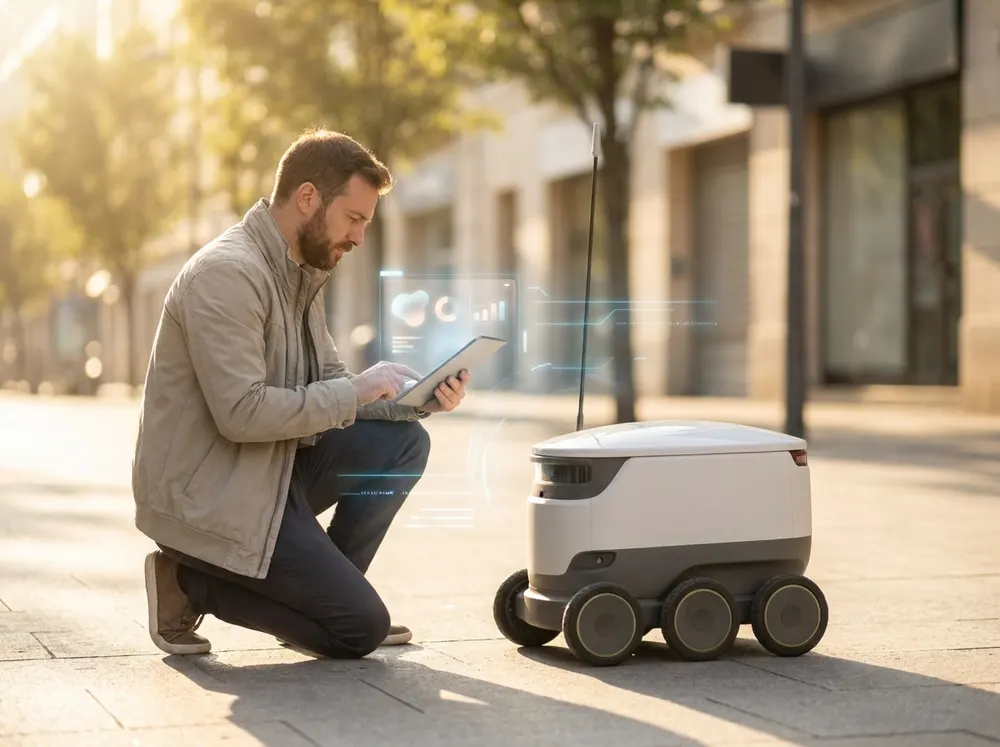
Robots, drones and driverless cars will coordinate their own work. Hacking their controls could disrupt streets and warehouses.
An increasing number of physical machines run on software and connect to the internet: warehouse robots, delivery drones, driverless cars, smart locks and medical devices. Researchers have already demonstrated remote takeovers of cars and vulnerabilities in medical devices. Next, these machines will coordinate and plan work together. In a 2040 scenario, delivery robots, vehicles and warehouse systems manage much of a city's logistics themselves. An attacker who takes over their shared controls could reroute deliveries or shut down an entire service. Extortion could then revolve around the machines a city relies on every day.
The other side critical infrastructure
Why power, water, healthcare and ports are vulnerable, where crime meets conflict and how much surveillance a safe society will accept.
- 13

Critical infrastructure as a target
Power, water, hospitals, ports and networks partly rely on old control systems. Now connected to the internet, they can be reached remotely.
Critical infrastructure keeps society running: electricity, drinking water, healthcare, payments, ports and telecoms. Many facilities use control systems built to last decades, never designed for the internet. Remote management now makes them remotely accessible. For criminals that is attractive: whoever causes a shutdown can demand a lot of money. The same AI that helps a security team find and close weaknesses in control systems helps an attacker find and exploit them. Because an attack here reaches the physical world, with pumps standing idle or a neighbourhood without power, the measures needed go beyond the office network.
- 14

Criminals working for states
Some governments use criminal groups to break in, sabotage and spy. To the victim, it looks like ordinary cybercrime.
A state actor is a government or a group working on its behalf. Some governments increasingly leave the visible work to criminals: a hacking group that breaks into a network, a hired accomplice who steals data or shuts down a system. Europol describes criminal networks acting as extensions of states seeking to cause disruption. For the organisation under attack, it looks like ordinary cybercrime, even when the aim is espionage or sabotage. AI makes it easier to research targets and create disinformation. A small attack on one company may belong to a much larger pattern, visible only when businesses, government, police and intelligence services pool their signals.
- 15

Security and freedom
AI can follow network traffic and people's behaviour ever more precisely. That turns the line between security and surveillance into a choice.
Resilience has a price, and money is only part of it. To protect power grids, hospitals and payments, organisations and governments watch ever more closely: AI that follows all network traffic, analyses employee behaviour and scans messages for suspicious patterns. That also brings into view the actions of people who are suspected of nothing. With AI, the old trade-off between freedom and security is in play every day. Do we want everything that is technically possible? A society that is safe but trusts no one has lost something too. That measures are needed is beyond doubt; how much insight into someone's work and communication a society finds acceptable is a moral and political choice.
The resilient organisation
How your organisation defends itself against criminals using AI: human-AI teams, new roles, a board that sets direction and partners around the world.
- 16

The AI-first organisation
In security, AI does the repetitive and predictive work, and spots threats faster than people ever could. The team judges and chooses.
An AI-first organisation lets AI and new technology do the repetitive and predictive work, security included. AI reviews access rights, compares software versions and prepares the checks when part of the organisation connects a new system. Day and night, it searches millions of lines in log files, far faster than a person could. It notices a login at an unusual hour, for example, or data leaving the network unusually fast. The security team judges and chooses: what is a real attack, whether security or workability comes first, and what the board needs to know. When the organisation deploys agents of its own, the team decides which access to systems and data fits their tasks.
- 17

Defence with AI
AI spots unusual network behaviour, stolen accounts and misused supplier access, and can act within seconds.
Security teams receive large numbers of alerts each day, often mostly noise. AI helps distinguish real threats. It learns normal network behaviour and flags anomalies: an account downloading large quantities of files in the middle of the night, or a supplier suddenly accessing systems it has no reason to enter. When an attack is clear, AI can block an account or disconnect a device within seconds. Where AI forms the first line of defence, it handles monitoring, sorting and investigating. Analysts judge uncertain cases and make major decisions. Next come defensive AI agents that independently track and contain attacks while people supervise.
- 18

New roles in security
Specialists who attack their own AI to test it, people overseeing defensive AI agents, and analysts working alongside AI.
AI changes the work of security teams. Existing roles gain new responsibilities, and new specialisms emerge: red teamers attack their own AI systems to find weaknesses before criminals do; specialists assess which AI applications are safe enough to deploy; supervisors of defensive AI agents decide what those agents may block independently. Analysts change too. AI sorts and investigates, while people choose, judge and intervene. Responsibilities extend beyond IT: finance teams need to recognise fake payment instructions, and HR needs to establish that a job applicant actually exists.
- 19

Resilience in the boardroom
Rules make boards responsible for digital security. Boards also decide what AI may do independently.
Digital security is now a board responsibility. Network and information security rules make board members in many organisations accountable for managing cyber risks; they must understand the risks themselves and oversee the actions taken. AI that acts independently adds another dimension. Once an organisation maps, process by process, which tasks AI carries out itself and where a person decides, its board also sets the permissions for systems that react faster than people: which data they see and what they may do alone. A defensive AI agent might block an account while an employee handles an urgent delivery. Digital security directly affects service and continuity, making it part of strategy.
- 20

People as the first defence
Many attacks begin with a person. When reporting concerns is normal, every employee becomes a sensor.
Many attacks start with a person: a click, a phone call, a payment under pressure. That is why culture matters so much. An employee who immediately reports a mistaken click gives the security team time to act before serious damage occurs. Shame and silence give attackers time instead. A culture of reporting without blame turns each employee into a sensor. AI makes this role more significant by personalising attacks: a message about yesterday's project, or a leader's voice on the phone. Technology takes on some of the burden, for example through passkeys that will not work on a fake website. An alert colleague's judgement remains the final safety net.
- 21
The future academy
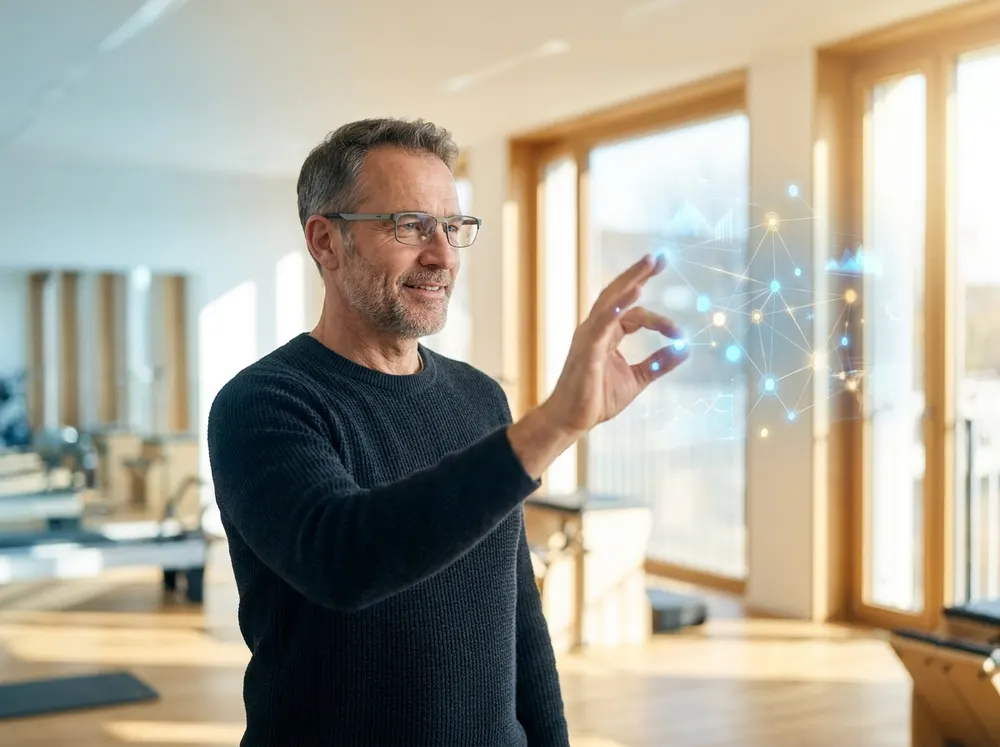
Real incidents become course material in a future academy, where experienced staff and newcomers regularly practise with AI and new technology.
A future academy makes practising with new AI applications part of the job. New applications sometimes change the work faster than training courses can update their programmes, and organisations do not wait for them. Existing staff learn there to work with AI and new technology and to recognise what can go wrong; new colleagues practise with situations in which an application gives a wrong answer. Leaders practise how to make decisions under pressure. Learning becomes a permanent part of the organisation.
- 22

Stronger together against crime
Criminals cooperate globally. Defenders do too, through international ecosystems of businesses, researchers, police and governments.
Criminals may plan an attack in one country, carry it out in a second and collect the proceeds in a third. No organisation or country can stop it alone. A resilient organisation belongs to an ecosystem that crosses borders: sector information-sharing centres, computer emergency response teams connected worldwide, and security companies and researchers sharing new criminal tactics quickly. Europol and Interpol bring police, judicial authorities and businesses together to take criminal services offline. An international initiative by police and businesses gives ransomware victims free decryption keys to recover their files. Your organisation's resilience increasingly depends on the quality of its ecosystem.
This keynote in your sectorDefence Financial services Legal Government Policing and security Smart cities
About the speakerRichard van Hooijdonk
Events in EuropeKeynote speaker for corporate events in Europe
On stage
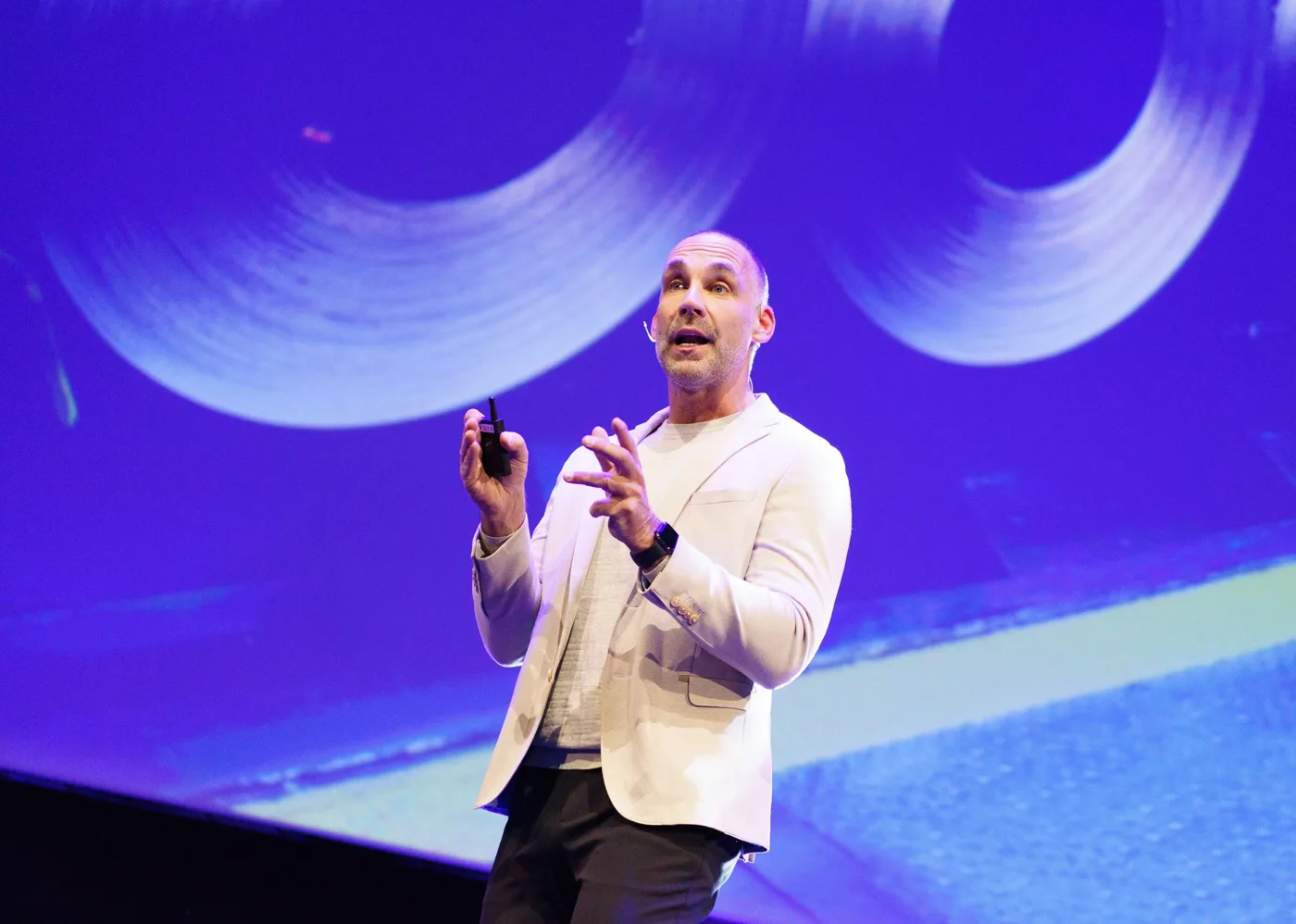
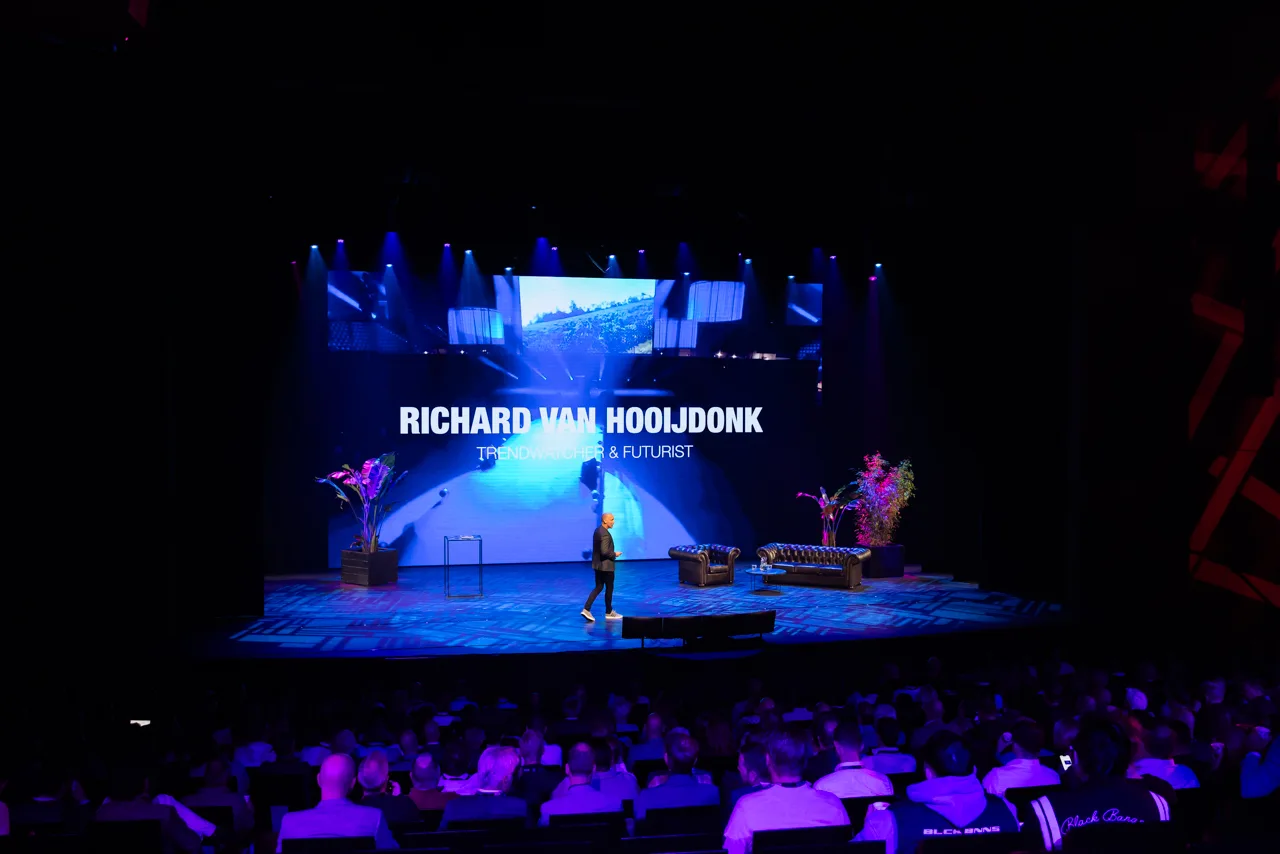
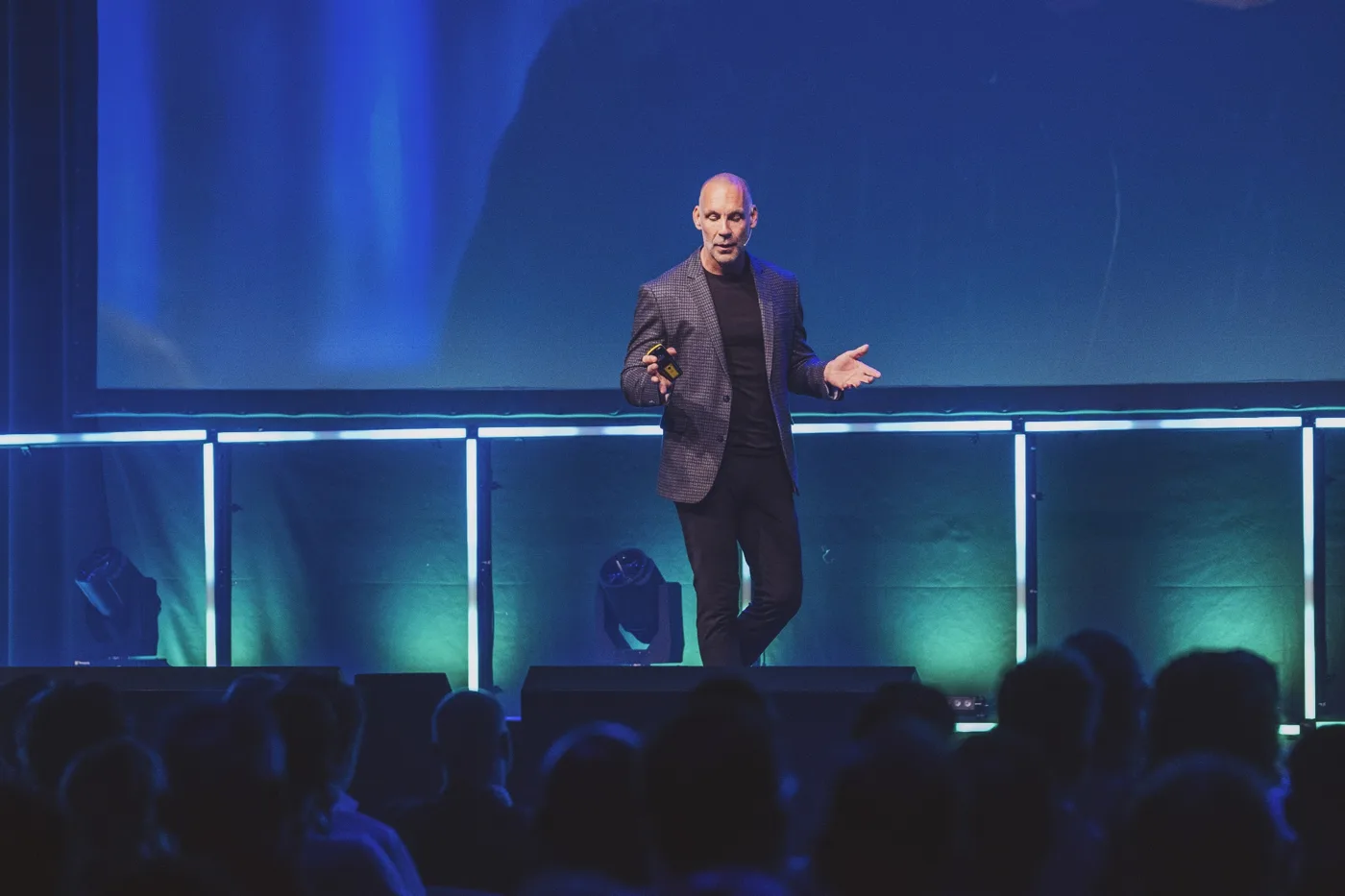
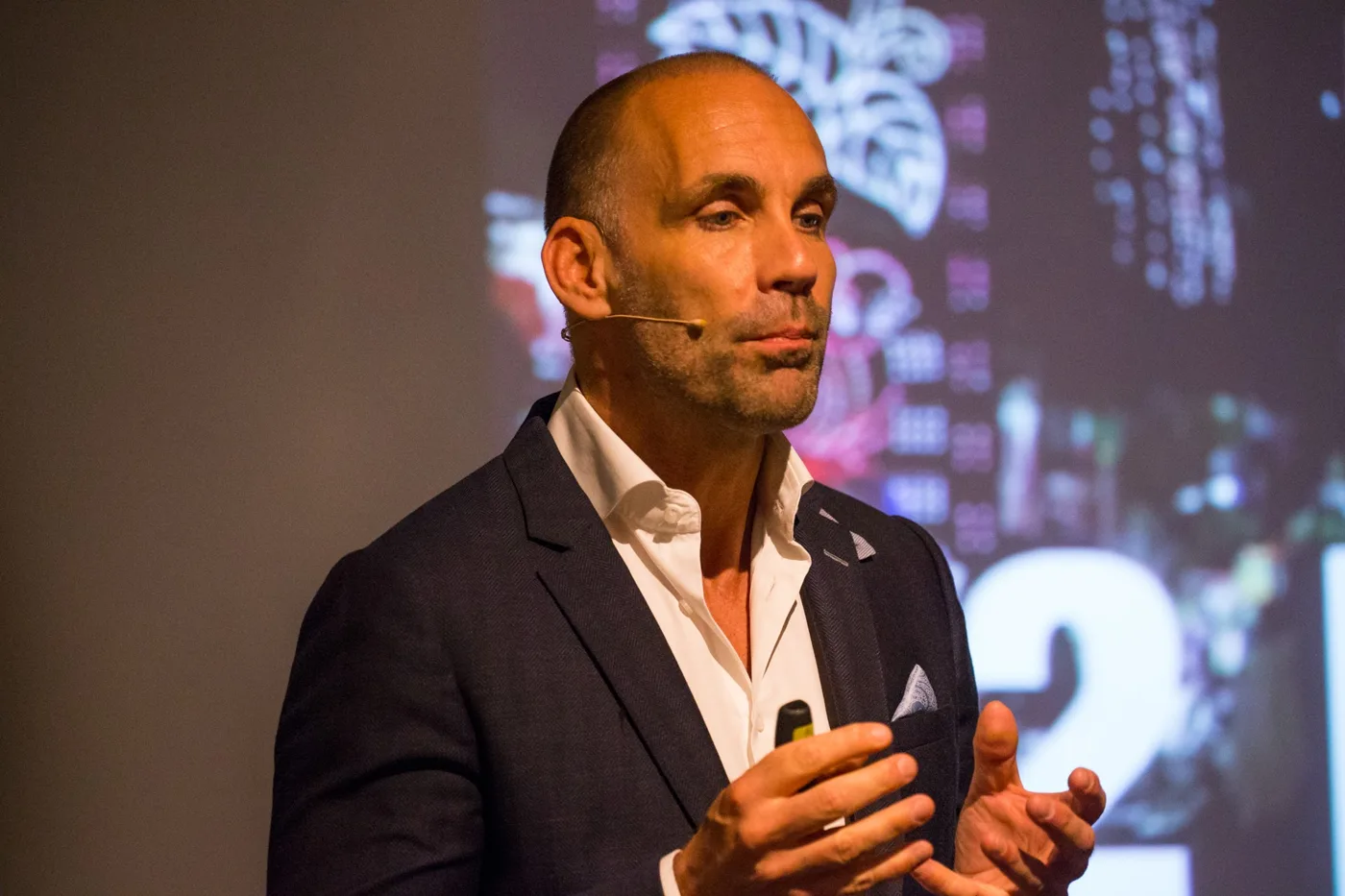
A packed conference hall, a televised panel discussion, a police summit in Dubai.





















What clients say

“Your contribution was particularly dynamic and inspiring! The participants experienced recognition, awareness and certainly, a wake-up call. In short, an excellent contribution through a highly professional performance.”Read the full review →
“The symposium ‘Airpower in the Information Age’ was a great success. Nothing but positive feedback from the participants. In no small part thanks to your commitment and dedication, we were able to achieve this result.”Read the full review →

“You gave us all honest, inspired and entertaining insights. Your performance was highly appreciated by the conference participants and EU members.”Read the full review →
“We thank you once again for your inspiring contribution as the kickoff of the module. We found your lecture very valuable. The inspiration and answers to the questions have given the participants much to think about. As a result of this Top Defence Leadership Programme, we expect several new initiatives to emerge. And that is thanks in part to your inspiring kickoff.”Read the full review →

“An impressive and noteworthy presentation for our employees and customers. The rate at which change is happening, which you eloquently brought across in your energetic speech, requires a disruptive approach. To be continued!”Read the full review →
How a booking works
Your request
Use the form, or get in touch by phone, email or WhatsApp. A few lines are enough to get started.
We get in touch
We'd like to hear what your event looks like, who'll be in the audience and which themes interest you.
A written proposal
Covering the topic, format (on location or online), length (30, 45, 60 minutes or longer) and fee, so you can talk it over with your colleagues.
Getting to know Richard
Next, we'll find a time for the two of you to talk and brainstorm the keynote, the topics and the format. There's no charge for this.
Frequently asked questions
Who is this keynote for?
For organisations that want to defend themselves against criminals using AI: board meetings, security conferences, staff events, IT and security team kick-offs and sector gatherings. The talk suits a mixed audience of board members, managers, specialists and employees who handle emails, payments and customer data every day, with audiences of 30 to 3,000. It also works for events for staff, clients and business partners.
What will the audience take away?
A clear picture of how criminals use AI today, including cloned voices and fake job applicants. A view of what comes next: attacks carried out by AI, crime through robots and cars, and quantum computers that could break today's encryption. And a picture of a resilient organisation, with human-AI teams, new roles, a board that sets direction and partners around the world.
What can my organisation do straight after the keynote?
The board first decides what resilience means for the organisation and what AI may do within it. Next, for each process, comes the question of which work AI takes over, such as searching log files and reviewing access rights, and where human judgement is still needed, as with a payment under pressure. Then come the people, with a culture of reporting without blame and new roles; the technical measures follow from there.
Will the keynote frighten the audience?
No. It explains what is happening without disaster stories, with particular attention to what defenders can do with the same technology. Understanding how an attack works helps people recognise it sooner. The audience leaves with a clear view and confidence, rather than fear.
How does this differ from The AI Revolution?
The AI Revolution covers what AI can do and how it changes organisations and people; criminal use is one topic within it. In Cybercrime in the AI Era, criminal use is the whole story: deepfakes, fraud, ransomware, the future of crime, critical infrastructure and the resilient organisation. If you are unsure which fits, we can advise during the introductory call.
Is the keynote adapted to our sector?
Yes. An introductory call covers the audience, the sector and the questions on people's minds. The examples reflect their work: healthcare executives hear different examples from people working in banking or managing power and water networks. Each sector also has its own page.
How long is the keynote, and can it be in English or online?
30, 45 or 60 minutes, and longer if you wish, with time for questions from the audience, in Dutch or English, in person or online. If you want more than a keynote, there are masterclasses, boardroom sessions for executives, board members and managers, and workshops for all employees.
What does Cybercrime in the AI Era cost?
Fees for international keynotes are on request. Send your date and a short description of your event and target audience, and our proposal will give the fee for your event.
Interested in a keynote?
Let's talk about your event. Leave your details and we'll be in touch shortly.
Prefer to speak to us directly? Call +31 85 303 0792 · email talks@vanhooijdonk.com · send a WhatsApp message