 Richard van Hooijdonk
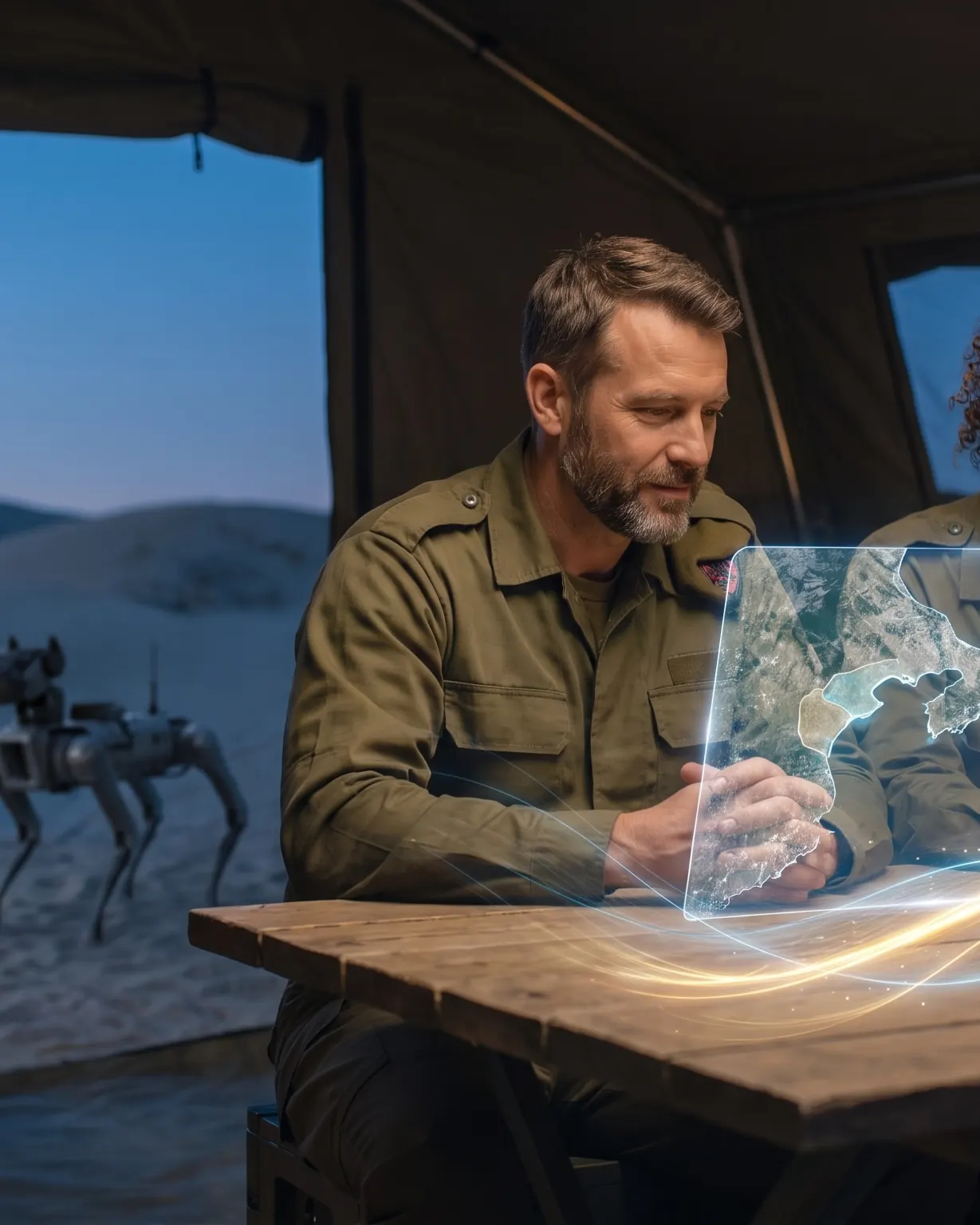
AI & the future of defence
The side that learns fastest holds the advantage. In the armed forces of 2040, people keep the judgement and the command, while AI does the calculating, the forecasting and the watching.
Choose your sector
Every keynote is tailored to a sector. Choose yours.
 Healthcare
 Government
 DefenceYou are viewing
 Policing and security
 Smart cities
 Construction
 Mobility
 Industry 4.0
 Energy and utilities
 Logistics
 Retail
 Wholesale
 Hospitality, tourism and leisure
 Agriculture
 Financial services
 Legal
 Accountancy and advisory
 Education
 Media and entertainment
 Telecoms and connectivity
Is your sector not listed? We tailor the keynote to your audience. Tell us about your audience
AI and new technology are changing more than combat. They change the pace at which defence has to adapt, and the advantage goes to the armed forces that learn faster than their opponent.
Futurist and trend watcher Richard van Hooijdonk expects defence to work at two speeds: systems respond in seconds, while an organisation with a fixed chain of command has to learn faster. That tension is what this keynote is about. In armed forces, AI is already part of the daily routine. It fuses images from drones, radar and satellites into one picture of the situation, searches open sources for signals, predicts when a vehicle needs maintenance and makes the opponent in a simulator smarter. Further ahead lie fighter jets leading a squadron of uncrewed aircraft, swarms of thousands of systems, quantum sensors that reveal what stays hidden today, and conflicts in which AI on both sides responds within seconds. The change in the organisation is at least as large: who takes which decision, how quickly a lesson from the field reaches training, and how armed forces with a fixed chain of command still learn fast. In the keynote you see what works now, what is being trialled and what is still to come. How quickly does a good idea in your organisation travel from the shop floor to the unit?
AI in defence
What AI already does for intelligence, staff work, maintenance and training.
- 01
One picture of the battlespace
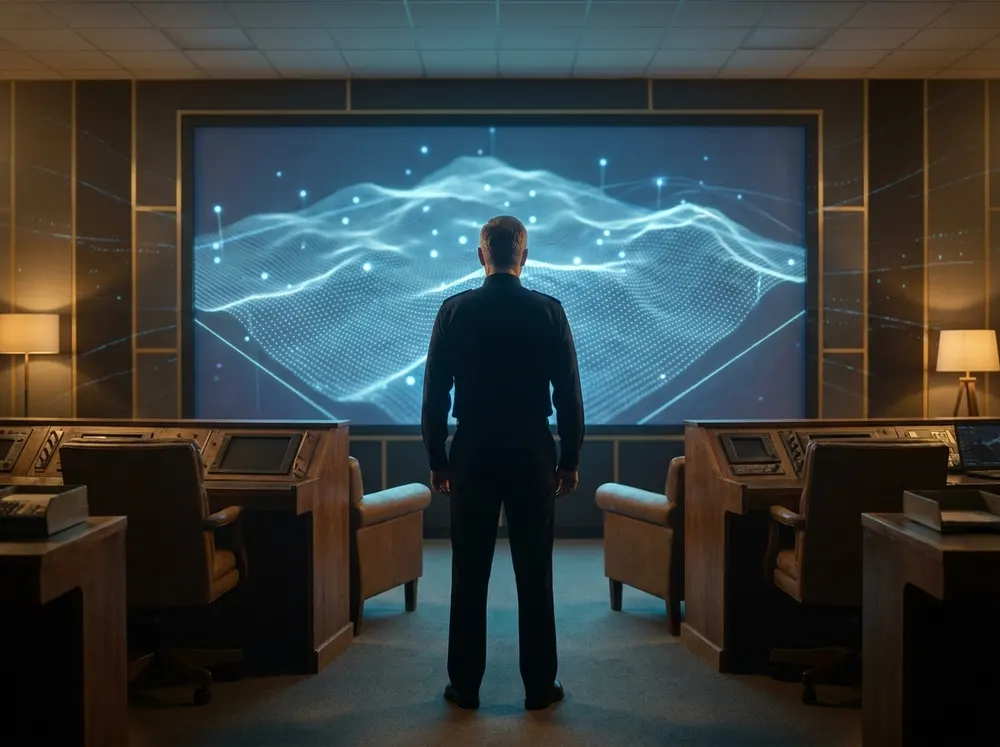
AI turns thousands of sources into one picture of the area of operations. The next step: seeing what the opponent is likely to do.
A modern unit receives information from thousands of sources at once: radar, drone cameras, satellite images, intercepted signals and reports from its own troops. AI fuses those streams into one current picture, recognises vehicles and movements, and lists possible targets with the reasoning behind them. Where an analyst once searched for hours, a staff now sees much sooner what is changing. NATO also works with such an AI-supported system for its operational picture. The next step is a picture of what is coming: AI that uses patterns in movements, logistics and signals to estimate how likely the opponent's next move is, with the uncertainty attached. People set the mission and the limits; within those limits, some weapons select their own targets.
- 02

Intelligence from open sources
AI agents monitor open sources in many languages, day and night, and flag anomalies. The analyst checks and interprets the findings.
Open sources produce more than any team of analysts can take in: social media, shipping and flight data, commercial satellite imagery. AI searches that stream in many languages and links a video of a convoy to a place, a time and a satellite image of the same road. AI agents now also look for additional sources on their own; according to one supplier, NATO is among the first users. In a scenario for 2040, cooperating agents draw different explanations for a military movement from such data, test them continuously against new observations and work through possible next steps. The analyst then sees how the expected course of events shifts as soon as new information contradicts an earlier explanation, and remains the one who interprets it.
- 03
Drones and counter-drones
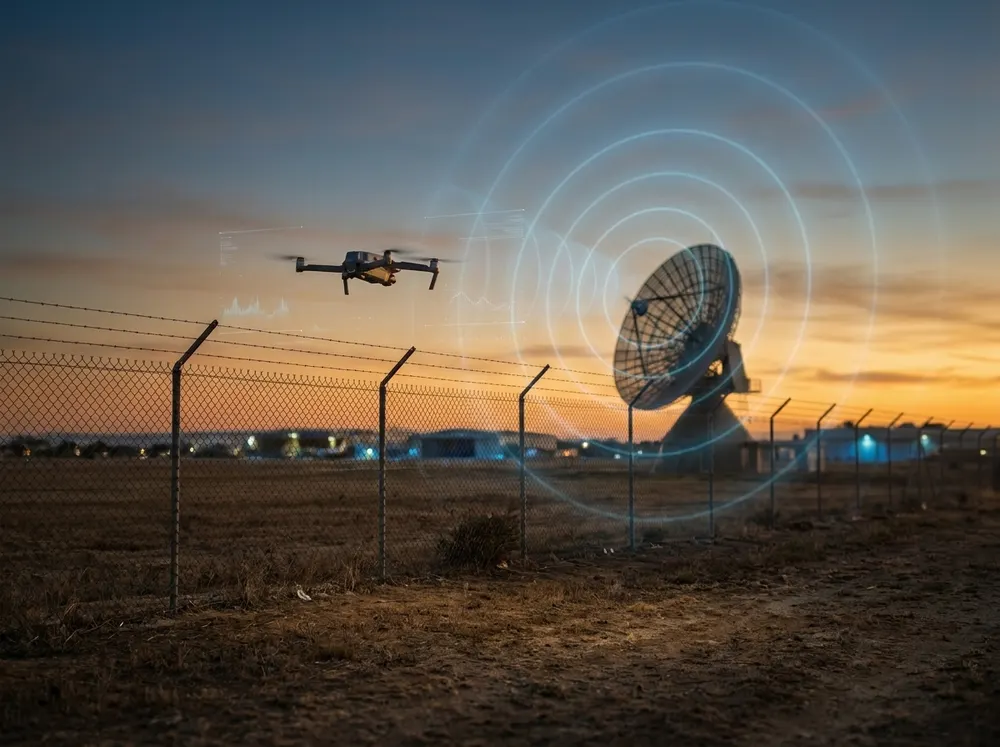
Drones scout for units and support them. AI helps detect and stop drones over barracks, ports and airfields.
Small drones in large numbers have quickly become a fixture of armed forces: they scout, correct artillery fire, deliver supplies and are also used as weapons. That drives demand for counter-drones. AI plays a part on both sides. In the drone, it helps recognise targets and hold a course when the link drops. In defence, it combines radar, cameras and radio signals, so a small drone over a barracks, port or airfield is quickly told apart from a bird. Interceptor drones, which bring down a hostile drone themselves, are already in use. The race is shifting towards deploying them at larger scale, with more autonomy in searching, tracking and intercepting.
- 04
 In pilots
AI as a staff officer
AI helps develop strategies and plans, compare options and track execution. Staff have more time for decisions and for people.
A staff prepares plans and decisions, often under heavy time pressure. In trials, AI takes on a growing share of the analytical work. It helps develop strategies and possible plans, tests them against different moves by the opponent and compares them on risk, time and resources. During execution, it monitors whether the assumptions behind the plan still hold and reports where reality diverges. Armed forces test these systems on closed networks, so classified information stays inside. A staff can examine more options in the same amount of time. That leaves more time for the work people are good at: making choices, weighing what the numbers leave out and working with people.
- 05
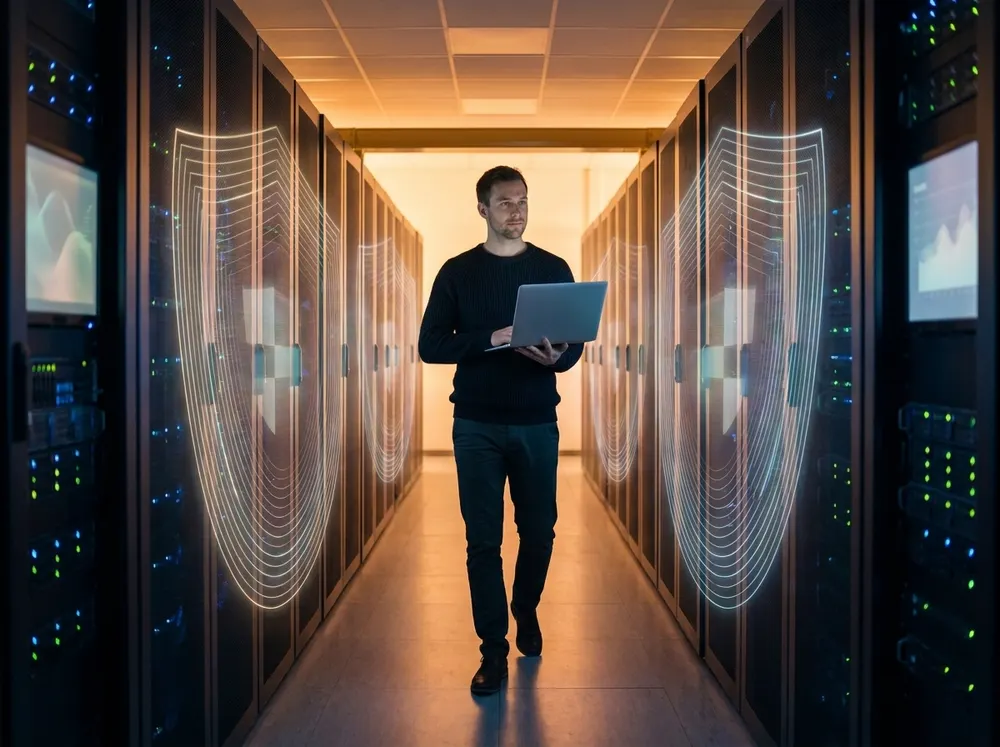
Cyber defence with AI
More and more, AI finds and patches vulnerabilities on its own. The next step: attack and defence at machine pace, with people setting priorities.
Military networks connect command systems, radar, aircraft and ships full of software, and every connection is a possible way in. AI monitors large volumes of traffic and spots anomalies a person would miss, such as a system that suddenly starts sending data in the middle of the night. It is also moving to the source: in a competition run by a government, AI systems showed they could find and repair weaknesses in software on their own. The next step is cyber defence in which AI agents on both sides attack and patch at machine pace. People then set the priorities: which system goes offline, and which has to keep running during an operation. Whoever cannot keep up with that pace has less and less time to defend.
- 06
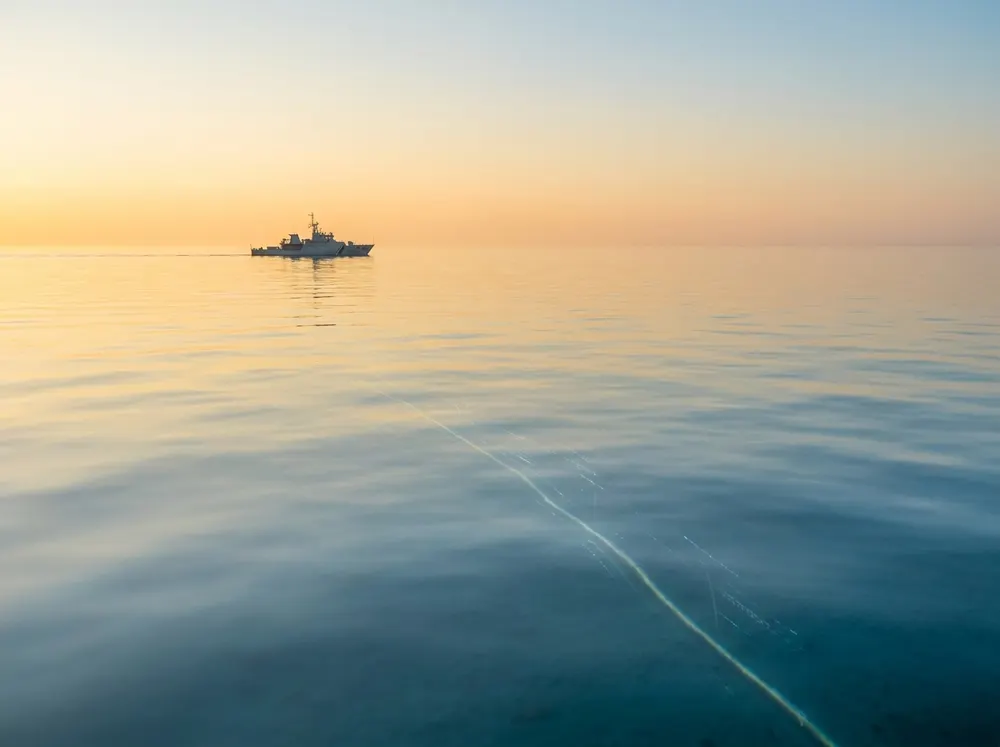
Guarding cables and pipelines
AI tracks ship movements and raises the alarm when vessels behave oddly above cables and pipelines on the seabed.
Seabed cables carry a large share of international data traffic and also transmit electricity; pipelines carry gas and oil. They run for thousands of kilometres and are largely unguarded. AI links the behaviour of ships to the position of those connections: it combines the signals ships transmit with radar, satellite images and data from underwater drones, and raises the alarm when a ship moves unusually slowly, lingers above a cable or switches off its beacon. After several incidents, NATO has stepped up its watch over the cables in the Baltic Sea, with ships, aircraft and uncrewed vessels. The next step is a seabed that guards itself: underwater drones on permanent patrol and fibre-optic cables that report vibrations, acting as sensors themselves.
- 07
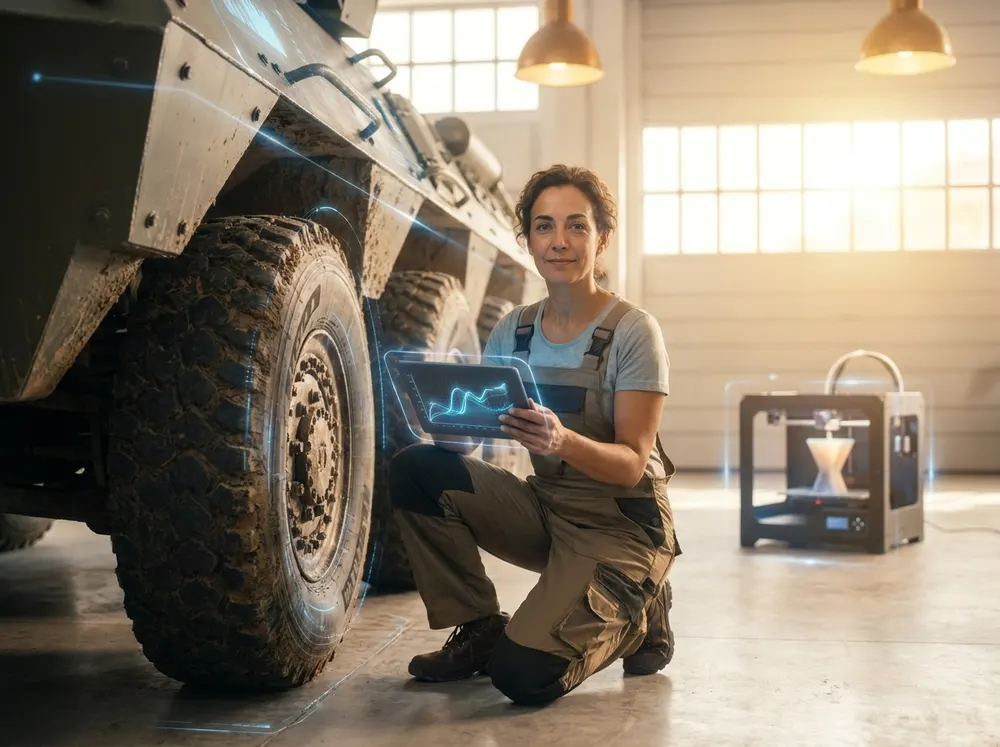
Equipment and logistics with AI
AI predicts wear and the need for ammunition and fuel. 3D printers make parts close to the operation.
A unit is only as deployable as its equipment and its supply chain. With predictive maintenance, sensors in vehicles, aircraft and ships measure the condition of parts, and AI works out when something is about to fail. The mechanic replaces the part before it breaks down. The same principle applies to supply: AI helps estimate how much ammunition, fuel and spare parts an operation needs and where they should be. Then there is the 3D printer, which makes a part in a container close to the operation that would otherwise take weeks to arrive. Part of supply shifts from transporting things to making them on the spot.
- 08
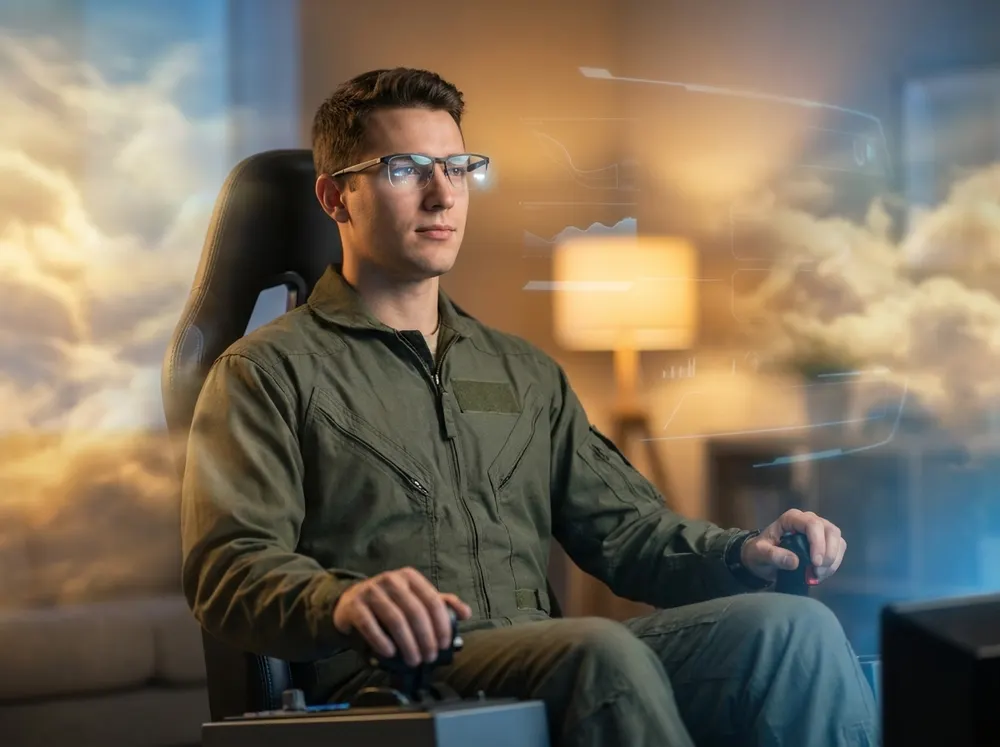
Training in virtual worlds
Practising against an AI opponent that adapts. Soon in a digital twin of the real area of operations.
In simulators, military personnel practise what would be too costly, too dangerous or too rare to rehearse for real, from a dogfight to an operation across an entire neighbourhood. AI makes that training more realistic: the opponent follows no fixed script but reacts to what the trainees do. In a simulation, an AI pilot beat an experienced fighter pilot five times in a row; later, AI also flew a real test aircraft in a practice dogfight. The next step is training in a digital twin of the real area of operations, against an AI opponent that already knows the tactics of recent weeks. Lightweight AR glasses then merge field exercises with virtual ones: the soldier moves through real terrain where virtual opponents appear.
- 09
 In pilots
Hybrid threats and disinformation
Sabotage, cyber attacks and influence campaigns blur together. AI helps analysts see links between scattered signals.
In a hybrid threat, a state combines different means: influence, cyber attacks, economic pressure, sabotage and sometimes military action. It often stays below the threshold of war, using means that each look small on their own: a suspicious fire, drones over an airfield, a wave of fake news. Each incident lands with a different agency. AI helps lay those scattered signals side by side and see patterns: thousands of accounts spreading the same story at once, or a series of incidents pointing to one plan. A pattern does not yet prove who is behind it. Generative AI makes influence personal and possible at scale; at the same time, AI can sharply shorten the time between the first signals and recognising a coordinated campaign.
The future of defence
Where the armed forces could be in five to fifteen years, with AI as the engine.
- 10
 Future scenario
The air battle of 2040
The next generation of fighter jets is designed to lead uncrewed aircraft. The pilot becomes the conductor of a squadron.
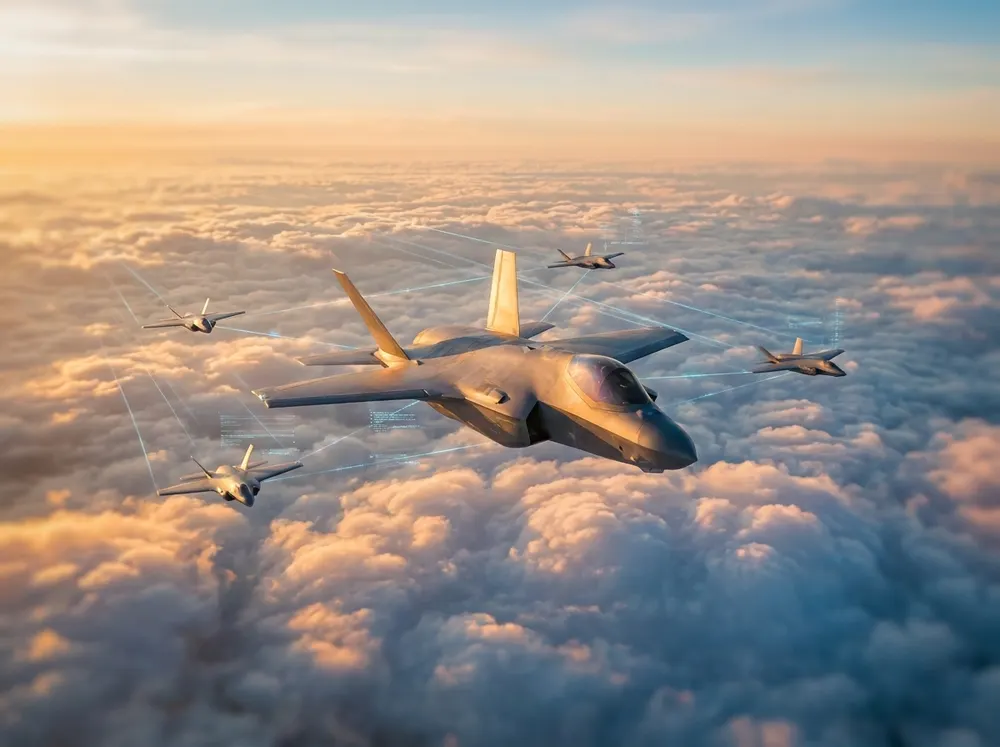
Around 2035, the first fighter jets of a new, sixth generation are due to enter service. What sets them apart from their predecessors is mainly their role: the crewed aircraft is designed as a hub that directs a group of uncrewed aircraft. Concepts mention several of these wingmen per fighter. AI flies, evades and divides the tasks; the pilot sets the mission and oversees the whole. In the scenario for 2040, a squadron has more aircraft than pilots, and training shifts from flying skill to leading a team in which most members are not human. The highest-risk missions then go to aircraft without a crew.
- 11
 Future scenario
War at machine speed
When AI on both sides observes, plans and responds, the time for a decision shrinks from hours to seconds.
War at machine speed arises when observing, planning and responding are linked directly through AI, on both sides. Actions can then follow one another before a person has assessed every step in between. The time for a decision shrinks from hours to seconds, above all in cyberspace, in the radio spectrum and in air defence. In 2017, military thinkers called this hyperwar: a conflict in which the first blows land before anyone has an overview. Analysts already describe today's drone fighting as a contest in how quickly software adapts. The scenario for the next ten years: people set the goal, the limits and the rules in advance, and machines act within them at their own pace. Leadership shifts from the moment itself to the preparation.
- 12
 Future scenario
Swarms of thousands
Swarms could grow to thousands of cooperating systems in the air, on and under water, with AI coordinating what they do.
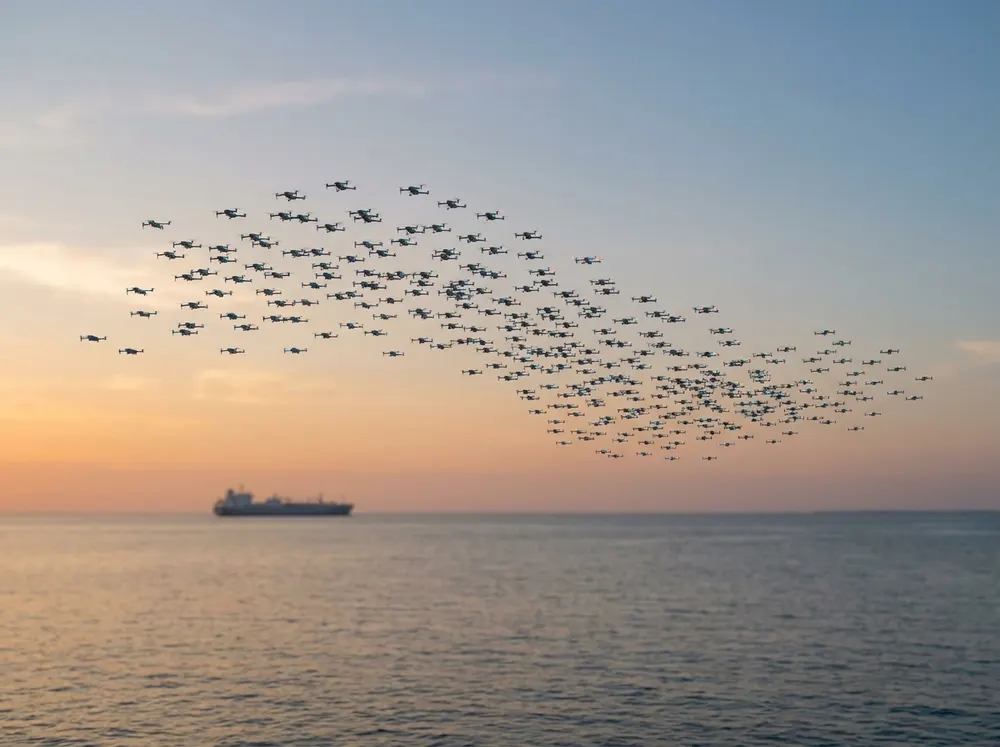
A swarm is more than many drones at once: the systems share information, divide the work and cover for each other's losses. Trials now run with dozens of systems per operator. In time, thousands of simple systems, launched from motherships, cargo aircraft or large underwater drones, could act as one to scout or defend an area, or to overwhelm an enemy's defences. Numbers count again: an expensive platform can be overwhelmed by many small ones. When jamming cuts the links, the systems have to keep working on their own. People set the goal, the area and the limits; AI directs the movements within them. Smarter algorithms can help achieve more with the same resources.
- 13
 Future scenario
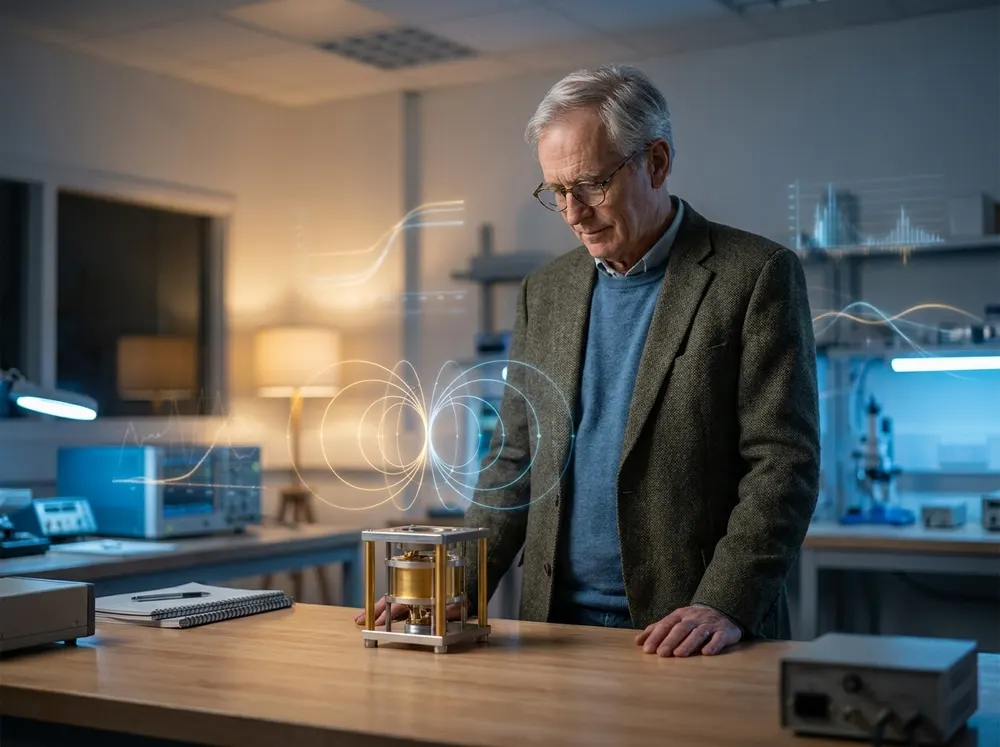
Quantum and what stays hidden
Quantum sensors could detect what stays hidden today; quantum computers could break widely used encryption. Both touch military secrecy.
Quantum technology computes and measures using the physics of atoms and particles. For defence, that cuts two ways. Quantum sensors measure gravity, magnetism and motion so precisely that navigation without satellites becomes possible, and submarines may become easier to find at short range and in shallow seas. AI pulls the useful signal out of the noise in those measurements. At the same time, a large enough quantum computer could break the public-key encryption that protects many connections today. When that will be possible is uncertain; governments are preparing the switch to quantum-resistant encryption, some with 2035 as the deadline. The scenario for 2040: sensors that track straits and coastal waters so precisely that slipping through unseen becomes much harder.
- 14
 Future scenario
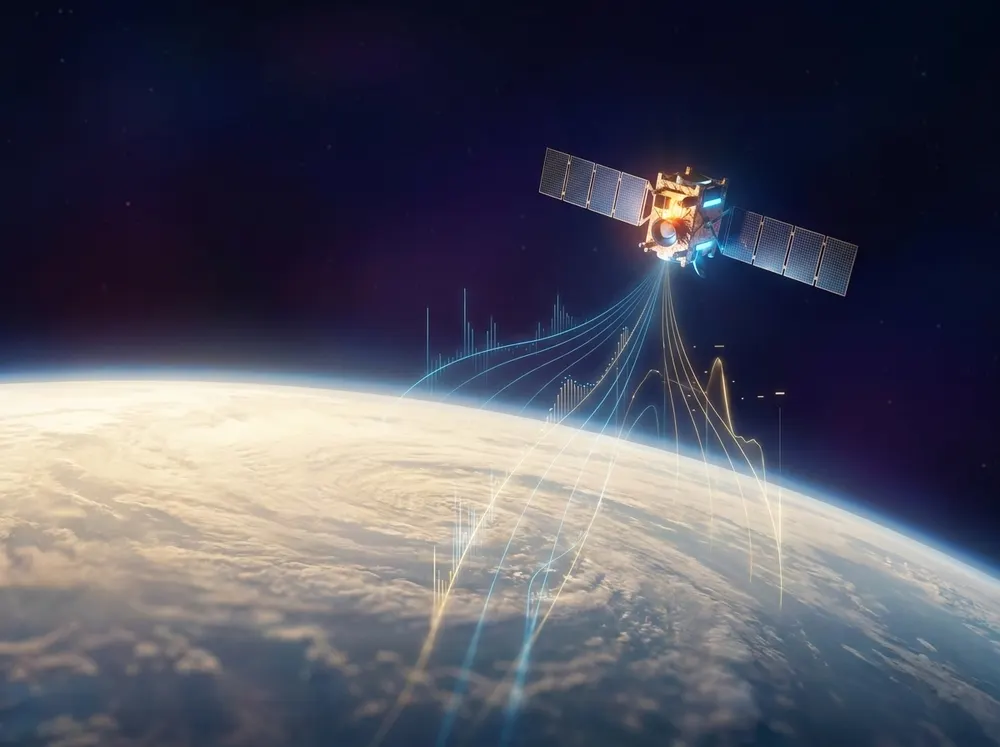
The contest in space
Satellites that manoeuvre, refuel and protect each other. With AI on board, space becomes a domain that responds by itself.
Satellites carry military navigation, communications and reconnaissance over long distances. Most have limited fuel and depend heavily on control from the ground, which makes them predictable. That is changing. Refuelling in orbit has already been demonstrated, there are plans for satellites that guard other satellites, and in one trial an AI model controlled a satellite in orbit. The scenario around 2040: networks of hundreds of small satellites that analyse their images on board, move out of the way when another object approaches and take over each other's tasks when one fails. Manoeuvring and responding then become as routine in space as at sea.
- 15
 Future scenario
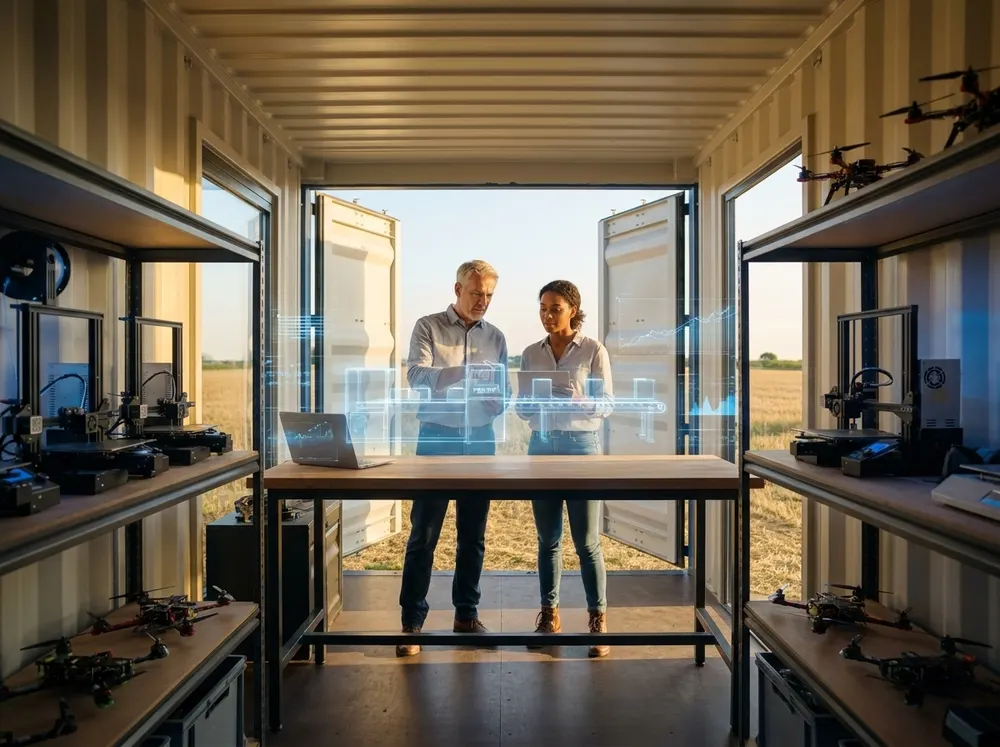
The factory that keeps pace
Design, test and build in days: AI designs, modular factories produce close to the operation, and updates keep coming.
Defence equipment used to be designed to last for decades. On today's front lines, drone production runs into the millions a year, and one version quickly follows another. The next step links design, factory and deployment directly. AI designs parts from requirements and combat data, a digital twin tests a production line before it runs, and modular factories in containers print and assemble close to the operation. The scenario for 2040: systems whose software is updated every week and whose hardware changes every few months, with production lines that switch just as quickly. Industry becomes part of the operation, and the strength of armed forces also depends on how fast their supply chain learns.
AI gives defence options that were science fiction a generation ago. How quickly they reach the unit depends on people: how they learn, work together and trust each other.
Richard van Hooijdonk
The defence organisation of the future
What AI asks of roles, units, leadership and culture in defence.
- 16
The AI-first organisation
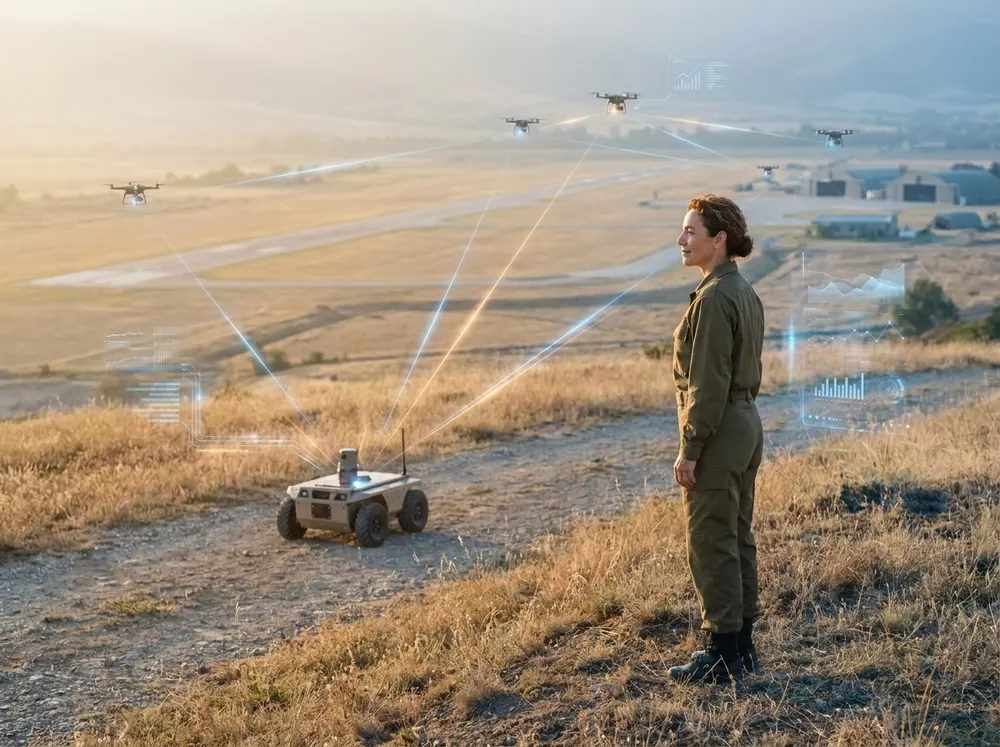
Sensors and AI take over much of the watching and scouting, and make forecasts. Military personnel weigh the consequences, decide and act.
In AI-first armed forces, sensors, AI and autonomous systems do much of the repetitive and predictive work that people do not need to do. Military personnel concentrate on judgement, contact and responsibility. That affects how teams are made up and how a staff works. For an organisation that struggles to recruit, it is also a practical choice. A system can watch an area for days without tiring. Weighing consequences, building trust and carrying responsibility stay with people. In a scenario for 2040, new teams are designed from the drawing board around what machines do, and one person directs several systems.
- 17
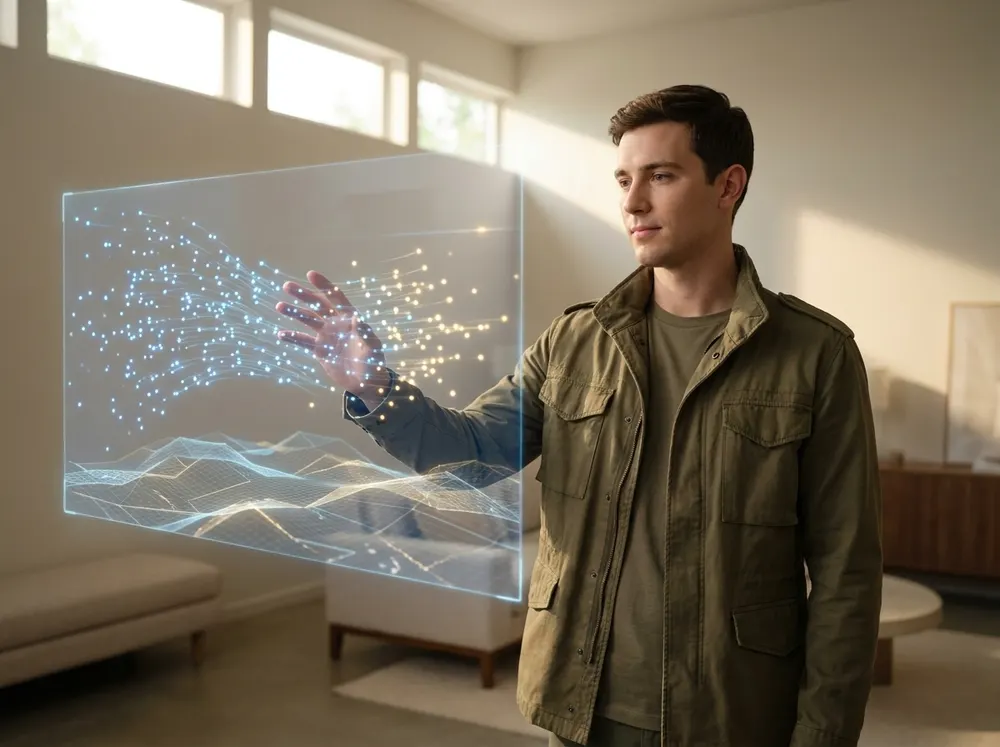
New roles in defence
Swarm leaders, model trainers in the field, spectrum strategists: the jobs of 2040 barely exist yet.
As AI and uncrewed systems take over much of the hands-on work, military personnel shift from operators to directors. Military think tanks sketch the jobs that come with it. The swarm leader does not fly one aircraft but gives hundreds of systems a goal and limits. The model trainer in the field feeds AI with new data from the area of operations, so a recognition model learns to identify a new enemy vehicle within days. The spectrum strategist matches communications, sensors and jamming capacity to the manoeuvre. The cognitive defence specialist protects units and the population against influence operations. Reservists bring knowledge from the tech sector. What these roles share: the edge depends more and more on brainpower and adaptability, and less on numbers.
- 18
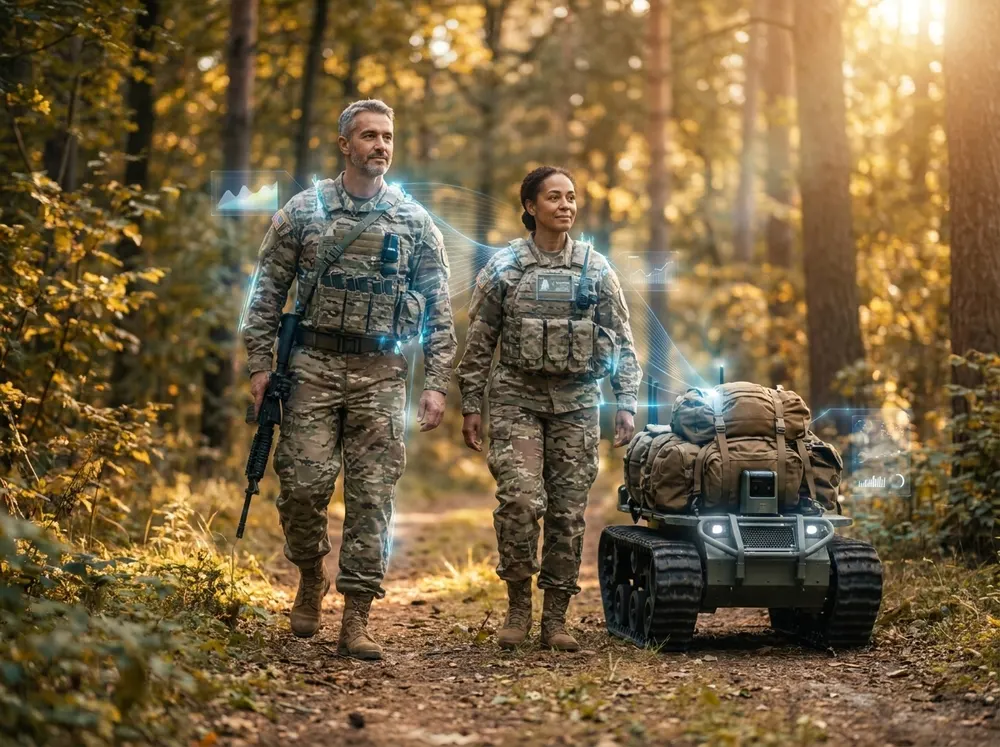
People and machines in one unit
Several drones and robots per soldier could work in the unit. The leader directs a team of people and machines.
In a mixed unit, soldiers work alongside uncrewed systems and AI. An infantry section might get drones that scout ahead, a robotic vehicle that carries loads or evacuates the wounded, and AI that sorts incoming reports. What the machine does well, the machine does, such as watching an area for hours. The soldier does what calls for judgement: choosing, talking to the local population, stepping in. Exercises show how much predictable behaviour and understandable reports shape the cooperation. The next step is a unit with several drones and robots per soldier. The section leader then also leads a team of machines, deciding what each system may do on its own and when a person takes over.
- 19
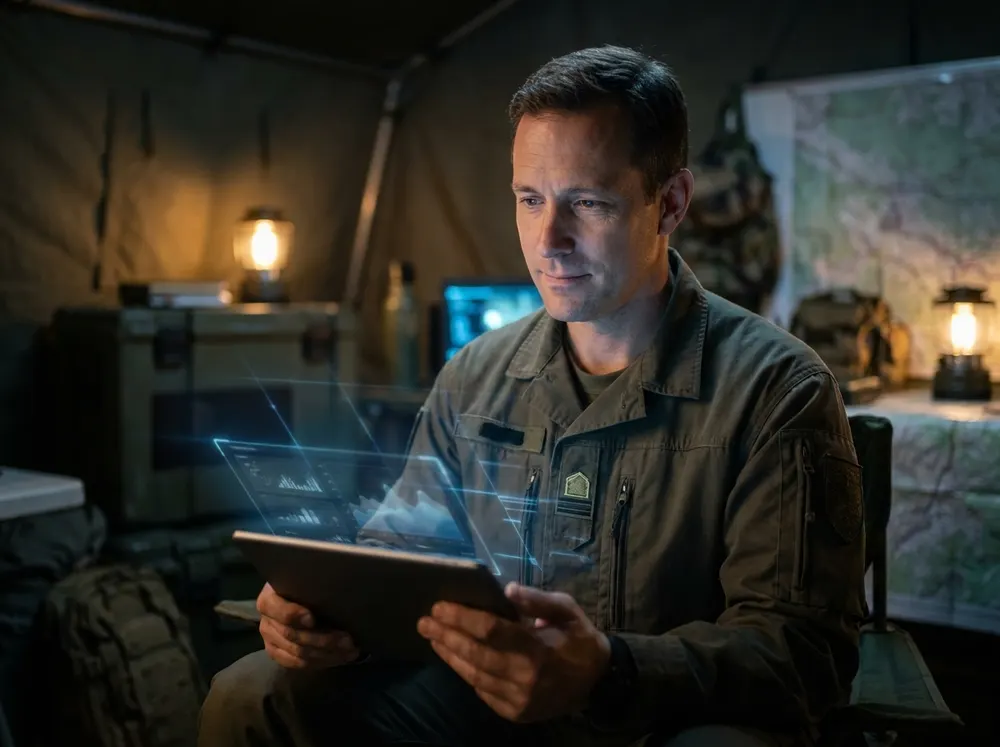
Leadership in defence
Leaders in defence take the initiative on AI and new technology, and inspire their people to build tomorrow's armed forces together.
- 20
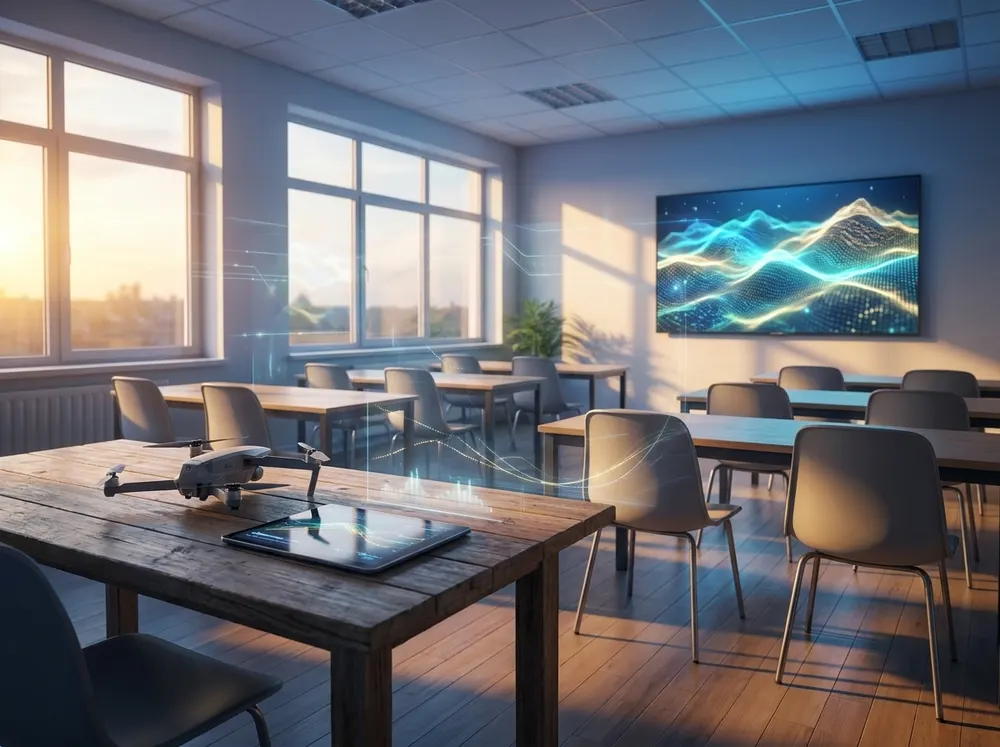
The future academy
Exercises and deployments are the course material. Staff learn to work with AI and new technology without waiting for formal education.
A future academy is an in-house training centre that prepares staff and leaders for tomorrow's work. New AI applications can change the work before training programmes have caught up, and the organisation does not wait for them. Current staff learn to work with AI and new technology there, and new colleagues practise with the organisation's own applications from day one. The academy draws its course material from the organisation's own work, and changes as that work changes.
- 21
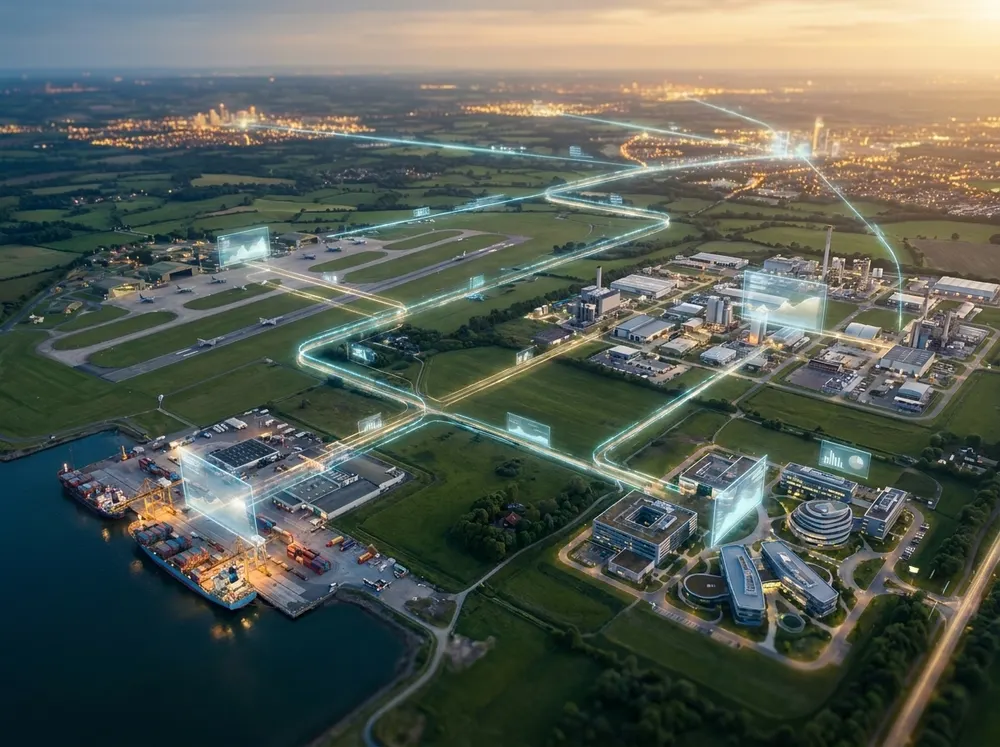
Growing with an ecosystem
Start-ups, scientists, partners and friendly governments develop together and share what works. New applications are put into use sooner.
No organisation develops all its technology alone. Innovation emerges in an international ecosystem of partners, start-ups, scientists and friendly governments. How well that ecosystem works determines how quickly an innovation reaches the people who use it. Start-ups build software and hardware at a pace that traditional procurement cannot match; organisations that give them room to test, data and small contracts gain access to that pace. Governments pool research funding, test each other's solutions and buy together. An invention from one country can then be in use in another within months.
The other side responsibility and risk
Data, control and crime: where AI can make defence vulnerable.
- 22
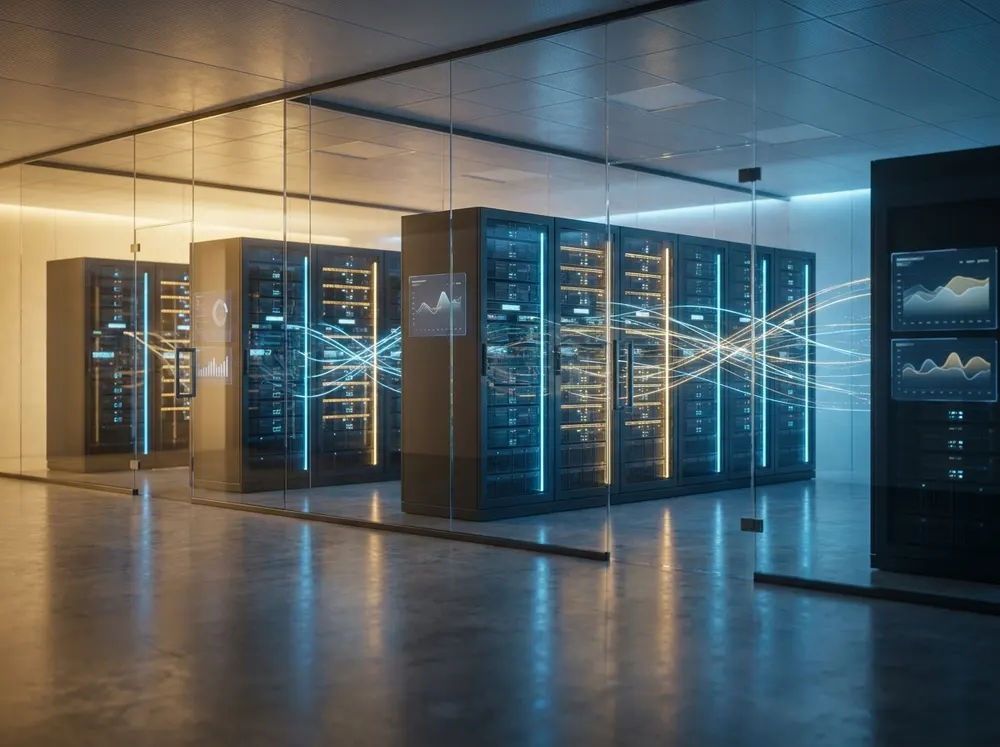
Data as the foundation
AI only works when data from every part of the organisation is available, reliable and connected. That is the foundation of AI-first armed forces.
AI-first armed forces let AI forecast, plan and advise across units and services. That only works when the data is available, reliable and connected: sensor images, maintenance records, stock levels and mission data. Often it sits in separate systems, each with its own codes and classifications. Missing data can lead to wrong answers, and an agent taking over a task then lacks important information. Allies also need agreements on sharing data and AI models, so systems can work with each other's information. Linked, consistent and up-to-date data is the foundation on which AI can work across the whole organisation, with clear rules on who may use which data, and for what.
- 23
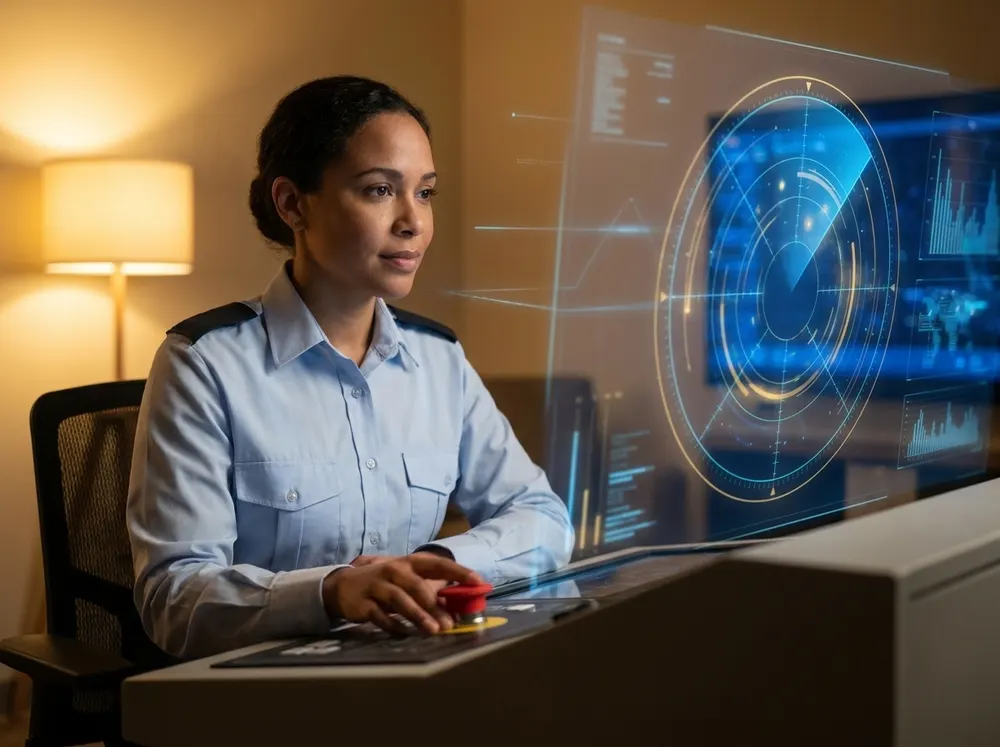
Human control over weapons
How much a weapon may decide for itself is under debate. The law of armed conflict applies, even when a system recognises and tracks targets.
An autonomous weapon selects and strikes a target without a person intervening at that moment. Air defence systems that intercept missiles on their own have existed for a long time. With AI, the number of systems that can recognise and track by themselves is growing. The law of armed conflict still applies, with distinction, proportionality and precaution. Countries and alliances agree principles for responsible military AI, and talks on rules for autonomous weapons are under way at the United Nations; there is no agreement yet on further restrictions. When decisions are taken at machine speed, for some applications a larger part of human control may shift to design, testing and limits set in advance. How much depends on the weapon, the task and the circumstances. That will be the heart of the debate in the coming years.
- 24
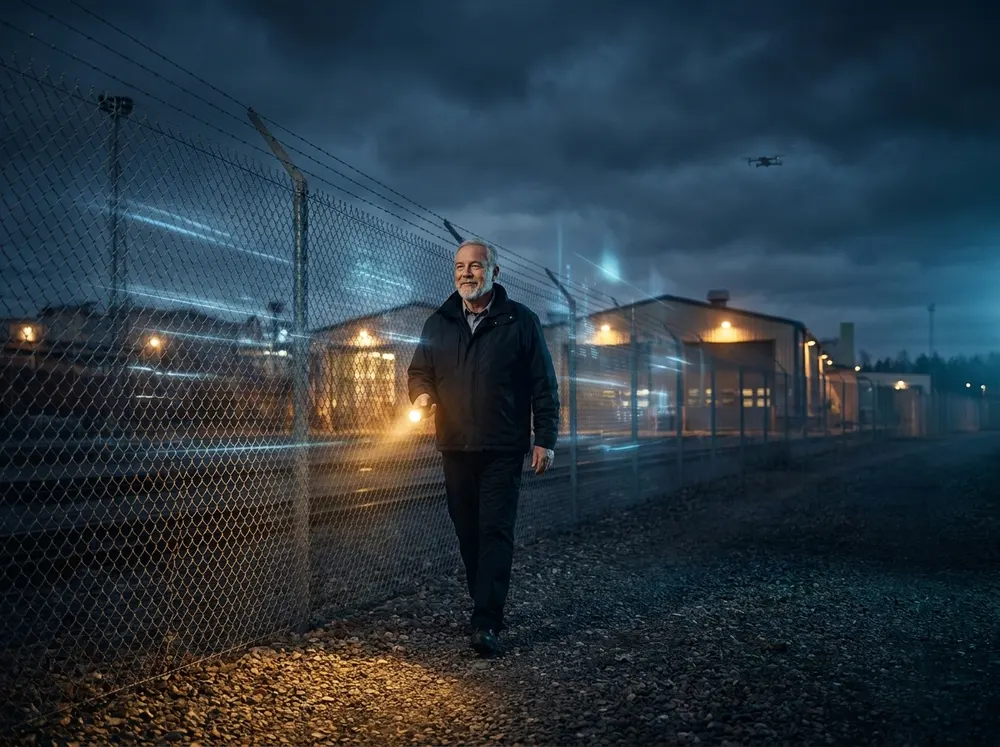
Sabotage through criminal networks
With AI, hostile states and criminals get at military data and critical systems more easily: through hacks, ransomware and cloned voices.
Defence sites, critical infrastructure and personnel data are valuable to hostile states and criminals, and AI speeds up their access. Phishing messages can be tailored to individual members of the armed forces, a cloned voice of a commander or supplier asks for access, and AI can help find weak spots in systems. Ransomware can also bring defence suppliers to a halt. Security services in several countries warn that states hire criminals to spy or to sabotage. An AI company has already reported that an AI agent carried out a large part of a cyber espionage campaign. The same AI that helps an analyst spot a suspicious movement helps a sabotage network scout a target. As AI spreads, good security becomes part of readiness.
About the speakerRichard van Hooijdonk
Events in EuropeKeynote speaker for corporate events in Europe
On stage
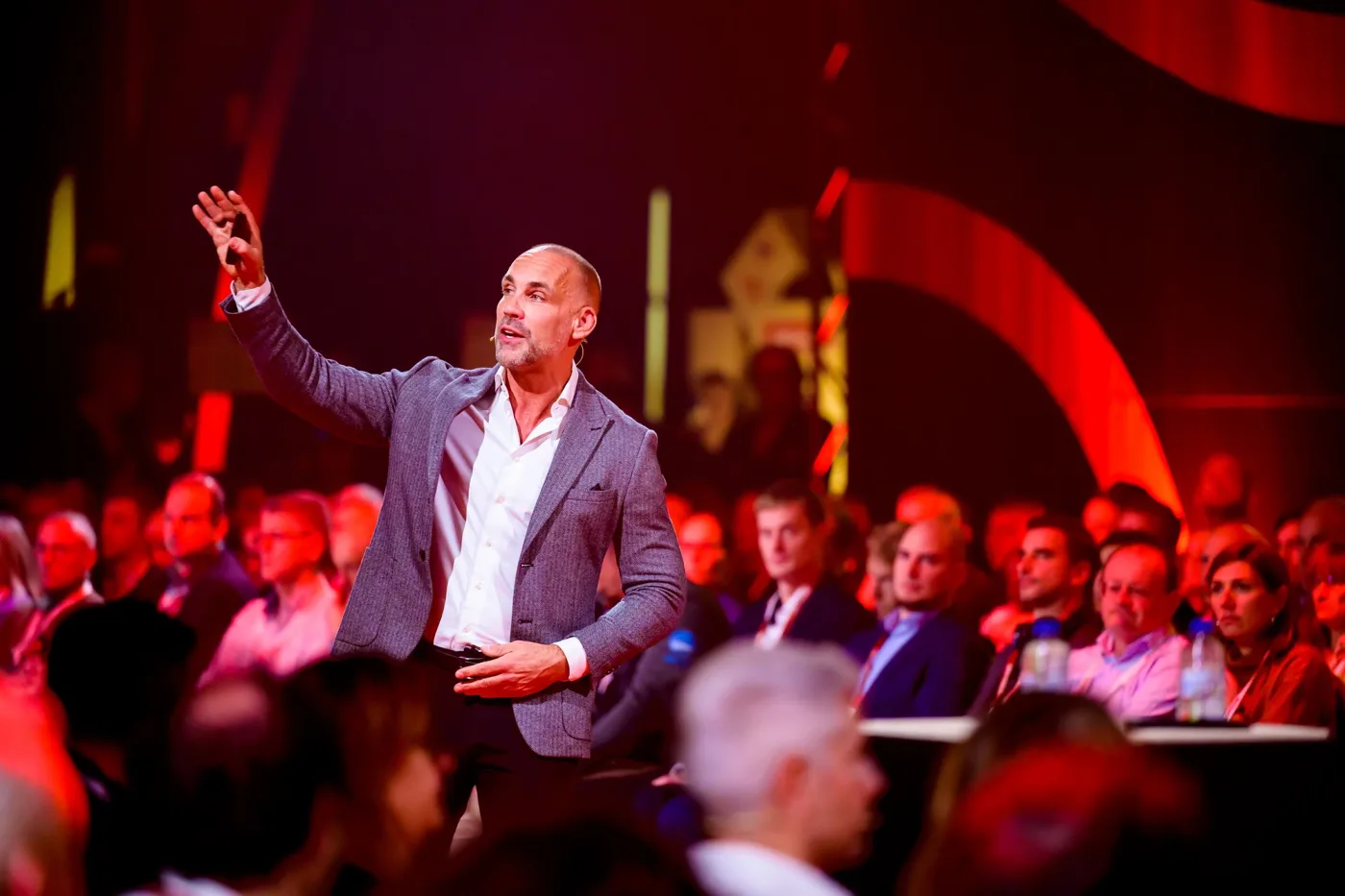
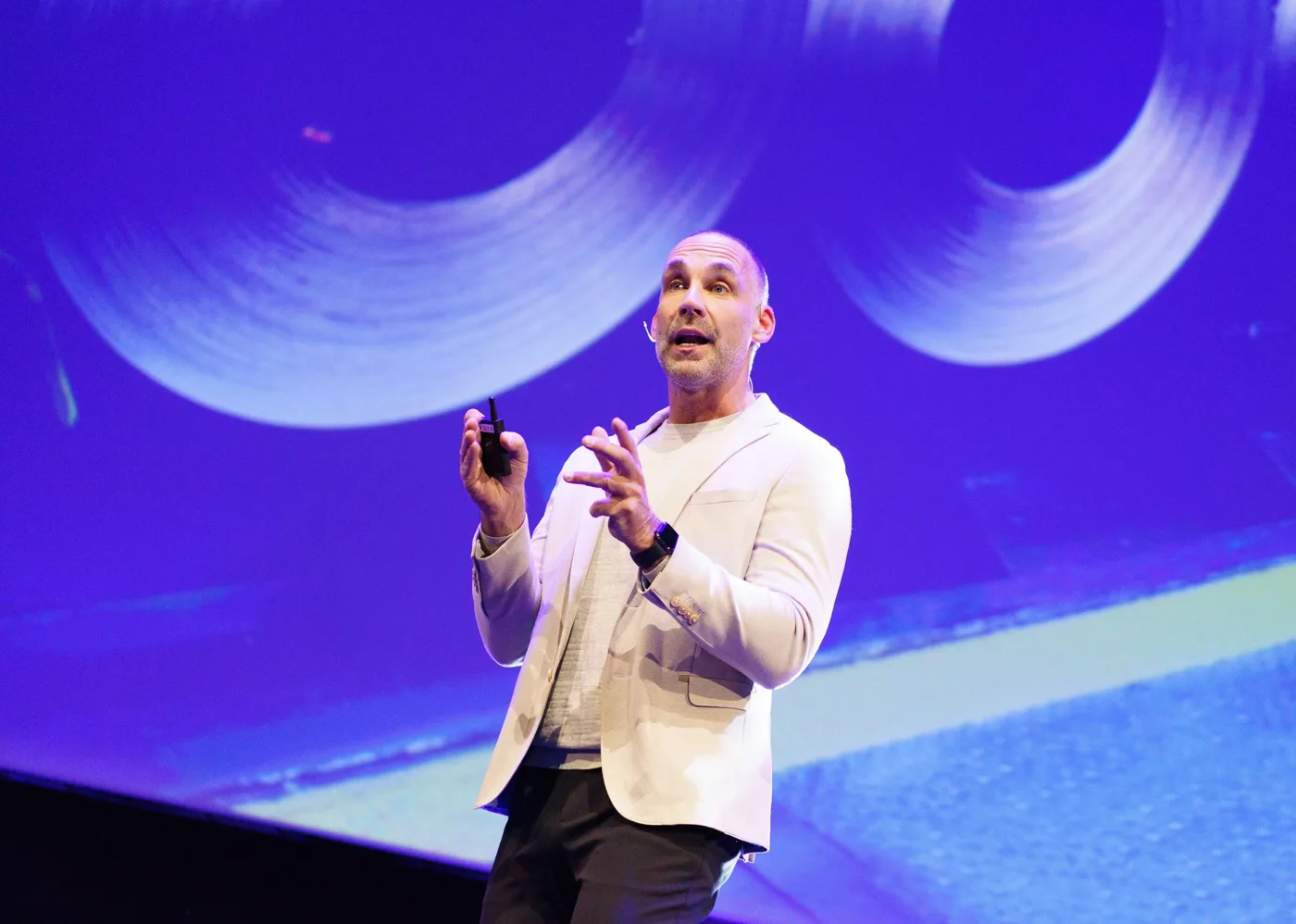
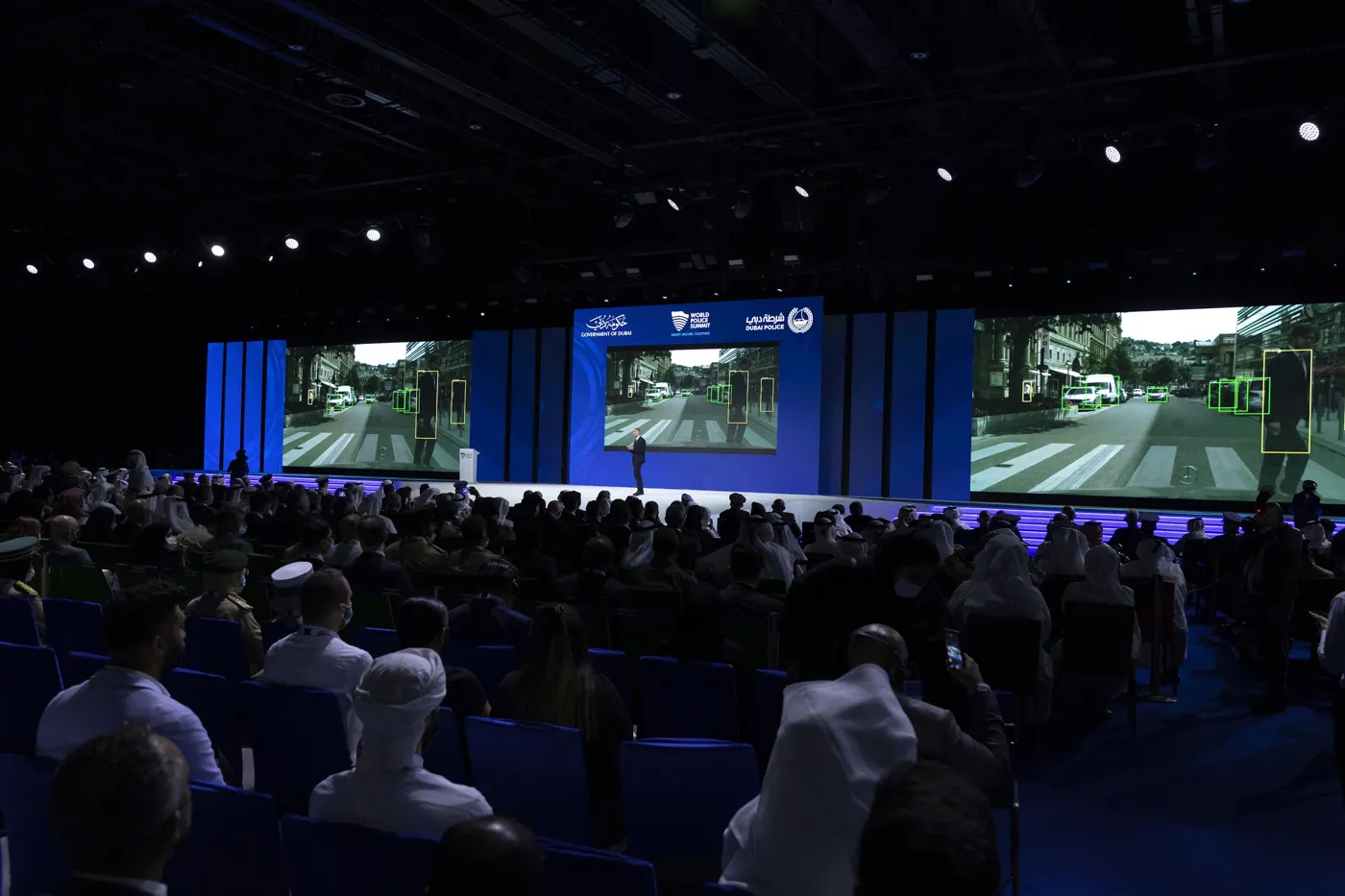
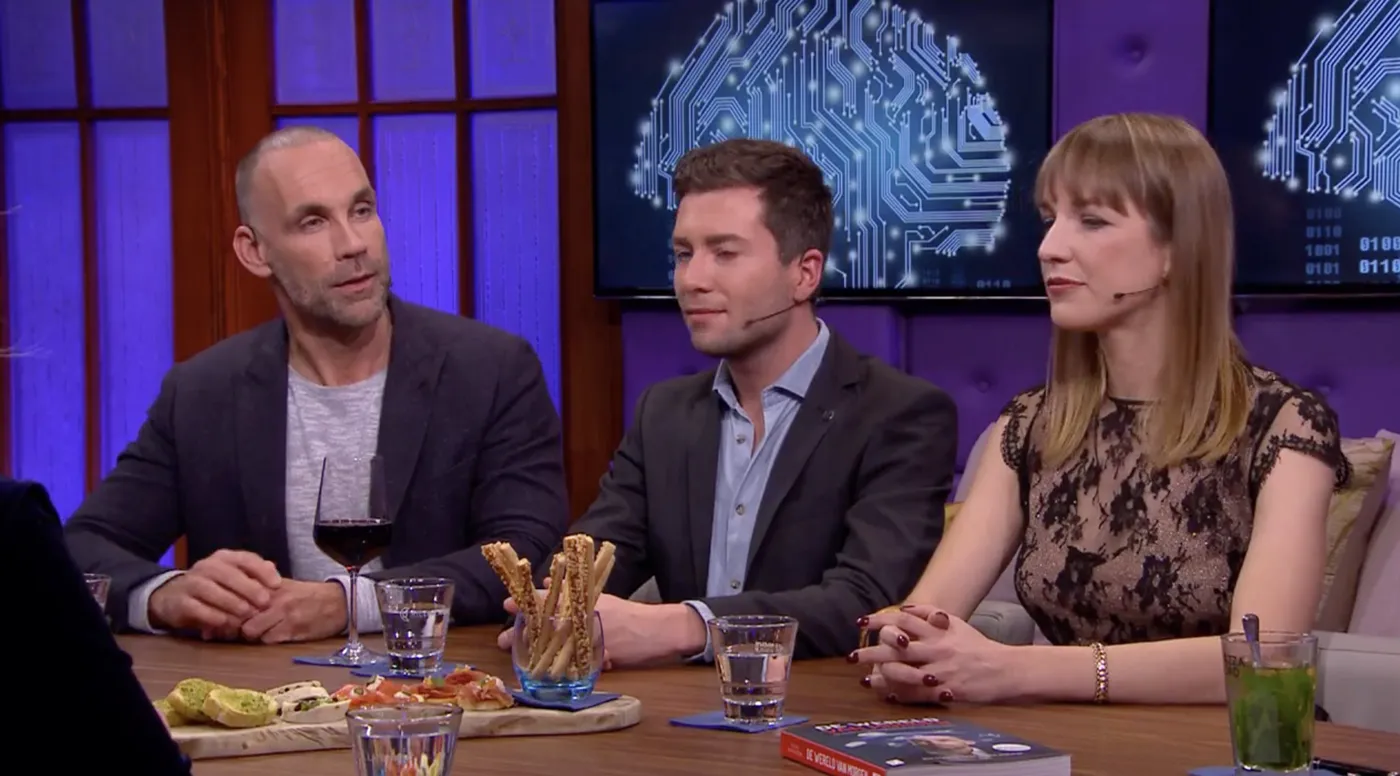
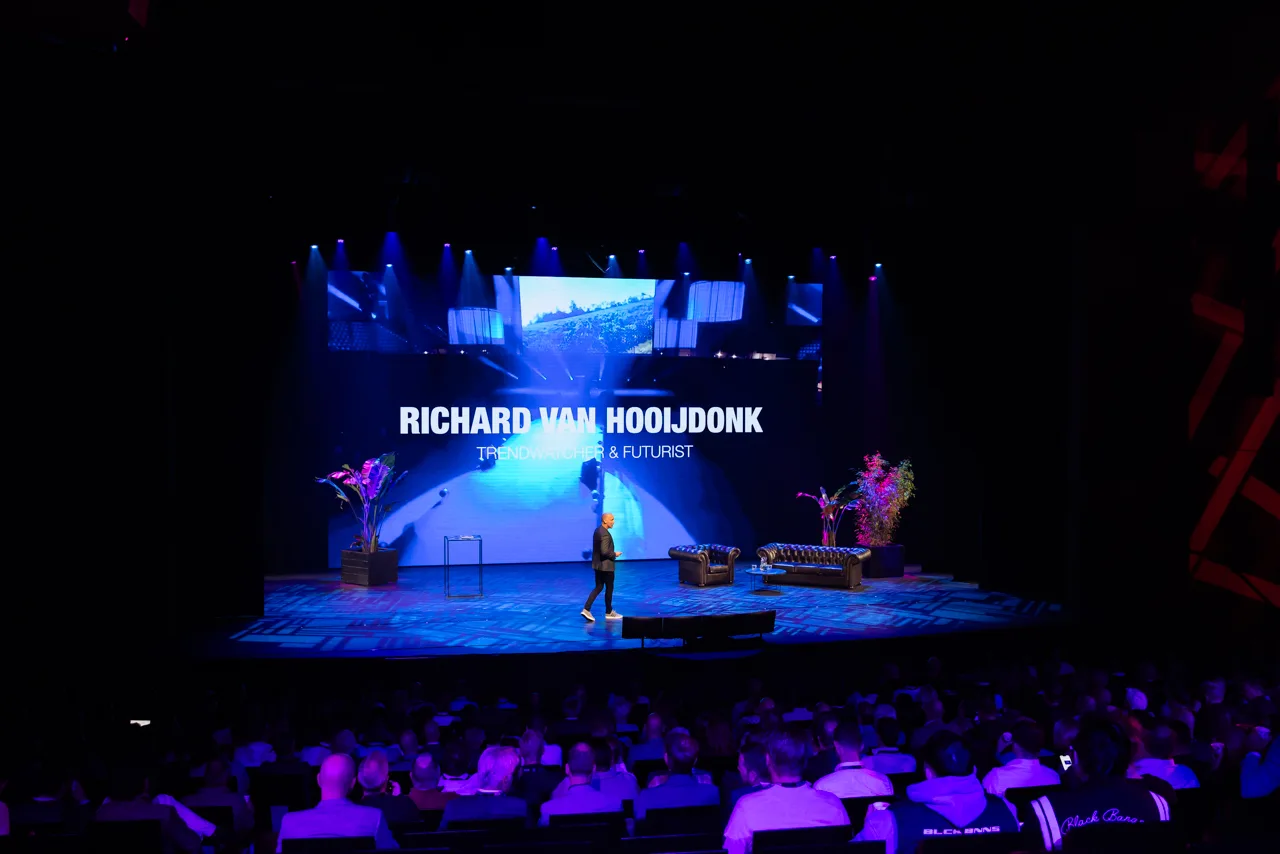
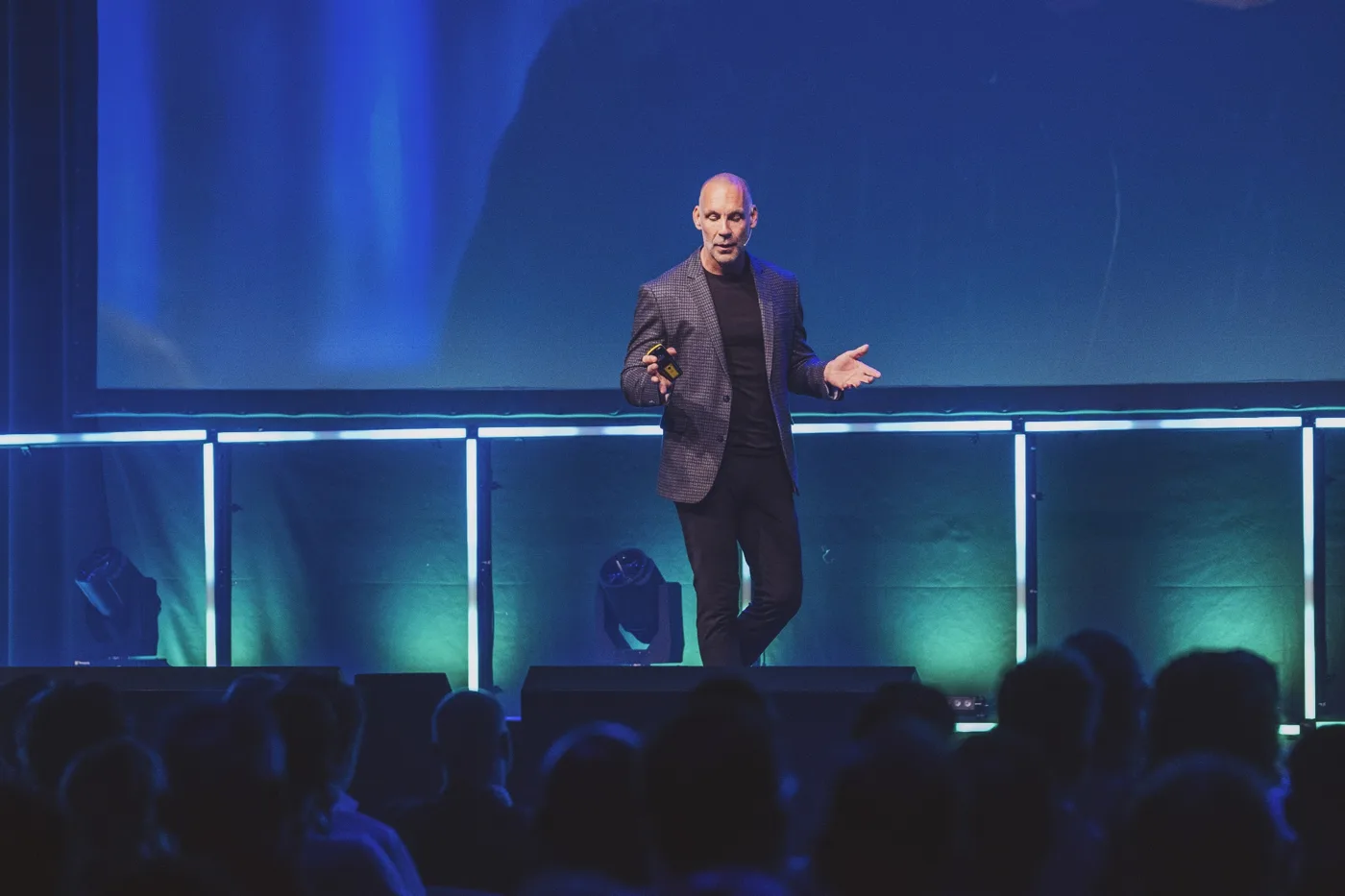
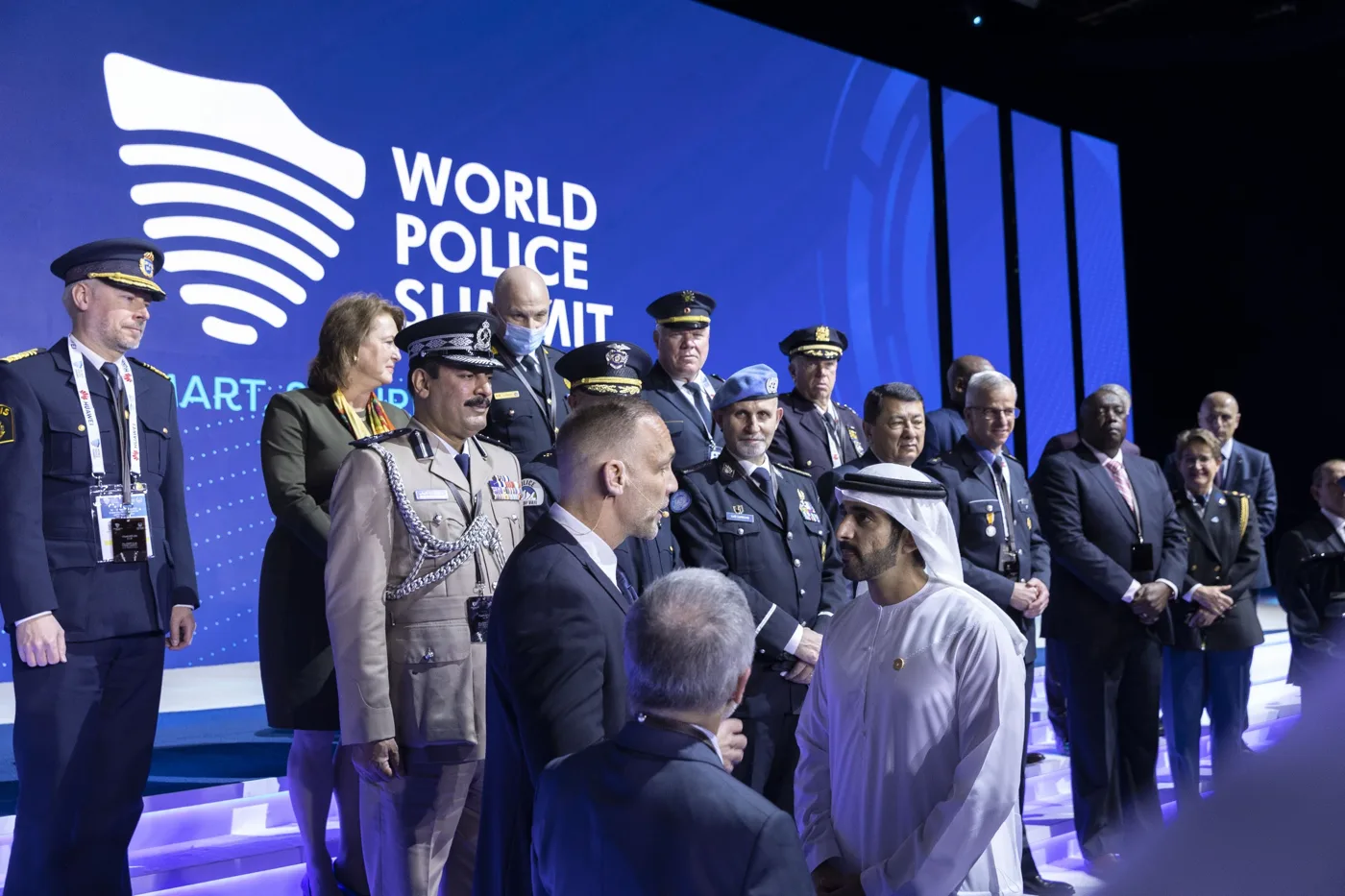
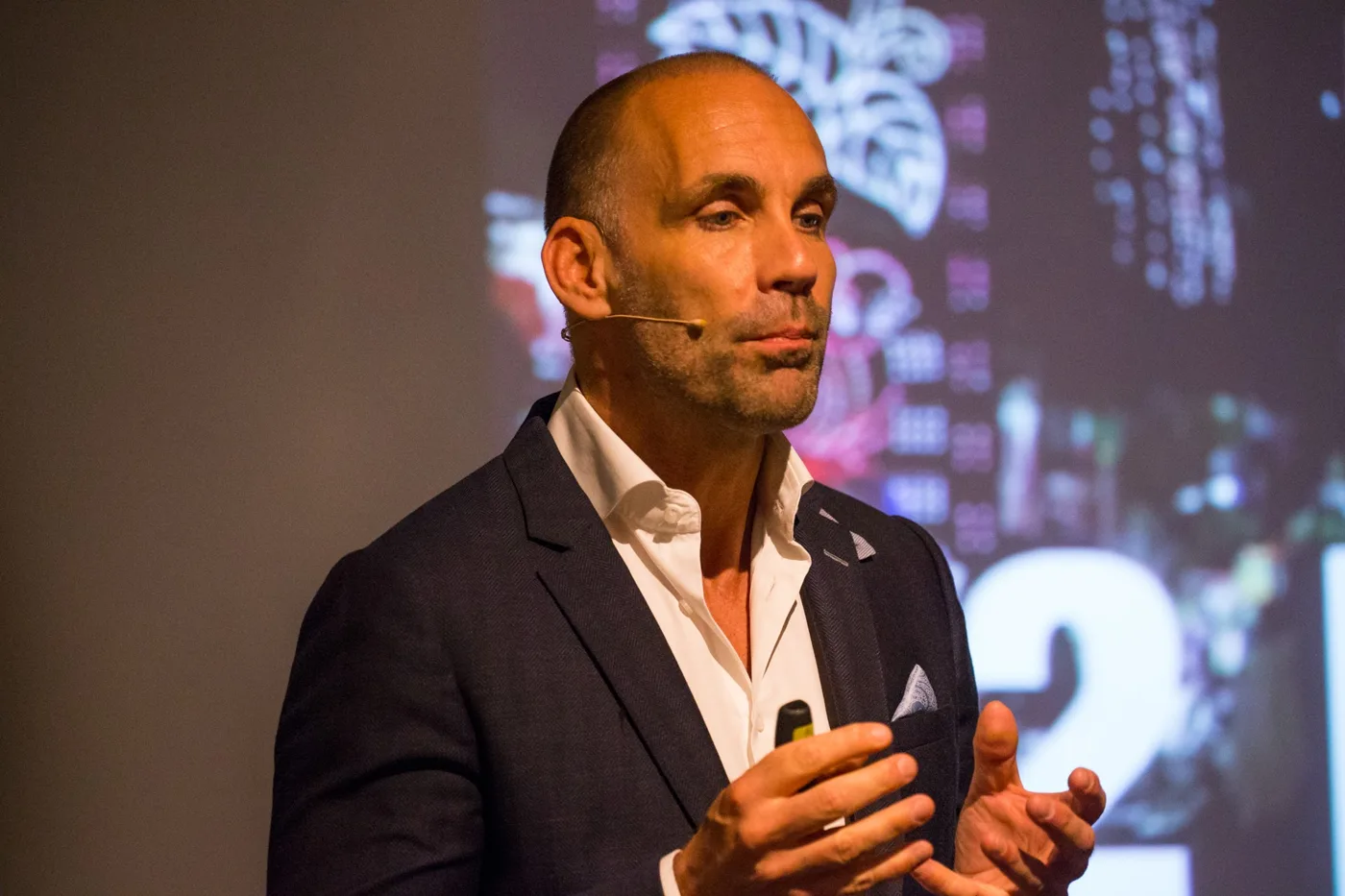
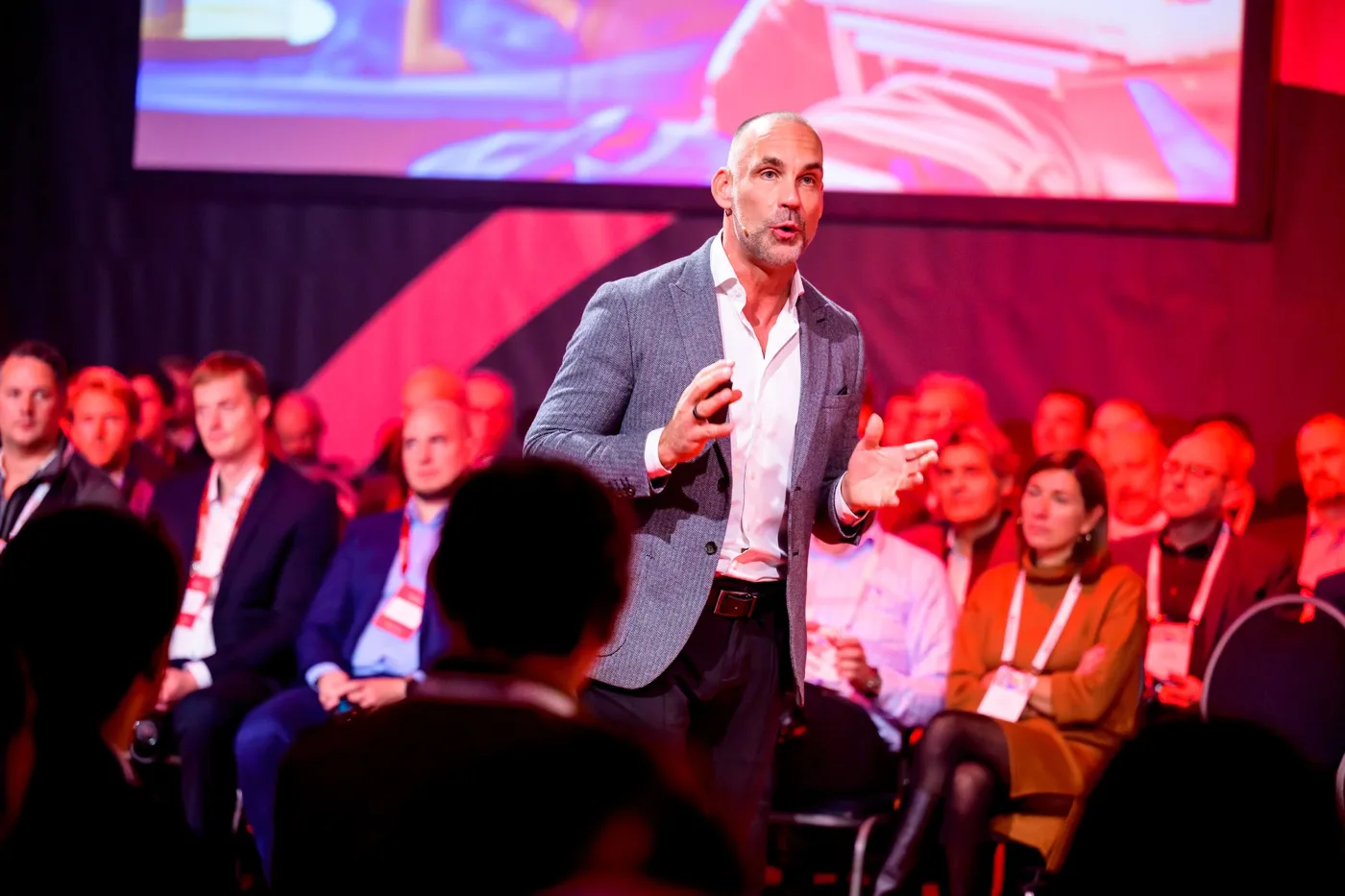
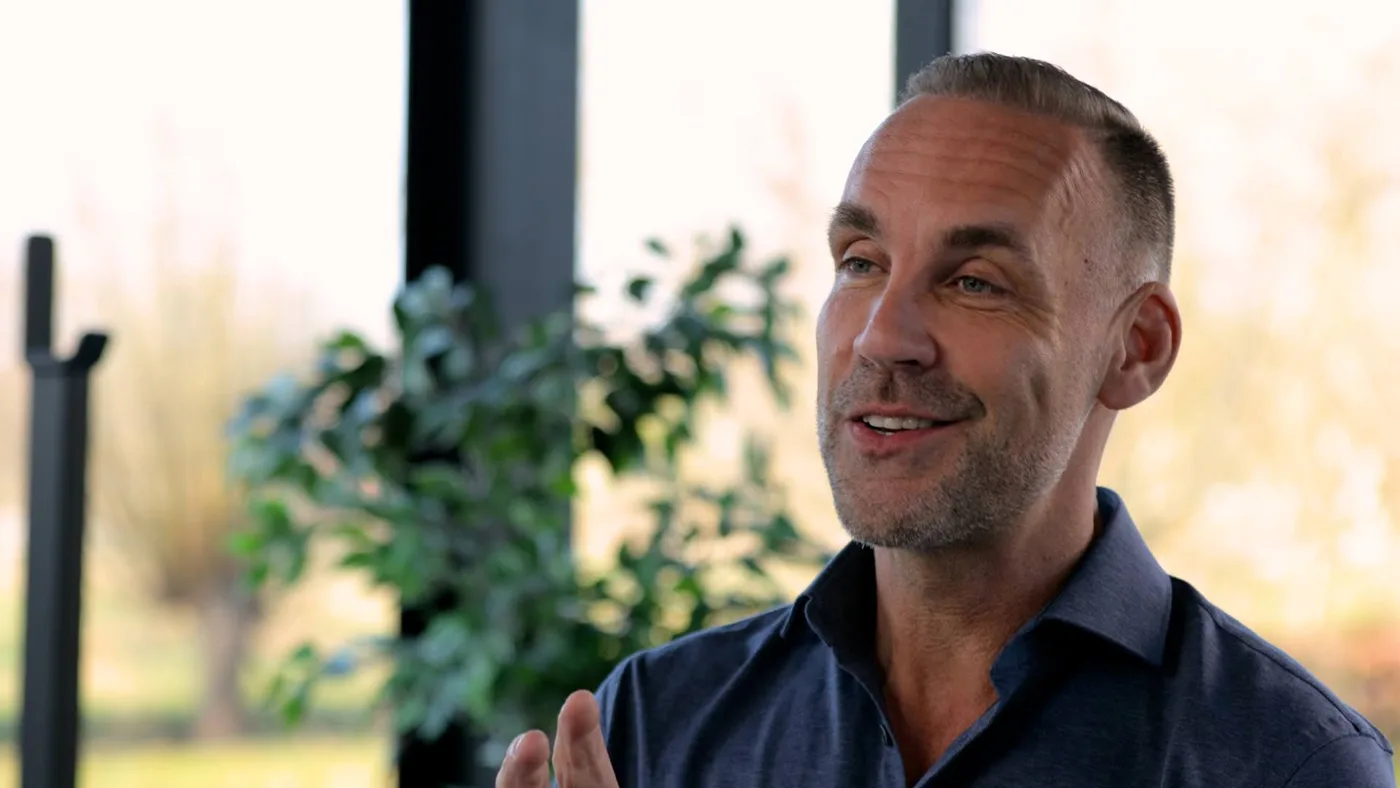
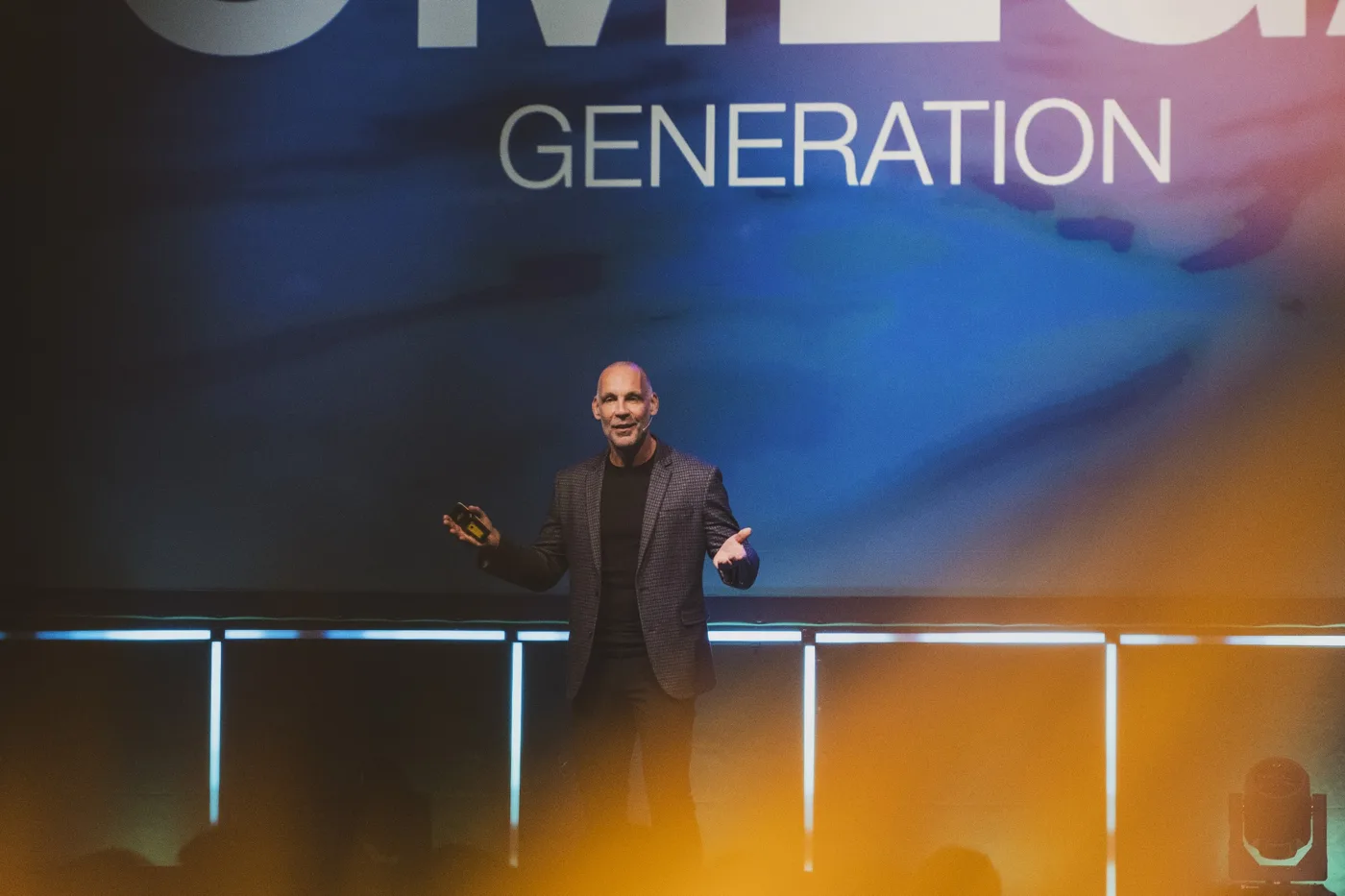
A packed conference hall, a televised panel discussion, a police summit in Dubai.
A selection of over 400 clients















What clients say
“We thank you once again for your inspiring contribution as the kickoff of the module. We found your lecture very valuable. The inspiration and answers to the questions have given the participants much to think about. As a result of this Top Defence Leadership Programme, we expect several new initiatives to emerge. And that is thanks in part to your inspiring kickoff.”Read the full review →
“The symposium ‘Airpower in the Information Age’ was a great success. Nothing but positive feedback from the participants. In no small part thanks to your commitment and dedication, we were able to achieve this result.”Read the full review →
“With your presentation you awakened the customs organisation. At the end of the day it turned out that your presentation had made the biggest impression. You made sure the issues were put on Strategic Management’s radar.”Read the full review →

“You gave us all honest, inspired and entertaining insights. Your performance was highly appreciated by the conference participants and EU members.”Read the full review →

“An impressive and noteworthy presentation for our employees and customers. The rate at which change is happening, which you eloquently brought across in your energetic speech, requires a disruptive approach. To be continued!”Read the full review →
How a booking works
Your request
Use the form, or get in touch by phone, email or WhatsApp. A few lines are enough to get started.
We get in touch
We'd like to hear what your event looks like, who'll be in the audience and which themes interest you.
A written proposal
Covering the topic, format (on location or online), length (30, 45, 60 minutes or longer) and fee, so you can talk it over with your colleagues.
Getting to know Richard
Next, we'll find a time for the two of you to talk and brainstorm the keynote, the topics and the format. There's no charge for this.
Frequently asked questions
Who is this keynote for?
For the armed services, staffs and training institutes, intelligence services, defence materiel and procurement organisations, the defence industry, research institutions and security symposiums. The audience often mixes officers, policymakers, engineers, buyers and entrepreneurs; the keynote is made for that mix. It also suits events for military personnel, civilian staff and partners from industry and research.
What will the audience take away?
A current picture of what AI and new technology already do in armed forces, and scenarios for the next five to fifteen years: swarms of thousands, lasers, quantum and war at machine speed. What that means for roles, units, leadership and training. And a clear view of the risks, so the conversation afterwards is about choices, not hype or fear.
Does the keynote also cover the defence organisation itself?
Yes, and that is often the main focus: who takes which decision when AI supplies the picture, how a unit works with uncrewed systems, how lessons from the field reach training quickly and what that asks of leaders. Roles, people and machines, leadership, culture and learning each get their own part of the keynote.
Does the keynote also cover the risks of AI?
Yes, always. States hiring criminals for sabotage, cyber espionage with the help of AI, fake messages that stir up a society, jammed navigation and the question of how much a weapon system may decide for itself: that other side has its own place in every defence keynote.
Does the keynote use classified or confidential information?
No. Everything in the keynote comes from public sources: publications by governments and alliances, research institutes and reliable media. Examples and level of detail are matched to the audience, from a closed staff meeting to an open symposium.
Is the keynote tailored to our organisation?
Yes. Beforehand there is an introductory call about your audience, the purpose of the event and what is happening in your organisation. An air force symposium gets different examples from a defence industry gathering or a training day for reservists.
How long is the keynote, and can it be in English or online?
30, 45 or 60 minutes, and longer if you wish, with time for questions from the audience, in English or Dutch, in person or online. For more than a keynote, there are masterclasses, boardroom sessions for staff and commanders, and workshops for all employees.
How much does a keynote on AI in defence cost?
Fees for international keynotes are on request. Ask for a proposal and you will hear from us within an hour on working days.
Interested in a keynote for your defence event?
Tell us in a few sentences about your event and who will be in the audience, and give the date.
Prefer to speak to us directly? Call 085 303 0792 · email talks@vanhooijdonk.com · send a WhatsApp message