 Richard van Hooijdonk
AI & the future of mobility
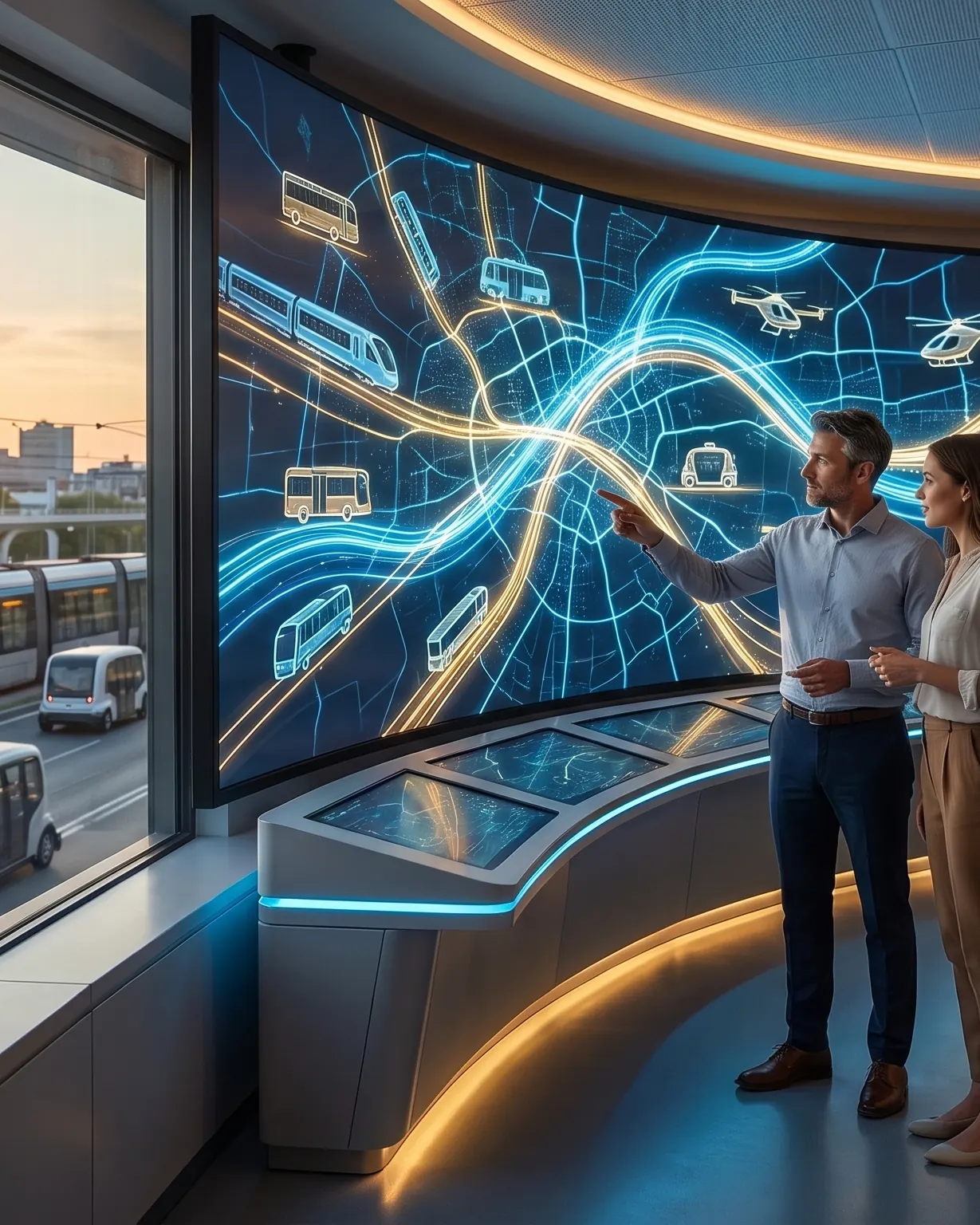
Fixed timetables, on-demand transport and self-driving vehicles are growing into one network that looks ahead and corrects its own course. More and more vehicles drive, sail and fly themselves; people set the direction, oversee safety and look after passengers.
Choose your sector
Every keynote is tailored to a sector. Choose yours.
 Healthcare
 Government
 Defence
 Policing and security
 Smart cities
 Construction
 MobilityYou are viewing
 Industry 4.0
 Energy and utilities
 Logistics
 Retail
 Wholesale
 Hospitality, tourism and leisure
 Agriculture
 Financial services
 Legal
 Accountancy and advisory
 Education
 Media and entertainment
 Telecoms and connectivity
Is your sector not listed? We tailor the keynote to your audience. Tell us about your audience
Staff shortages, crowded networks and the shift to cleaner, autonomous transport. How does AI move mobility forward?
Buses and trains, aviation, ports and road management: futurist and trend watcher Richard van Hooijdonk examines how AI is changing mobility and what it means for transport operators. You see what is possible now, and what travel and transport could look like in a world that is hard to picture today. AI already does a great deal of work in mobility. In the traffic control centre it predicts where congestion is likely to build, it flags which train wheel needs replacing, and when a disruption hits it works out within minutes how to redeploy buses and crews. In a growing number of places, taxis run without a driver. The next step goes further: a robotaxi that costs less than owning a car, trains that couple virtually, thousands of drones and air taxis above the city, and a personal AI agent that arranges the whole trip. At the same time, criminals are looking for the weak spot in connected vehicles. People's work changes with it: who watches the fleet remotely, who decides in an emergency, and how you innovate in a sector where safety always comes first. The keynote separates what is already running from what is on its way. In ten years there will not always be a person at the wheel, and that changes what a transport operator asks of its people.
AI in mobility
What AI already does on the road, the railway, the water and in the air.
- 01
 Applied
The AI traffic control centre
AI predicts congestion, spots incidents on motorways and railways, and helps controllers choose what to do before the network jams.
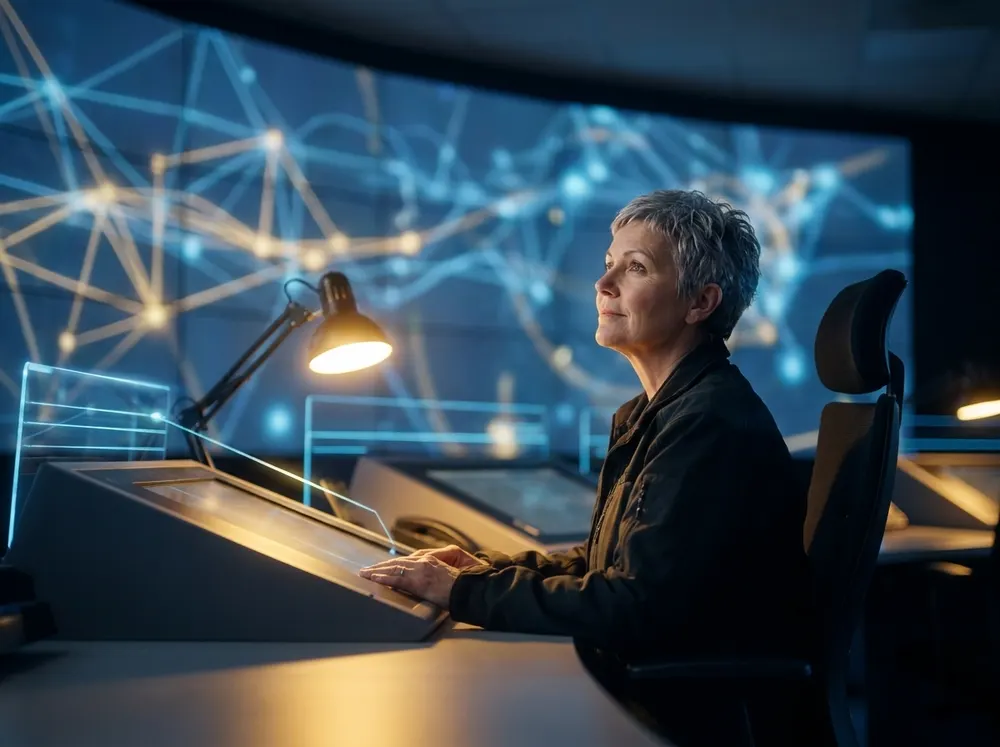
AI in a traffic control centre predicts how congestion and disruption spread through the network, and compares what possible interventions would achieve. It combines data from detection loops in the road surface, cameras, navigation data and the weather, and forecasts where queues are likely to form over the coming period. On the railway, it calculates how one delayed train affects the rest of the timetable. The system proposes measures such as closing a lane, lowering the speed limit or rerouting a train. The controller chooses. In future, the centre could make small interventions itself, such as adjusting the speed limit or opening a peak-hour lane, and call in the controller only when something unusual happens.
- 02
 Applied
Fleet control
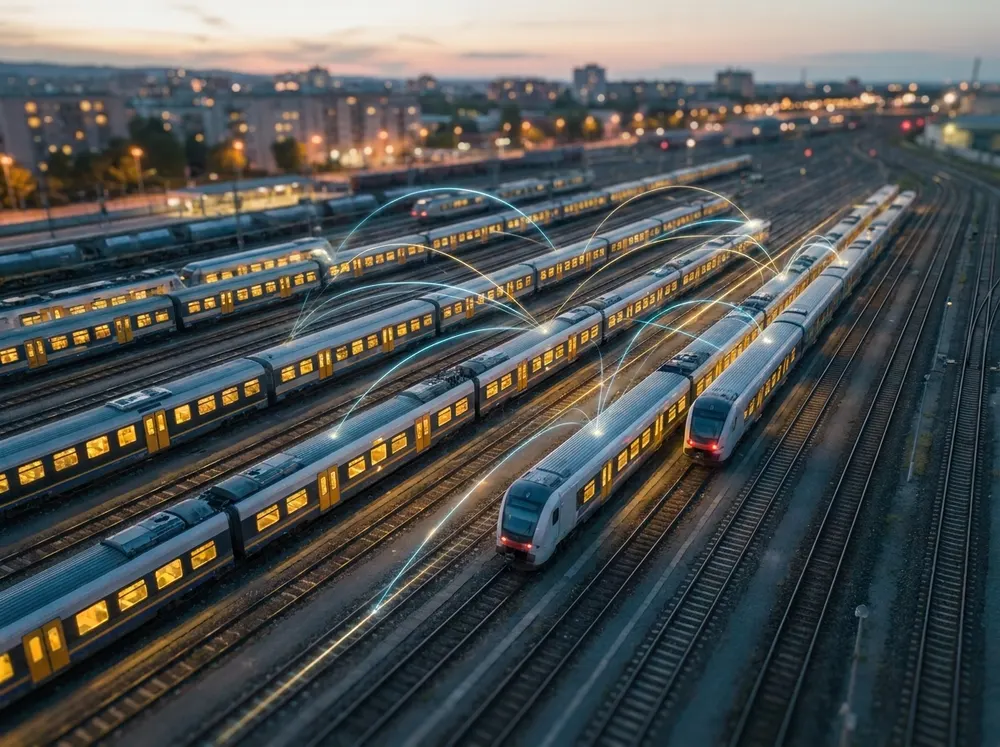
When disruption hits, AI draws up a new plan within minutes. In time, across operators too: bus, train and taxi as one fleet.
AI fleet control compares alternative plans for deploying vehicles and crews, working within driving and rest times, maintenance schedules and agreements with staff. It predicts how many passengers will travel on a route or flight, so capacity can be matched to demand. If a train is cancelled or an aircraft has a technical problem, it works out within minutes which alternative affects the fewest passengers, taking crew availability into account. The planner assesses the proposal. The next step is planning across operators: in a major disruption, AI deploys buses, trains, taxis and shared transport from different companies together, as one fleet.
- 03
 Applied
Predictive maintenance
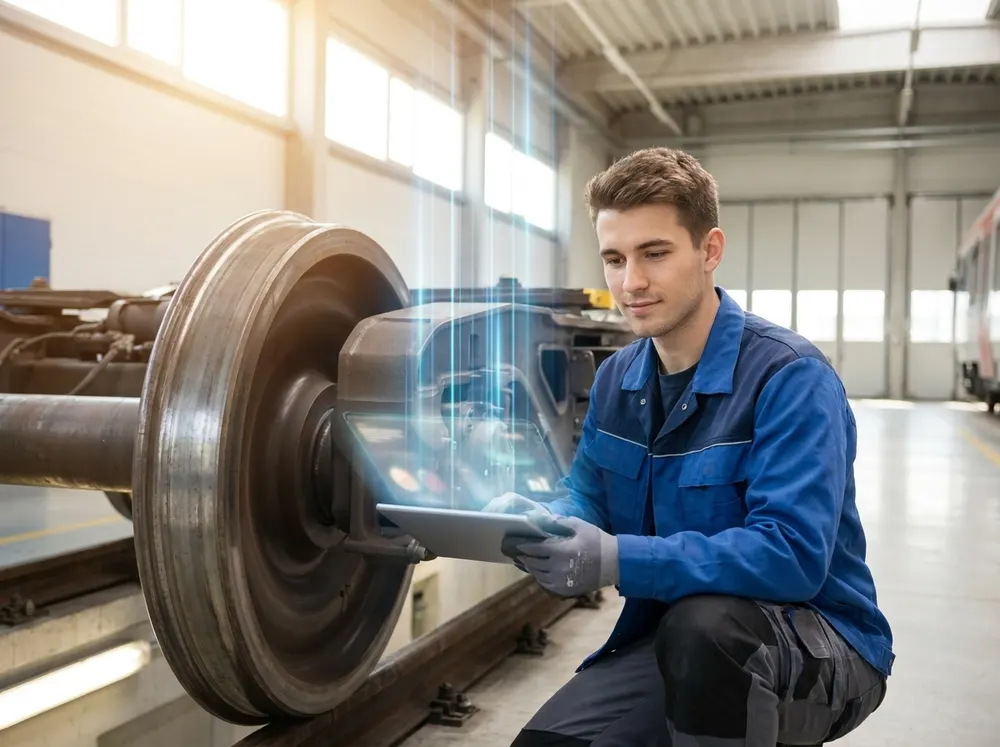
Sensors measure wear on trains and aircraft, and AI predicts when maintenance is due. Drones and robots can also inspect at night.
Predictive maintenance picks up wear and approaching faults in measurement data, so a part is replaced before it breaks, alongside the inspections that remain mandatory. Aircraft engines send temperature and vibration data during the flight. Along the track, measuring points check the wheels and bearings of every passing train, and sets of points record how much force they need to change position. AI recognises the patterns in that stream of data that come before a failure. The next step: drones and robots doing their own inspection rounds at night, under trains and around aircraft, and a digital twin of every vehicle, a virtual model that keeps track of its condition and predicts when the next service is due.
- 04
 Applied
The planner that arranges it all
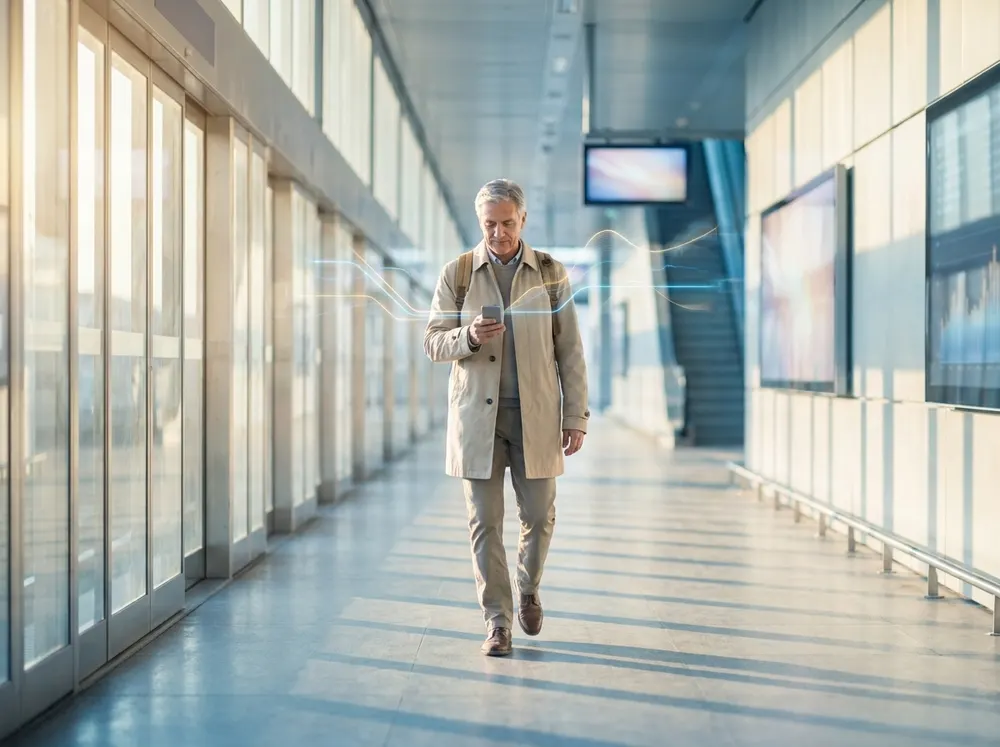
AI combines train, bus, shared bike and taxi, and where possible a robotaxi, into one trip, and adjusts it when there is a delay.
Mobility as a service brings journey planning, bookings and payments from different operators together in one app. AI weighs more than travel time: personal preferences, live delays and the availability of shared transport count too. If a connection is missed, it recalculates the whole trip, including the onward transport. If the planner is linked to a robotaxi service, which already runs without drivers in a number of cities, it can book that ride as well. For transport operators this opens a sales channel in which their service is part of a combined trip, sold per ride or by subscription. And where data on the whole trip is available, patterns appear that their own ticket sales do not show: which connections passengers choose and where they switch to another mode of transport.
- 05
 In pilots
AI agents in a disruption
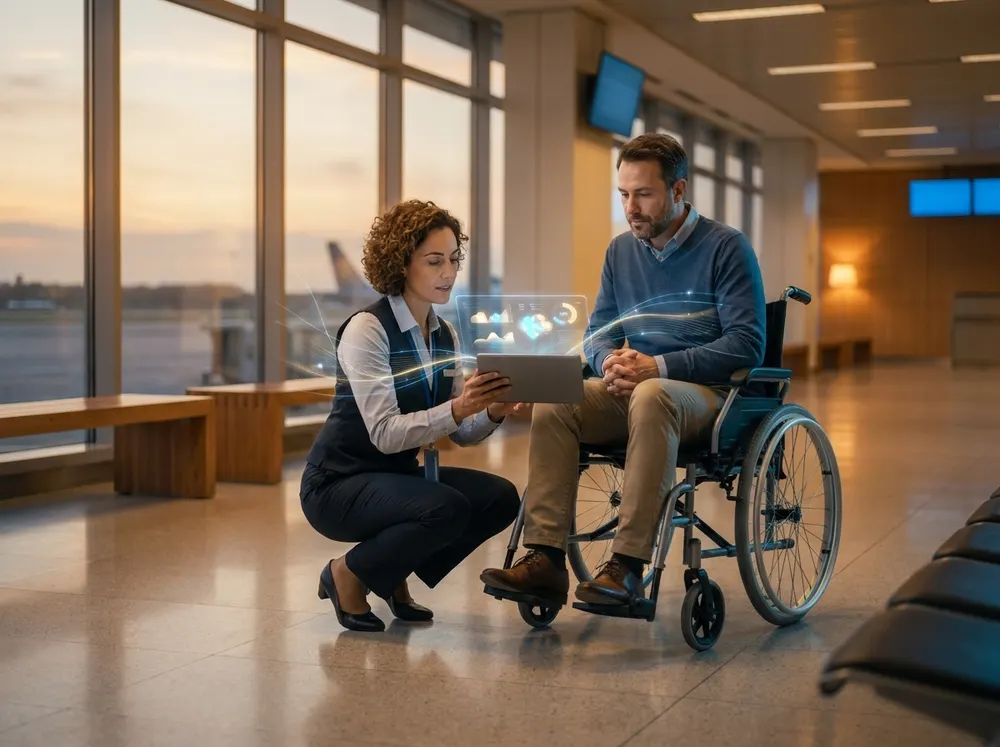
AI agents rebook passengers during a disruption. The next step: rebooking them before the disruption happens.
An AI agent carries out a series of steps on its own to complete a task, within limits set by the organisation. In a disruption, thousands of passengers need to know their onward options at the same moment. An agent can find a new connection, arrange a hotel or a replacement bus, keep the passenger personally informed and handle a compensation claim. Automatic rebooking is already in use; airlines are testing agents that change a booking themselves in a conversation with the passenger. The next step is agents that see a disruption coming and rebook passengers before the train is cancelled or the flight is scrapped. That leaves staff more time for the passenger in a wheelchair or the child travelling alone.
- 06
 Applied
Robotaxis
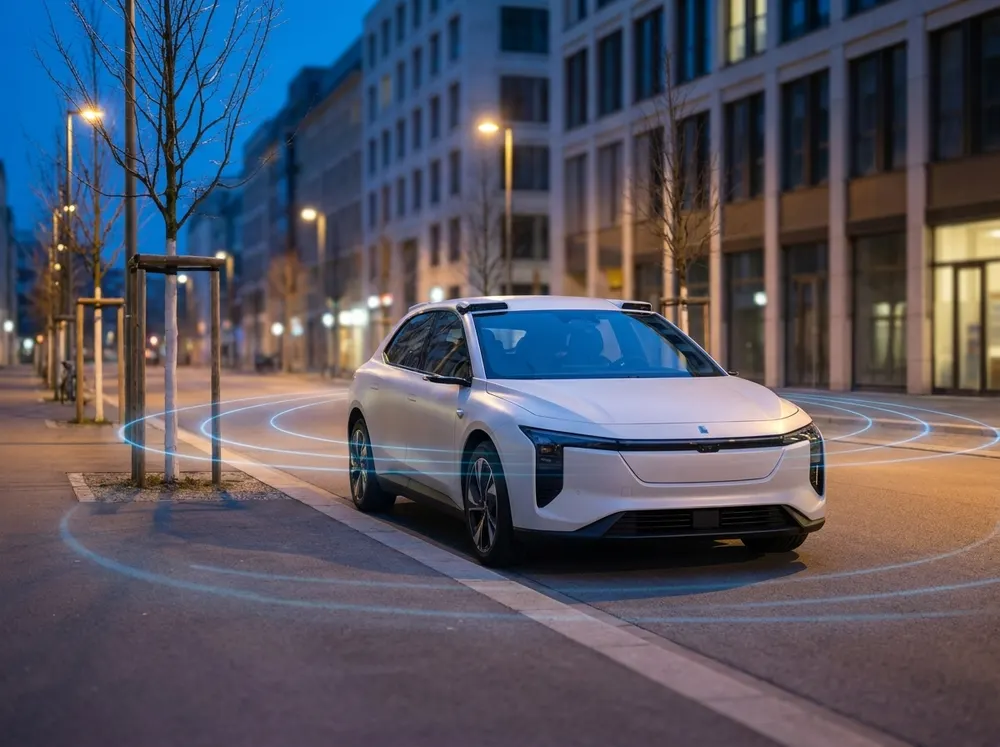
In more and more cities, taxis run without a driver. AI sees, predicts and decides in traffic.
Robotaxis already run as a paid service in several cities, with hundreds of thousands of rides a week. Their use remains tied to a defined service area and to the conditions the system was developed for. Within those limits, AI does the driving; a control centre helps vehicles that get stuck in an unusual situation, such as roadworks. The operation covers more than automated driving: helping passengers, charging, cleaning and spreading the vehicles across the service area are all part of it. Data from completed rides yields new training situations, which developers use to improve and test the next software version. With every ride, the collection of traffic situations the system is tested against grows.
- 07
 Applied
The software-defined car
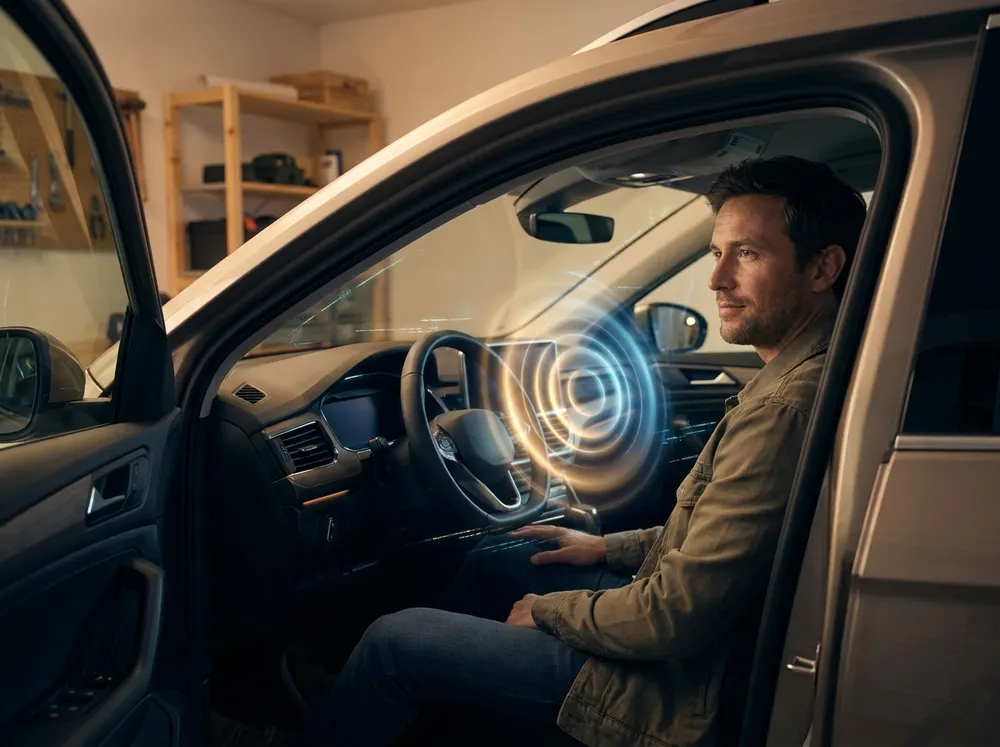
New features through updates and an AI assistant on board. In time, the car will arrange its own servicing, charging and trips.
In a software-defined car, software determines much of what the car can do, from driver assistance and battery management to the screen in the dashboard. That software is updated remotely. A manufacturer can fix a fault or add a feature without the car going to the garage. More and more cars have a voice assistant built on a language model, which plans the route, finds a charging point or explains what a warning light means. The next step is an assistant that knows the car and acts on its own: it books the service, charges when electricity is cheaper and fits trips around the owner's diary. For car companies, the relationship with the customer carries on long after the sale.
The future of mobility
Where mobility could be in five to fifteen years, with AI as the engine.
- 08
 Future scenario
The end of car ownership
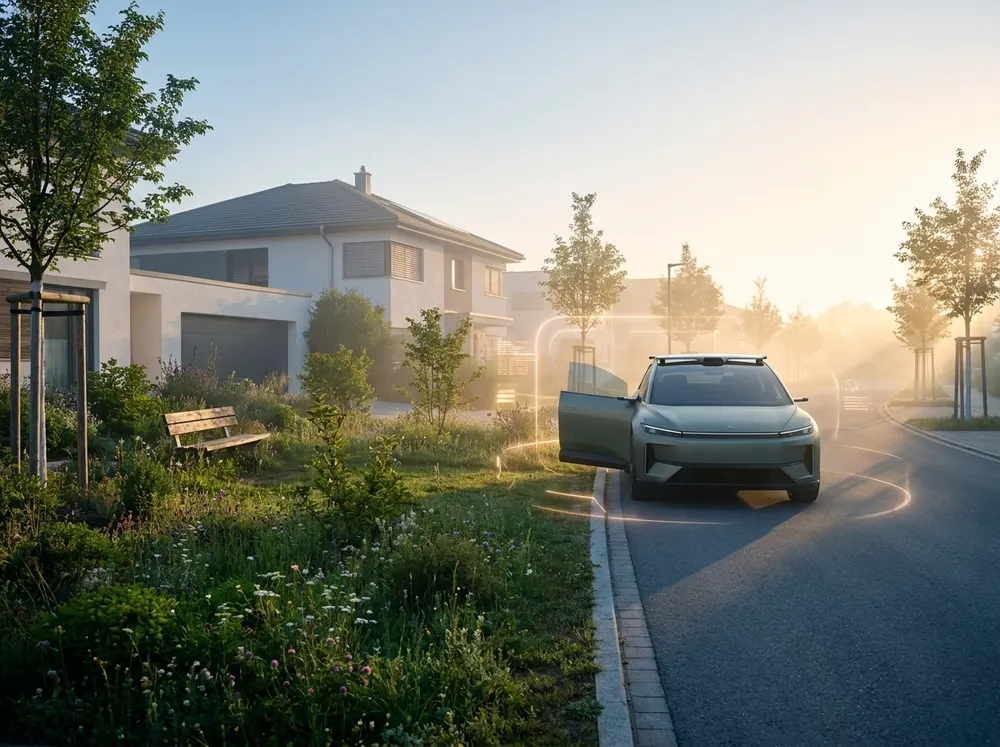
Around 2040, a ride in a shared robotaxi could cost less than owning a car. That also changes who makes money from mobility.
On average, a private car is parked around 95 per cent of the time, yet for many households it is still the norm. Robotaxis could change those economics. They already run as a paid service in several cities, with hundreds of thousands of rides a week. Analysts expect the cost per kilometre to fall sharply over the next ten years, thanks to cheaper vehicles and sensors, larger fleets and lower operating costs. The scenario for 2040: in urban areas, a subscription to on-demand rides is cheaper for many households than a second car. Car companies then sell kilometres instead of cars, insurers cover fleets instead of drivers, and public transport gains a competitor, and a partner for the last mile.
- 09
 Future scenario
The traveller who no longer books
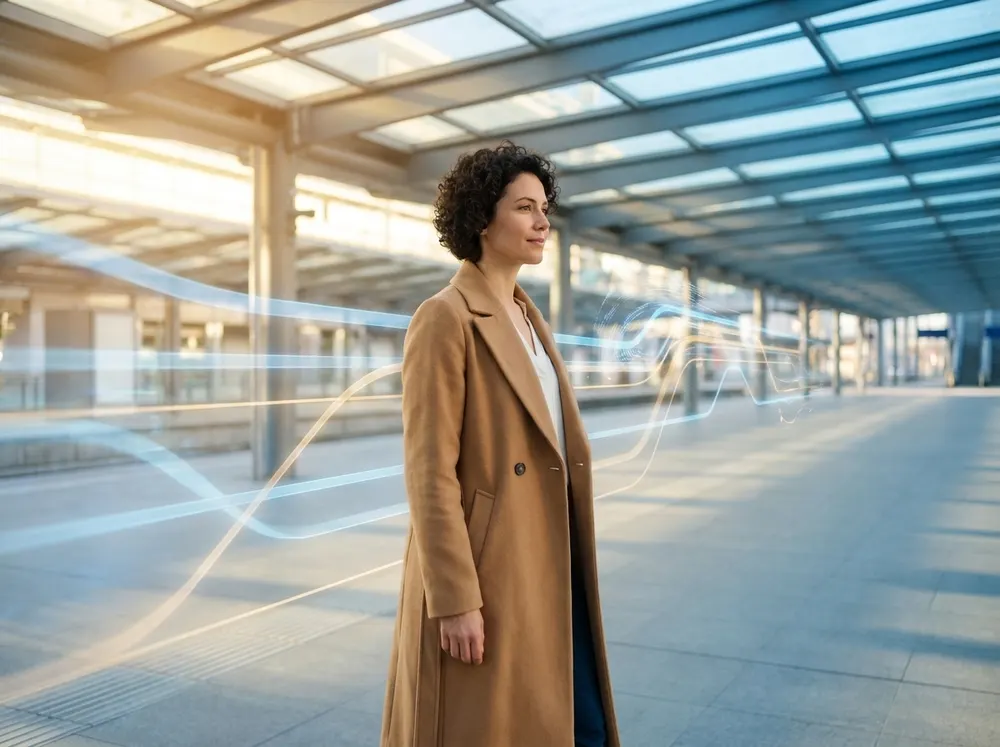
Soon a personal AI agent will plan, book and change the whole trip. Operators will then sell to agents rather than to people.
A personal AI agent knows its user's diary, preferences and budget, and acts on their behalf. For travel, such an agent can take over the whole chain: comparing, booking, paying and, when there is a delay, rebooking before the traveller has even noticed. The first agents already book flights and hotels, and analysts expect AI agents to make a growing share of online purchases in the coming years. The scenario for 2040: the traveller's agent negotiates with operators' agents on price, connections and comfort, and picks the train, the shared car or the plane for each trip. Competition then shifts from an attractive app to timetables an agent can read and promises that are kept.
- 10
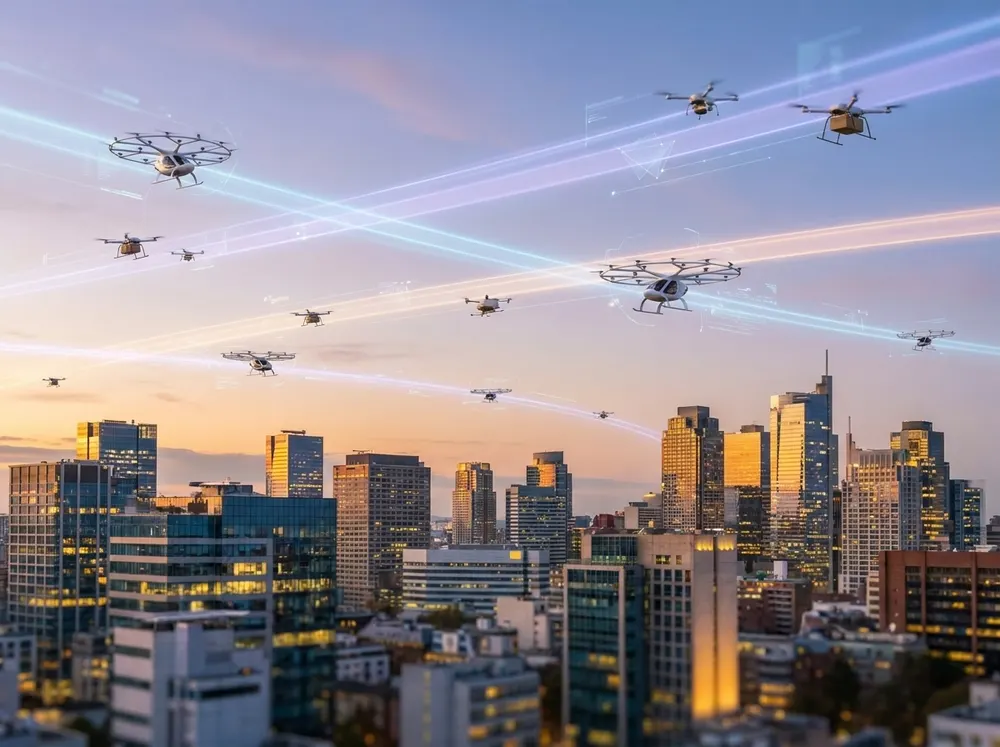 Future scenario
Traffic in the third dimension
Drones and electric air taxis could fill the sky above the city. Around 2040, AI coordinates thousands of flights at once, increasingly with no pilot.
Electric air taxis are being developed for short hops between airports, city centres and regional hubs. The first types have been certified, others are still going through approval, and the first permits for commercial flights have been granted. Meanwhile, the number of drones used for inspections, medical deliveries and parcels keeps growing. The scenario for 2040: thousands of uncrewed aircraft fly over an urban region every day, and air taxis on fixed routes increasingly fly without a pilot on board. Air traffic controllers can then no longer handle each flight one by one. AI coordinates flight plans digitally, takes wind, showers and buildings into account and resolves conflicts before they arise. The controller oversees the whole picture and steps in when the unexpected happens.
- 11
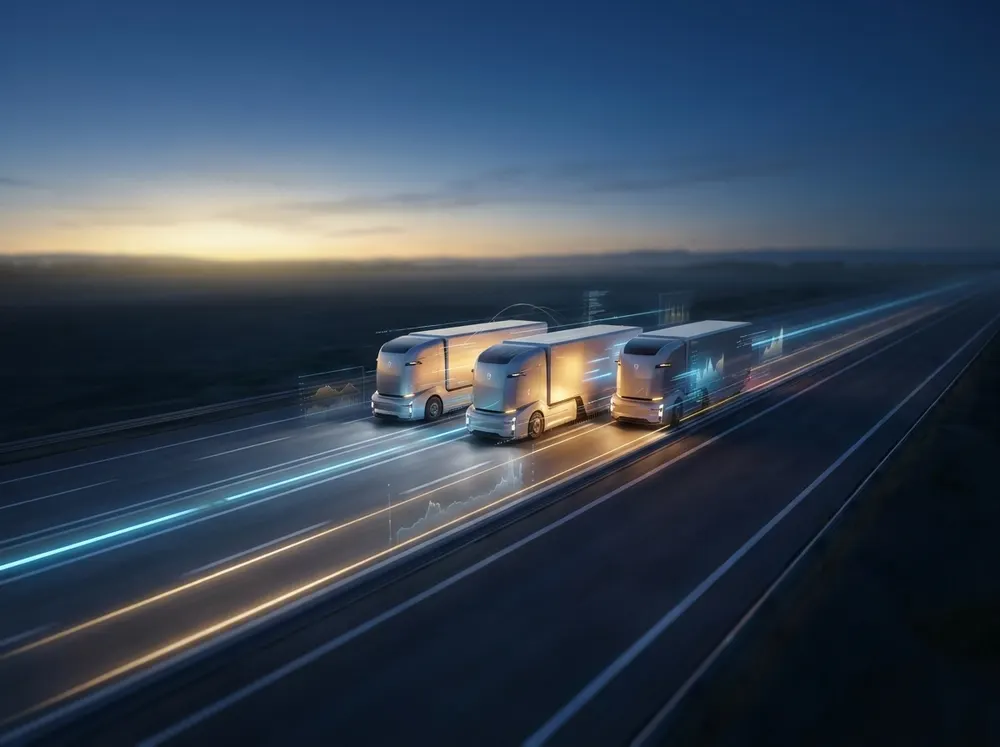 Future scenario
The road without signs
Vehicles receive speed limits, lane instructions and right of way digitally. Around 2040, signs and even traffic lights could disappear on some roads.
Digital traffic management sends the current speed limit and warnings about a closed lane or a broken-down car further ahead straight to the vehicle. Next comes a road that makes separate arrangements with each vehicle. Researchers have modelled junctions where self-driving vehicles reserve a time slot and cross without stopping, with no traffic lights at all. The scenario for 2040: on the motorway, AI assigns a lane and a speed to each vehicle, and self-driving lorries travel in convoy at night between transfer hubs on the edge of the city. That leaves more room on the road during the day. The road becomes a system you can steer, and a traffic sign becomes a line of code.
- 12
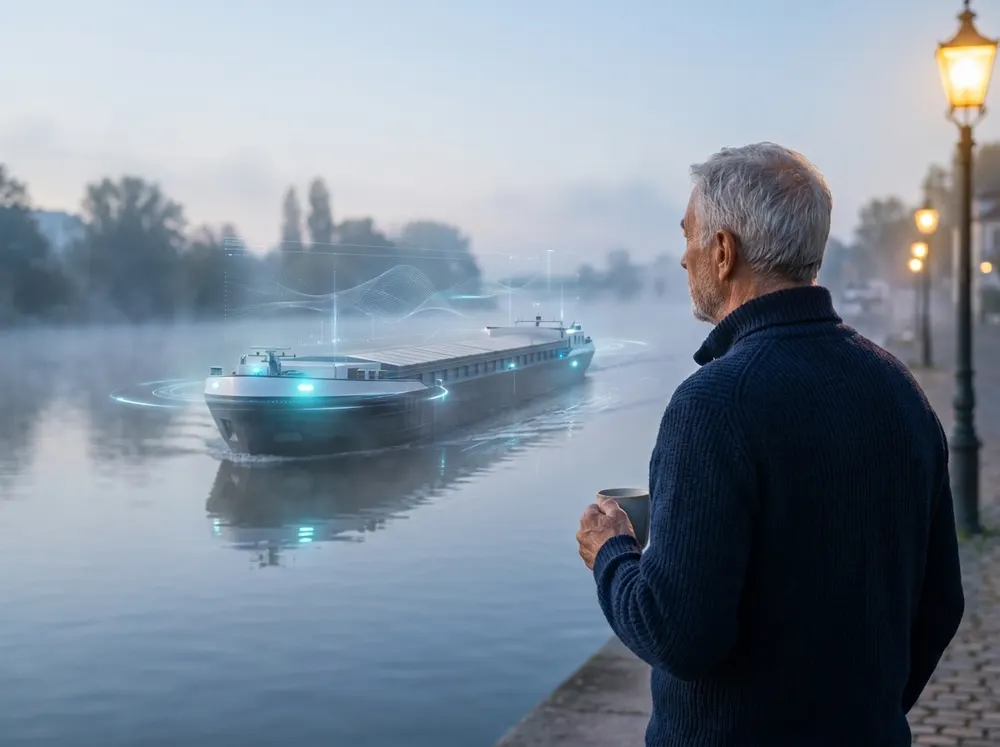 Future scenario
Ships without crews
Around 2040, one skipper on shore could oversee several ships. AI handles the routine; people decide in heavy traffic, fog or at a lock.
An autonomous ship sails and manoeuvres on its own; when no one is on board, a centre on shore keeps watch. Inland vessels steered from the shore and small self-sailing ferries already exist. In 2026 the International Maritime Organization adopted a first, still voluntary code for autonomous cargo ships; the IMO is aiming for a mandatory version from 2032. By 2040, one skipper in a control centre could monitor several ships at once. AI handles the routine and asks for a human decision in heavy traffic, fog or at a lock. Smaller electric ships become profitable, because a full crew no longer has to sail on every vessel. The shortage of skippers then becomes a reason to move faster.
- 13
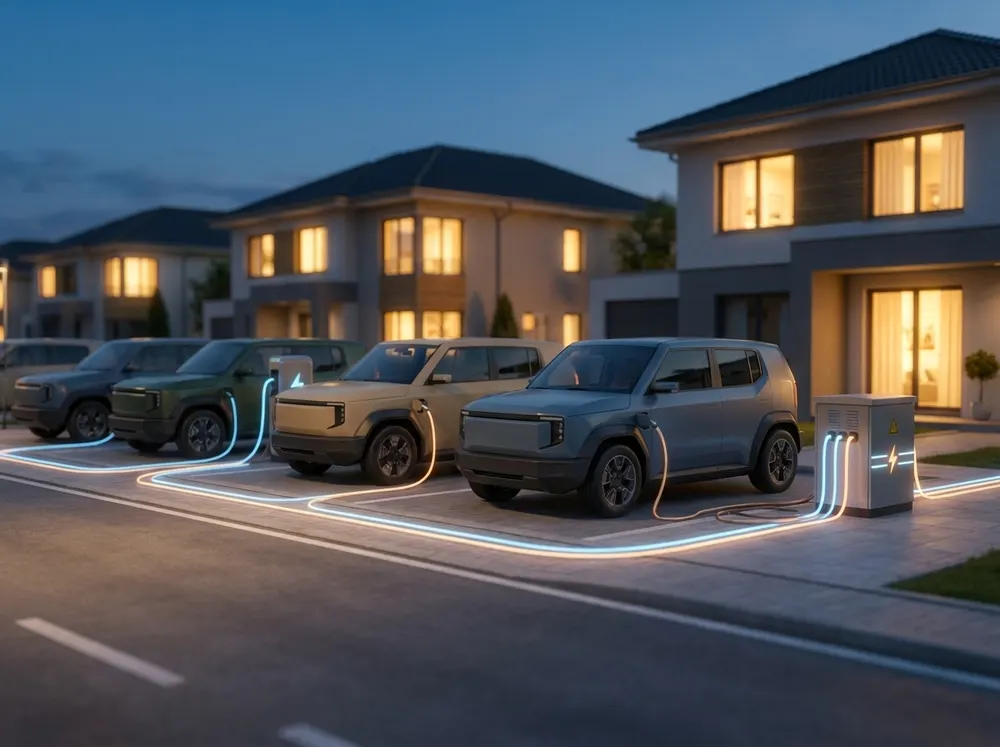 Future scenario
The car as a power station
Parked electric cars together form one large battery. In time, AI can charge them when power is plentiful and feed it back when supply is tight.
With bidirectional charging, an electric car can take in power and also give it back, to the grid or to a building. A parked car with a full battery is a store of energy that mostly goes unused today. In the first cities, shared cars already use such charging points to soak up peaks in solar power and feed it back when supply is tight. By 2040, tens of millions of electric vehicles could act together as a buffer for the power grid. AI knows for each car when its owner is leaving and how much range they need, and charges or supplies power within that limit. Bus depots and freight hubs turn into small power stations at night. For a transport operator, standing still then becomes a source of income.
- 14
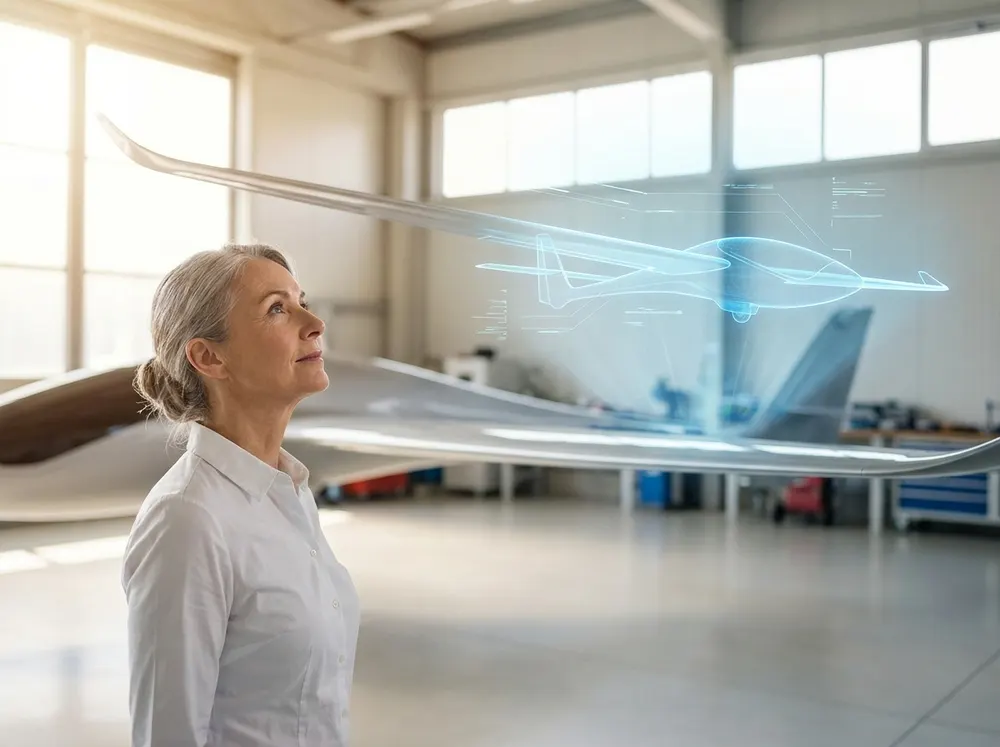 Future scenario
Flying in 2040
Around 2040, flights could combine sustainable fuel, electric propulsion on short routes and flight paths that avoid warming contrails.
Climate-conscious aviation combines different fuels and propulsion with flight planning that also takes account of the warming caused by contrails. Three developments shape the route to 2040. European rules require fuel suppliers at larger EU airports to supply at least 20 per cent sustainable aviation fuel in 2035. Small electric and hybrid aircraft for regional routes are expected around the end of this decade or the early 2030s; large hydrogen aircraft have been pushed back to around 2040 or later. And AI predicts where warming contrails will form, so crews and air traffic control can change the altitude. The scenario for 2040: every flight gets a route calculated for its climate impact, and a slightly longer route can then cause less warming.
- 15
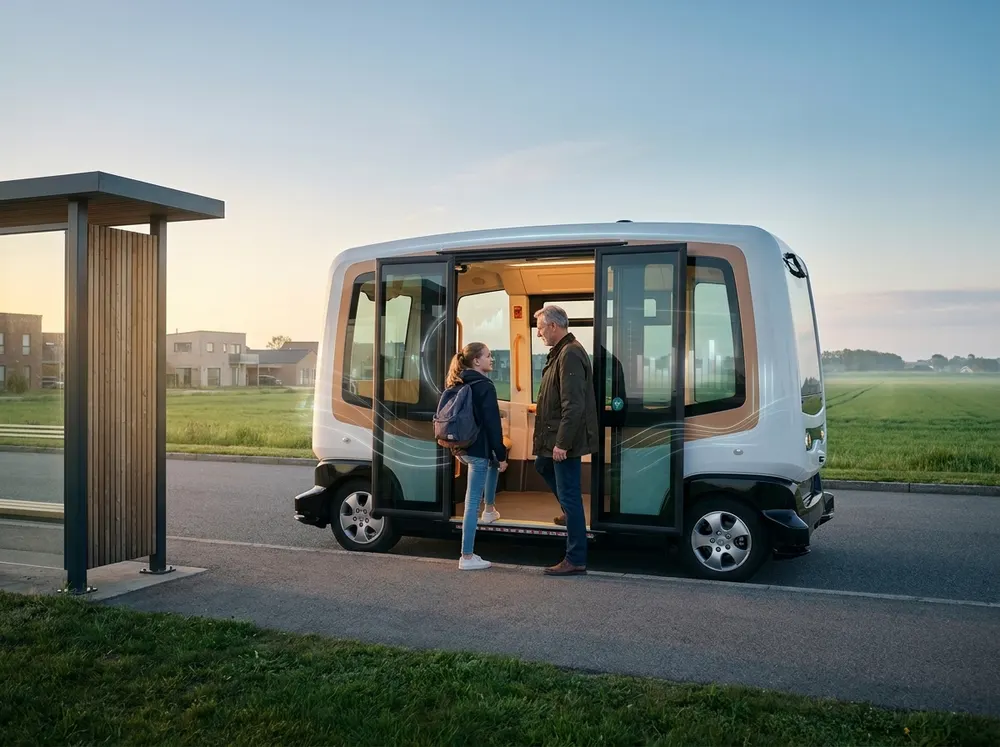 Future scenario
The village back on the map
Around 2040, self-driving minibuses on demand could link villages to the station day and night, even where a regular bus is not viable.
Self-driving transport on demand could change the economics of village connections. On lightly used routes, staff make up a large share of operating costs, and smaller vehicles without a driver open up new possibilities there. Self-driving shuttles on demand are already being trialled in several rural regions, often as a link to a nearby station. The scenario for 2040: small electric minibuses without a driver run on demand, day and night. AI bundles the requests into routes and times them to meet the train. An operator in a control centre supervises dozens of vehicles at once. Getting around then depends less on how many people live in a place, and living in a village takes on a different meaning.
AI can make journeys possible that are out of reach today, with connections day and night. When people dare to try something new and trust one another, those journeys become everyday habits.
Richard van Hooijdonk
The mobility organisation of the future
What AI means for roles, teams, leadership and culture at transport operators and road authorities.
- 16
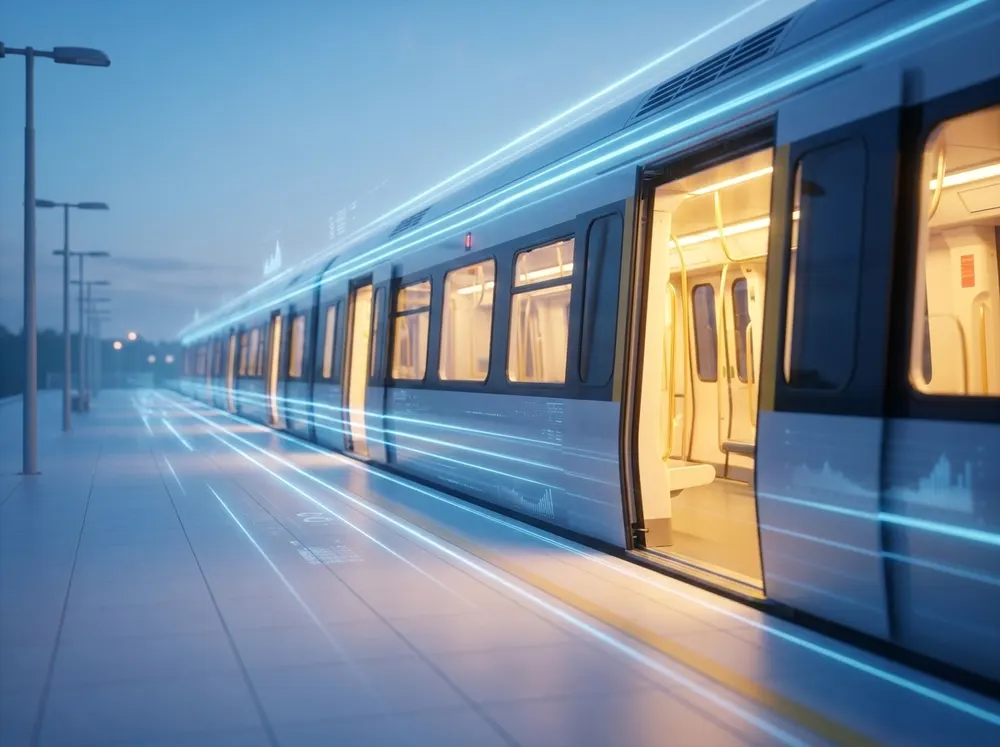
The AI-first organisation
AI does the repetitive and predictive work behind timetables and maintenance. Planners and engineers focus on passengers and safety.
In an AI-first organisation, work on planning, deployment and maintenance starts with AI: it does the work people do not need to do. Staff concentrate on work where experience, judgement and contact make the difference. AI drafts the first version of the timetable, predicts how busy services will be and flags faults. People help passengers and assess situations that call for experience, such as a fault that is not in the manual. The organisation of 2040 could direct a mixed crew: its own people, machines from partners and agents that talk to customers. Along the way, work can shift from routine tasks to direction and oversight.
- 17

New roles in mobility
Fleet supervisors, trainers of AI systems, designers of services for AI agents and traffic controllers for drones.
When vehicles drive themselves and travellers let an agent arrange their trip, jobs appear that barely exist today. In a scenario for the next five to ten years, a fleet supervisor in a control centre watches dozens of self-driving vehicles at once and steps in when something unusual happens. A trainer teaches AI systems to handle rare traffic situations, from a fallen tree to a police officer directing traffic with hand signals. A journey designer builds services that travellers' agents can read and book. Controllers for low-altitude airspace keep drones and air taxis above the city apart. And the planner reviews proposals from a system instead of solving the puzzle by hand.
- 18

People and AI in the control centre
Road, rail and water traffic controllers work with AI as one team. AI gives one picture of every network; people decide who does what.
In tomorrow's traffic control centre, controllers for road, rail and water work with AI as one team. Looking across the networks, AI estimates how a blockage on the railway could push extra traffic onto the motorway, and how an open bridge could make that queue longer. The controllers agree on what to do: run extra trains, keep a lane clear for the emergency services, keep the bridge closed for a quarter of an hour. Each still runs their own network; AI gives them a shared picture of road, rail and water. In an accident or emergency, people take the decisions. Networks that are still watched separately today start looking ahead together.
- 19
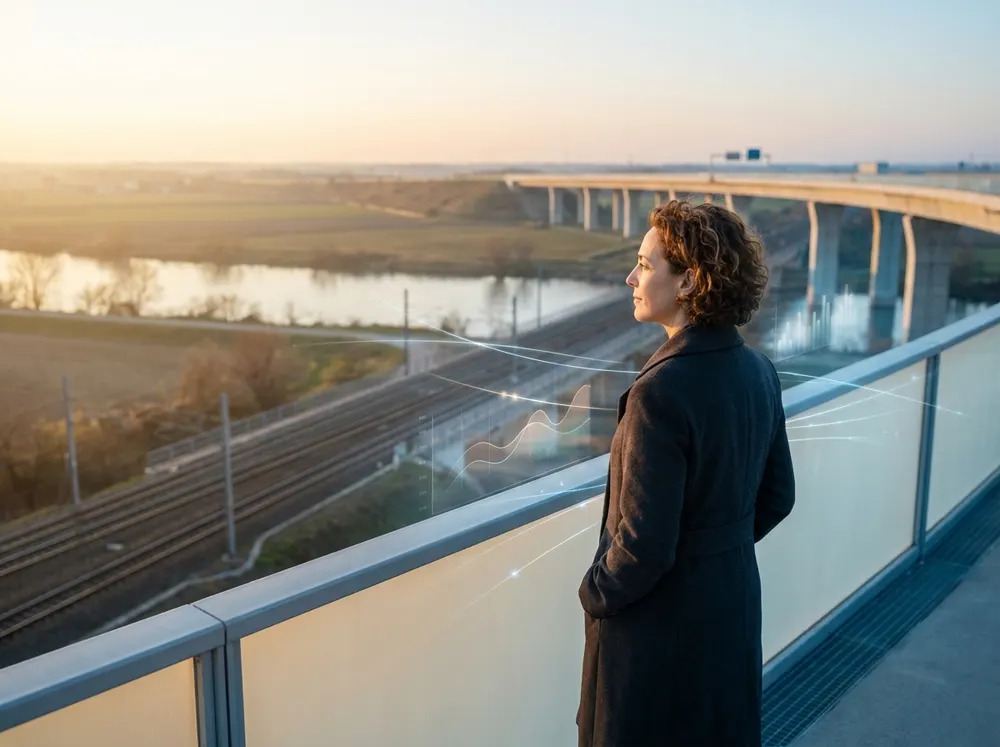
Leadership in mobility
Transport leaders take the initiative today and get their teams building tomorrow's transport together.
Transport leaders look a long way ahead. They take the initiative on AI and new technology, work from a picture of the passenger fifteen years from now and show their people what it means in practice. They try things out on one bus route or in one depot, learn from what goes wrong there and make decisions while not everything is settled. That is how they build tomorrow's transport together with their teams. In 2040 they could be running a network in which vehicles, data and agents from other organisations also play a part.
- 20

The future academy
AI and new technology call for new knowledge. In their own future academy, organisations prepare current and new staff for it.
A future academy is an in-house school for the people who already work at the organisation and for those who have yet to join. The organisation prepares them for the future there, rather than waiting for the education system to catch up. Staff learn to work with AI, agents and other new technology, and see what it means for their own tasks. Leaders learn to make choices in an organisation that keeps changing. Because the academy is part of the work itself, the programme changes along with the technology.
- 21
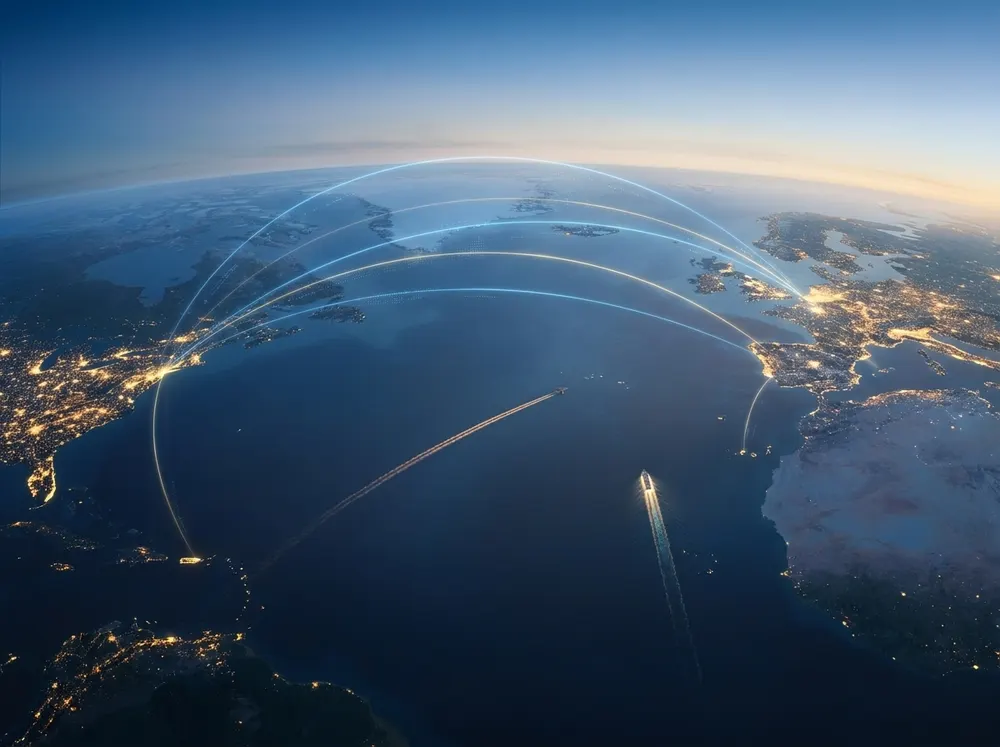
Into the future as an ecosystem
The customer sees one service. Behind it, start-ups, scientists, partners and governments from different continents work together on innovation.
An ecosystem means that organisations which each provide part of a service work together as if they were one system. The customer sees one service; behind it are partners, start-ups, scientists, and the public bodies that manage roads and railways and set the rules. Technology comes from one continent, components from another, and the service itself involves organisations in several countries. Data from partners helps AI plan and adjust shared operations. That is why organisations around the world are working on common data formats, so their systems can exchange data more easily.
The other side responsibility and risk
Data, reliability and crime: what is at stake when AI comes along for the ride.
- 22
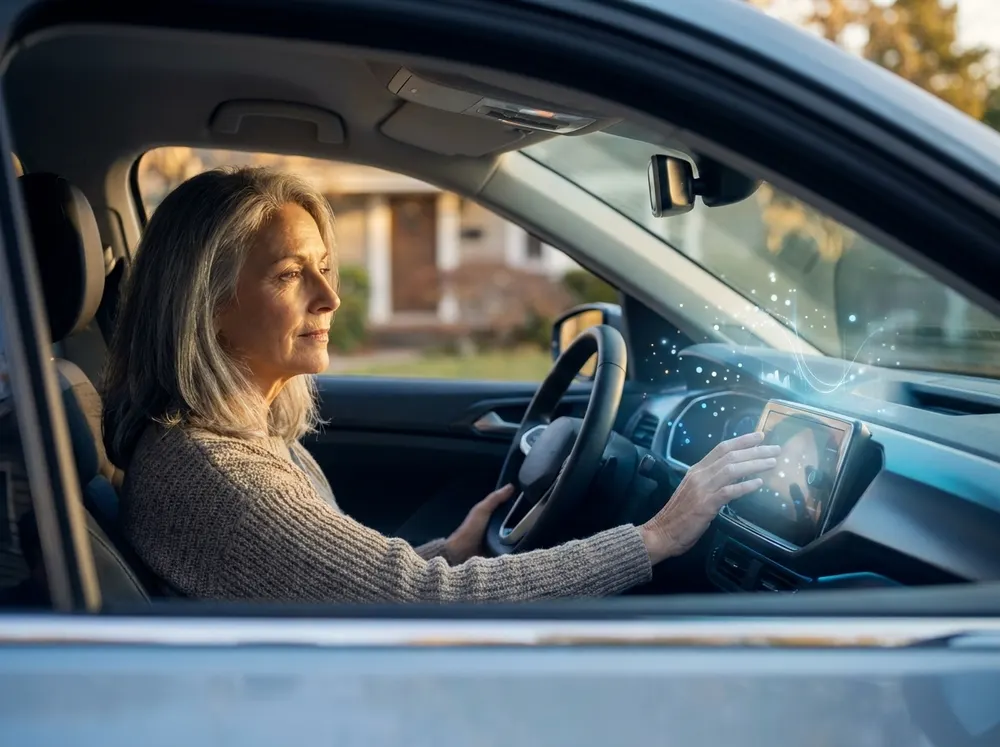
Data as the foundation
AI only works when data from every part of the organisation is available, reliable and connected. That is the foundation of the AI-first operator.
The AI-first transport operator has AI predicting, planning and advising across the whole organisation. That only works when data from every department is available, reliable and connected. Often it sits in separate systems, each with its own codes and definitions, and one department does not know what another records. Missing data can lead to wrong answers, and an agent that takes over a task then lacks important information. Linked, consistent and up-to-date data is therefore the foundation on which AI can work throughout the organisation. That includes clear agreements on who may use which data, and for what.
- 23
Who is driving when it goes wrong?
With self-driving transport, responsibility shifts, partly from the driver to the manufacturer and the software supplier.
With self-driving transport, responsibility shifts from the driver to whoever manages, monitors and updates the system. Who is liable after a collision depends on the cause, the parties involved and the rules that apply, and lawmakers are working on those rules. Regulators set requirements for approving and testing self-driving systems; in Europe through type approval, elsewhere sometimes through self-certification by the manufacturer. Safety also sits in the system itself, as guard rails: limits on where and when it may drive, a safe stop if something fails and a record of what happened. Self-driving transport can make traffic safer; whether it does so has to be shown by research and real-world data.
- 24
Mobility crime
With AI, criminals find weak spots in vehicles and transport systems faster, and use ransomware and phishing with cloned voices.
Transport is a target for theft, fraud and extortion, and AI helps criminals find their way into systems and data faster. They look for weak spots in the software of cars and transport systems, send phishing emails and phone staff using the cloned voice of one of their leaders. Ransomware at a supplier can disrupt the check-in systems of airports. The same AI that helps a security team find flaws in a car's software helps a criminal track down a vulnerability they can use. Even in a fleet without drivers, everything comes down to access to vehicles and systems, and so to good security.
About the speakerRichard van Hooijdonk
Events in EuropeKeynote speaker for corporate events in Europe
On stage
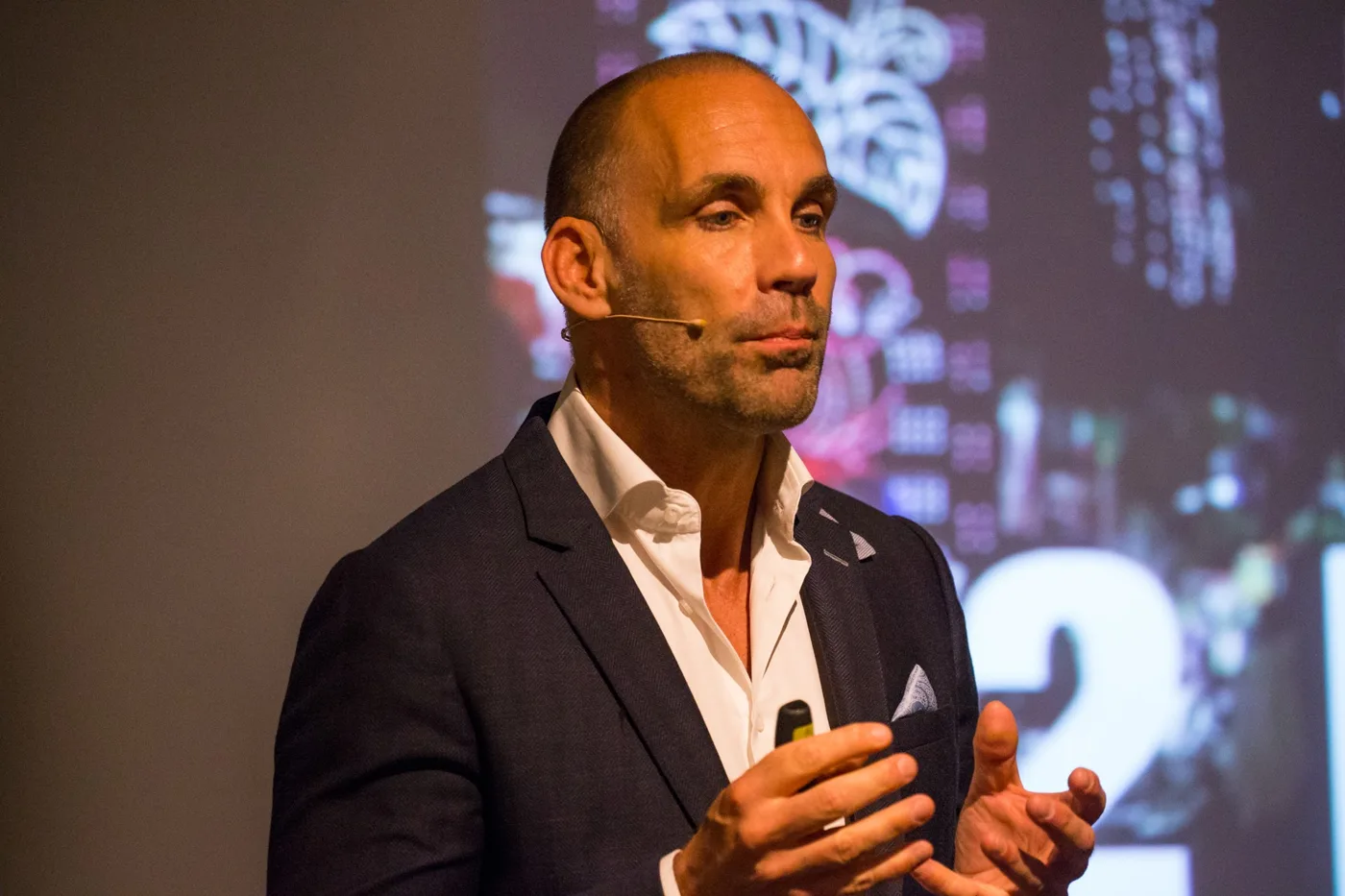
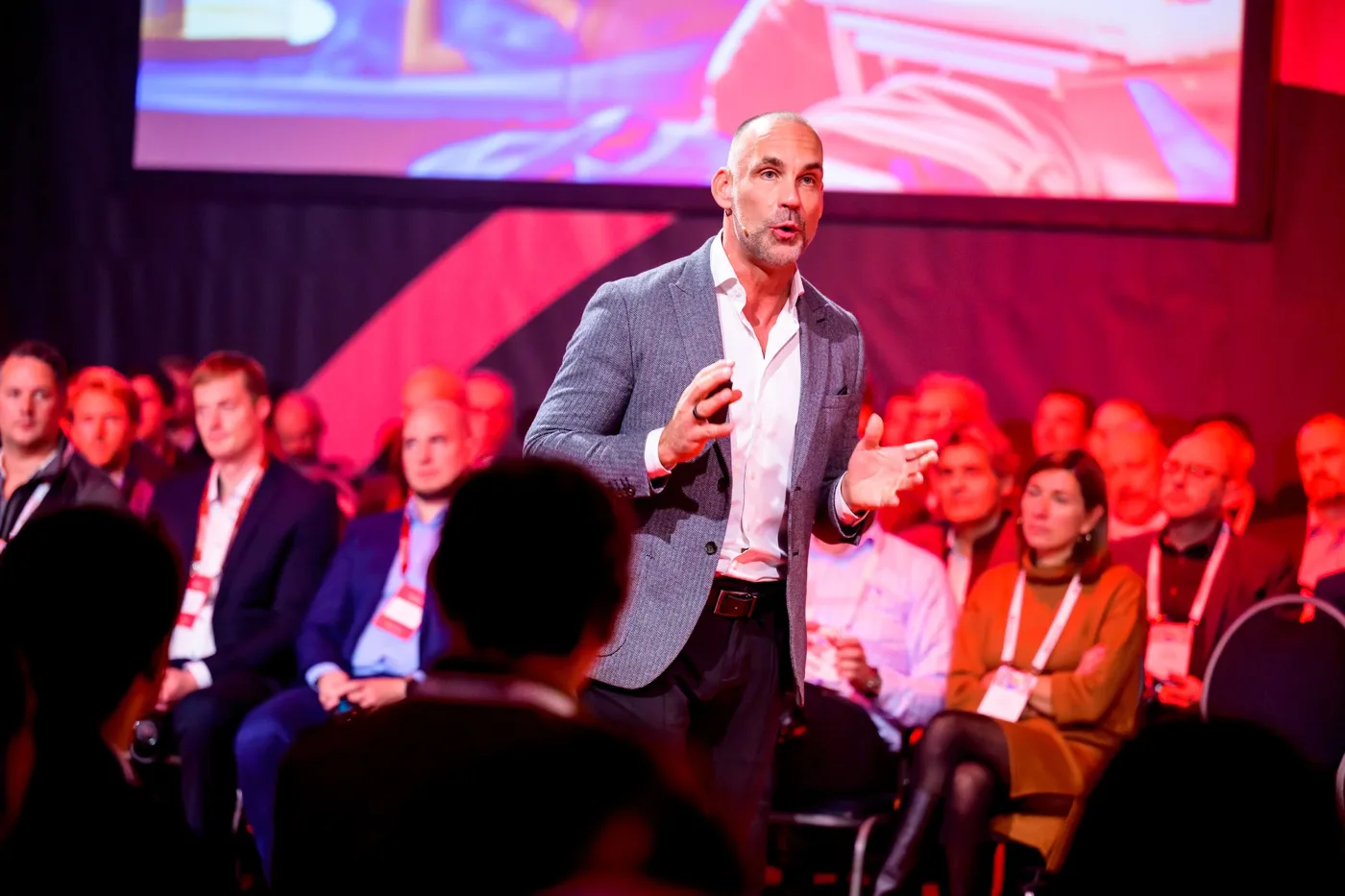
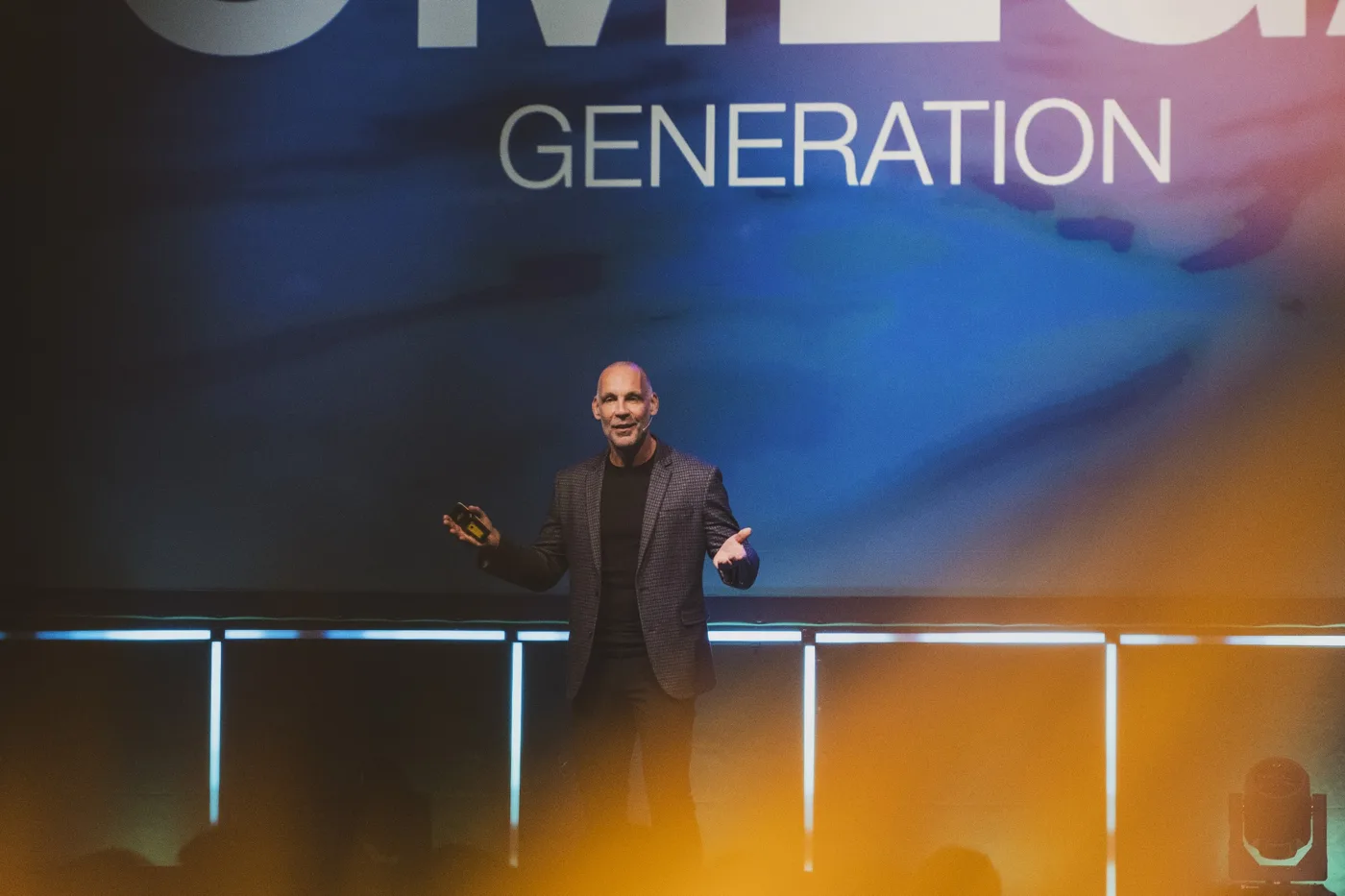
A packed conference hall, a televised panel discussion, a police summit in Dubai.
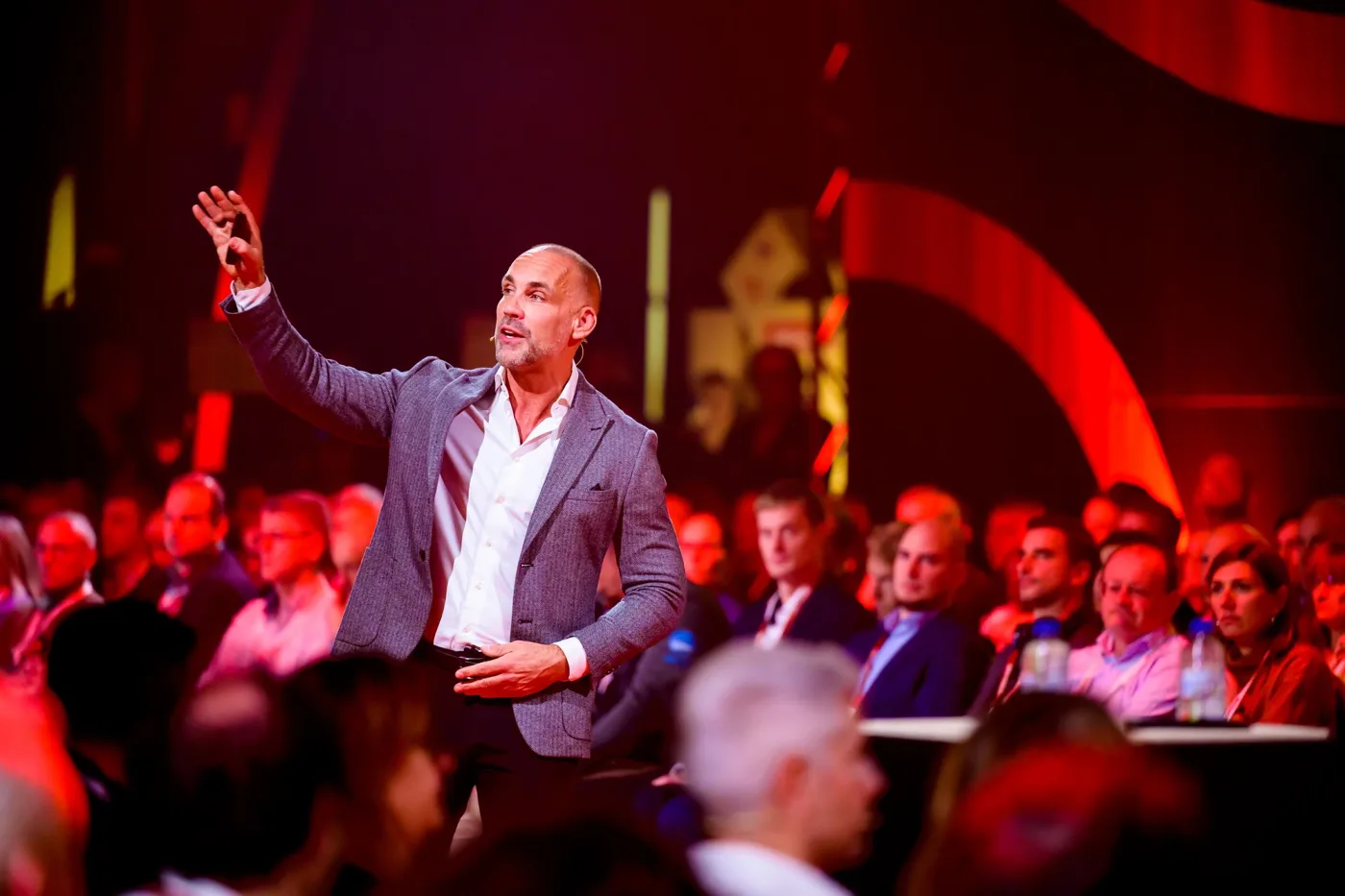
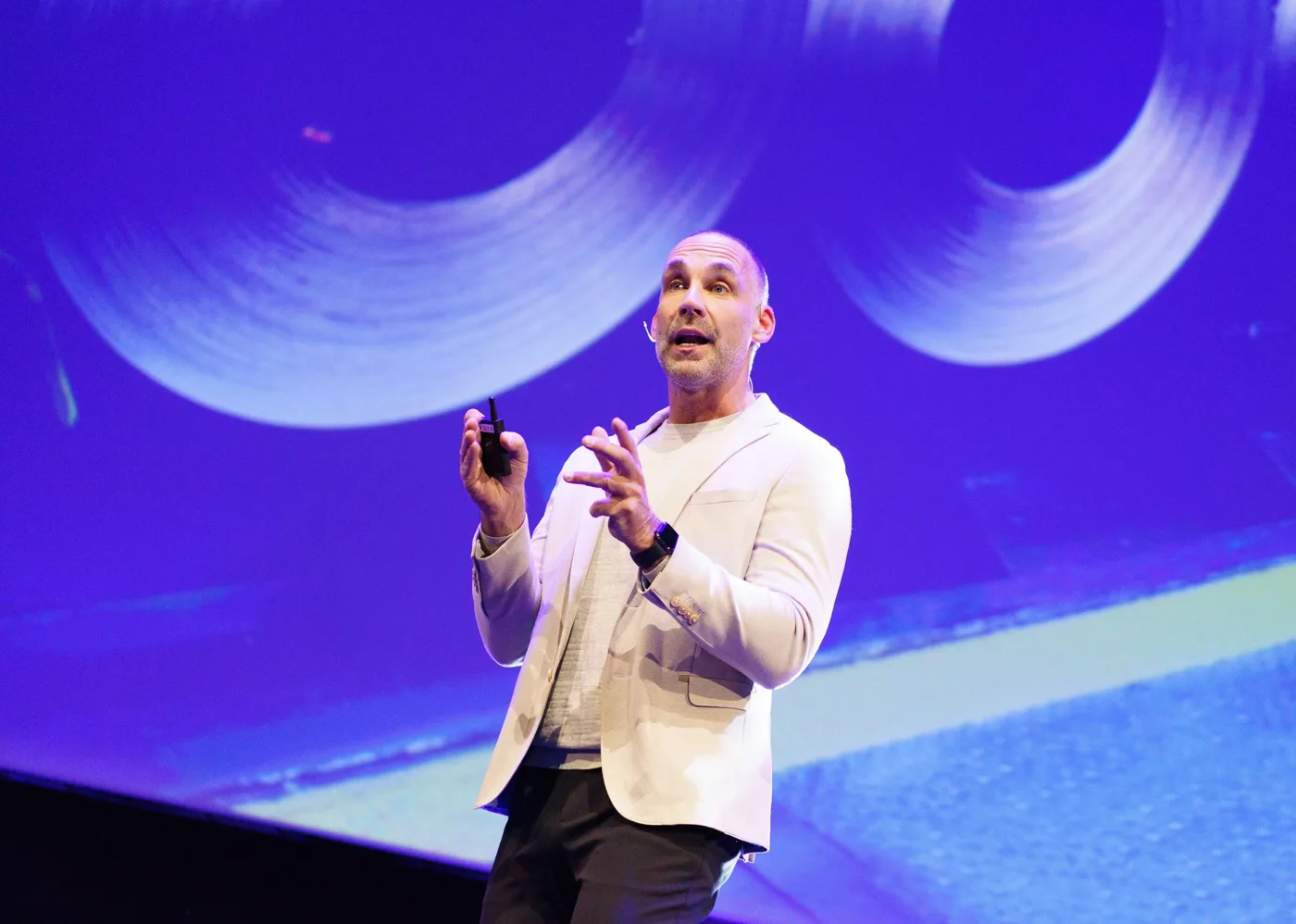
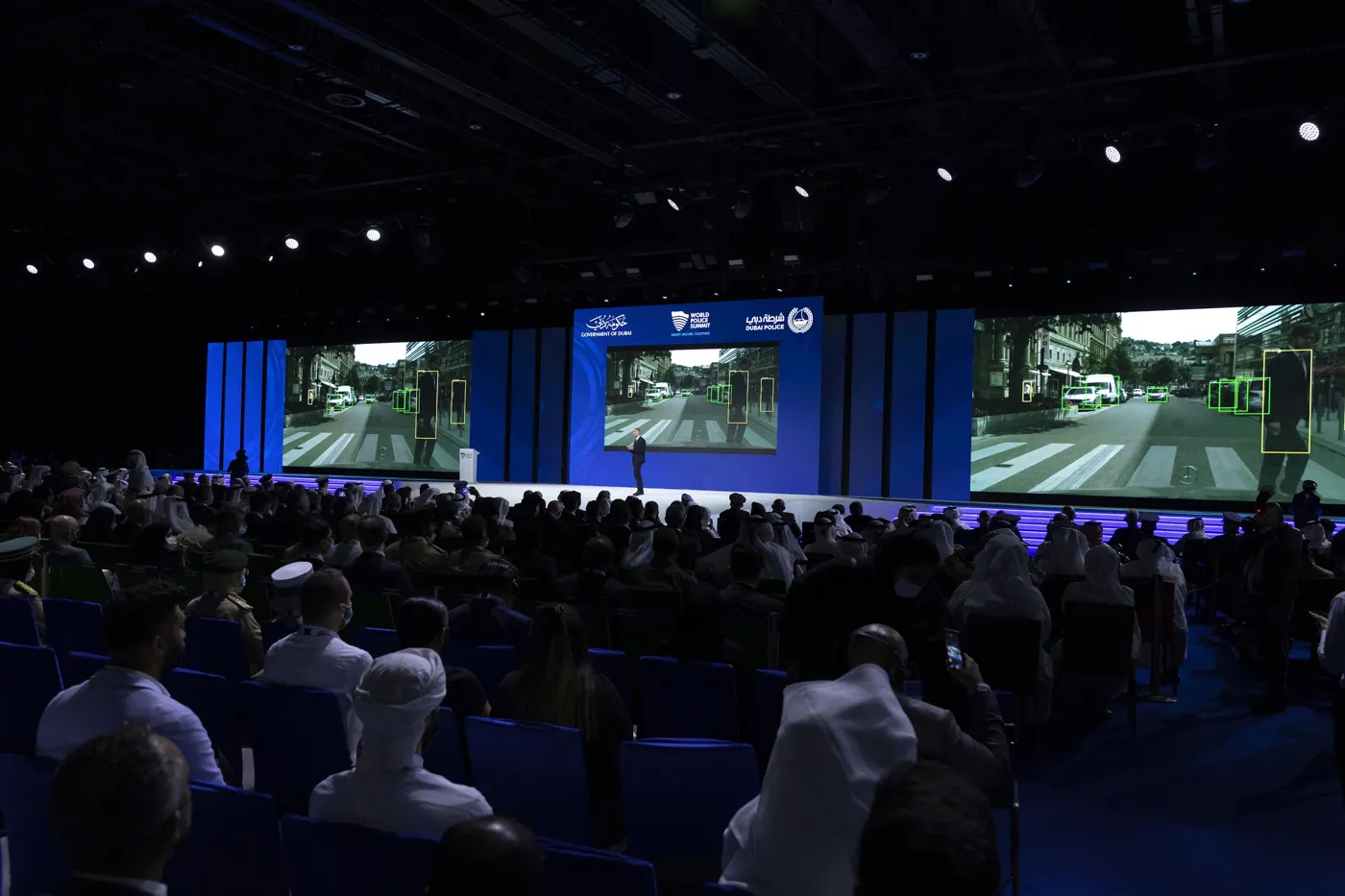


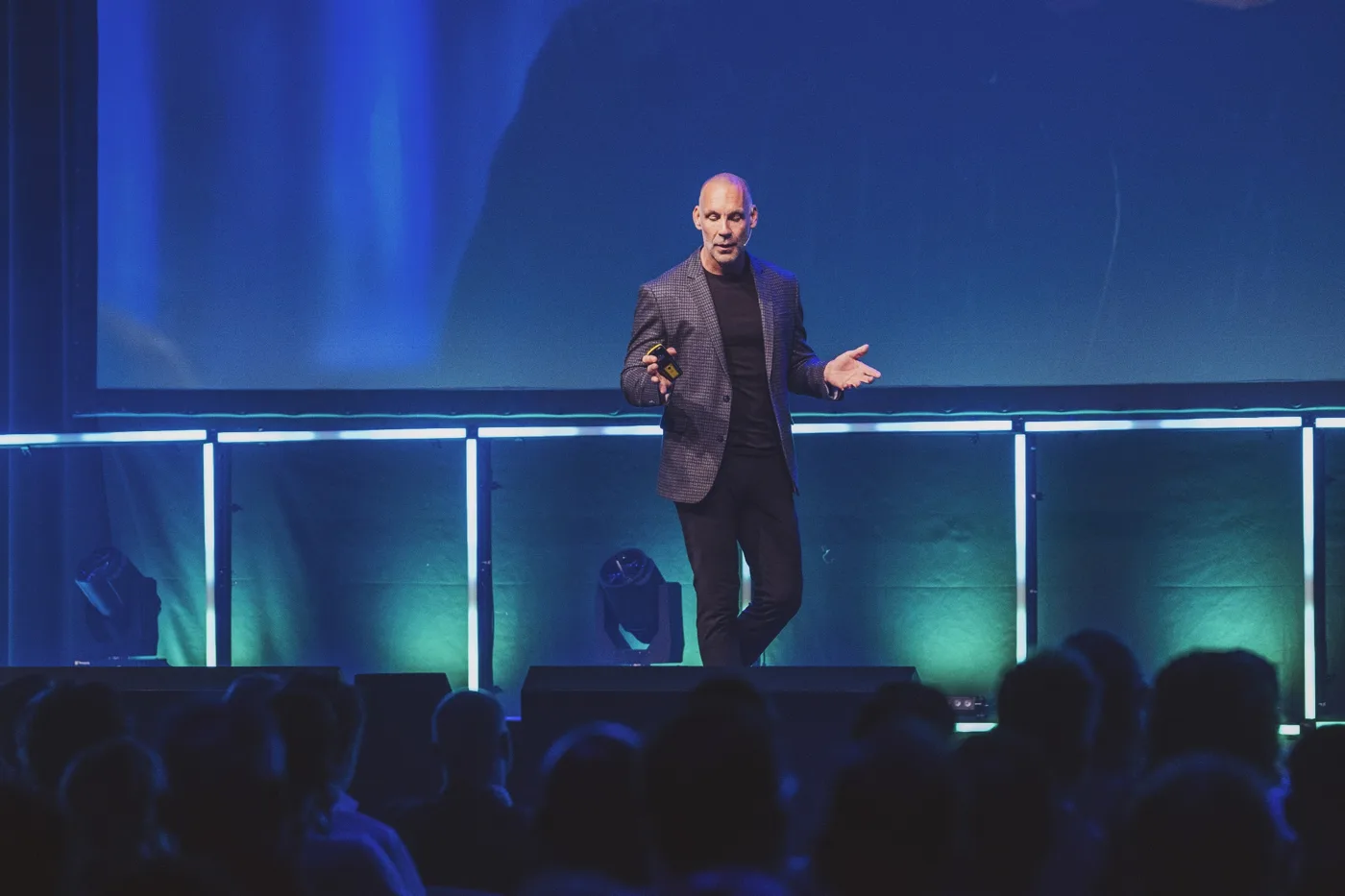

A selection of over 400 clients















What clients say
“The symposium ‘Airpower in the Information Age’ was a great success. Nothing but positive feedback from the participants. In no small part thanks to your commitment and dedication, we were able to achieve this result.”Read the full review →

“An impressive and noteworthy presentation for our employees and customers. The rate at which change is happening, which you eloquently brought across in your energetic speech, requires a disruptive approach. To be continued!”Read the full review →

“You gave us all honest, inspired and entertaining insights. Your performance was highly appreciated by the conference participants and EU members.”Read the full review →

“Richard delivered an excellent presentation for the key clients we invited to Innovation Runway 2026. Engaging, interesting content, and thought-provoking statements made his presentation perfectly suited for our top relations.”Read the full review →

“Enthusiastic speaker, a good and versatile story. Everyone was ‘wowed’ by the lecture.”Read the full review →
How a booking works
Your request
Use the form, or get in touch by phone, email or WhatsApp. A few lines are enough to get started.
We get in touch
We'd like to hear what your event looks like, who'll be in the audience and which themes interest you.
A written proposal
Covering the topic, format (on location or online), length (30, 45, 60 minutes or longer) and fee, so you can talk it over with your colleagues.
Getting to know Richard
Next, we'll find a time for the two of you to talk and brainstorm the keynote, the topics and the format. There's no charge for this.
Frequently asked questions
Who is this keynote for?
Bus, rail, taxi and aviation operators, rail and road authorities, airports, ports and inland shipping, car companies and leasing firms, government bodies with a mobility portfolio, and conferences on traffic and transport. The audience often mixes planners, engineers, traffic controllers, leaders and policymakers; the keynote is made for that mix. It also works for events for staff, passengers, customers and business partners.
What will the audience take away?
An up-to-date picture of what AI and new technology already do on road, rail, water and in the air, and scenarios for the next five to fifteen years: the end of car ownership, ships without crews, traffic in the sky above the city. What that means for roles, teams, leadership and training. And a clear view of the risks, so the conversation afterwards is about choices rather than hype.
Does the keynote also cover the organisation itself?
Yes, and that is often the main focus: what the planner does when AI makes the first roster, which new roles a transport operator needs and what that asks of leaders. Roles, teams, leadership, culture and training have a part of the keynote to themselves.
Does the keynote cover criminals using AI?
Yes, always. Criminals use AI to search software for weak spots and to write convincing fake messages. Car theft through the key signal, jammed or spoofed satellite navigation and ransomware at airports and transport operators are covered too: that other side has its own place in every keynote.
How does the keynote deal with the rules for self-driving transport?
The rules come up where they affect transport: approval of self-driving systems, liability after a collision, the EU AI Act and control over the data a car collects. Not a law lecture, but a clear picture of the limits and of the room for manoeuvre.
Is the keynote tailored to our organisation?
Yes. Beforehand there is an introductory call about the audience, the purpose of the event and what is happening in your organisation. A conference of traffic engineers gets different examples from an airline's executive away day or a bus company's meeting with its drivers.
How long is the keynote, and can it be in English or online?
30, 45 or 60 minutes, and longer if you wish, with time for questions from the audience, in Dutch or English, in person or online, including at international conferences. For more than a keynote, there are masterclasses, boardroom sessions for executives and managers, and workshops for all employees.
How much does a keynote on AI in mobility cost?
Fees for international keynotes are on request. Ask for a proposal and you will hear from us within an hour on working days.
A keynote for your mobility event
Tell us a little about your event and who will be in the audience, and let us know the date.
Prefer to speak to us directly? Call 085 303 0792 · email talks@vanhooijdonk.com · send a WhatsApp message