 Richard van Hooijdonk
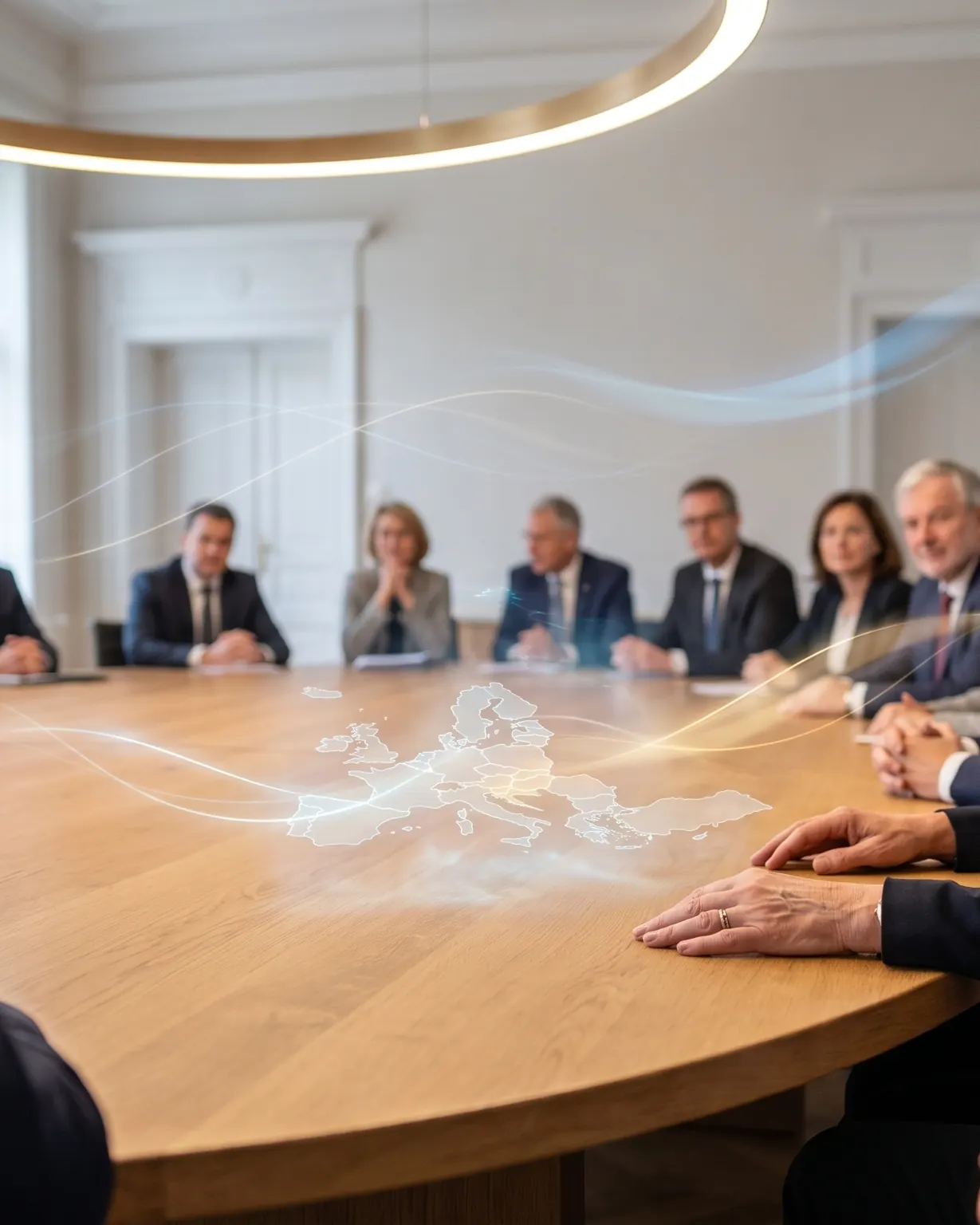
AI and the future of government
AI can estimate the effects of a measure before it is taken and warn earlier when a crisis is coming. What citizens gain from that depends on the government leaders and civil servants who work with it.
Choose your sector
Every keynote is tailored to a sector. Choose yours.
 Healthcare
 GovernmentYou are viewing
 Defence
 Policing and security
 Smart cities
 Construction
 Mobility
 Industry 4.0
 Energy and utilities
 Logistics
 Retail
 Wholesale
 Hospitality, tourism and leisure
 Agriculture
 Financial services
 Legal
 Accountancy and advisory
 Education
 Media and entertainment
 Telecoms and connectivity
Is your sector not listed? We tailor the keynote to your audience. Tell us about your audience
More tasks, more rules and an ageing workforce. That calls for a different approach.
This keynote by futurist and trend watcher Richard van Hooijdonk is about what AI already does in government and how AI and new technology will change its future. It also looks at what that means for policy and decisions, now that people work alongside AI systems more and more. In many public bodies, AI has moved past the trial stage. It sorts tens of thousands of consultation responses by theme in an afternoon and warns crisis teams earlier about rising water. In trials, it checks permit applications against the rules. Over time, AI can help government look ahead and take much of the paperwork off citizens' hands. The main change is often inside the organisation: who takes which decision, how you explain to a citizen what AI has done, and how you innovate when a mistake hits people directly. The keynote shows what works now, what is on its way and what is still mostly promise. It makes clear how government can modernise while keeping its work careful, explainable and trusted.
AI in government
What AI already does today at the counter, in policy teams and in public services.
- 01

The AI analyst for civil servants
AI searches case law, earlier decisions and regulations for what bears on a case file. The next step: spotting contradictions.
In government, AI is growing from writing aid into analyst, one that compares a case file with earlier decisions and regulations. The writing aid is already routine: when a national government had more than twenty thousand civil servants work with an AI assistant for three months, they reported saving twenty-six minutes a day on average, mostly on writing tasks. Analysing case files and finding the relevant rules and case law already happens. In a scenario for 2040, the analyst goes further: AI places a new case beside earlier decisions and shows where similar cases ended differently, with the sources attached. The civil servant is then handed a judgement call rather than a text: two earlier decisions point the other way, so which line does this case follow? The decision stays with the civil servant.
- 02
 In pilots
Agents for citizens
An agent handles an application: retrieving data, filling in the form, reporting progress. When in doubt, a civil servant takes over.
An agent is AI that takes the steps needed to complete a task by itself. A chatbot explains how to apply for a parking permit; an agent retrieves the details government already holds, fills in the form, spots what is missing and tells the citizen where things stand. Governments are now testing such agents in controlled settings. They are working out which steps an agent can safely take over, and whether citizens then fill in less and wait less. The step after that is bigger: agents that together handle a whole life event, such as moving house or the birth of a child, across every service involved. That is the beginning of government as a single front door.
- 03
 In pilots
The permit that checks itself
AI helps check an application against the rules. The next step: weighing rules and effects on the surroundings while the design is drawn.
Much of the work on a permit application is checking: are all the documents there, does the plan fit the rules, are the dimensions and drawings right? AI can do that first check. It sets the application beside the rules and the local zoning plan, and marks what is missing or out of line, with a reference to the relevant article. Automatic checks on single requirements already exist. The next step is AI that assesses many more rules together while the design is still being drawn, along with the effects on the surroundings, such as shade, noise and water. Applications then arrive almost complete and compliant, and the case officer spends their time weighing the interests of neighbours, nature and heritage.
- 04

Proactive public services
At a birth, a move or retirement, government offers support before the citizen asks for it.
Proactive services reverse the direction: the citizen no longer has to work out what they are entitled to, because government offers it. The starting point is a life event, such as a birth, a move, a death or reaching pension age. In some places, parents already receive child benefit after a birth without applying; they only need to confirm. AI can widen this. In data government already holds, it recognises who is likely to qualify for an allowance or service but is not yet using it. A scheme then reaches the people it was designed for who could not find their way to it. The law sets out which data government may combine for this.
- 05

Reading consultations with AI
Language models sort tens of thousands of consultation responses in hours and help policymakers find each argument again.
A large public consultation brings in tens of thousands of responses from citizens, businesses and interest groups. Reading and sorting them all took policymakers weeks, and a strong argument was easily buried under repetition. Language models now do that sorting. One government had a language model sort more than fifty thousand consultation responses into themes. It took two hours, and its grouping matched the experts' more often than two groups of experts matched each other. The policymaker can then find the arguments under each theme, including those of the one respondent who sees what others miss. The next step is a conversation rather than a pile of responses: AI that asks follow-up questions of very many residents at once.
- 06

Crisis management with AI
AI forecasts floods, wildfires and power cuts, and helps crisis teams decide where to send people and equipment.
In a crisis, every hour counts. The further ahead you can see, the better you can prepare: where will the water rise, which way will the fire move, which district will lose power? AI models combine weather data, satellite images, sensor readings and information on roads and vulnerable buildings, and predict where and when things will go wrong. Flood forecasts arrive days earlier as a result, even in areas with few measuring stations. A crisis team can then evacuate in time or position emergency services differently. Digital twins for disaster exercises are already being developed. The next step is AI that keeps inventing new disaster scenarios and works out the effects for fire services, healthcare, grid operators and local authorities at once. The plan has been tested before the water arrives.
- 07
 In pilots
Smarter procurement
AI compares bids and tracks contracts. Over time, AI links all of a government's purchasing into one overview.
In public procurement, AI brings bids, requirements and contract data together, so differences between tenders show up sooner. It can read through piles of documents, set out per requirement what each bidder promises and flag where a bid deviates or something is missing. It also helps after the award, by tracking whether the terms of the contract are met. One government even gave an AI assistant the title of minister, with procurement as its portfolio and less room for corruption as the aim. AI can already search for patterns across many tenders. In a scenario for 2040, it continuously links tenders, payments and delivered work into one overview of what a government buys, where unusual patterns stand out early.
- 08
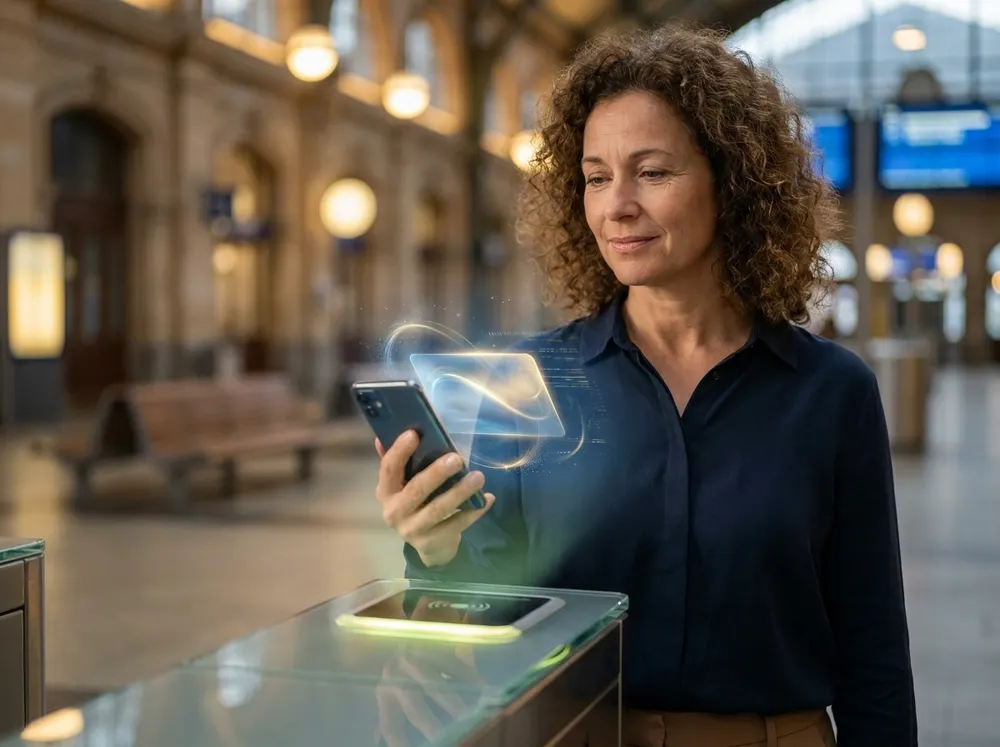 In pilots
The digital identity
A digital wallet holding your identity, diplomas and driving licence. AI helps confirm remotely that the right person is applying.
A digital identity wallet is an app holding your official details, such as your identity, driving licence and diplomas. You show only what is needed, for instance that you are over eighteen, without giving away your date of birth. A European regulation requires member states to offer their residents such a wallet. AI plays a part in identification at a distance: it compares a selfie with the passport photo and picks up signs of forged documents or recordings. Cryptography lets a service check at once whether a credential is genuine. In a scenario for 2040, an agent authorised by the citizen presents exactly the credentials an application asks for, on their behalf. The wallet then becomes the base for a single front door to all of government.
- 09
 In pilots
Sovereign AI for government
Governments have their own language models built on public texts and run on their own servers, to depend less on foreign suppliers.
Sovereign AI is AI over which a country or government keeps control: of the data the model was trained on, the servers it runs on and the rules it follows. For government that matters, because it handles sensitive data and does not want to depend on a single supplier outside its own legal system. Several governments are therefore having open language models built and trained on their own language, legislation and public texts. A group of local authorities is testing such a model in their digital assistant. A model of this kind can be narrower than the large commercial ones. What government gains is the ability to set its own requirements for where the training data comes from, how the model is managed and how its answers are checked.
The future of government
Where public administration could stand in five to fifteen years, with AI as the engine.
- 10
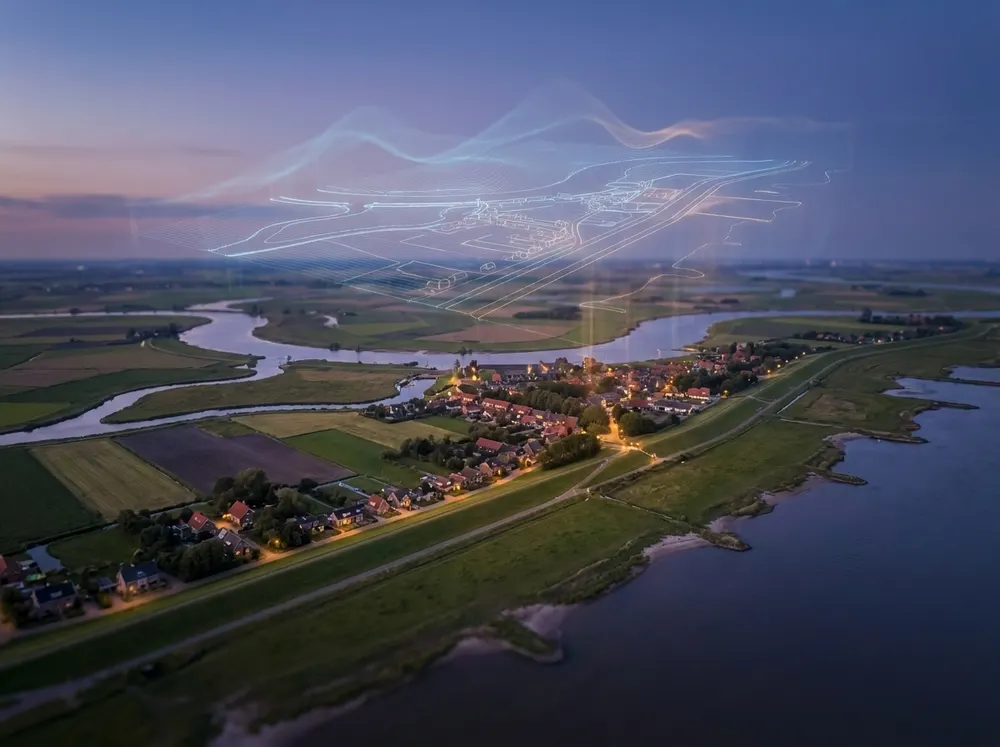 Future scenario
Governing with a digital twin
In a scenario for 2040, AI uses a digital twin of a city, region or country to work out what a decision does, including how people respond.
A digital twin is a computer model of a city, region or country that updates with current data on traffic, water, energy and housing. The European Commission is already building a digital twin of the Earth, partly to test climate policy. The next step is for AI to add a simulated population. Researchers built AI agents representing more than a thousand real people, which reproduced their survey answers over 80 per cent as consistently as those people repeated their own answers two weeks later. That is not yet a policy simulation, but it is an early signal. In a scenario for 2040, a government leader sees in advance what a new neighbourhood does to traffic, schools and groundwater, and how households will react, before the council votes.
- 11
 Future scenario
An AI advisory council for leaders
By 2040, an AI advisory council could follow policy continuously, spot problems early and put counterarguments and alternatives to leaders.
Government leaders often decide on the basis of reports that are months old. In a scenario for 2040, they work with an AI advisory council: agents that continuously connect delivery data, complaints, waiting times and signals from citizens. They report early where a scheme works out differently than intended, such as a service that fails to reach a group or a district where debts are mounting. Before a decision is taken, the council sets out the strongest counterarguments and the long-term scenarios. The OECD has been studying for years how governments look ahead and connect that to their decisions; a standing AI advisory council is a next step. AI does the analytical and predictive work; the leader weighs, chooses and remains accountable.
- 12
 Future scenario
A conversation with the whole country
AI moderators talk with hundreds of thousands of citizens at once and show where a society agrees, and where it does not.
In a large consultation, everyone sends in a response and government reads it. A real conversation, with follow-up questions, was only possible in small groups such as a citizens' assembly. In a scenario for 2040, an AI moderator holds a conversation about the energy transition with hundreds of thousands of residents at once, and shows where people agree and where they clash. An early signal: researchers had a language model summarise the views of groups of citizens into one joint statement. Participants preferred it more often than the version written by fellow citizens acting as moderators, and their views moved closer together. Far more people can then take part, with arguments that are properly questioned.
- 13
 Future scenario
Government as one front door
Around 2040, a citizen's agent could deal with government's agents directly. Filling in a form yourself becomes the exception.
The front door of the future is agents working together: AI acting for the citizen and AI handling cases for government. In a scenario for 2040, citizens have their own agent for matters now spread across different services. It reports a move, applies for a permit and keeps track of what someone is entitled to, with the permission the citizen gives it. On the government side, agents check the application and process it. One building block already exists: a European system that lets connected governments exchange evidence directly with each other. Civil servants then mainly speak to the citizens for whom the automated route does not work.
- 14
 Future scenario
Legislation as code
Around 2040, legislators could write text and code side by side. AI then works out what a law means for households before the vote.
Legislation as code means that a rule is written down for people and also in a form a computer can execute. Today, public agencies often translate legal rules into their own systems after the fact, and every translation is a chance for a different reading. In a scenario for 2040, that work moves to the start. The legislative drafter writes the text and the code together with AI, and for suitable bills parliament sees what they mean for thousands of sample households, including where two schemes contradict each other. The OECD has followed the approach for years; at international meetings the talk is now about scaling up. Contradictions and unexpected outcomes become visible before a law takes effect.
- 15
 Future scenario
More tasks, same people
By 2040, agents could take over whole work processes, while the experience of departing civil servants stays within reach.
Many public bodies have a relatively old workforce. Over the coming decade, a large share of experienced civil servants will retire, while new tasks keep arriving: climate, housing, security, new rules. In a scenario for 2040, government does not meet that through recruitment alone. Agents take over the repetitive and analytical work: checking, planning, preparing case files, answering questions. They also go beyond searchable files: they combine the recorded judgements of experienced colleagues with new rules and explain which earlier choices still apply. A new employee can then, after a month, put questions to thirty years of recorded experience. A smaller team handles more cases, and keeps more time for the unusual ones.
AI can bring government closer to citizens than we can imagine today. Whether that chance becomes reality depends on the people inside government and their culture.
Richard van Hooijdonk
The government organisation of the future
What AI asks of roles, teams, leadership and culture in government.
- 16

The AI-first organisation
In government, AI does the work civil servants need not do, including checking and forecasting. Civil servants focus on residents and decisions.
An AI-first government lets AI and new technology do the repetitive and predictive work that civil servants need not do themselves. They focus on residents and on decisions that call for human judgement. AI can sort applications, summarise incoming reports and answer questions about progress. Staff assess exceptions, weigh interests and talk decisions through with the people they affect. That can leave more room for personal contact. It does not happen by itself: it depends on how government divides the work and the time that is freed up. Civil servants also keep watch over what AI does.
- 17

New roles in government
Staff who oversee AI systems, manage data and explain decisions, and who will soon direct teams of AI agents.
AI takes over civil servants' tasks and creates new work at the same time. The algorithm manager keeps an overview of the systems involved in decisions, checks after every update whether the outcomes are still correct and fair, and steps in when needed. The data steward looks after the quality of registers and agrees who may use which data, and for what purpose. The explainer tells a citizen in plain language why their application was turned down and what they can do next. A fourth role is on its way: the agent supervisor, who directs a team of AI agents the way a team leader directs people today. They divide the work, check the results and step in where an agent gets stuck.
- 18

Civil servant and AI in one team
The agent prepares the case file. The civil servant assesses the proposal, weighs the citizen's circumstances and signs.
A team of civil servants and AI shares the preparation, the assessment and the contact with citizens. Take a department that handles welfare applications or grants. The agent collects data from the various registers, checks whether the file is complete, lists the rules that apply and drafts a decision. The civil servant weighs what no register holds: the applicant's circumstances, or the business owner who falls just outside the letter of the scheme but well within its intent. They call the applicant when something does not add up and explain why a decision turns out differently than expected. The team agrees which draft decisions one civil servant checks and which are reviewed by two people.
- 19

Public leadership is changing
Leaders in government take the initiative on AI and new technology, and encourage civil servants to build the government of the future together.
Leadership in the AI era does not need a new generation of government leaders. The change starts with the leaders already in post. They set the example by using AI and new technology themselves and sharing their experience with civil servants. They also offer a picture of tomorrow's government that civil servants want to help build. Leaders make room for ideas from civil servants and show how their contributions shape the government of tomorrow. Together, leaders and civil servants build a government that works better for citizens.
- 20

Culture and behaviour in government
Working differently with AI takes civil servants and leaders who are willing to try, in a profession where mistakes hit citizens directly.
A government that wants to work with AI needs technology, money and rules. Yet it often gets stuck on something else: habit. It comes down to the willingness of civil servants and leaders to try a new way of working and then stick with it: letting go of a familiar procedure, leaving a check to a system, reporting when that system gets something wrong. A culture of care protects citizens from arbitrary treatment, and that has real value, because a government mistake can affect someone's income or home. It does make learning harder, because departing from the usual feels like a risk. Some agencies therefore work with sandboxes: defined settings where a team experiments within the law on real cases, with leaders taking part themselves.
- 21

The future academy
Cases from everyday work are the practice material in a future academy, where new and experienced staff learn to work with AI and new technology.
In the future academy, staff learn to read AI advice critically and to explain what AI has prepared. Organisations set up such an academy themselves, because AI and new technology change the work faster than training programmes can adjust their curricula. New colleagues practise there with the systems the organisation is bringing in. The material comes from the organisation's own work and is updated as tasks change.
- 22

Moving ahead as an ecosystem
With start-ups, scientists and other governments, at home and abroad, government takes on big challenges and speeds up innovation.
Who does a government build its future with? Start-ups working out new ideas, scientists measuring what works, partners bringing knowledge it does not have in-house, and other governments at home and abroad facing the same questions. Climate, an ageing population, housing and security are challenges no government solves alone. Together they develop solutions and share what works: a model that learns to sort documents in one place can be reused in another, and an approach from one country can help another move forward. That way, an innovation reaches citizens sooner.
The other side responsibility and risk
Data, reliability and crime: the flip side of AI in government.
- 23

Data as the foundation
AI only works when data from every part of the organisation is available, reliable and connected. That is the foundation of AI-first government.
AI-first government lets AI forecast, plan and advise across departments and registers. That only works when the data is available, accurate and connected. Government data is often spread across registers and old systems, each with its own codes and definitions, and one department does not always know what another records. Missing or outdated data can lead to wrong decisions, and an agent preparing an application then lacks important information. Old data also carries the choices of the past: even accurate data has to be used fairly. Linked, consistent and current data is therefore the foundation on which AI can work across government, with clear agreements on who may use which data, and for what.
- 24

Reliability and explainability
Every citizen has a right to an explanation. Algorithm registers, fundamental rights checks and human oversight help government use AI with care.
Reliability is about the quality of what AI calculates; explainability is about whether citizens can see how their decision came about. That bears directly on their ability to object. There are safety nets for this: a fundamental rights assessment beforehand and checks after every update. The European AI Act generally classes AI that assesses whether someone is entitled to welfare or care as high risk, with strict requirements for human oversight. More and more governments publish an algorithm register listing the systems they use. Once agents prepare decisions on their own, the question shifts from which algorithm is running to which agent did what, and on whose behalf, with a trail that citizens and regulators can follow.
- 25
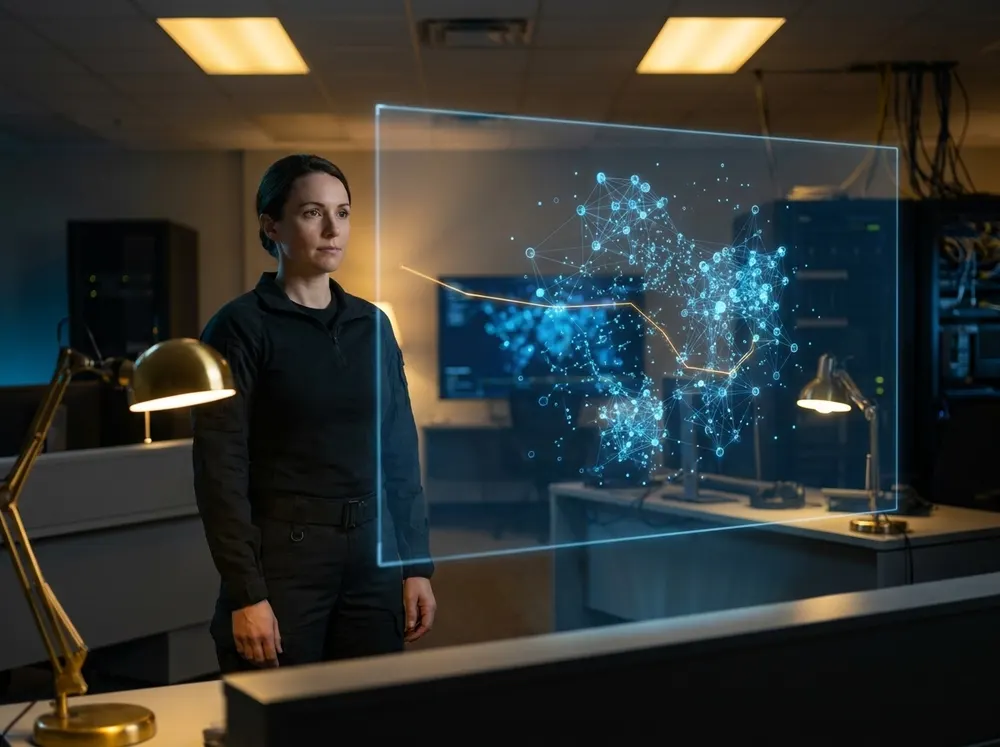
Cybercrime against government
Criminals use AI to steal government data and disrupt vital services. Government fights back with AI and skilled experts.
Governments are an attractive target for criminals: they hold the data of every resident and run services that must not stop, from benefits to permits. AI helps attackers steal that data and disrupt those services. Phishing emails become more convincing and more personal, a stolen staff account can open up case files, and weak spots in old systems are found faster. Ransomware can shut down a local authority or public agency for weeks, with the threat of publishing residents' data. The same AI that helps a government check its own systems for leaks helps an attacker find them. That is why government arms itself with AI and with experts who watch for threats day and night and step in to keep services running.
- 26

The cloned minister
A minister's voice is quickly faked with AI. Fraudsters use it to approach business owners, civil servants and foreign counterparts.
With AI, someone's voice can be copied from short recordings. Ministers are an easy target: their voices are online, and a minister on the line opens doors. In 2025, fraudsters used the cloned voice of a defence minister to call business owners asking for ransom for supposedly kidnapped journalists; one victim transferred almost a million euros. The same year, a fake foreign minister contacted five officials, including three foreign ministers; at least two received a voice message with the cloned voice. The same AI that lets a minister speak to citizens in several languages helps fraudsters pose as that minister. For a civil servant, a familiar voice on the phone is no longer proof that the minister is really calling.
- 27

Elections under fire
A fake recording just before the vote, a cloned president telling people not to vote. AI makes deception possible on a large scale.
Elections are a favourite target for deception, and AI produces fake images and fake voices in minutes. Two days before parliamentary elections in 2023, a faked audio recording surfaced in a European country in which a party leader supposedly discussed buying votes. It appeared during the legal pre-election silence period, when candidates and the media could respond only to a limited extent. A few months later, thousands of voters received a call just before a primary with the cloned voice of the president, urging them to stay at home; the regulator fined the man behind it six million dollars. For a government, more is at stake here than reputation: trust in the ballot box itself.
- 28

Hijacked agents
Hidden instructions in a document or website make an AI agent do something its user did not intend, such as forwarding data.
Prompt injection is an attack in which someone hides instructions in a document, email or website that an AI agent reads. The agent can mistake those instructions for its user's. Even when it is only summarising, that can lead to misleading answers or leaked information. Once agents submit applications for citizens and process case files for government, such an attack reaches further: a forged attachment can make an agent forward data or change a bank account number, as far as its access rights allow. Prompt injection ranks first in a widely used international list of the top ten security risks for language models. A document that comes in as information becomes an instruction to the digital case officer. The more independent the agent, the bigger the prize for whoever manages to hijack it.
About the speakerRichard van Hooijdonk
Events in EuropeKeynote speaker for corporate events in Europe
On stage
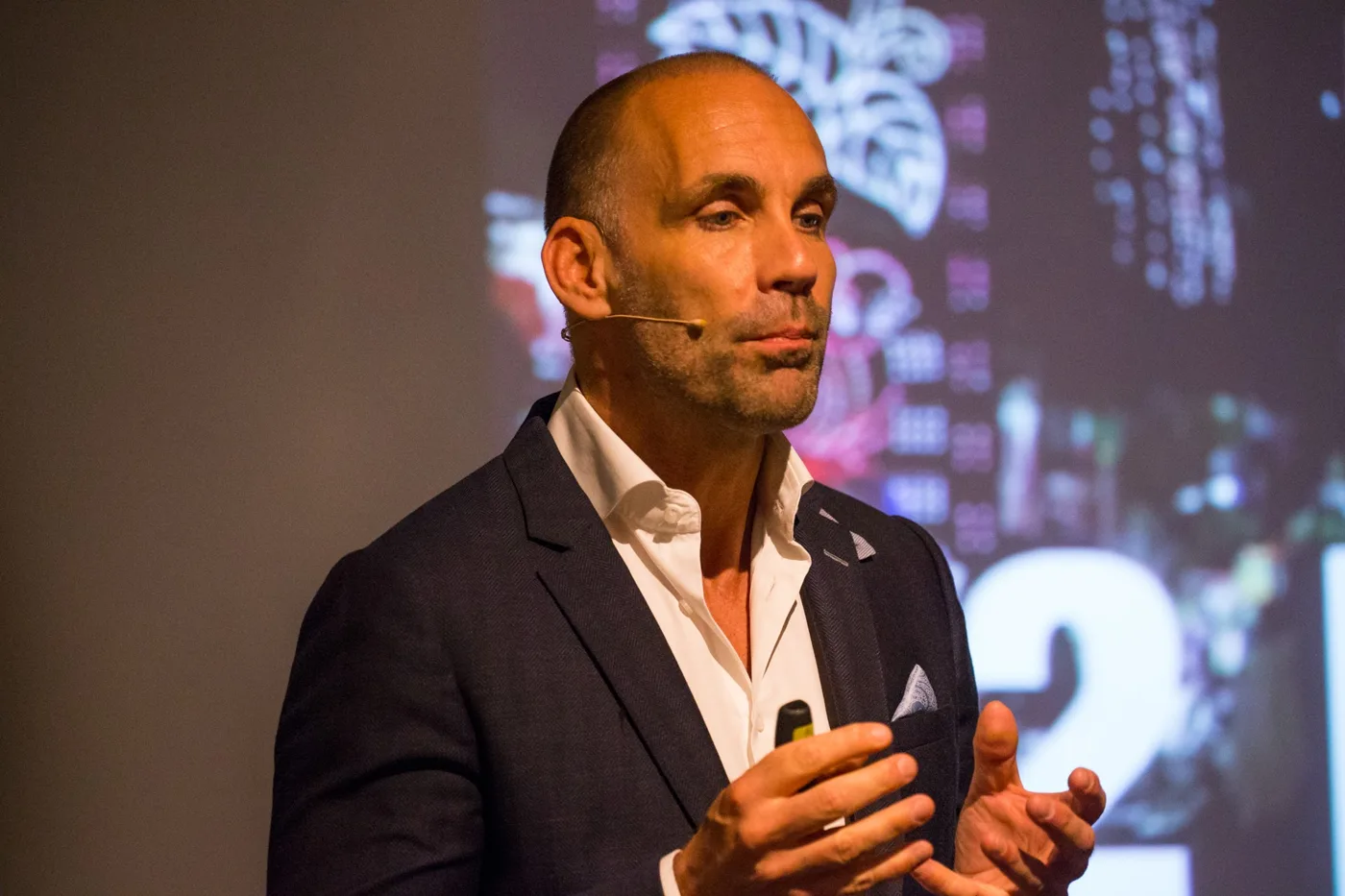
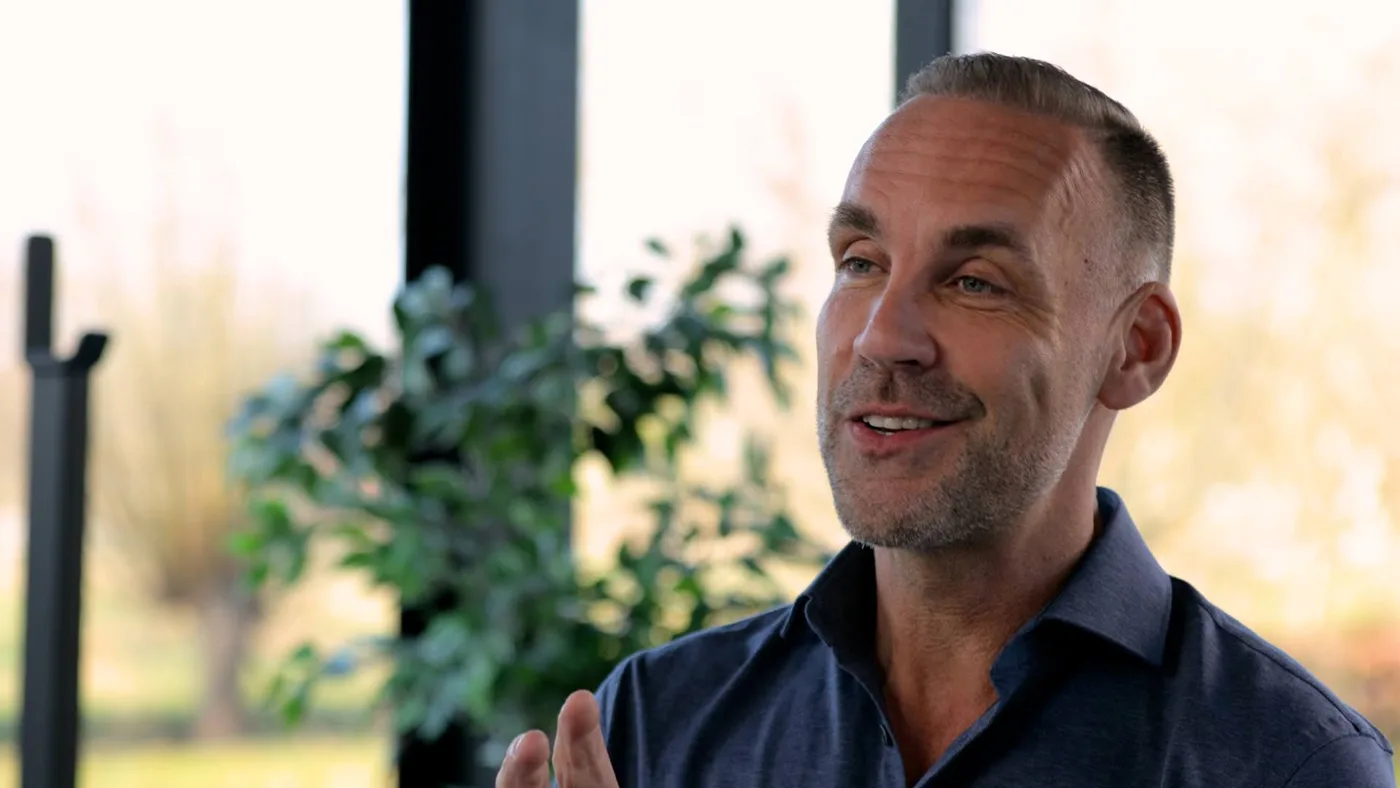
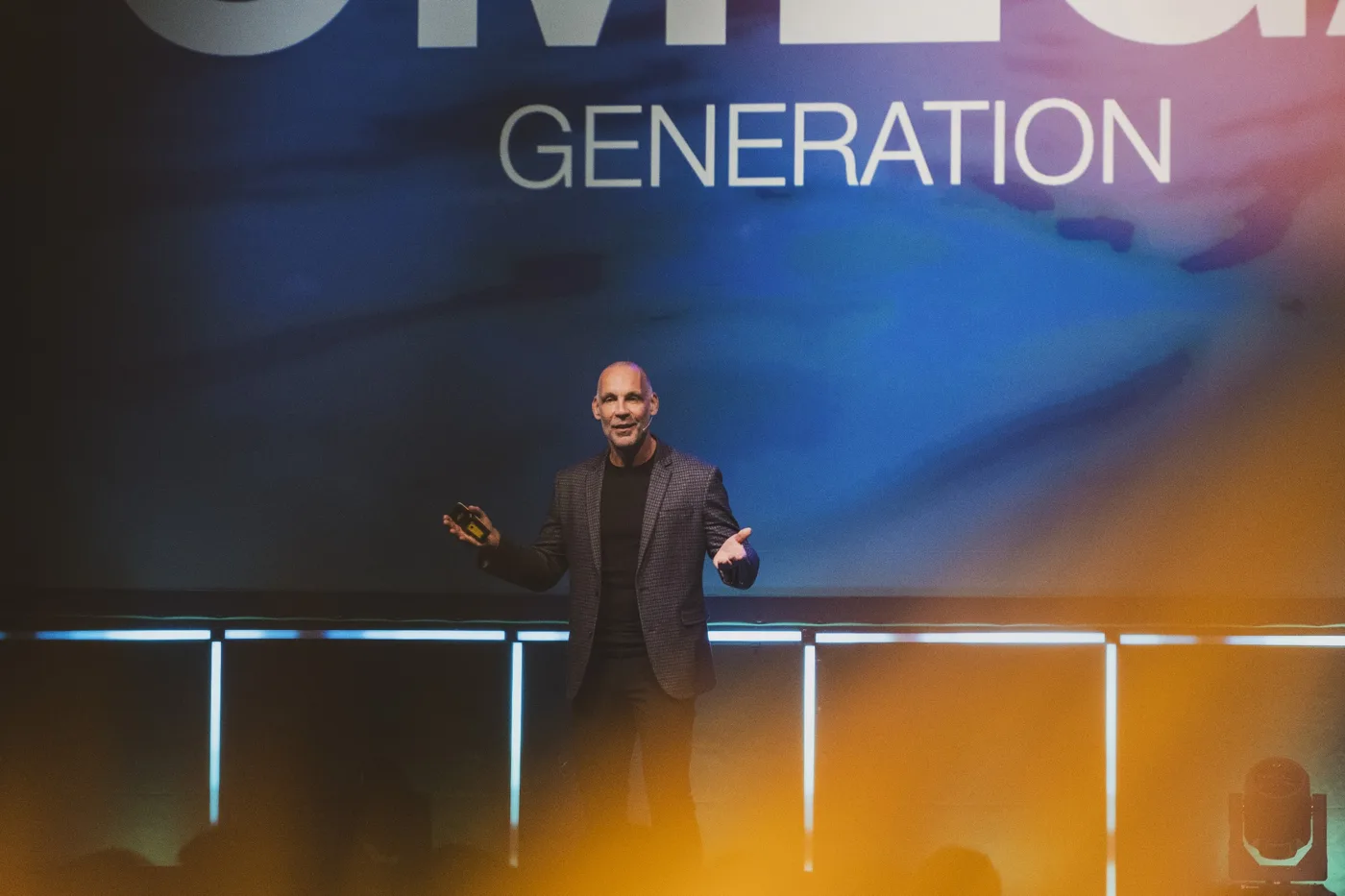
A packed conference hall, a televised panel discussion, a police summit in Dubai.
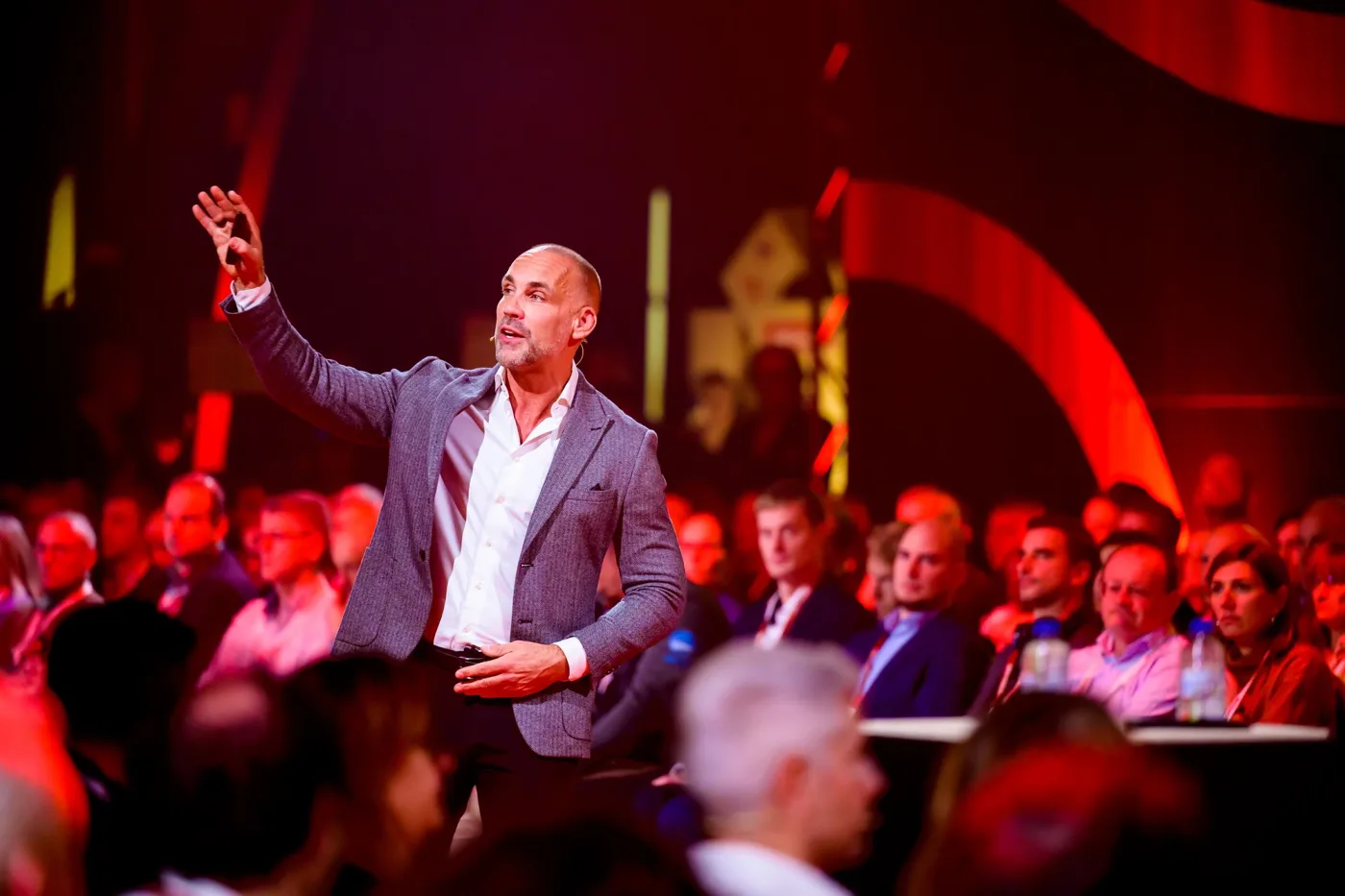
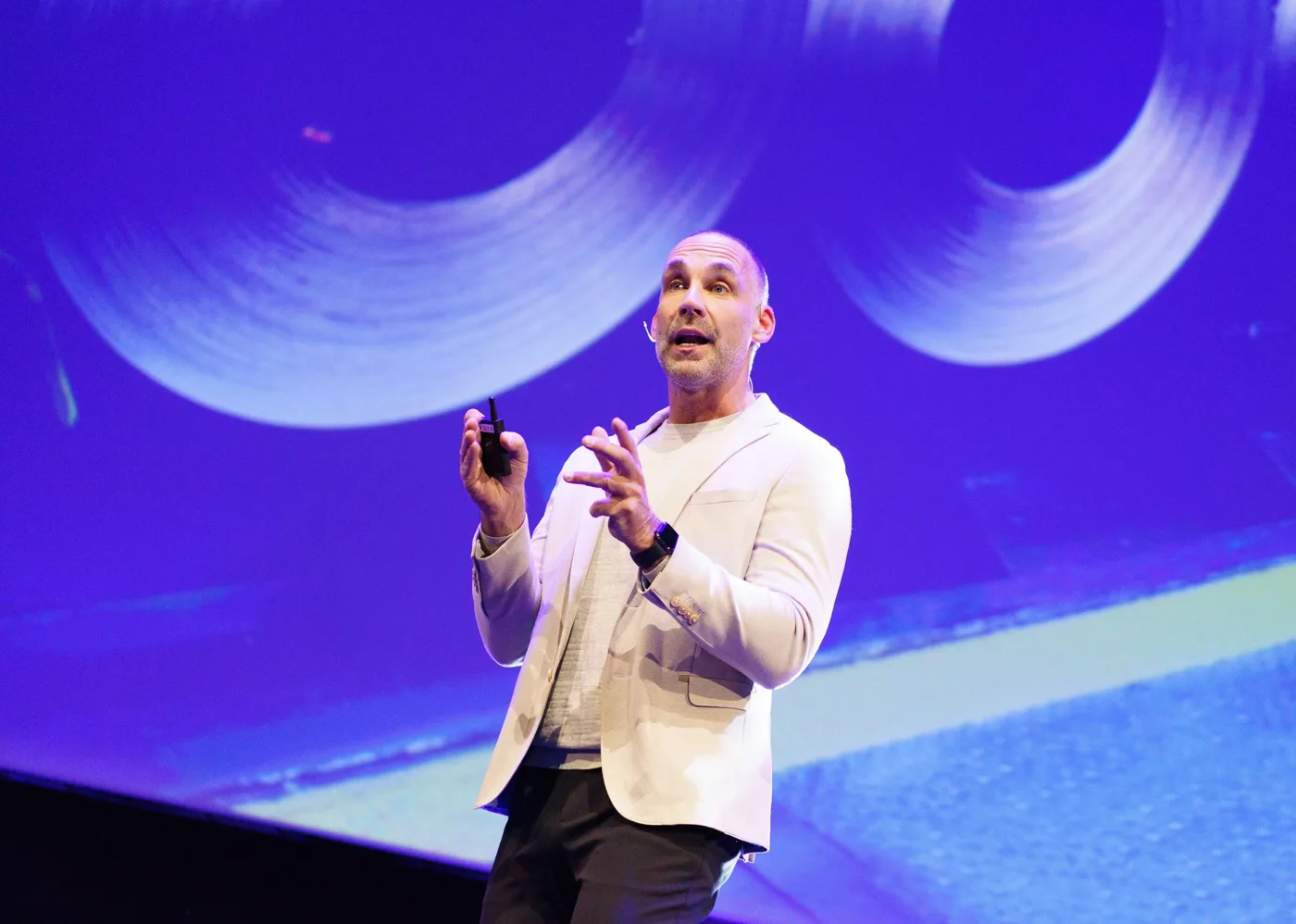


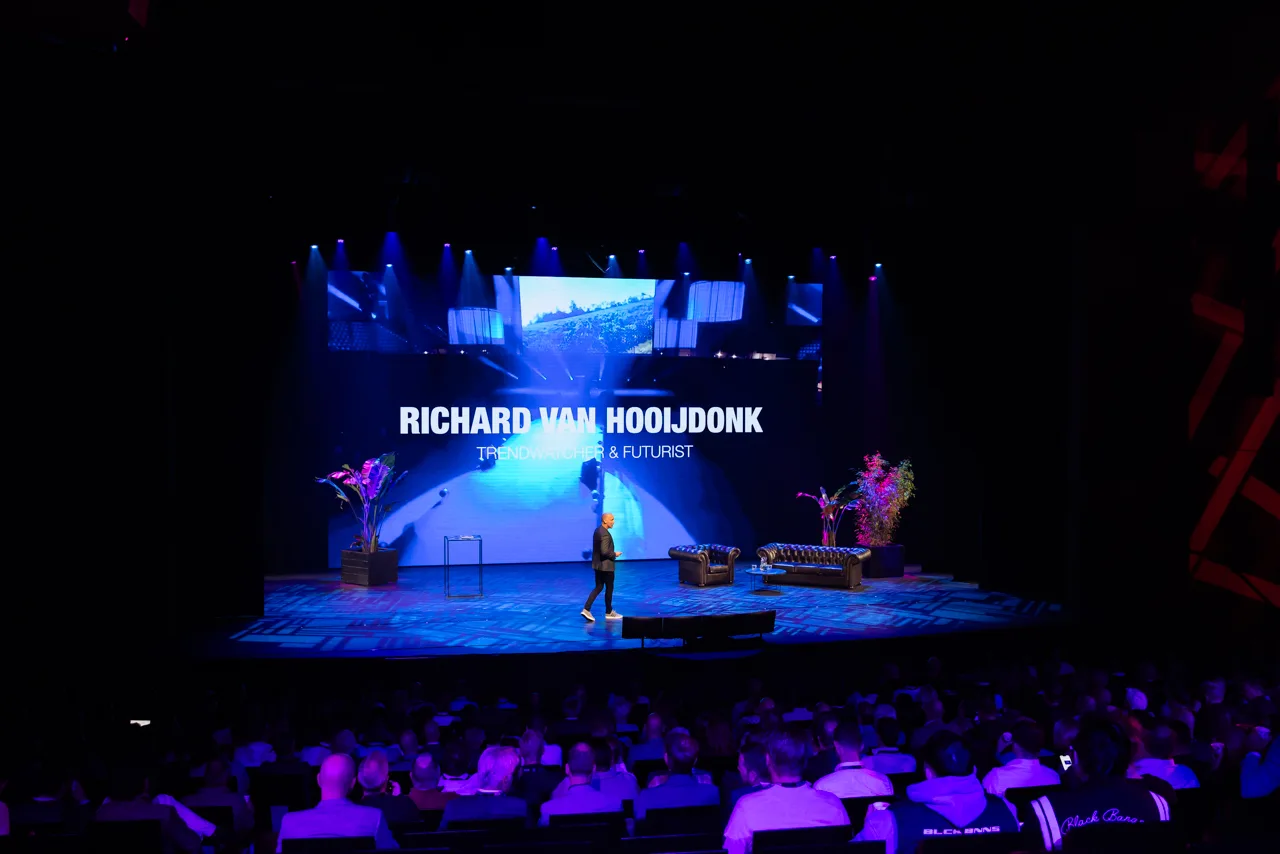
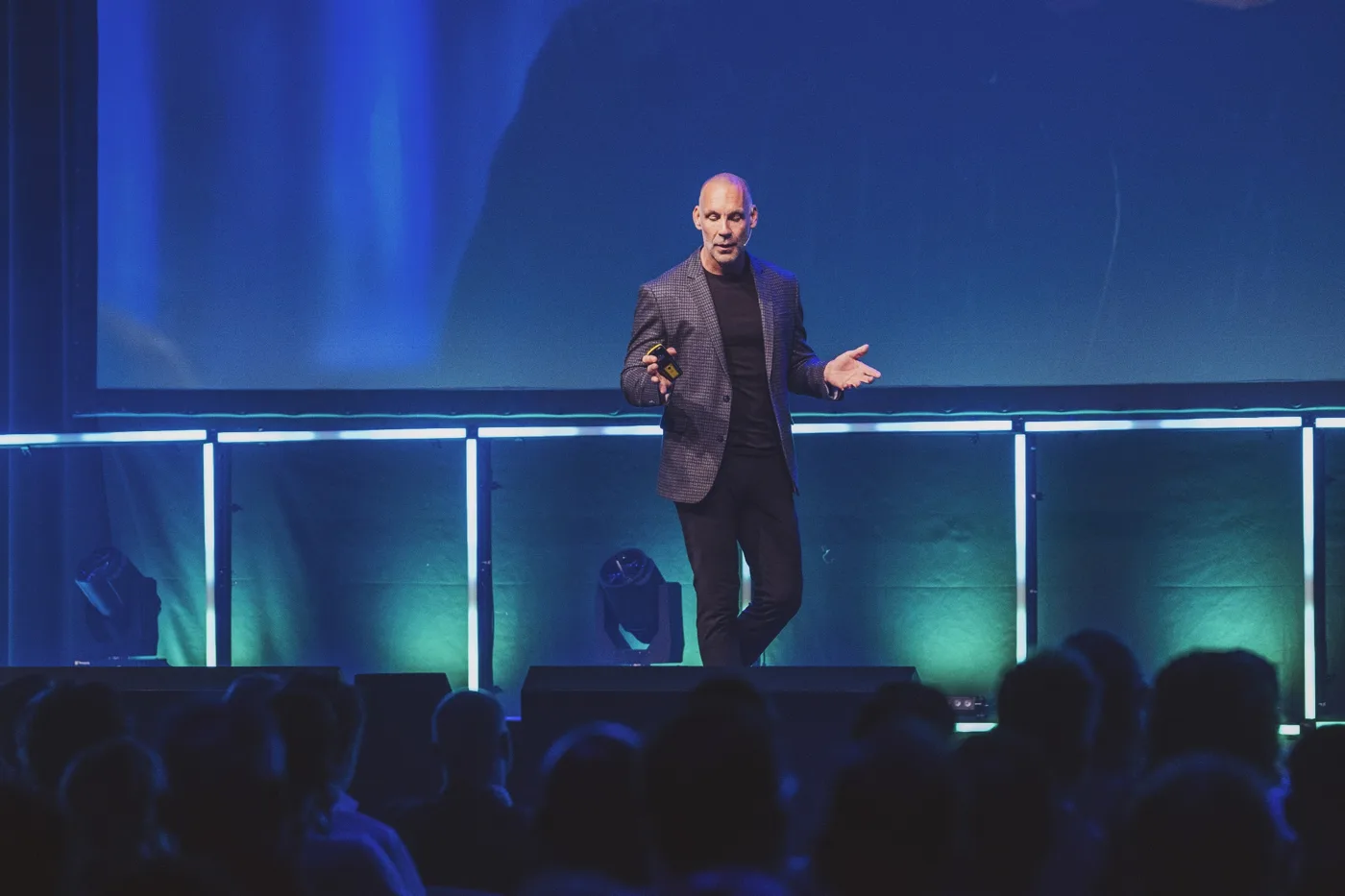


A selection of over 400 clients















What clients say

“You gave us all honest, inspired and entertaining insights. Your performance was highly appreciated by the conference participants and EU members.”Read the full review →
“With your presentation you awakened the customs organisation. At the end of the day it turned out that your presentation had made the biggest impression. You made sure the issues were put on Strategic Management’s radar.”Read the full review →
“We thank you once again for your inspiring contribution as the kickoff of the module. We found your lecture very valuable. The inspiration and answers to the questions have given the participants much to think about. As a result of this Top Defence Leadership Programme, we expect several new initiatives to emerge. And that is thanks in part to your inspiring kickoff.”Read the full review →
“The symposium ‘Airpower in the Information Age’ was a great success. Nothing but positive feedback from the participants. In no small part thanks to your commitment and dedication, we were able to achieve this result.”Read the full review →

“An impressive and noteworthy presentation for our employees and customers. The rate at which change is happening, which you eloquently brought across in your energetic speech, requires a disruptive approach. To be continued!”Read the full review →
How a booking works
Your request
Use the form, or get in touch by phone, email or WhatsApp. A few lines are enough to get started.
We get in touch
We'd like to hear what your event looks like, who'll be in the audience and which themes interest you.
A written proposal
Covering the topic, format (on location or online), length (30, 45, 60 minutes or longer) and fee, so you can talk it over with your colleagues.
Getting to know Richard
Next, we'll find a time for the two of you to talk and brainstorm the keynote, the topics and the format. There's no charge for this.
Frequently asked questions
Who is this keynote for?
For ministries, public agencies, regional and local authorities, water authorities, regulators, umbrella bodies and government conferences. The audience often mixes government leaders, policymakers, frontline staff, lawyers and IT specialists; the keynote is made for exactly that mix. It also works for events for staff, residents and partner organisations.
What will the audience take away?
An up-to-date picture of what AI and new technology already do in government and where public administration could be in five to fifteen years, with examples from home and abroad. What that means for roles, teams, leadership and culture. And a clear view of the risks, so that the conversation afterwards is about choices, not hype or fear.
Does the keynote also cover the government organisation itself?
Yes, and that is often the main focus: who takes which decision when an agent prepares the case file, how a policy adviser does the job when AI works through the scenarios, and what that requires of leaders. Roles, teams of people and AI, leadership, culture and training each get their own part of the keynote.
Does the keynote cover the risks of AI in government?
Yes, always. Ransomware and state hackers, AI that breaks into systems on its own, cloned voices of ministers, algorithms that wrongly cast suspicion on groups of citizens and the question of how you explain a decision made by a system: that other side has its own place in every government keynote.
How does the keynote deal with the European AI Act?
The rules come up where they touch the work: which applications count as high risk, what that means for oversight and for explaining decisions to citizens, and why AI literacy among staff has become an obligation. Not a law lecture, but a clear picture of what the rules ask of a public body.
Is the keynote tailored to your organisation?
Yes. Beforehand there is an introductory call about your audience, the purpose of the event and what is going on in your organisation. A room full of municipal caseworkers gets different examples from a meeting of top civil servants.
How long is the keynote, and can it be in English or online?
30, 45 or 60 minutes, and longer if you wish, with time for questions from the audience, in English or Dutch, in person or online. For more than a keynote, there are masterclasses, boardroom sessions for directors, board members and managers, and workshops for all employees.
How much does a keynote on AI in government cost?
Fees for international keynotes are on request. Ask for a proposal and you will hear from us within an hour on working days.
Interested in a keynote for your government event?
Tell us in a few sentences about your event and who will be in the audience, and let us know the date.
Prefer to speak to us directly? Call 085 303 0792 · email talks@vanhooijdonk.com · send a WhatsApp message