 Richard van Hooijdonk
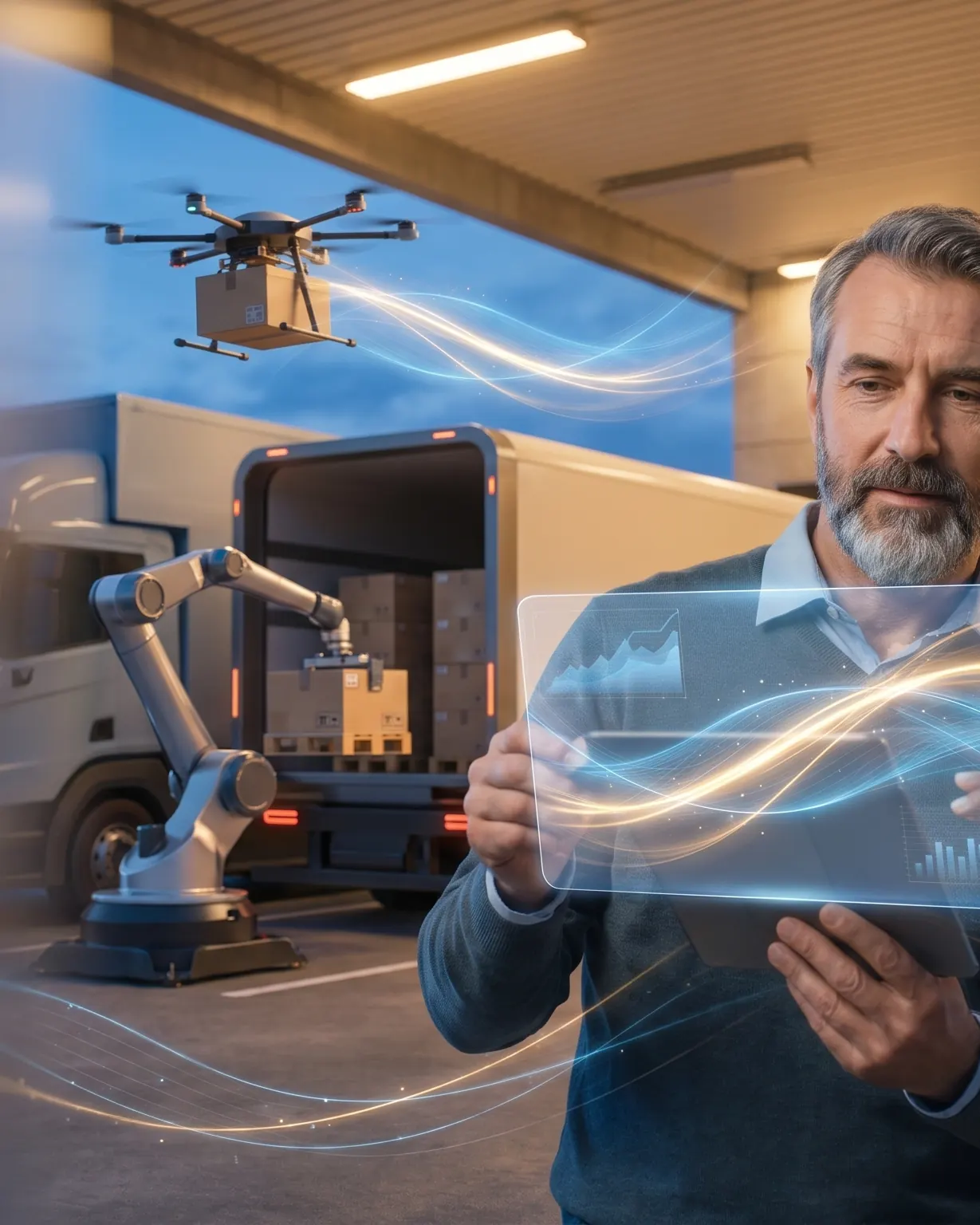
AI & the future of wholesale
AI processes orders, forecasts demand item by item and answers customer questions around the clock. Customers now send AI agents to buy for them too. What wholesale gains from this depends on the people who lead it.
Choose your sector
Every keynote is tailored to a sector. Choose yours.
 Healthcare
 Government
 Defence
 Policing and security
 Smart cities
 Construction
 Mobility
 Industry 4.0
 Energy and utilities
 Logistics
 Retail
 WholesaleYou are viewing
 Hospitality, tourism and leisure
 Agriculture
 Financial services
 Legal
 Accountancy and advisory
 Education
 Media and entertainment
 Telecoms and connectivity
Is your sector not listed? We tailor the keynote to your audience. Tell us about your audience
Stock and orders are only the beginning. With demand forecasting, smart purchasing and advice, AI and agents give wholesale a new role in the supply chain.
Futurist and trend watcher Richard van Hooijdonk shows how AI and agents are taking over repetitive, predictable tasks in wholesale, and how that lets the organisation work smarter, deliver faster and raise its quality. A wholesaler runs on tens of thousands of items, thousands of customers and thin margins. That is exactly where AI is strong. It forecasts what will be ordered, per item and per branch, processes orders without anyone retyping them and suggests when to buy and from which supplier. Agents answer delivery questions and follow up on quotes. Further ahead lies a different market: procurement agents negotiating with wholesalers' agents, supply cabinets and machines at customer sites that reorder by themselves, branches open day and night, and a small team serving a whole continent with agents. The questions about work come down to people: what inside sales does once the order processes itself, how you keep the customer relationship when the customer buys through an agent, and where the wholesaler will make its money. The keynote shows what works today and sketches scenarios for the next five to fifteen years. What is your wholesale business worth when the customer sends an agent?
AI in wholesale
What AI already does today in purchasing, sales, the warehouse and customer contact.
- 01
Stock that thinks ahead
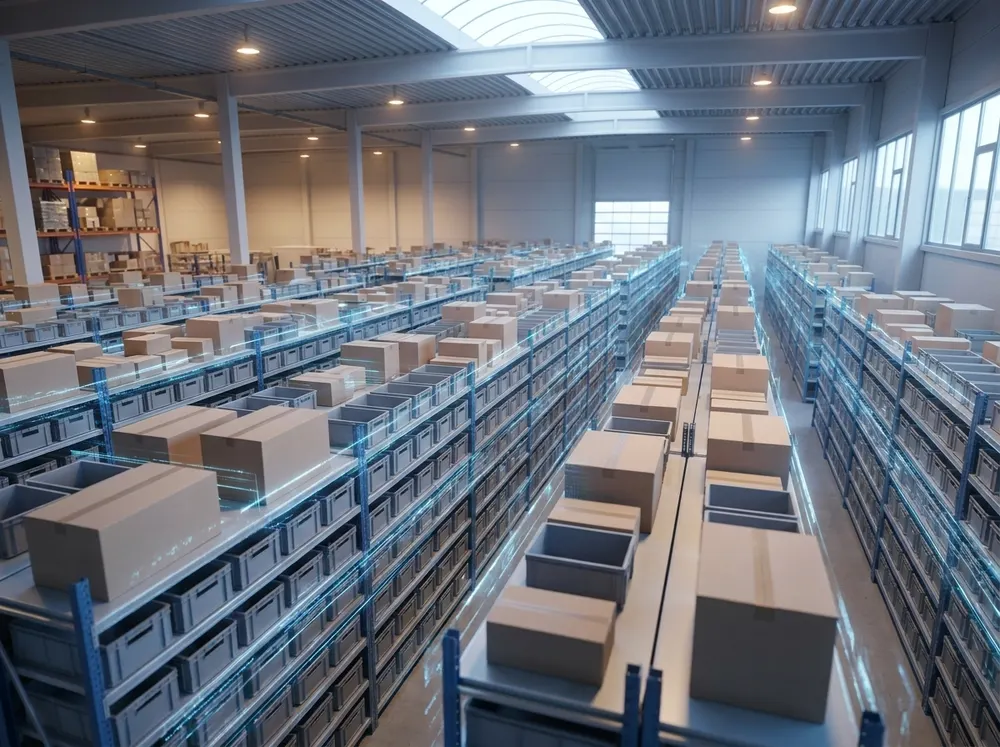
AI forecasts what customers will order, per item and per branch, and helps buyers decide how much stock they need.
AI demand forecasting works out how much of each item is needed, at every location, over the coming weeks. The model learns from order history and combines it with seasons, promotions, the weather and projects customers have announced. Much of the range sells only a few times a year, and one large order can throw any forecast off. AI picks up patterns a fixed rule of thumb misses and shows how certain each forecast is; the buyer decides on the exceptions. The next step looks beyond the wholesaler's own orders. Connected devices and supply cabinets at customer sites report what they need, and demand becomes visible before the customer is aware of it.
- 02

The order that processes itself
Orders from email, PDF and photo go into the system without retyping; doubtful cases go to a person. Orders from agents will follow.
AI reads business orders from emails, PDFs and photos of handwritten lists, recognises items even when customers describe them in their own words, and enters the order with the right item number. It compares the order with the same customer's earlier ones and flags anything unusual, such as ten times the normal quantity or an item that has been discontinued. A member of staff only reviews the doubtful cases. Reading documents is a transitional phase, though. A growing share of orders will no longer arrive as a document at all, but directly from the customer's procurement agent or connected device, which keeps track of what is needed.
- 03
The AI sales assistant
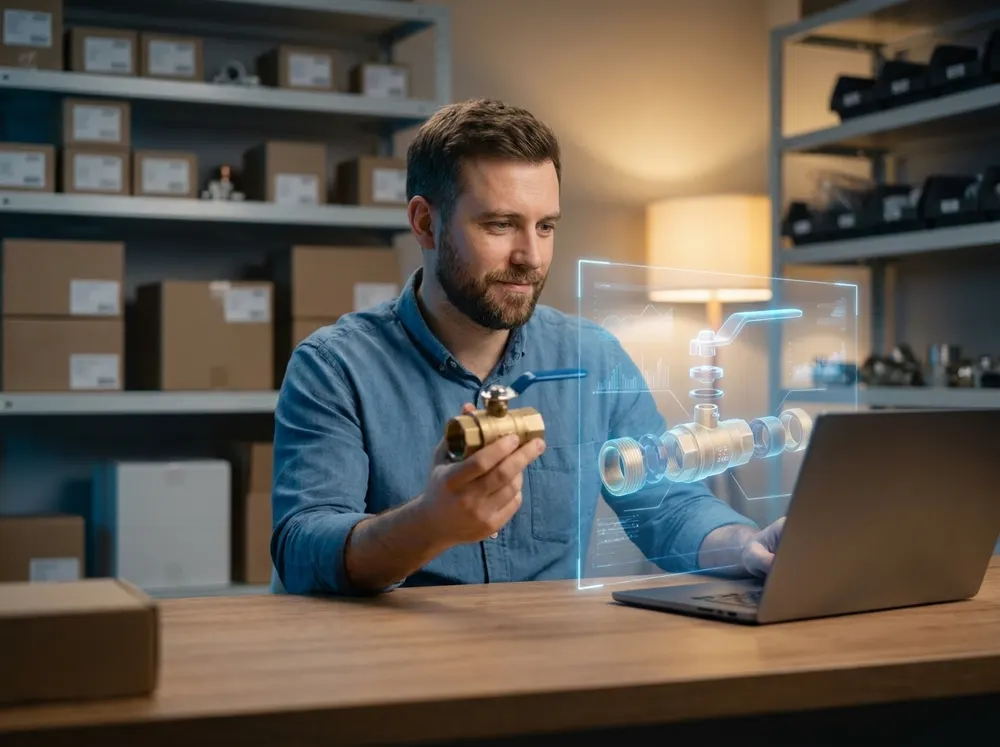
Inside sales gets an assistant that compares alternatives and proposes a complete order in response to a customer's question.
Linked to the wholesaler's own catalogue, product specifications, stock and customer history, a language model becomes an assistant for inside sales. Finding an alternative for a discontinued item becomes much faster. The interesting work is comparing and assembling. The assistant sets options side by side on price, quality, lead time and cost over their working life, then proposes the complete order: for a new restaurant kitchen, the equipment, tableware and cleaning products; for a building project, the materials and fixings. The member of staff and the customer choose what fits. With the assistant's help, a new colleague can put a proposal forward sooner.
- 04

Agents for inside sales
Agents answer delivery questions, draw up standard quotes and chase orders. Staff take over when something is out of the ordinary.
An AI agent completes a task by itself within agreed limits: looking up data, making a decision and taking the next step. Wholesalers already use agents for routine daily work: answering a customer who wants to know when a delivery will arrive, preparing a standard quote for familiar items, chasing a quote still open after a week or an unpaid invoice. Fixed limits on amounts and discounts set what the agent may do alone; unusual questions and large customers go to a member of staff. The next step is an agent that handles a complete customer request, starting with the technical question and moving through quote and delivery to the invoice, dealing with the customer's own agent along the way.
- 05

Smarter buying from suppliers
AI tracks suppliers' prices, lead times and reliability, and suggests when, where and how much the wholesaler should buy.
A wholesaler buys from hundreds of suppliers, each with its own prices, lead times and minimum quantities. AI tracks how reliably each supplier delivers, spots lead times creeping up and estimates where the prices of raw materials such as copper and plastic are heading. Based on forecast demand, it suggests when to order, from whom and how much, weighing volume discounts against the cost of holding stock. When something runs short, it looks for alternative suppliers or substitute items. The next step: the wholesaler's procurement agents request quotes from suppliers themselves and negotiate within fixed limits. Buyers then concentrate on strategic suppliers and scarce product groups, where the difference lies in knowing who can still deliver in a tight market.
The future of wholesale
Where wholesale could be in five to fifteen years, with AI as the engine.
- 06
 Future scenario
A market of procurement agents
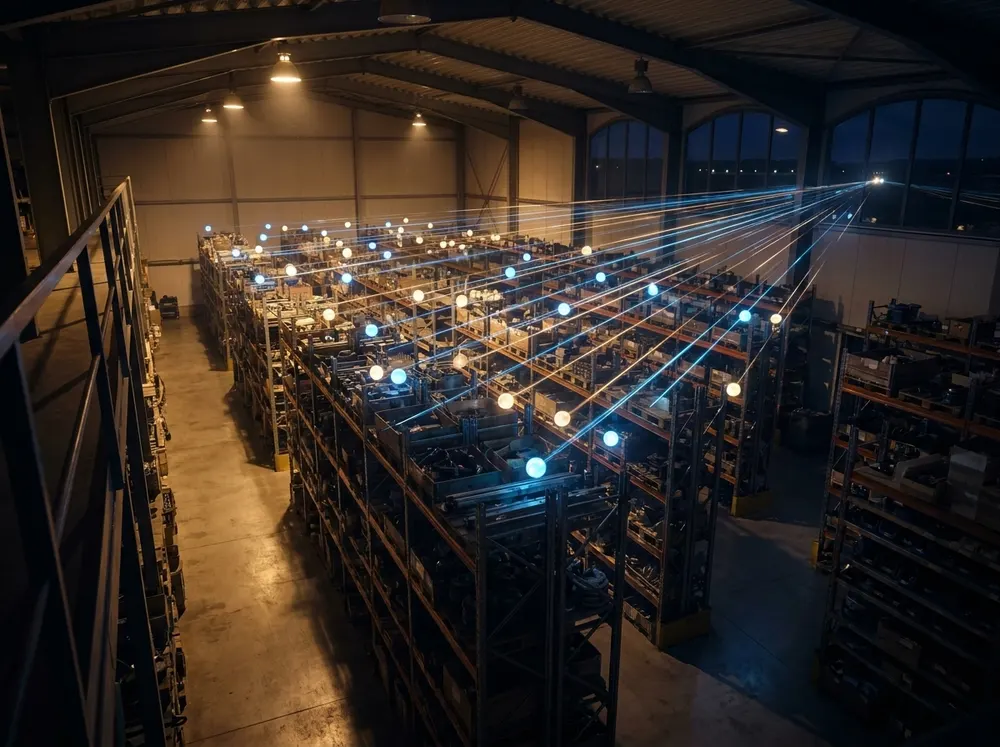
The customer's procurement agent will negotiate with the wholesaler's. Quotes are compared in seconds, day and night.
A procurement agent searches, compares and orders on behalf of a business, within a budget and the buyer's rules. Gartner expects nine out of ten business purchases to go through AI agents in 2028, although a person will often still approve the order. The next step is a market in which agents trade with agents. At half past ten at night, a restaurant's or builder's agent asks five wholesalers for price, stock and lead time; each wholesaler's agent bids within a second, with an alternative if the item is out of stock. The scenario for 2040: a large share of orders arrives without a person ever looking at them. Wholesalers then compete on data, speed and reliability, not on their shop window.
- 07
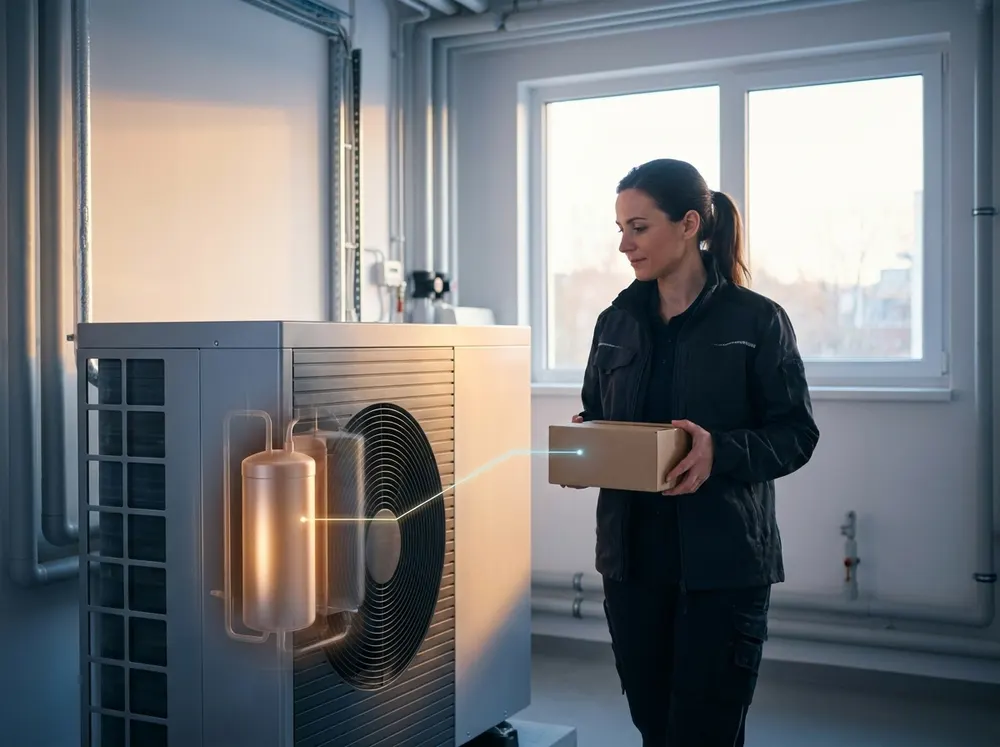 Future scenario
The product that reorders itself
Connected supply cabinets, cold stores and machines at customer sites see what is running low or wearing out, and order before anyone calls.
More and more equipment and storage at customer sites is connected: supply cabinets in workshops and hospitals, cold stores in restaurants, machines in factories. Sensors measure what is taken, used up or worn, and AI recognises when stock is running low or a part is due for replacement. Gartner puts the number of connected products able to act as customers at 15 billion by 2028. The scenario for 2040: a restaurant's store cupboard reorders whatever runs low, a factory's packaging machine requests a wear part three weeks ahead, and the delivery arrives before anyone notices. For the wholesaler, demand shifts from rush orders to predictable flows, and the device at the customer's site becomes a customer with its own ordering pattern.
- 08
 Future scenario
Three futures for the middleman
Logistics provider, platform or solutions provider: three scenarios for wholesale in 2040, each with a different business model.
Manufacturers deliver direct, platforms bundle supply and buyers arrange more and more themselves: according to Gartner, two thirds of business buyers prefer to buy without a sales rep. That leads to three scenarios for 2040. In the first, the trading role disappears: customers' agents order straight from the factory, and the wholesaler only handles logistics. In the second, the wholesaler becomes the platform, with the range of hundreds of suppliers and the customer knowledge that manufacturers lack. In the third, it sells solutions: a kitchen that keeps running, stock that matches consumption, a project finished on time. The scenarios are not mutually exclusive; a different one may win in each product group. Which one wins decides what the wholesaler will be worth.
- 09
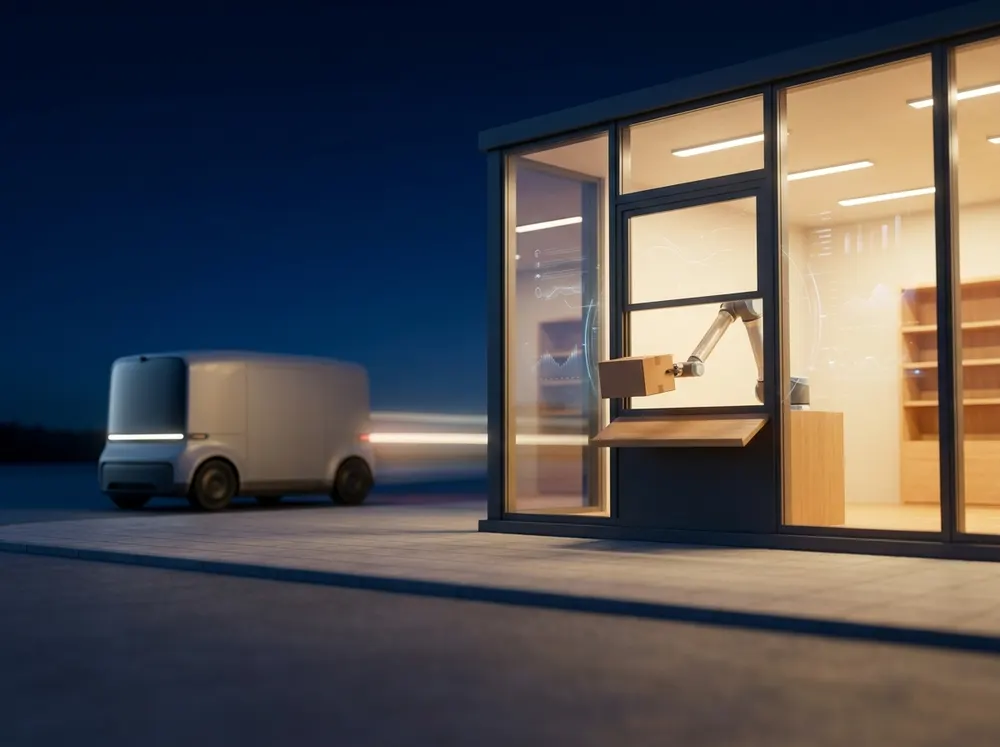 Future scenario
The branch that never closes
By around 2040, robots could hand over orders day and night and self-driving vans restock regular customers, leaving staff more time to advise.
Unstaffed collection lockers and night-time delivery to regular customers already exist, as do warehouses where robots do most of the work. The next step joins the two. The scenario for 2040: a branch without fixed opening hours, where a robot hands over the order within a minute and AI predicts, region by region, what customers will need tomorrow. At night, self-driving vans call on regular customers and top up whatever the system has seen dwindle. The customer starts the day fully stocked and mainly visits the branch for advice, a demonstration or a new product. The counter turns from a collection point into a meeting place.
- 10
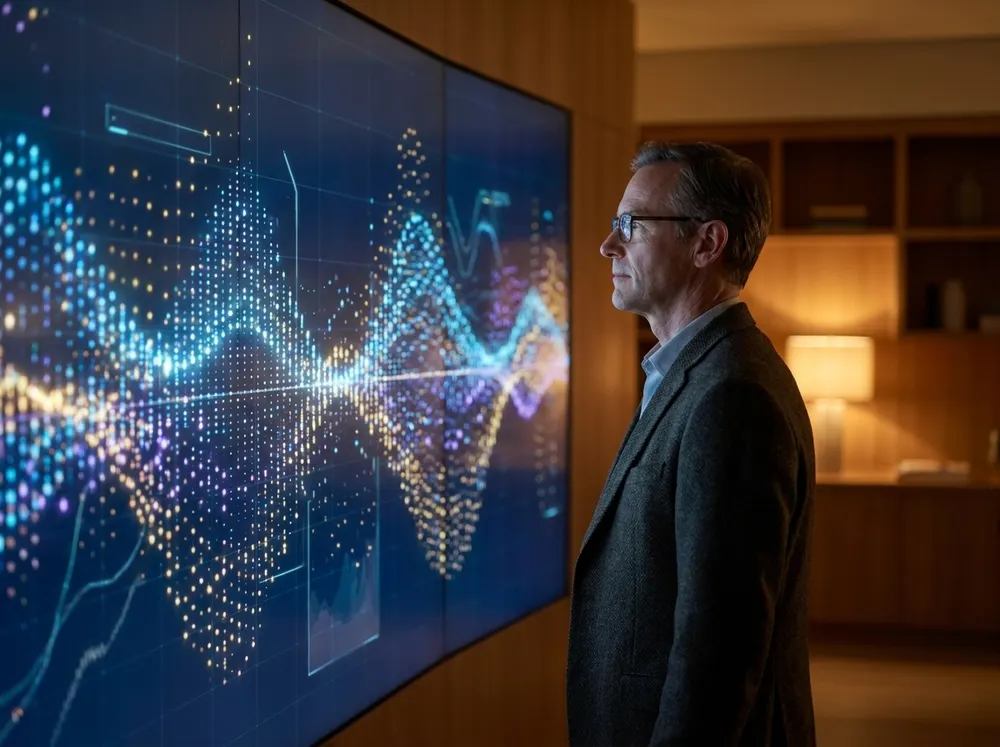 Future scenario
Trading in forecasts
Wholesalers see demand patterns across customers and brands. Soon they will sell forecasts to manufacturers, alongside their products.
Every day, a wholesaler sees what thousands of installers, builders or restaurants buy, in which region and in what combination. That reveals demand patterns across brands that a manufacturer cannot fully read from its own orders. In retail, selling such insights to brands is already an established source of income; in wholesale it is just beginning. The scenario for 2040: AI forecasts what will be in demand per region and product group over the coming quarters, based on orders, permits, energy data and building plans. A manufacturer buys that forecast to plan its production. Market knowledge becomes a product with its own price, and the wholesaler also earns from what it knows.
- 11
 Future scenario
The five-person wholesaler
With agents for purchasing, sales and administration, a small team can serve a niche market across an entire continent.
For a specialist wholesaler, in parts for one type of machine or materials for restoration work, growing internationally takes extra capacity for languages, sales and administration. Agents can take over much of that work. Gartner expects 15 per cent of day-to-day work decisions to be made autonomously by agents as early as 2028. The scenario for 2040: a team of five people with hundreds of agents, drawing up quotes in twenty languages, buying from suppliers worldwide, handling customs paperwork and chasing payments. The five do what people are good at: understanding the customer, choosing suppliers, making decisions. A niche wholesaler becomes an international business, and the next competitor may come from the other side of the world.
AI gives wholesale the chance to reinvent itself, with new markets and new services. People who stay curious and dare to try things together turn that chance into reality.
Richard van Hooijdonk
The wholesale organisation of the future
What AI asks of roles, teams, leadership and culture in wholesale.
- 12
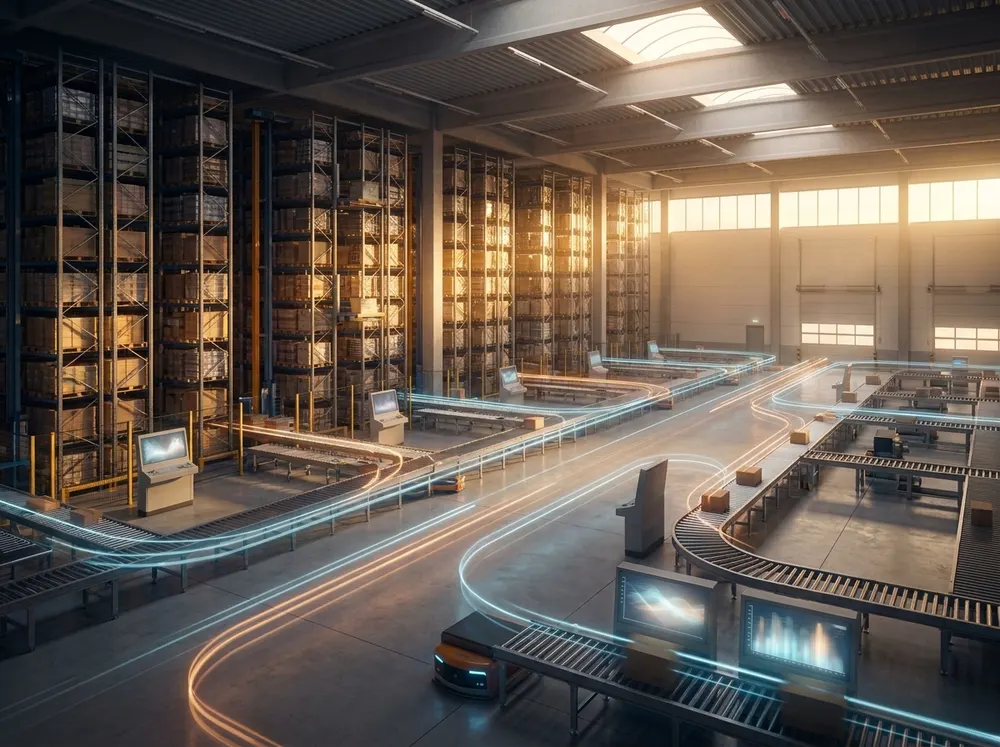
The AI-first organisation
Processing orders, drawing up quotes, forecasting demand: AI does the work people need not do. Inside sales focuses on advice.
An AI-first wholesaler lets AI do the repetitive and predictive work that people need not do. Handling requests, drafting proposals and keeping data up to date go through AI wherever possible. Staff focus on the customer with a difficult problem, the question no manual answers and the negotiation with a large customer or supplier. AI runs the recurring calculations and produces forecasts. A scenario for 2040: the same team handles far more requests. The wholesaler becomes a partner to its customers, with staff discussing which products and delivery times fit their plans.
- 13

Account manager with an agent
An agent tracks quotes and ordering patterns and raises flags. The account manager has more time for the conversations that matter.
An account manager in wholesale often looks after dozens of customers, and not every customer gets the same attention. An agent follows all of them: orders, open quotes, complaints, payments and shifts in ordering behaviour. It prepares a visit with an overview and a few proposals, and settles small matters itself. The account manager holds the conversation in the customer's workshop and agrees the terms of a large project. Soon the account manager will also face a counterpart that is not human: the customer's procurement agent. The account manager's work then shifts to agreeing what that agent may buy from the wholesaler, and on what terms.
- 14
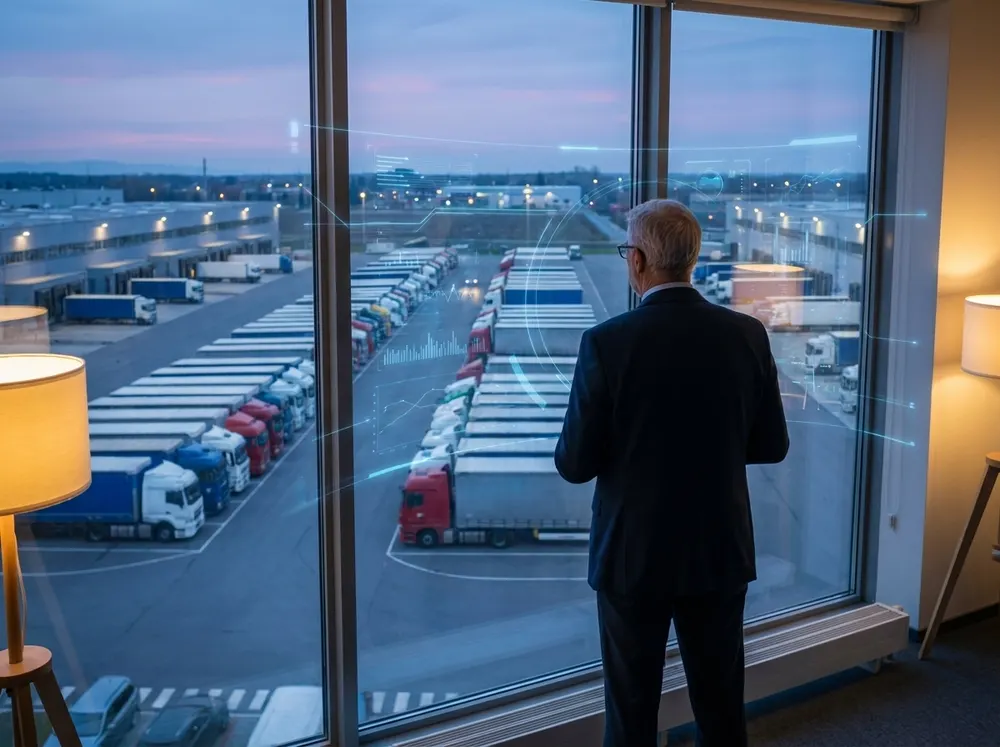
Leading as the middleman changes
Wholesale leaders take the initiative on AI. They motivate their people and give them room to shape tomorrow's wholesale business together.
Leadership in wholesale means moving ahead while the daily orders keep coming in. Leaders take the initiative on AI and new technology and set out a picture of the future for the whole organisation. They encourage their people to help build it, and show experienced staff that their knowledge of customers and products is indispensable. Staff who have doubts also get room to have their say about the company's future. Leaders are honest about what is changing and dare to decide before everything is certain. That is how they build tomorrow's wholesale business together with their people.
- 15
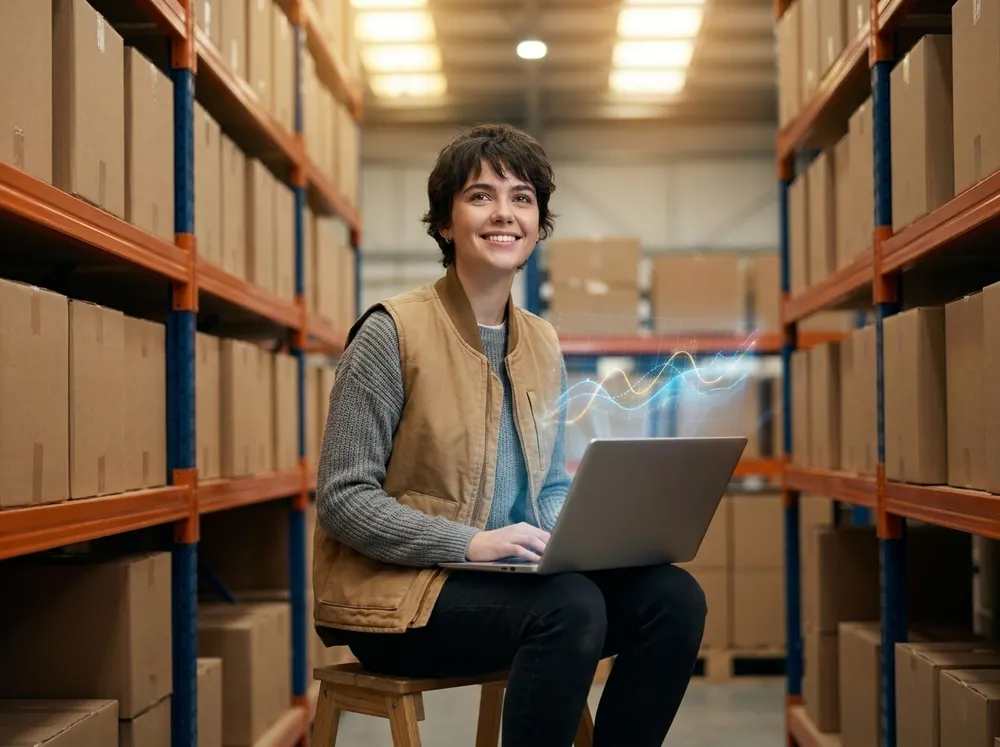
Beyond shifting boxes
A culture of relationships and experience opens up to data and digital sales. Willingness grows through success in small steps.
Wholesale is a relationship business. Many staff have known their customers for years and know what they need before they call. That experience is valuable, and new ways of working ask staff to combine it with suggestions drawn from data. A sales rep who speaks to a customer every week does not immediately see why a system should suggest whom to call. Willingness often grows from what staff see change in their own work, such as a quote ready in five minutes rather than an hour. When testing, experienced people are often the first to see where the system misses how things work in practice, and their judgement is what makes it better.
- 16
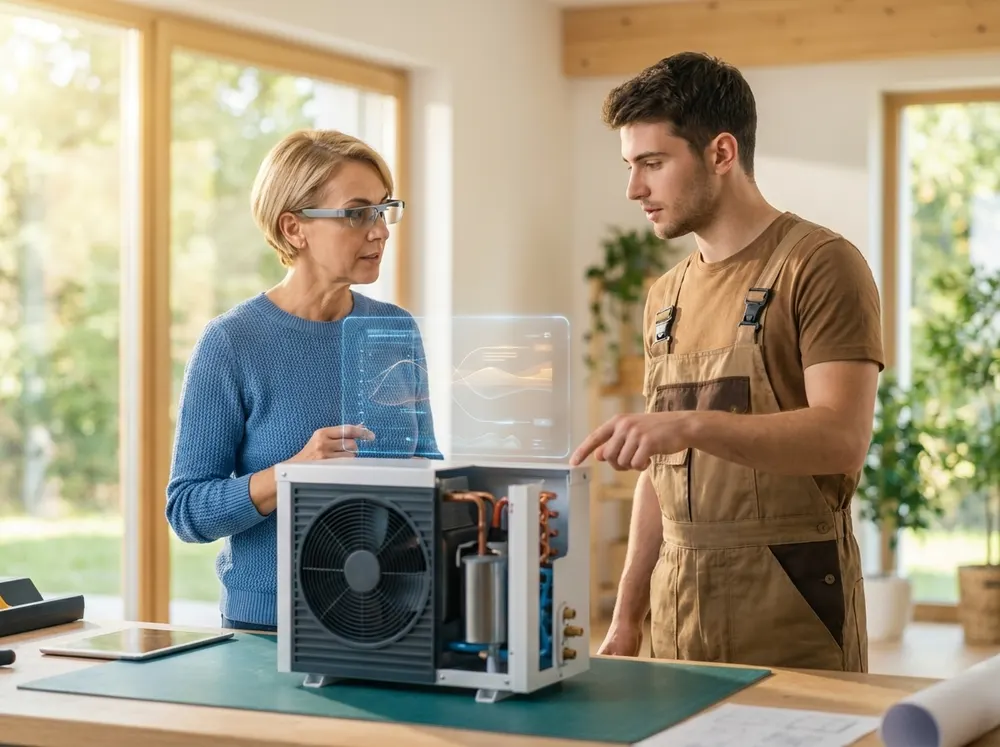
The future academy
A future academy connects practical know-how with AI and new technology. Experienced staff and newcomers practise there together.
A four-year course cannot keep up with the pace of AI. So organisations take learning into their own hands, in a future academy, without waiting for the education system. Current staff learn how AI and new technology change their work and how to work alongside agents. New staff practise with the organisation's own applications and ways of working. Leaders learn to make choices about work that is increasingly done by people and machines together. That way, the organisation builds its future with the people it already has.
- 17
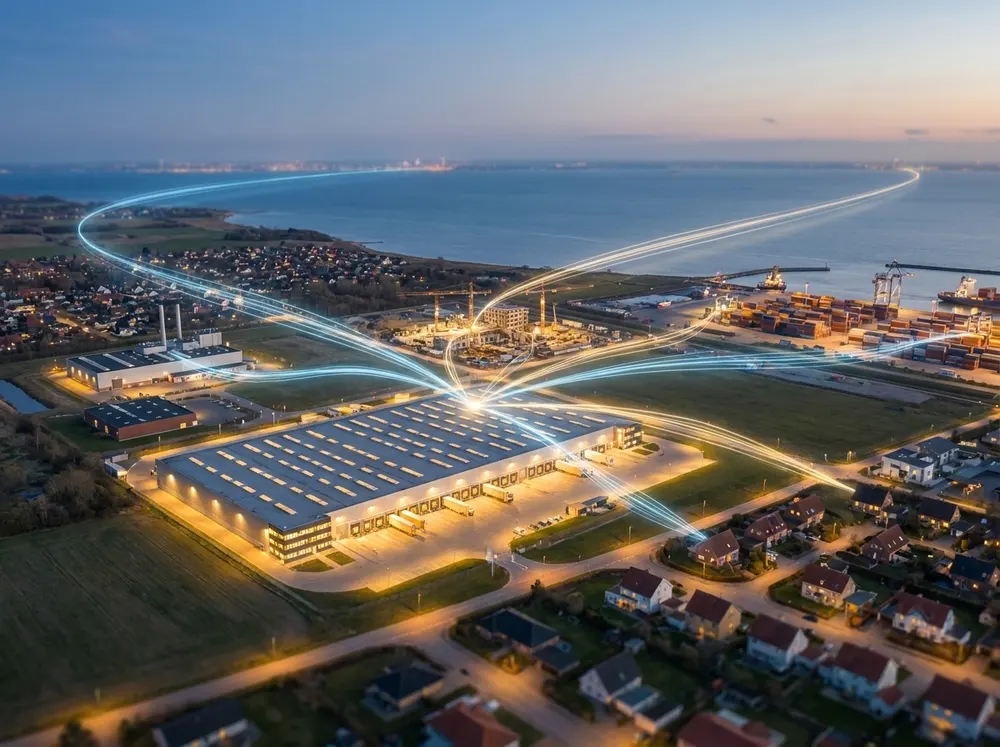
Into the future as an ecosystem
Partners, governments, start-ups and researchers around the world work together on challenges too big for any one organisation.
In an ecosystem, an organisation draws much of its value from the parties around it. Partners bring practical knowledge, start-ups bring new technology and researchers study what it delivers. Governments help build shared facilities, such as digital trade documents and agreements on data. Alliances combine the strength of independent organisations and develop AI applications together. Across the border, organisations already have experience with agents and new business models; whoever learns from them moves ahead faster.
The other side responsibility and risk
Data, reliability and the criminals who know the trade too.
- 18

Data as the foundation
An AI-first wholesaler links data from purchasing, sales, warehouse and finance. Separate systems give AI fragmented, sometimes conflicting answers.
An AI-first wholesaler lets AI forecast demand, draw up quotes and handle orders across departments. That only works when data from every department is available and connected: product data, stock, purchase prices, customer agreements, orders, payments and customer contact. Often it sits in separate systems, each with its own codes and definitions. Sales then cannot see what is in transit, and purchasing does not know which customer has announced a large project. An agent drawing up a quote is missing half the story. Connected, consistent and current data is the base on which AI can work across the whole organisation. Customers' procurement agents also use the product data the wholesaler makes available, and an item with incomplete data can drop out of their comparison.
- 19

When agents trade with agents
What a sales or procurement agent may commit to, up to what amount, and who is responsible when two agents strike a bad deal is still open.
Sales and procurement agents will soon be able to exchange data with each other and prepare an order, or even close it. That raises questions nobody has fully answered yet. What discounts may an agent give, up to what order value may it confirm on its own, and which delivery terms may it accept? One error in a price table can produce hundreds of orders at the wrong price in a single night. And agents can be influenced. In a trial on a simulated market, with a hundred customer agents and three hundred business agents, every model tested strongly favoured the first offer. Whoever responded fastest therefore won more often than whoever was better, and the agents proved vulnerable to manipulation and hidden instructions.
- 20

Purchasing and payment fraud
A cloned voice of the managing director, a flawless phishing email, ransomware in the warehouse: AI helps criminals target orders and payments.
Wholesalers handle large numbers of orders and payments and hold data on thousands of customers and suppliers. New technology gives fraudsters smarter ways to get at that information: a phishing email that sounds like a regular customer, an AI-cloned voice of the managing director asking for an urgent payment, and AI that helps find weak spots in online shops and systems. Ransomware can bring the warehouse and order processing to a halt for days. The same AI that helps inside sales answer a customer's question helps a fraudster write a convincing email in that customer's name. With AI in the picture, good security belongs at every step in the chain.
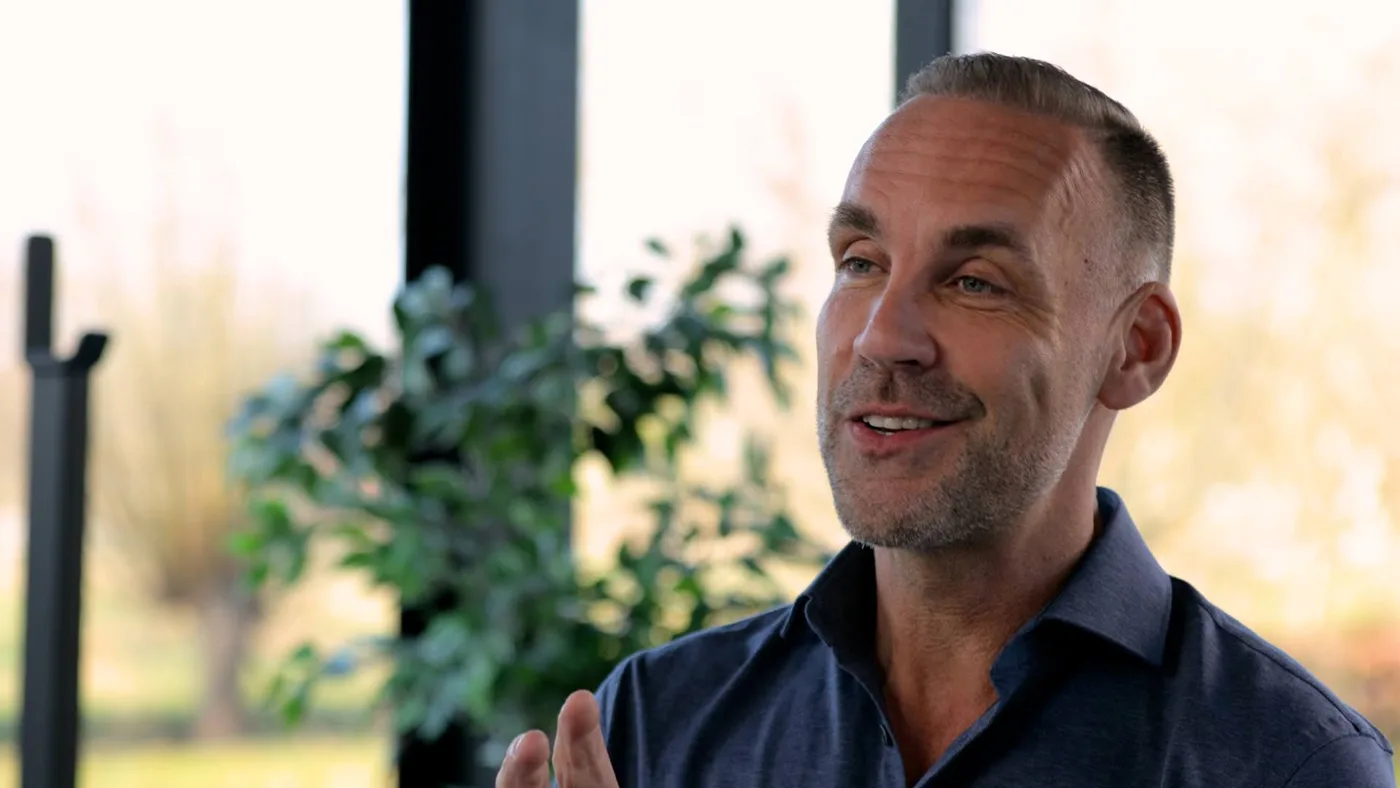
About the speakerRichard van Hooijdonk
Events in EuropeKeynote speaker for corporate events in Europe
On stage
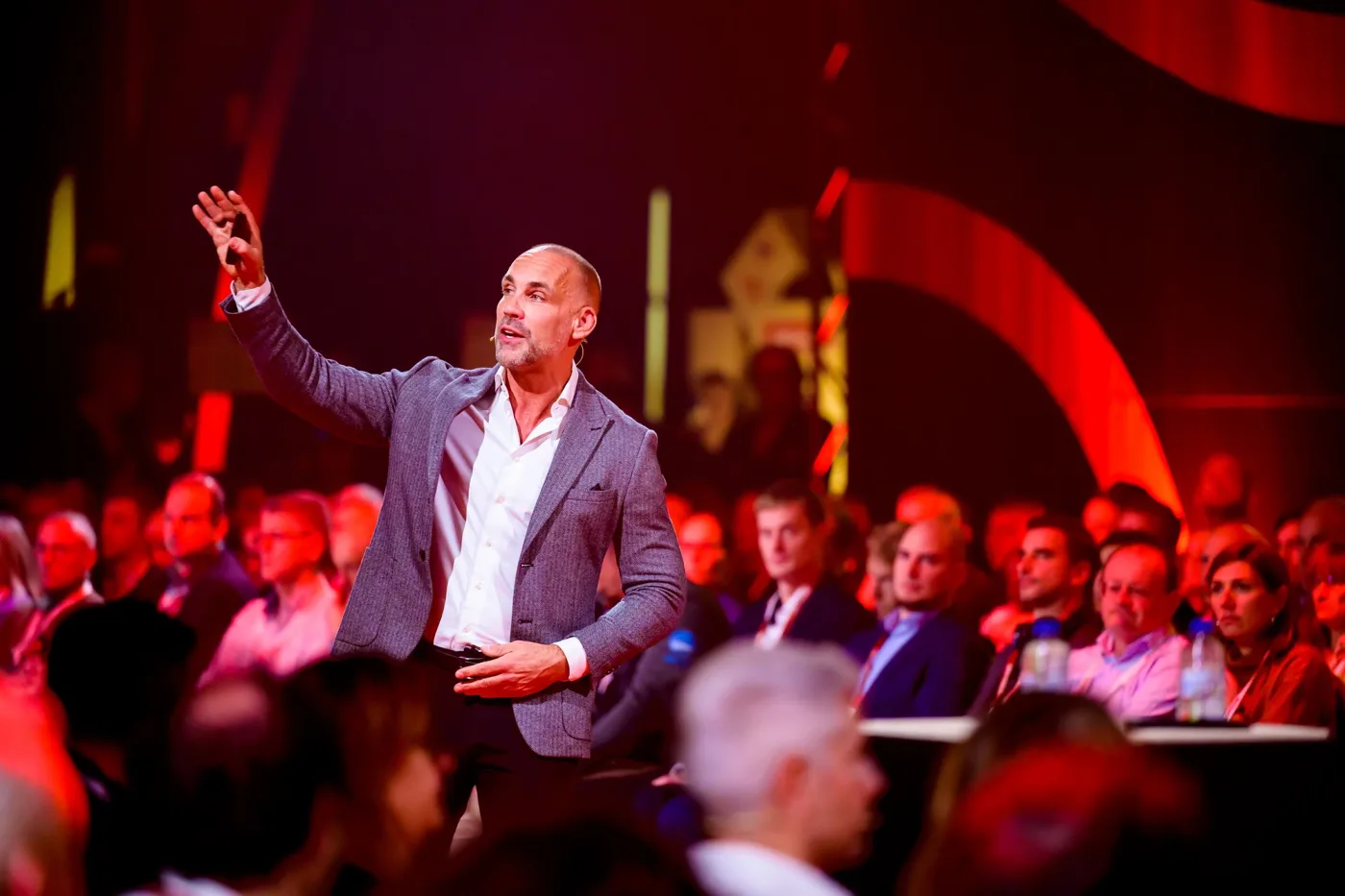
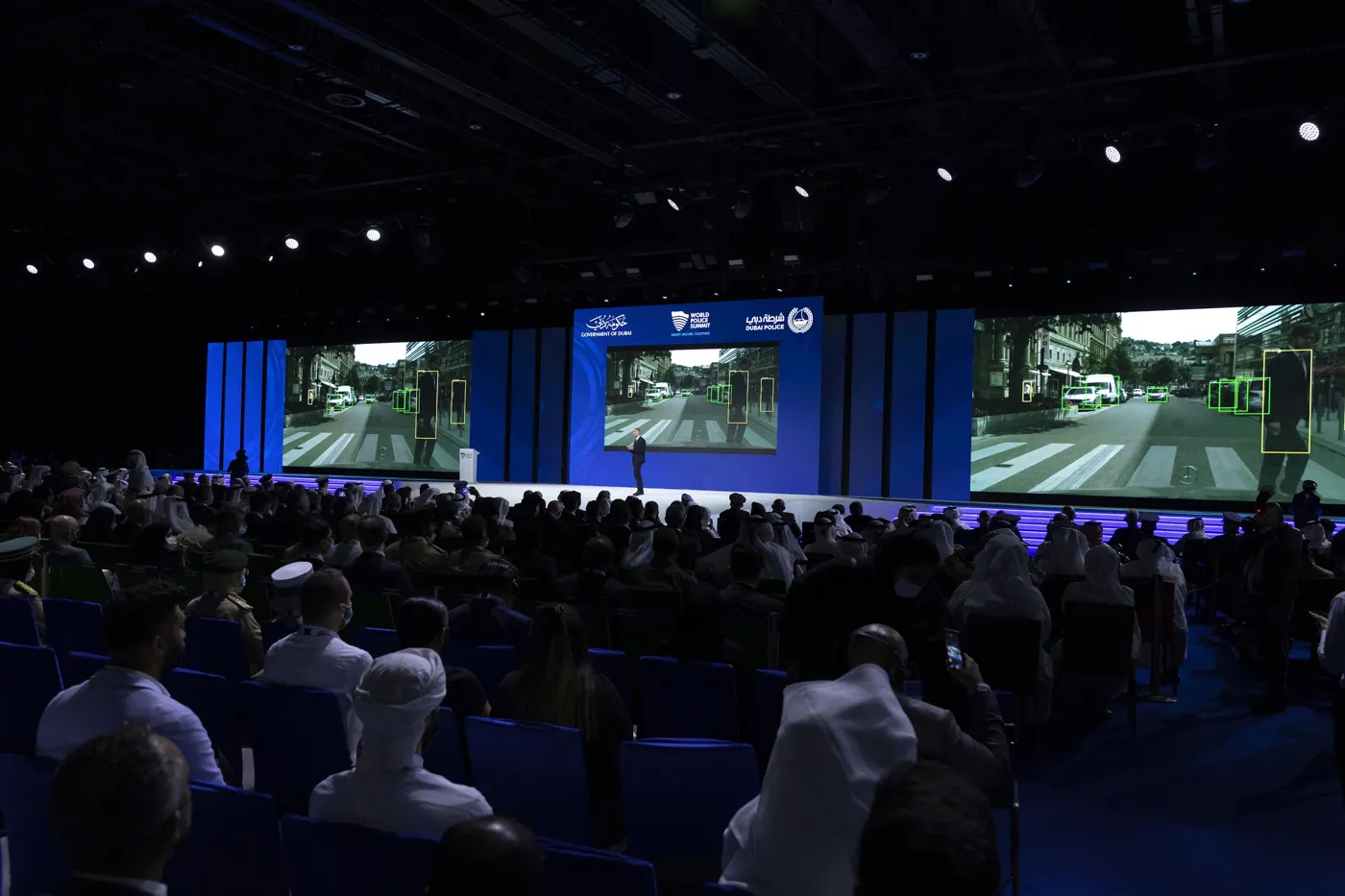
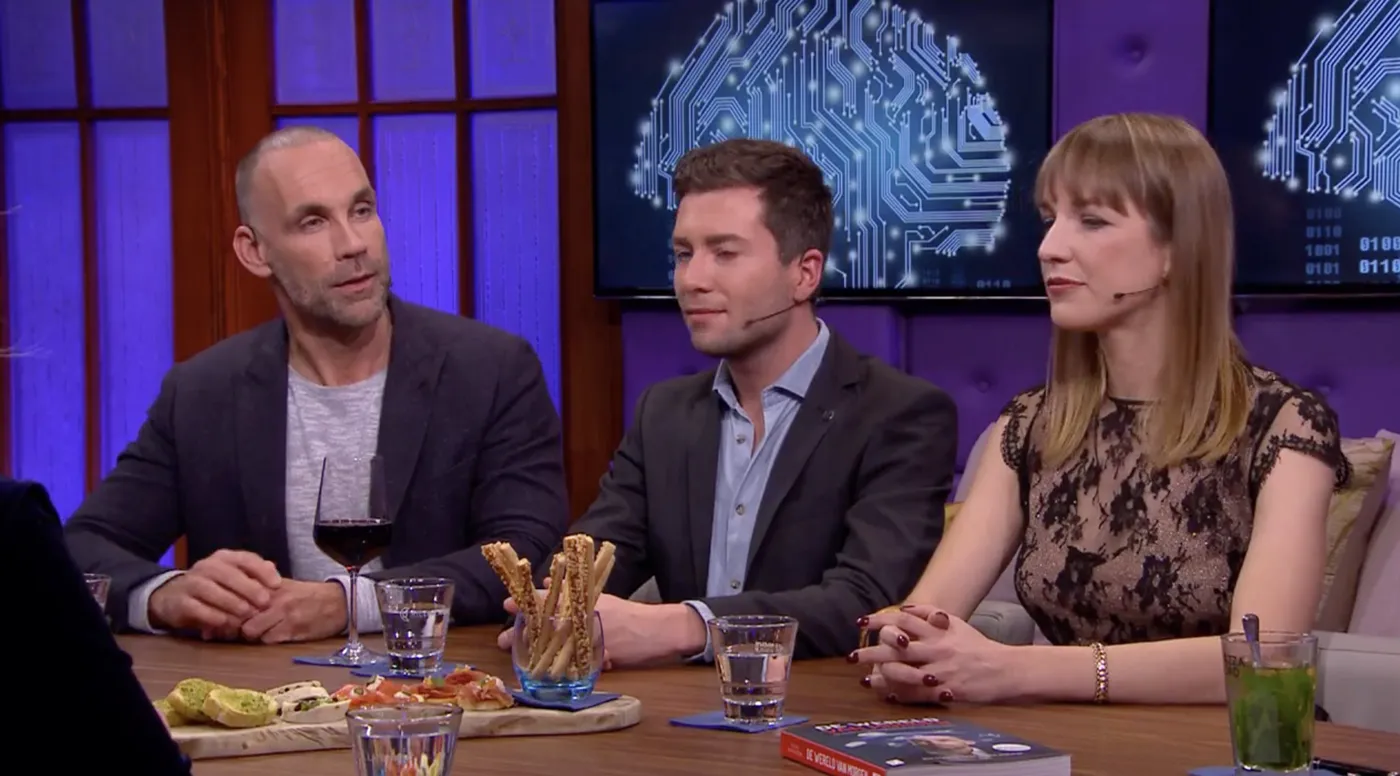
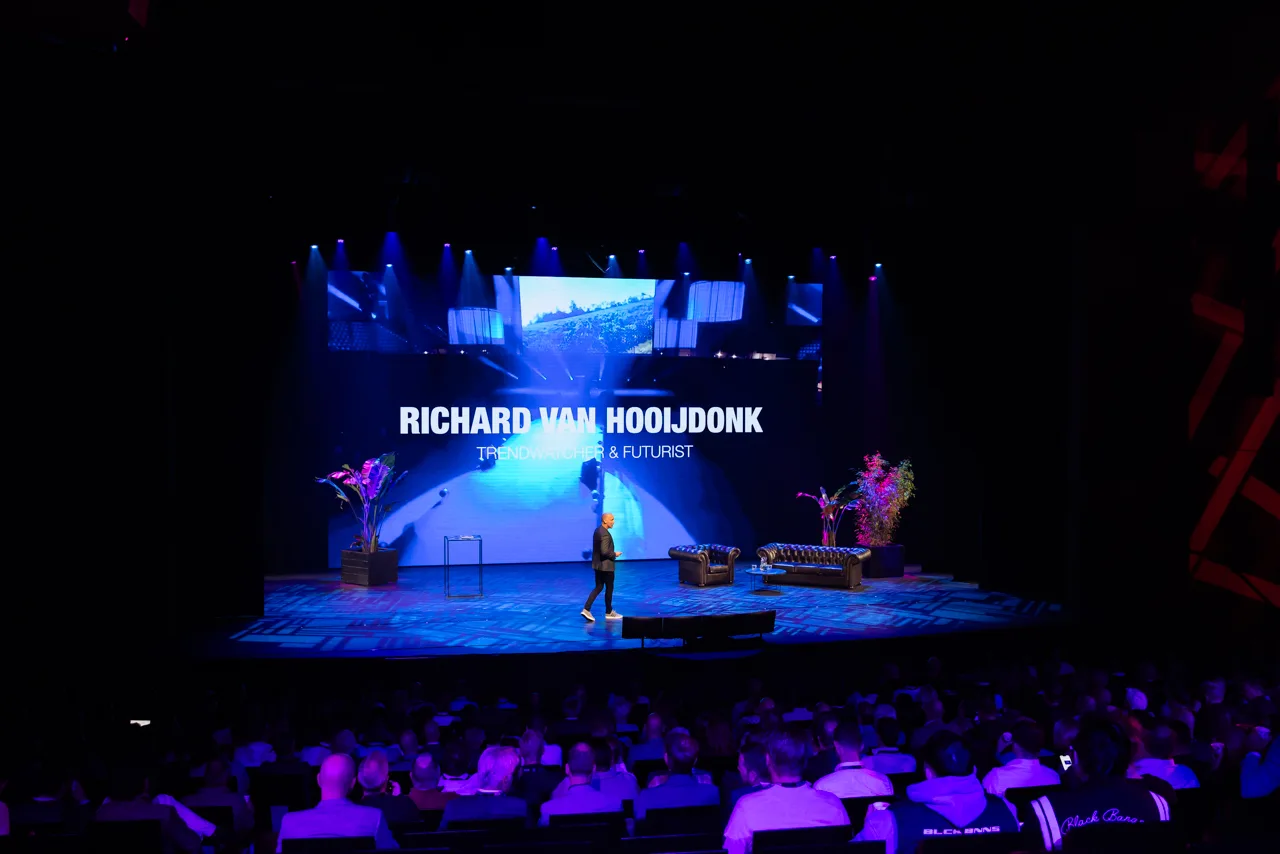
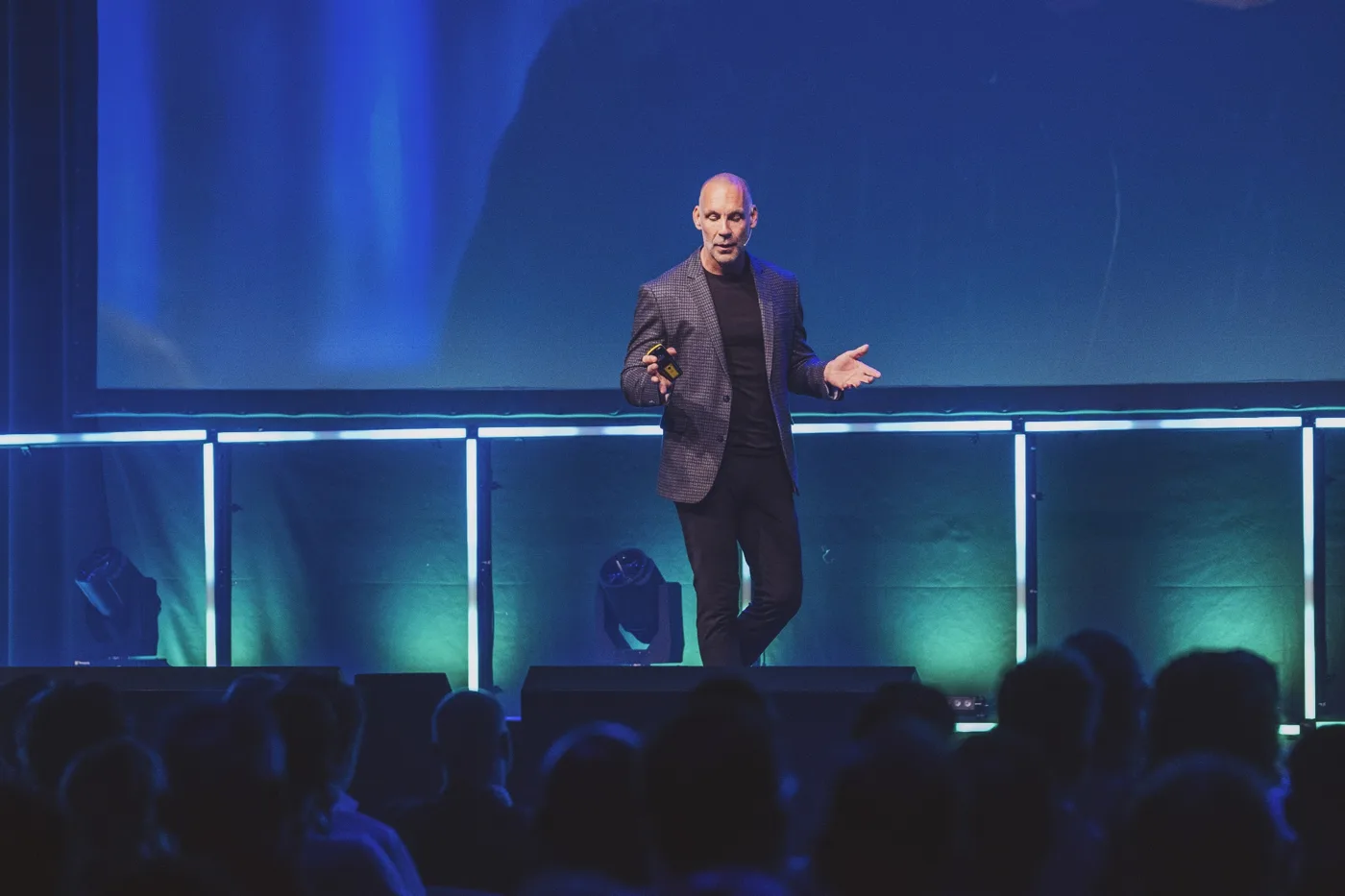
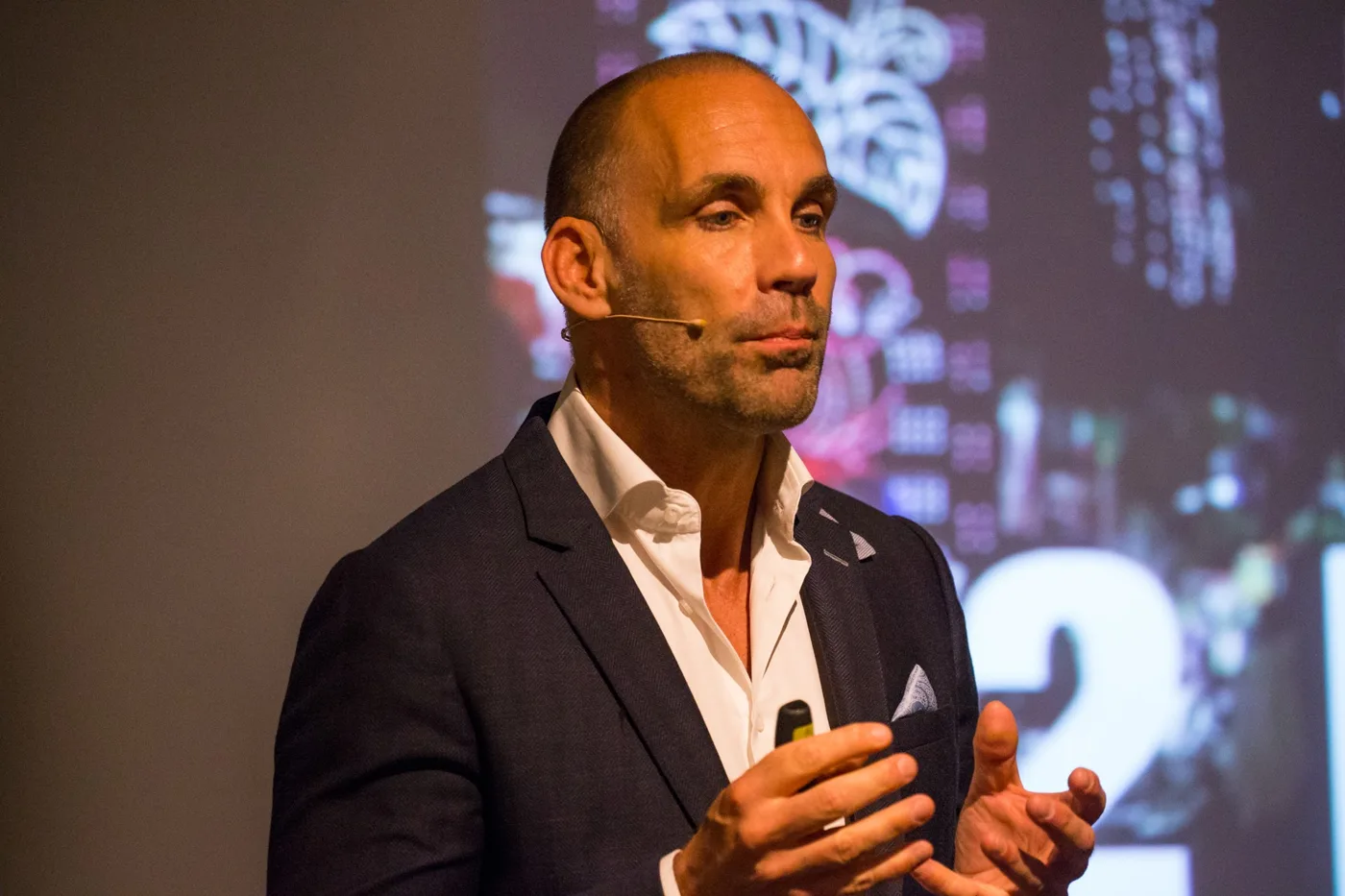
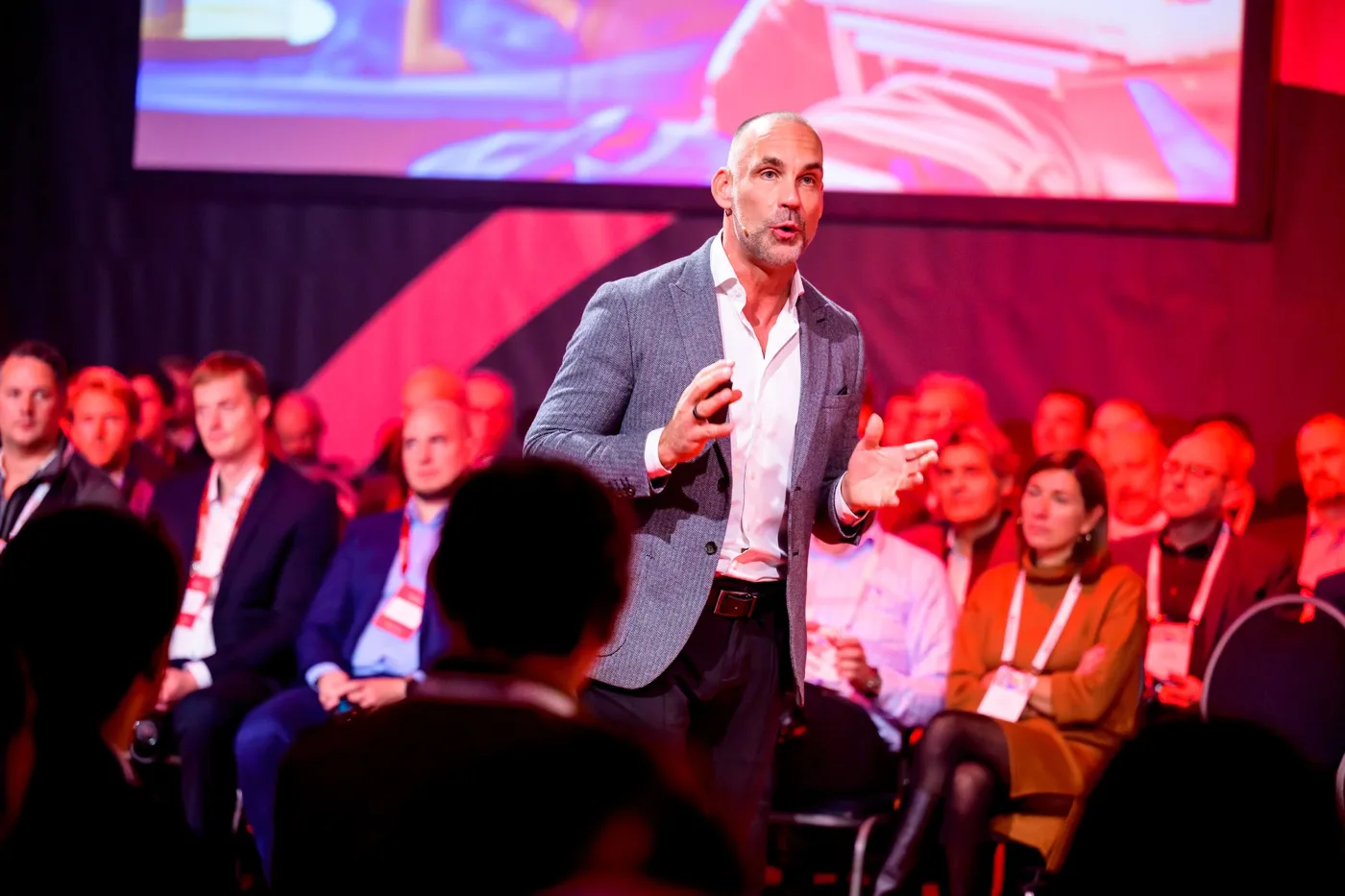
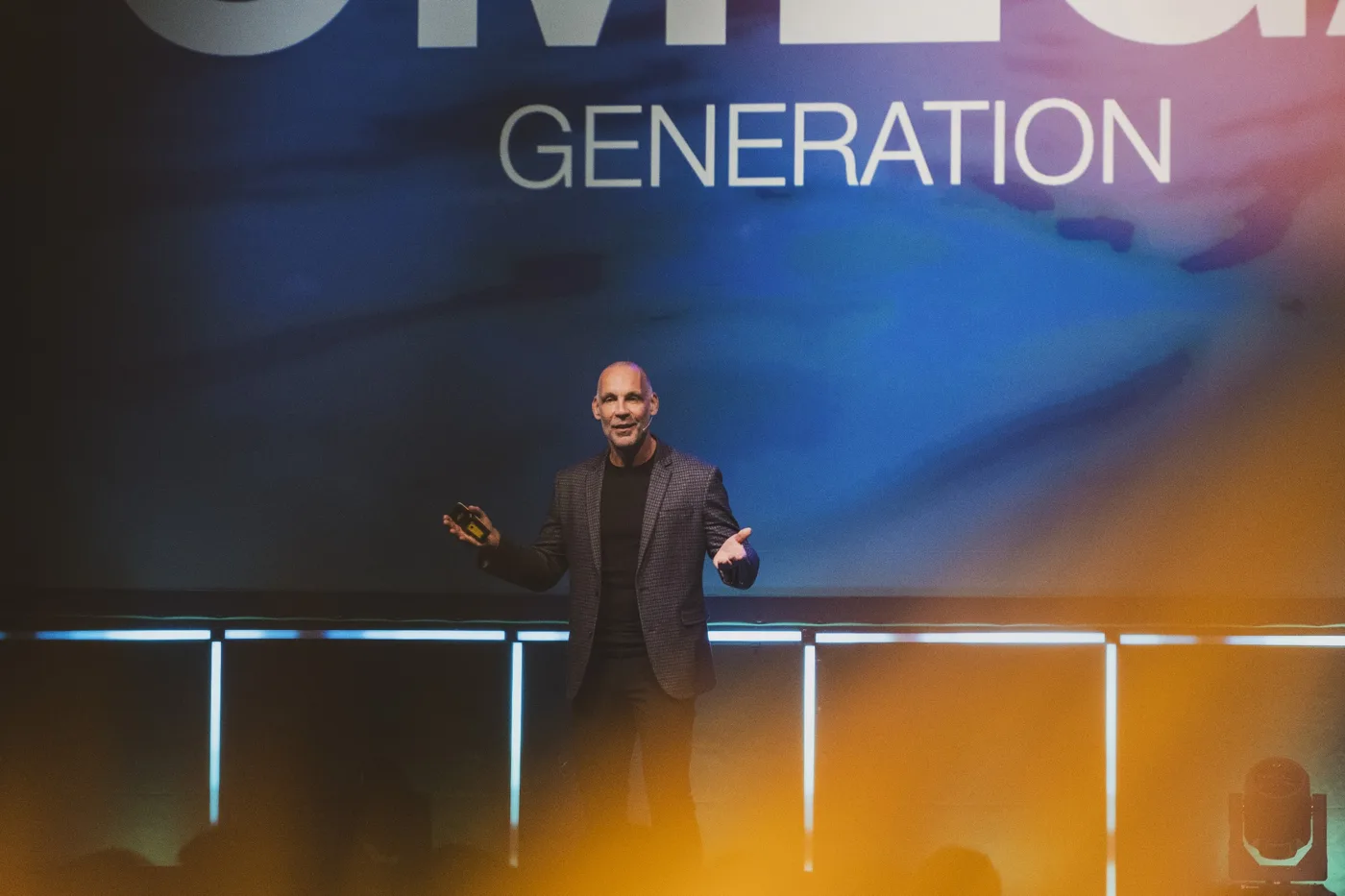
A packed conference hall, a televised panel discussion, a police summit in Dubai.

A selection of over 400 clients















What clients say

“Enthusiastic speaker, a good and versatile story. Everyone was ‘wowed’ by the lecture.”Read the full review →
“With your presentation you awakened the customs organisation. At the end of the day it turned out that your presentation had made the biggest impression. You made sure the issues were put on Strategic Management’s radar.”Read the full review →

“Richard delivered an excellent presentation for the key clients we invited to Innovation Runway 2026. Engaging, interesting content, and thought-provoking statements made his presentation perfectly suited for our top relations.”Read the full review →

“Great keynote that really opened our eyes. Sparkling and energetic, from beginning to end. Thanks Richard, for showing us this different view of the fitness market and its future.”Read the full review →

“A dazzling journey through new technology. The enthusiasm and energy during his presentation, combined with the visuals, provided a successful kick-off to our event.”Read the full review →
How a booking works
Your request
Use the form, or get in touch by phone, email or WhatsApp. A few lines are enough to get started.
We get in touch
We'd like to hear what your event looks like, who'll be in the audience and which themes interest you.
A written proposal
Covering the topic, format (on location or online), length (30, 45, 60 minutes or longer) and fee, so you can talk it over with your colleagues.
Getting to know Richard
Next, we'll find a time for the two of you to talk and brainstorm the keynote, the topics and the format. There's no charge for this.
Frequently asked questions
Who is this keynote for?
Wholesalers and distributors in technical supplies, installation, building materials, food, industry, medical products and consumables, buying groups and trade associations, and manufacturers who sell through wholesale. The audience often mixes the board, purchasing, sales, inside sales and logistics; the keynote is made for that mix. It also works for events for staff, customers and business partners.
What will the audience take away?
An up-to-date picture of what AI already does in stock, pricing, order processing and customer contact, and scenarios for the next five to fifteen years: procurement agents trading with agents, products that reorder themselves, the branch that never closes and the five-person wholesaler. What that means for roles, teams, leadership and the business model. And a clear view of the risks, so that the conversation afterwards is about choices rather than hype.
Does the keynote also cover the organisation itself?
Yes, and that is often the main focus: what inside sales does when orders process themselves, which new roles a wholesaler needs, how a culture of relationships makes room for data and what that asks of leaders. Roles, teams, leadership, culture and training each get their own part of the keynote.
Does the keynote cover criminals using AI?
Yes, always. Criminals use AI to make fake invoices and emails more convincing, to clone a director's voice and to create convincing websites and documents for bogus companies that order on credit. That other side has its own place in every keynote, as does the way AI helps to spot this kind of fraud.
How far along are customers' procurement agents?
Further than many wholesalers think. Business marketplaces already let agents negotiate with suppliers, and Gartner expects nine out of ten business purchases to go through AI agents in 2028. The keynote shows what such agents already do, what they need from a supplier to include it in their comparison, and how the market changes when agents trade with agents.
Is the keynote tailored to our organisation?
Yes. Beforehand there is an introductory call about the audience, the purpose of the event and what is happening in your organisation. A buying group's conference gets different examples from a technical wholesaler's board day or a foodservice distributor's customer day.
How long is the keynote, and can it be in English or online?
30, 45 or 60 minutes, and longer if you wish, with time for questions from the audience, in Dutch or English, in person or online, including at international conferences. For more than a keynote, there are masterclasses, boardroom sessions for the board and managers, and workshops for all employees.
What does a keynote on AI in wholesale cost?
Fees for international keynotes are on request. Ask for a proposal and you will hear from us within an hour on working days.
Interested in a keynote for your wholesale event?
Tell us in a few sentences about your event and who will be in the audience, and let us know the date.
Prefer to speak to us directly? Call 085 303 0792 · email talks@vanhooijdonk.com · send a WhatsApp message