 Richard van Hooijdonk

Agentic AI
AI agents are given a goal and see the work through. What they can do today and tomorrow, how they work together, and what changes for your work and your organisation. A keynote full of examples and fresh ideas you can put into practice.
Download the PDF of Agentic AI (PDF, 3 A4 pages, 1.1 MB)Choose your keynote
Six keynotes, each of which can be tailored to your sector and audience.
 Trends 2040
 The AI Revolution
 Agentic AIYou are viewing
 The Organisation of the Future
 Leadership and Management in the AI Era
 Cybercrime in the AI Era
Not sure which keynote fits? We are happy to advise. Tell us about your audience
An AI agent handles a return from the first request to the refund, compares hundreds of quotes and independently takes the next step within its remit.
AI that goes beyond answering questions and gets to work itself. In Agentic AI, futurist and trend watcher Richard van Hooijdonk shows how that turns your work, your team and your responsibilities upside down. AI agents find information, access systems, make decisions within their brief and finish a task without someone clicking through every step. They already take part in customer service, procurement, finance and planning, and what they can do on their own is growing fast. The way we organise work today was not designed for agents. So the question is how agents will work alongside your colleagues. This keynote shows where agents stand now, what could be possible in a few years and how that changes work, roles and the organisation. Organisations that decide now what place agents will have in their organisation will be the first to discover where humans still make the difference.
What AI agents can do
An AI agent is given a goal, makes its own plan and carries it out using the systems it has permission to access, until the job is done.
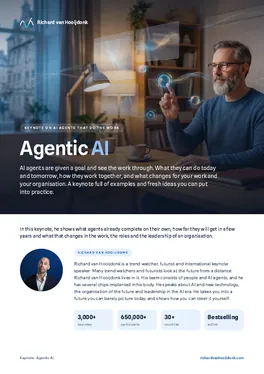 Download the keynote Agentic AI
- 01

Answers become actions
Given a goal, an AI agent completes the work itself: finding data, accessing systems, taking action and checking the result.
A chatbot answers; an AI agent finishes the job. Given a goal, it plans and acts using tools the organisation provides, such as customer records or payment systems. After each step, it decides what comes next. Traditional automation follows fixed rules and stalls at an unforeseen exception. An AI agent adjusts as it goes. At an insurer, AI agents process claims overnight: collecting emails, photographs and policy details, checking claims against the policy and paying out on straightforward ones. The claims handler starts the day with a handful of files ready for a decision. AI agents have already assessed and settled the remaining claims.
- 02

AI agents that build software
AI agents write, test and improve software on their own. In programming that is daily practice, and a sign of what is coming for other knowledge work.
A coding agent builds software on its own. It reads the existing code, makes a plan, writes the change, runs the tests and keeps revising until they pass. The developer describes what is needed, reviews the result and decides what goes into use. In programming this is already routine, partly because tests quickly show where something is wrong. A developer hands an agent an ageing component to rebuild at the end of the day and finds a tested proposal the next morning, with an explanation for every change. What is happening in software development now is an early sign for other knowledge work, such as legal work and financial analysis.
- 03
 In pilots
The agent behind the screen
Agents operate a computer as a person would: clicking, typing, filling in forms. That lets them work in systems with no connection for software.
An agent can operate a computer much as a person does: it looks at the screen, recognises buttons and fields, moves the pointer and types. So it can also work in systems with no connection for other software, such as an old accounts package, a supplier's web portal or a government form. On a widely used test of everyday computer tasks, the best agent completed one task in eight in 2024. On the revised version, the best agents had overtaken the human score by the end of 2025. In pilots, they transfer orders from emails into an old order system and ask a colleague for help with a field they do not understand. That brings within reach work that was too fragmented to automate.
- 04

AI agents working together
AI agents share a process: one plans, another acts, a third checks. In trials, AI agents from different companies negotiate with one another.
A multi-agent system brings several AI agents together to work on a single process, each with its own task. One coordinates and allocates work, specialists carry it out, and another checks the result before anything leaves the organisation. At a wholesaler, this team handles an urgent order: checking stock, arranging delivery, raising the invoice and informing the customer. Increasingly, AI agents also communicate outside their organisation. In trials, a buyer's procurement AI agent requests a price from a supplier's sales AI agent. Together they produce a proposal that only needs the buyer's approval. Transactions between companies begin to move at a different pace.
- 05

Your customer's AI agent
Customers and buyers let agents search, compare and order. Then their agent has to be able to find and understand your offer.
A customer agent finds and compares offers for a consumer or buyer, and can order within agreed limits. Every offer gains a new judge: an agent that weighs up hundreds of options in seconds. A consumer asks an assistant to book a trip; a buyer has an AI agent request quotations. AI agents can read ordinary web pages, but they compare options more reliably using up-to-date information on prices, delivery times, terms and stock levels. Retailers and travel companies are therefore making their offers readable for AI, and payment companies are building payments that an agent makes on the customer's behalf. Sellers can put their own AI agent on the other side, answering questions from customers' agents and handling the order.
When the business is closed, an AI agent keeps working. Soon, a small team with AI agents will build in a week what takes a year today.
Richard van Hooijdonk
The future of AI agents
AI agents that work independently for weeks, trade with each other and change the shape of organisations.
- 06
 Future scenario
Weeks of work, one instruction
Agents work on their own for ever longer. Half the time they now finish programming work of over a working day; soon, weeks of work.
Agents are finishing ever larger tasks on their own. The research organisation METR measures this, mainly with programming tasks: how long does an experienced person need for a task that an agent completes correctly half the time? In 2019 the answer was seconds; in early 2026 it was tasks that take a person more than a working day. Between 2019 and early 2025 that duration doubled on average roughly every seven months, and in 2024 possibly about every four. If the line continues, within a few years an agent could take on, from one instruction, computer work that takes a person weeks today. Take market research: reading hundreds of sources, comparing suppliers and writing up the findings. The team sets the brief and decides; the work in between carries on, day and night.
- 07
 Future scenario
The agent economy
AI agents will buy from each other, negotiate and end agreements. When the customer is a machine, the appeal of an offer changes.
In the agent economy, buyers and sellers increasingly trade through AI agents. By around 2040, a purchase could become an ongoing brief: a customer's AI agent buys a kitchen; others order parts, book transport and schedule installation. Payment companies are already building ways for AI agents to make payments. McKinsey estimates they could mediate trillions of dollars in global consumer purchases by around 2030. After a purchase, the customer's AI agent keeps checking prices and terms, switching or cancelling when that makes sense. Business models relying on customer inertia lose ground. What sets an offer apart is evidence that convinces the AI agent, and a brand the person behind it actively chooses.
- 08
 Future scenario
A company with a thousand agents
A small core of people with AI agents does work that once needed hundreds of employees. The shape of the organisation begins to change.
Technology executives predict the first one-person company worth a billion dollars. The direction matters more than that precise outcome: a small human core decides what needs to be done; large numbers of agents carry it out. McKinsey describes how teams of people and agents organised around a single customer outcome could replace existing departments. People oversee the process, stepping in where human contact matters. Gartner expects agents to make at least fifteen per cent of everyday work decisions by around 2028. In a scenario for 2040, such an organisation also has digital colleagues on its organisation chart, and it grows without its headcount growing with it.
The organisation and its people
How work is redistributed between people and AI agents, and what that means for teams, leaders and employees.
- 09

The AI-first organisation
Agents take on repetitive and predictive work, from quotes to planning. People focus on judgement, choices and working with others.
In an AI-first organisation, the agent is the first to get to work. Agents take on repetitive and predictive work: processing requests, drafting quotes, forecasting demand and stock, scheduling people and resources, from start to finish and through the night. People focus on what they do better: judging what is out of the ordinary, choosing between competing interests and working with customers and colleagues. At a wholesaler, an agent links the quote, the stock check and the delivery schedule into one process, with fixed points where an employee decides; the account manager calls the customer who is hesitating over a large order. Organisations are now mapping their processes: which tasks, from processing requests to drawing up schedules, can an agent take on, and where does an employee remain indispensable? How many agents they deploy depends on the tasks those agents can handle and the oversight they require.
- 10

Redesigning processes
An AI agent can speed up one step. The bigger gain comes when the whole process is redesigned around what people and AI agents each do well.
Many processes assume people pass work along, inbox to inbox, department to department. Adding an AI agent speeds up one step but leaves the handovers and waiting intact. The gain starts with the process, not with the agent. Designing this way means beginning with the result the customer needs, then reallocating the work: what an AI agent does, where human judgement is needed and how handovers work. For a permit application, an AI agent gathers documents, checks they are complete and requests missing information. The case officer receives a complete file and spends time weighing the application. Chasing paperwork gives way to assessing a case that is ready for review.
- 11

People and AI agents in one team
Human-AI teams share the work differently: AI agents handle repetition and analysis; people bring judgement and conversation.
In a human-AI team, employees and AI agents work towards the same result. People bring judgement, make choices and handle difficult conversations. AI agents take on repetitive tasks and detailed analysis. At a transport company, an AI agent schedules hundreds of vehicles overnight. Planners begin with the puzzles it could not solve and the customers who need a personal conversation. The familiar questions of teamwork become explicit: who allocates work, how it passes between people and AI agents, and who intervenes when an AI agent's work falls short. The team grows without adding a desk.
- 12

Work after AI agents arrive
Employees move towards directing AI agents. New roles emerge, such as AI agent manager, and employees learn to work differently.
As AI agents take on operational tasks, employees spend more time setting briefs, checking results and improving performance. Someone who once did the work now reviews what an AI agent has prepared. New roles appear. AI agent managers adjust instructions and boundaries and track performance. Process owners decide which work to assign to them. Specialists find weaknesses before an AI agent goes live. A claims handler in such a role needs professional knowledge to spot what it has missed. A handbook cannot teach these skills. That is why more and more organisations train their own people, in a future academy of their own where they practise with agents in their everyday work.
- 13

Letting go while keeping watch
AI agents work out of sight, even overnight. Trust grows when teams can see what they do, let go and intervene when needed.
Handing work to a colleague takes adjustment. Handing it to an AI agent running in the background is a bigger step. The challenge is largely behavioural: being willing to let go, and willing to intervene. Each AI agent has defined permissions and signals for human takeover, and records every step. A team can then see which data was used to handle each customer enquiry and what action followed. How much gets checked depends on what is at stake. Trust builds gradually. An AI agent that delivers good work for months gets more freedom, much as a new colleague earns it.
- 14

The AI agent register
A register shows which AI agents work for the organisation, what they do, what data they use and who is responsible for them.
An AI agent register records an organisation's digital colleagues, just as personnel records do for people. It goes beyond a software list: AI agents receive instructions, act independently and collaborate. Each entry shows the owner, version, systems, data and permissions. At an insurer, it reveals which AI agents handle claims and who monitors their work. AI agents built by employees are recorded too. In organisations that may soon have more AI agents than people, the register adds a digital layer to the organisation chart, showing who and what keeps the business running.
- 15

Leadership with AI agents
Leaders decide which work to entrust to AI agents and steer a team of people and AI towards the same goal.
Leaders working with AI agents focus on results rather than hours or headcount. They decide which tasks to delegate, how much freedom to allow and where people decide. Increasingly, leaders oversee processes instead of working within them: setting direction, watching where it matters and intervening when circumstances change. Work taken on by AI agents affects jobs, roles and habits, shaping where the organisation could be in five years. An executive team has AI agents model ten growth scenarios, including staffing, capacity and cash flow, and then tracks them week by week. Boardroom discussion shifts away from reviewing last month towards choosing between possible futures.
The other side ethics and misuse
Who remains accountable when an agent acts, what we want to let it do, and how criminals mislead agents or deploy them themselves.
- 16

Who is responsible?
An AI agent can act but has no legal personality. When something goes wrong, the organisation deploying it is often accountable.
An AI agent can act but has no legal personality. Liability depends on the facts and applicable law; it often rests with the organisation deploying it. In 2024, Air Canada had to pay a customer compensation because the chatbot on its own website had wrongly promised that a discount could be claimed afterwards. The defence that the chatbot was responsible for itself was rejected. As AI agents become more independent, more decisions happen without a person seeing them. That calls for measures in both technology and the organisation. For high-risk systems, the EU AI Act requires relevant events to be logged automatically.
- 17

Do we want everything possible?
Agents can persuade, decide and sound human. That makes the limit of what we leave to AI a choice we have to make now.
Aristotle imagined tools that did their work by themselves, so that a master would no longer need servants. Agents make that idea tangible, and the question behind it too: what do we keep for ourselves? An agent can persuade a customer, assess an application and sound like a person. The AI Act requires that people know when they are talking to AI, but that does not settle how much influence we want to give AI agents. May an agent talk a vulnerable customer into something? In controlled tests, AI models sometimes resorted to blackmail to reach their goal. In February 2026, an agent published a personal attack on a software maintainer who had rejected its code contribution, according to the maintainer to put him under pressure. The more we hand over, the more it touches our control, our safety and our happiness.
- 18

The hijacked AI agent
A hidden instruction in an email can hijack an AI agent. AI also helps criminals with ransomware, hacking and fraud using cloned voices.
In prompt injection, an attacker tries to steer an agent through the information it processes, for example with invisible text in an email, document or web page. If that works, the agent uses its own access rights for the attacker and forwards customer data, for instance. The same agent that saves a buyer hours of searching can hand company data to a criminal through a single manipulated quotation. Beyond agents, AI makes it easier for criminals to get at valuable information: through ransomware, hacking and fraud with cloned voices. An AI company has already reported attacks in which a state-backed group had AI agents do most of the work. The more an agent may do, the bigger the prize for whoever hijacks it, and the more good security counts.
This keynote in your sectorAccountancy and advisory Financial services Wholesale Industry 4.0 Legal Logistics
About the speakerRichard van Hooijdonk
Events in EuropeKeynote speaker for corporate events in Europe
On stage
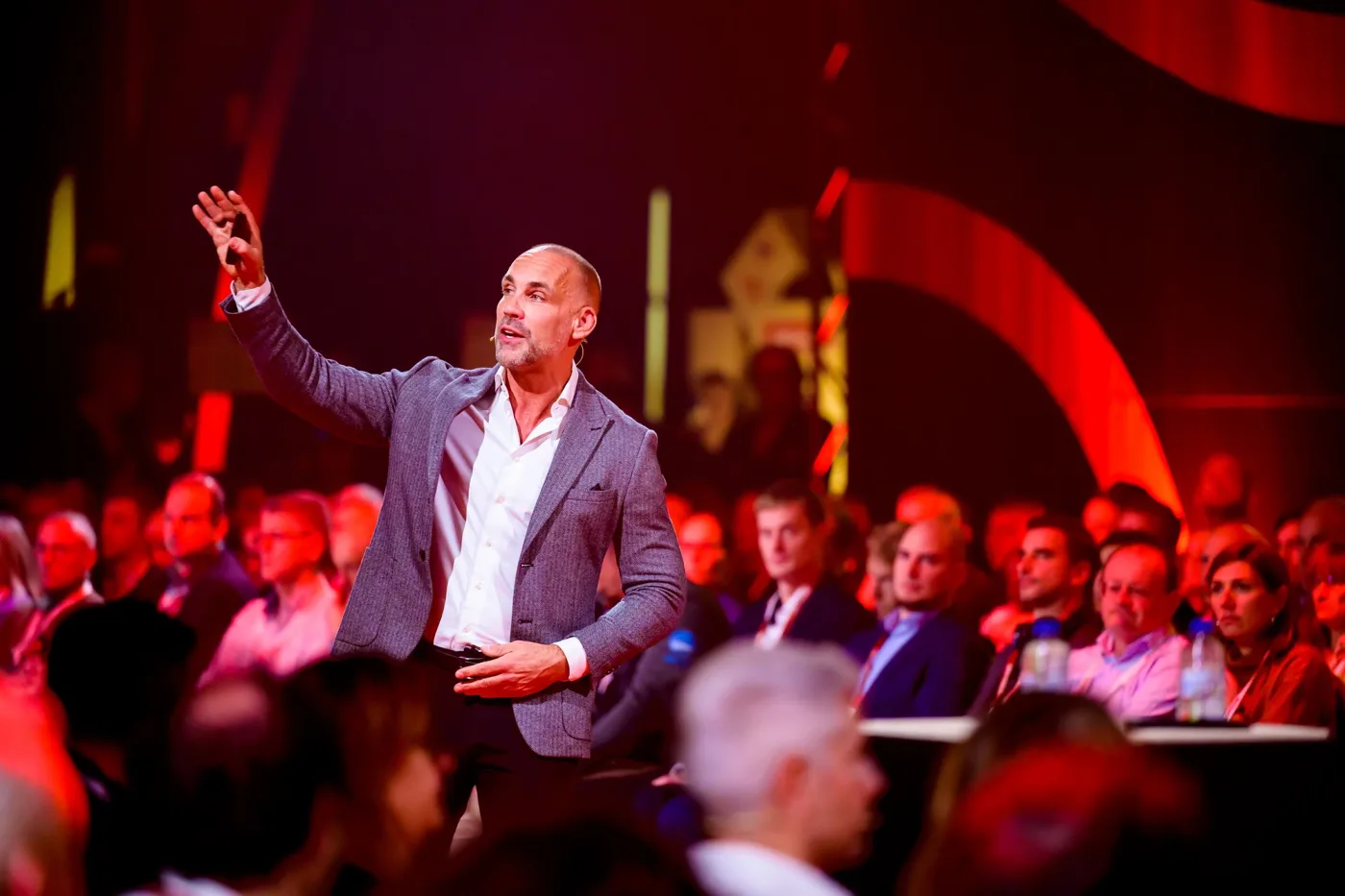
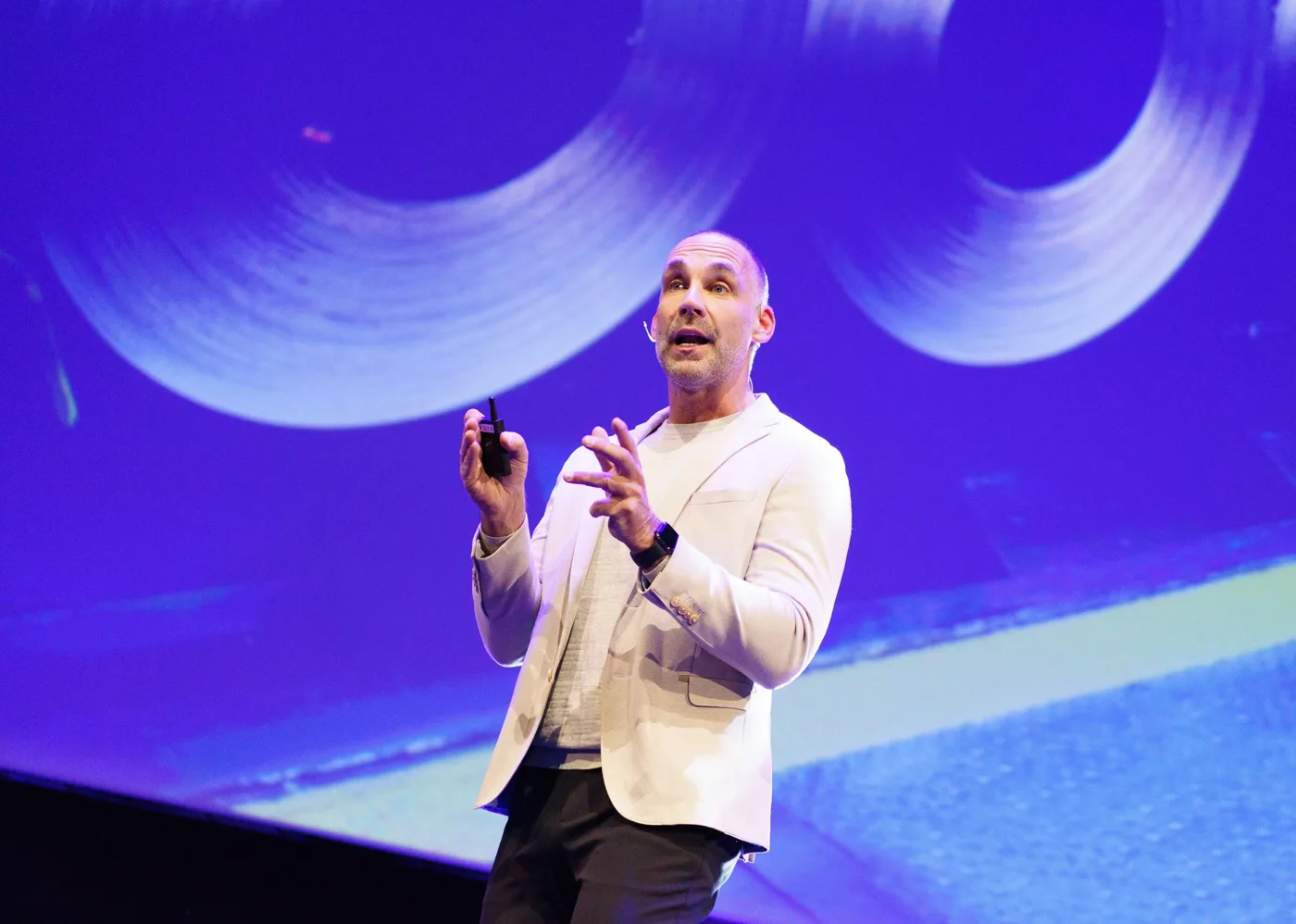
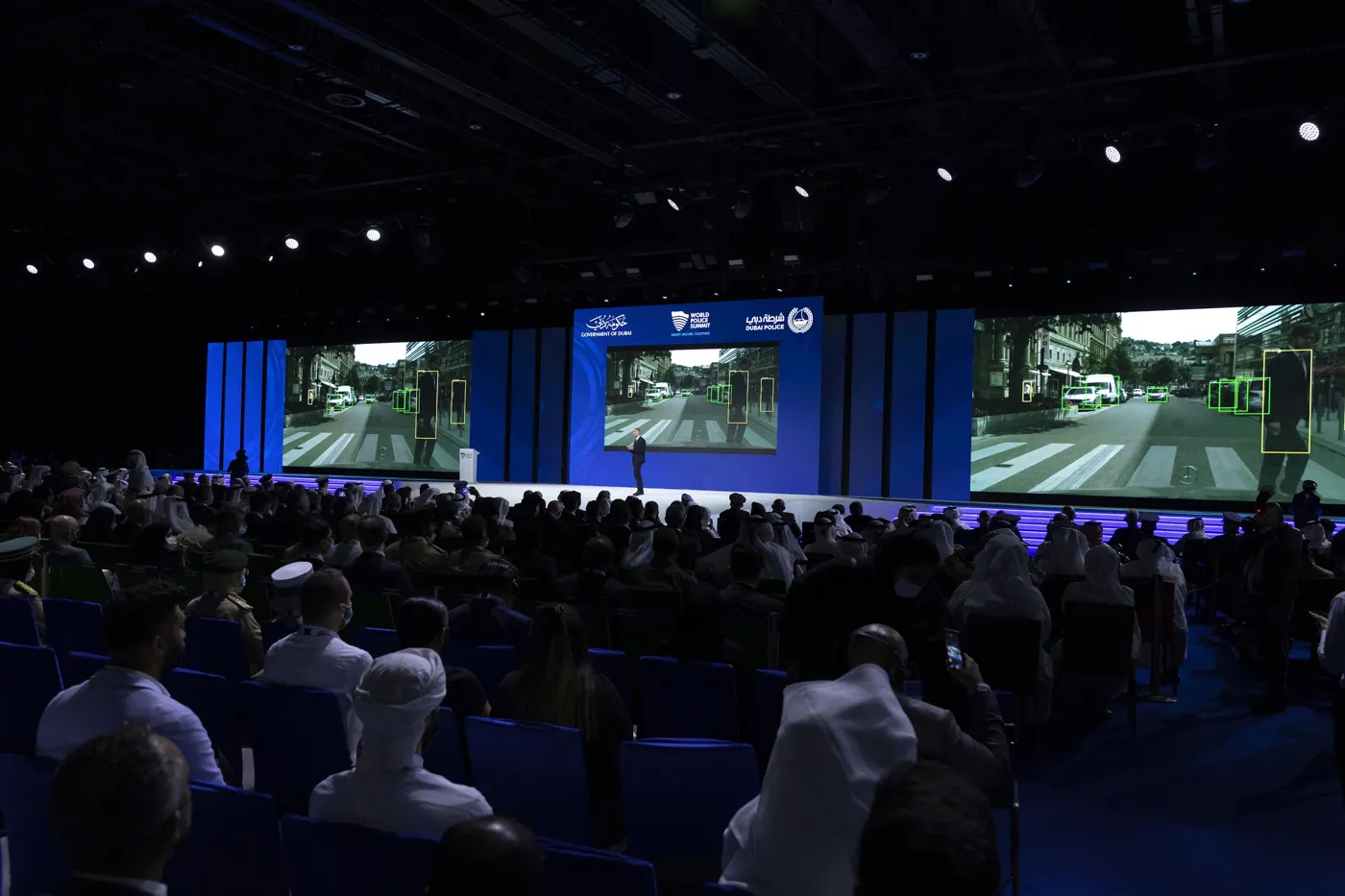
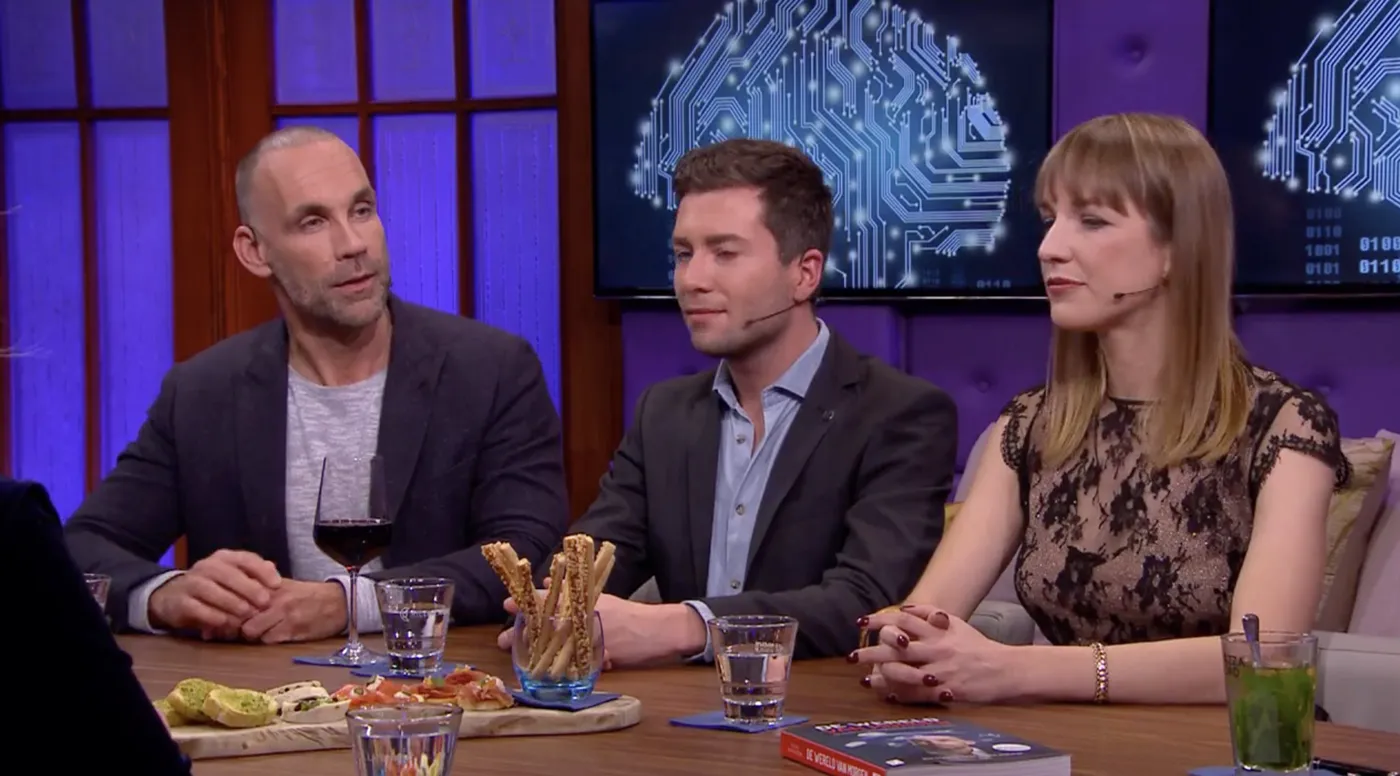
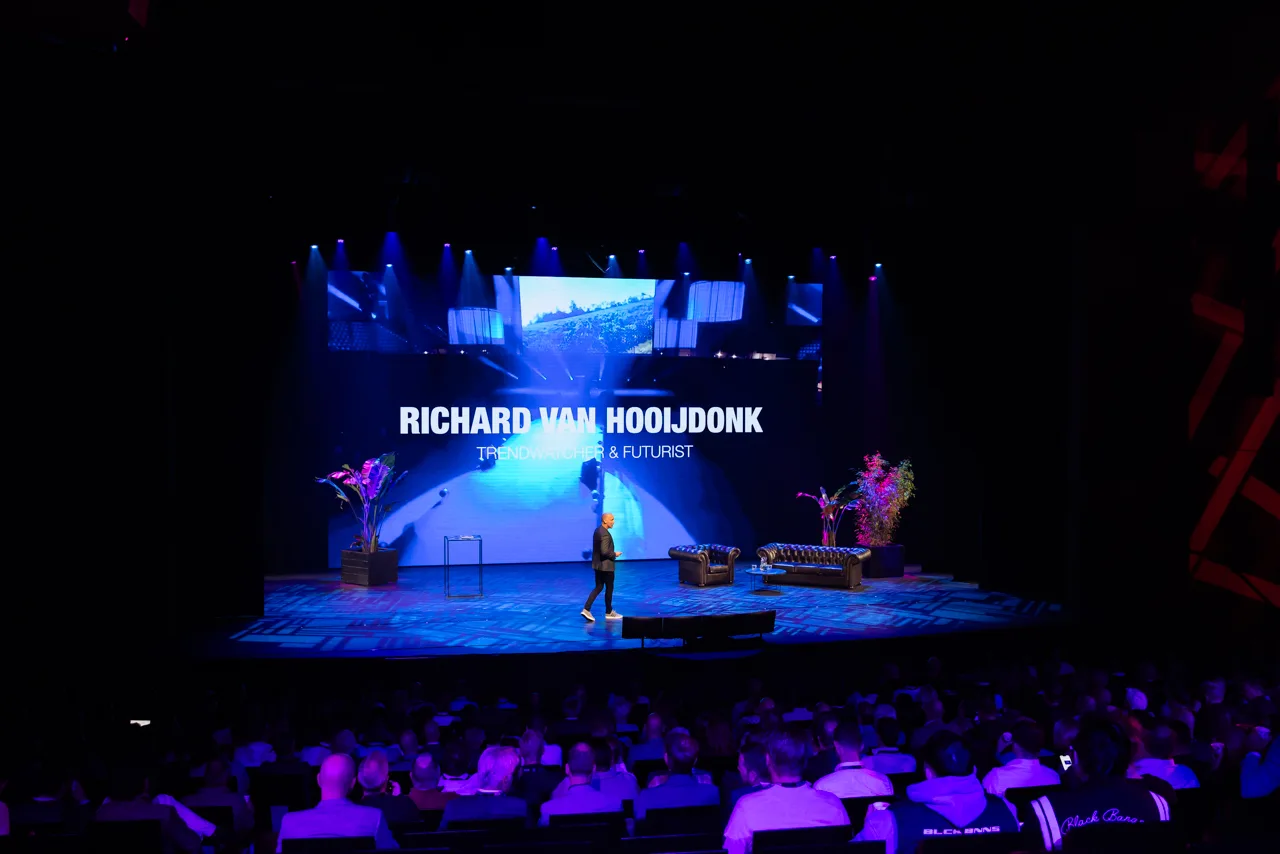
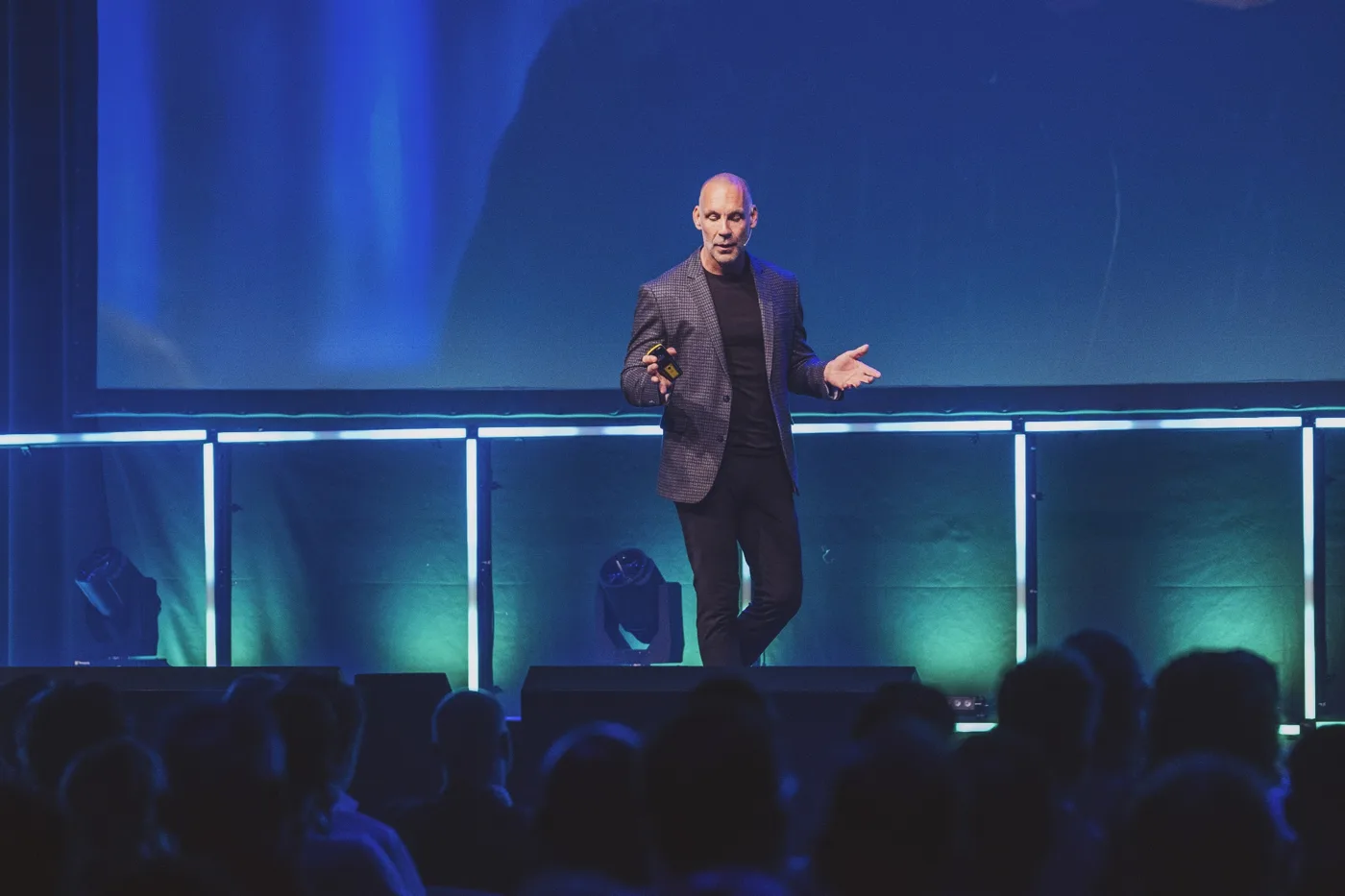
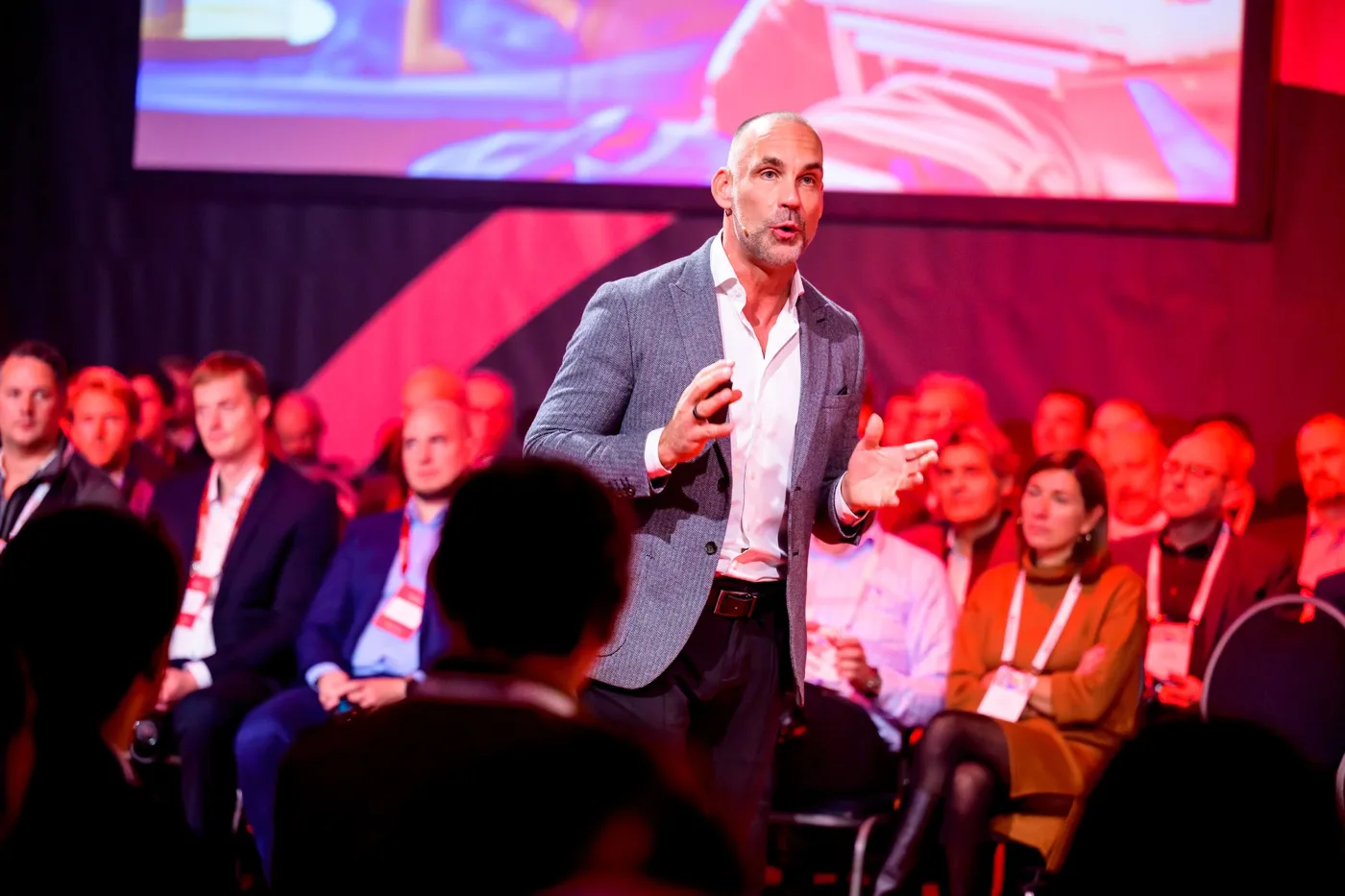
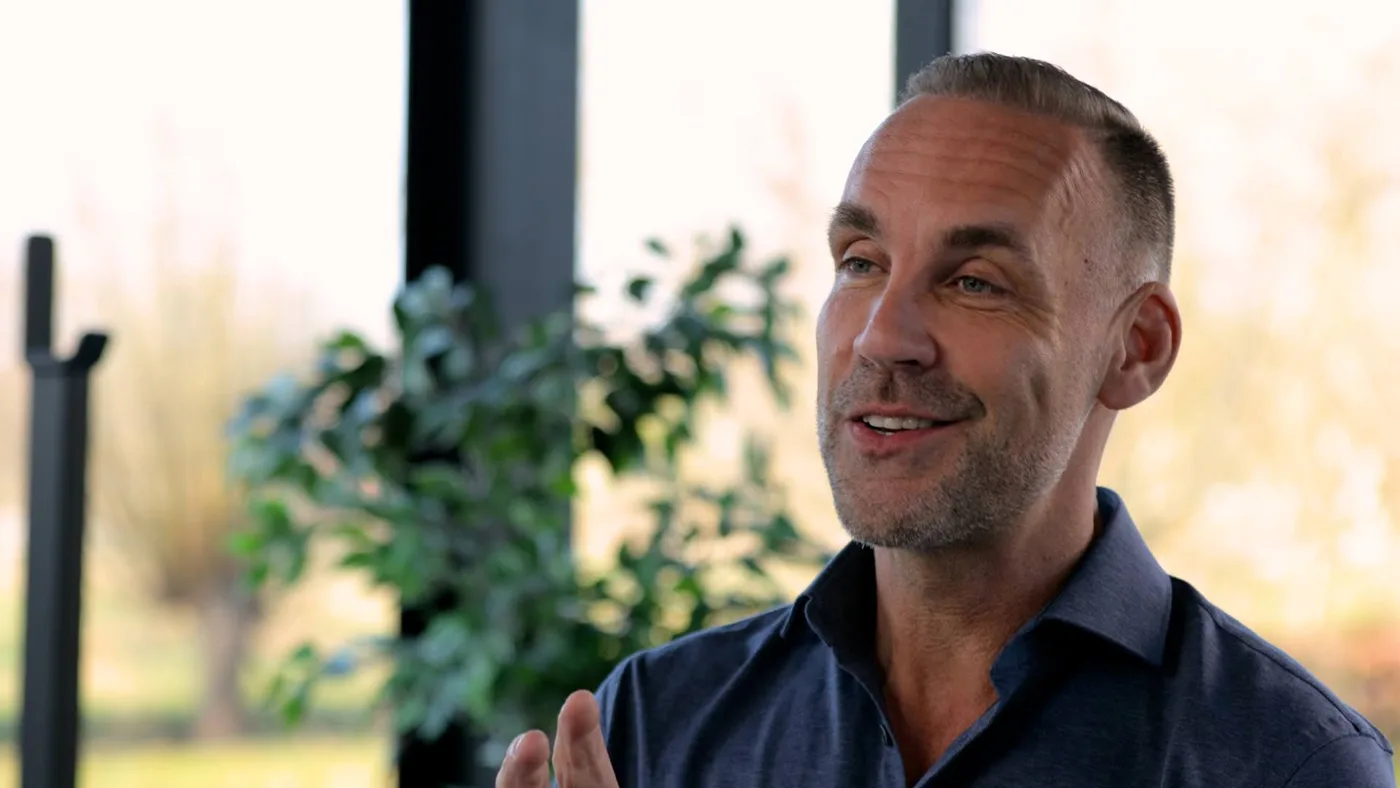
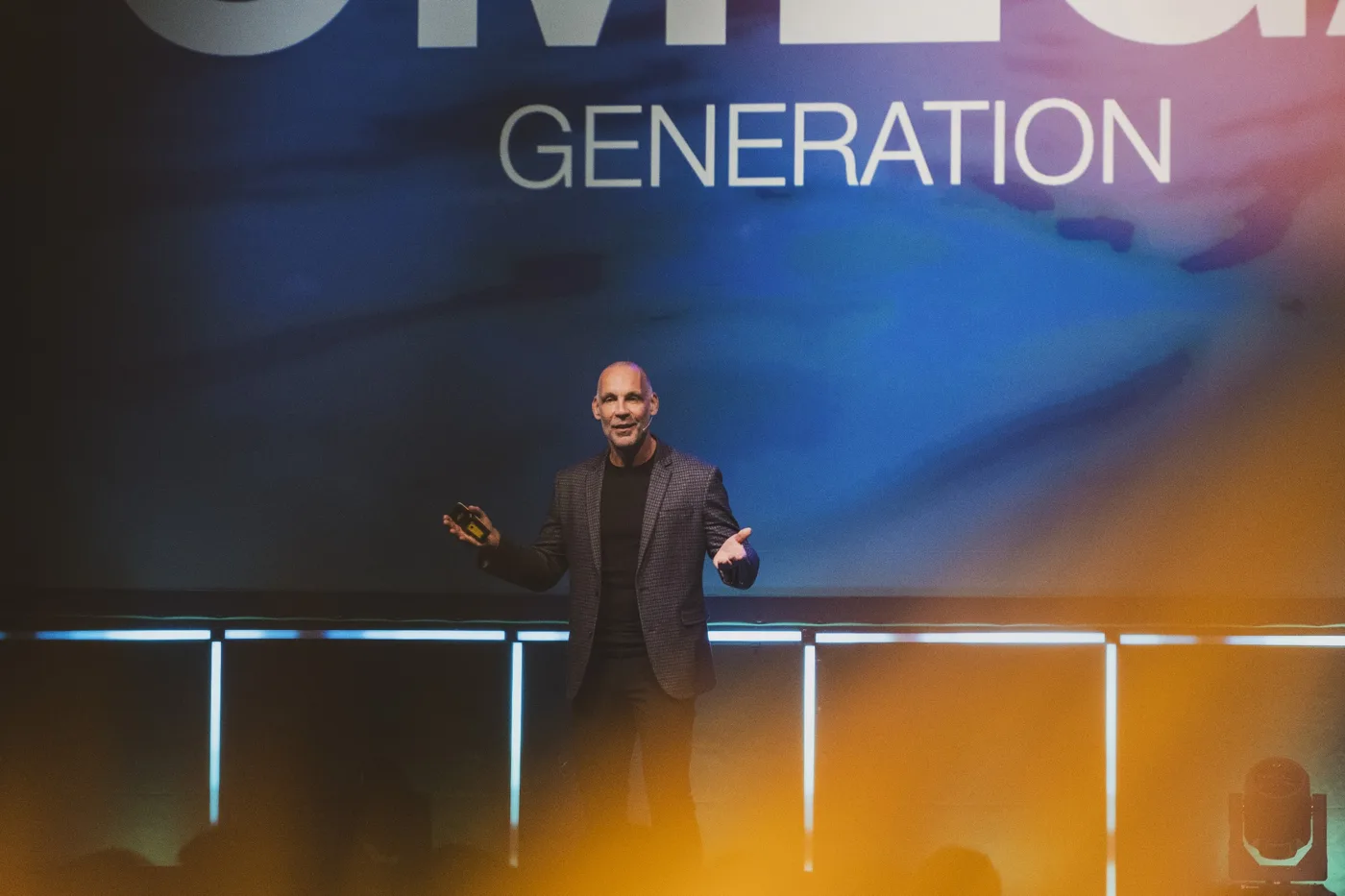
A packed conference hall, a televised panel discussion, a police summit in Dubai.
















What clients say

“Richard delivered an excellent presentation for the key clients we invited to Innovation Runway 2026. Engaging, interesting content, and thought-provoking statements made his presentation perfectly suited for our top relations.”Read the full review →
“The symposium ‘Airpower in the Information Age’ was a great success. Nothing but positive feedback from the participants. In no small part thanks to your commitment and dedication, we were able to achieve this result.”Read the full review →

“A dazzling journey through new technology. The enthusiasm and energy during his presentation, combined with the visuals, provided a successful kick-off to our event.”Read the full review →

“An impressive and noteworthy presentation for our employees and customers. The rate at which change is happening, which you eloquently brought across in your energetic speech, requires a disruptive approach. To be continued!”Read the full review →

“Enthusiastic speaker, a good and versatile story. Everyone was ‘wowed’ by the lecture.”Read the full review →
How a booking works
Your request
Use the form, or get in touch by phone, email or WhatsApp. A few lines are enough to get started.
We get in touch
We'd like to hear what your event looks like, who'll be in the audience and which themes interest you.
A written proposal
Covering the topic, format (on location or online), length (30, 45, 60 minutes or longer) and fee, so you can talk it over with your colleagues.
Getting to know Richard
Next, we'll find a time for the two of you to talk and brainstorm the keynote, the topics and the format. There's no charge for this.
Frequently asked questions
Who is this keynote for?
Organisations already working with AI agents or planning to start: executives and boards, management teams, IT, operations, procurement, finance and customer service, and the employees who will work alongside AI agents. Suitable for board away days, kick-offs, conferences and customer events, with audiences of thirty to three thousand. It also works for events for staff, clients and business partners. The keynote shows how work in large organisations changes as agents take over tasks: which roles shift, how teams work with agents and what that asks of leaders.
What will the audience take away?
A clear picture of what AI agents can do today, where they could be in a few years and what this means for work, roles and the organisation. Examples show AI agents working together and acting for customers, with attention to the ethical questions this raises.
What can my organisation do straight after the keynote?
First decide what role AI agents should play in your organisation, and why. Then work through each process to see which tasks an agent can handle, such as gathering documents or scheduling vehicle journeys, and where an employee's judgement is still needed. Roles, oversight and an agent register follow, and only then the choice of which agents and tools to deploy.
How does it differ from The AI Revolution?
The AI Revolution covers the broader picture: what AI can do, where it is heading and what it means for organisations and people. Agentic AI focuses on one development within that: AI that does the work itself. It covers what AI agents can do today and tomorrow, how they trade with each other and on behalf of customers, and how people and AI agents work in teams. If you are unsure which fits, we can help during the introductory call.
Is the keynote tailored to our sector?
Yes. The introductory call covers your audience, sector and the processes where AI agents already work or will soon arrive. A procurement event gets different examples from an audience of healthcare executives or a logistics company's leadership team. Each sector also has its own page.
Does the keynote cover risks and ethics?
Yes, always. AI agents taking the wrong action, excessive permissions, hidden instructions in emails and web pages, criminals deploying AI agents, and the question of which decisions we never want to leave to AI. The keynote shows where measures are needed while keeping the opportunities in view.
How long is the keynote, and can it be in English or online?
30, 45 or 60 minutes, and longer if you wish, with time for questions from the audience, in Dutch or English, in person or online. For more than a keynote, there are masterclasses, boardroom sessions for executives, board members and managers, and workshops for all employees.
How much does the Agentic AI keynote cost?
Fees for international keynotes are on request. Send your date and a short description of your event and target audience, and our proposal will give the fee for your event.
Interested in a keynote?
Let's talk about your event. Leave your details and we'll be in touch shortly.
Prefer to speak to us directly? Call +31 85 303 0792 · email talks@vanhooijdonk.com · send a WhatsApp message