 Richard van Hooijdonk

Leadership and Management in the AI Era
AI is changing the work of more and more teams, and with it the leader's job. Setting direction, making decisions and leading people and AI together, while you are still learning what the technology can do and grasping its impact.
Download the PDF of Leadership and Management in the AI Era (PDF, 3 A4 pages, 1.2 MB)Choose your keynote
Six keynotes, each of which can be tailored to your sector and audience.
 Trends 2040
 The AI Revolution
 Agentic AI
 The Organisation of the Future
 Leadership and Management in the AI EraYou are viewing
 Cybercrime in the AI Era
Not sure which keynote fits? We are happy to advise. Tell us about your audience
Leaders have to steer their teams through the arrival of AI while they are still learning what the technology can do.
The technology is the easy part. Whether AI works is decided by behaviour and culture, says trend watcher and futurist Richard van Hooijdonk, drawing on lessons from practice in Leadership and Management in the AI Era. AI models the consequences of a decision, picks up shifts in demand and already carries out tasks on its own in some processes. That changes the leader's job too. Jobs, work and tasks take a different shape, and leaders now lead employees and agents at the same time. The people in their teams see their work changing as they do it, and they have to adapt. Nobody knows the end point, yet the leadership still has to choose a course, explain it and adjust it. This keynote is about the leader: setting direction without a blueprint, knowing enough about AI to ask good questions, making better decisions and leading a team of people and AI.
A clear direction
Choosing a course, developing a picture of the future and starting before the picture is complete.
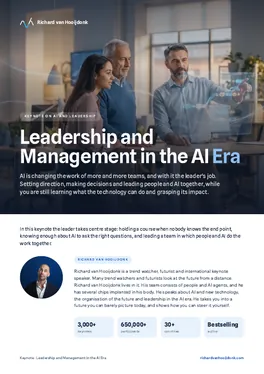 Download the keynote Leadership and Management in the AI Era
- 01

Leading when nobody knows the end
Nobody knows where AI and new technology will be in a few years. A leader still chooses a course, explains why and adjusts when the facts change.
Risk and uncertainty are different. With risk, you know the possible outcomes and can estimate their likelihood. With uncertainty, even that is impossible. AI brings both: errors in an application can be measured, but nobody knows how work will change over the next few years. Leaders who handle uncertainty well choose a direction for the coming months, state what they do not know and agree when to review it. They distinguish between what is fixed, such as values and the promise to the customer, and what can shift, such as methods and systems. A trial can therefore stop without changing the overall direction: new insights change the approach without immediately changing the vision of the future.
- 02

A vision of the future and scenarios
A vision that goes beyond technology: what is the organisation there for in ten years' time? Tested against several scenarios, not one prediction.
A vision of the future describes where the organisation wants to be in a few years and why: for which customers, in which role, with what work. An AI vision that only covers systems misses the heart of it: what does the organisation want to do differently or better with AI? Scenarios help to test such a vision. A scenario is not a prediction but a coherent picture of a possible future: one in which AI is available everywhere at low cost, for instance, alongside one with strict rules and little trust. Hold the vision up against three or four scenarios and you see which choices stand in every scenario explored and which depend on one particular future. That is how the leadership decides which steps are already sound today.
- 03

Taking the initiative
Starting before the picture is complete: experimenting yourself, bringing the team along and inspiring them, and showing together what it delivers.
Taking the initiative means starting before all the answers are in. In many organisations middle management waits for a strategy from above, while the top waits for ideas from below. A leader who starts breaks that deadlock. At the outset, the leader uses AI for a few weeks on a fixed part of their own work, such as a monthly report or preparing a performance review. That experience shows where AI helps and where it does not. A further trial within the team shows what an application contributes to the work they do together. The conversation about AI then has an example from inside the organisation instead of a supplier's presentation. Even a trial that delivers little shows where expectations and practice part ways.
What leaders need to know
Enough understanding of AI to ask good questions, choose opportunities and make better decisions.
- 04

What AI can and cannot do
AI predicts, creates text and images, and as an agent carries out tasks itself. Leaders who know what each type can do also see its limits.
AI covers several types of technology. Predictive AI finds patterns in data to forecast product demand or machine failure. Generative AI creates text, images or code based on its training. AI agents use AI, usually a language model, to carry out several steps independently within an assignment. Each has limits: predictions depend on data and models, a language model can sound convincing when it is wrong, and an AI agent needs oversight. You do not need to build a model to lead. Understanding the types and their limits helps you spot inflated claims and recognise where AI can add value.
- 05

Choosing where AI adds value
AI does not deliver the same everywhere. What it delivers and what it needs differ by process: data, a way of working and an owner.
AI does not deliver the same everywhere. In recurring work such as quotations, schedules, customer enquiries and reports, its value shows in time saved and measurable quality. To decide where AI adds value, you look first at the work process: which tasks in drawing up quotations and making schedules can AI take on, and which stay with people? A leader then compares the options on two points: what it delivers, and how quickly it can be done. That brings the question of what has to happen first. Is the data in order, is the work process written down, and who will own the result? With quotations, turnaround time and the amount of correction together say more about value than speed alone.
- 06

Deciding with AI
AI as a sparring partner: modelling scenarios, finding counterarguments and keeping current management data to hand. The leader still decides.
AI can play three roles in a decision. It models scenarios: what happens to margins and schedules if demand falls by a quarter? It acts as devil's advocate, finding weaknesses in a proposal. And it brings together current management information that would otherwise only be available at the end of the month. The leader checks sources, assumptions and calculations, leaving the discussion to focus on the choice itself. AI often lacks the context not captured in systems: the history with a customer, the mood in a team or what is politically possible. The leader weighs those factors, makes the decision and remains accountable for it.
- 07

Data as the foundation
AI is only as good as the data behind it. Leaders decide which data matters, who owns it and how it stays reliable.
Many AI plans fail on data rather than technology. Customer information is scattered across systems, product data is incomplete and vital knowledge sits in the heads of a few experienced colleagues. AI can do little with that. Putting data in order sounds dull, yet it is often the investment that pays back most, with or without AI. For leaders it comes down to three questions: which data is truly valuable to us, who owns it, and can we use it safely and reliably? Organisations that spend time on this now will move faster later than competitors who still have to tidy up first.
- 08

Measuring what it delivers
Not counting how many people use AI, but measuring what it changes: lead times, errors, customer satisfaction. And defining success in advance.
Numbers are easy to quote: how many licences, how many users, how many trials. They say little about results. The real question is what improves: shorter lead times, fewer errors, happier customers, more revenue, or time freed for other work. Decide before the start what you will track and record the current situation, or you will have nothing to show afterwards. Track what goes wrong as well, such as extra checking or complaints. A trial that delivers nothing is no failure if you find out quickly; a trial that keeps running while nobody knows whether it works is.
- 09

Responsible and accountable
AI proposes, a person stays responsible. Leaders decide in advance where someone checks: the bigger the consequences, the closer to the decision.
AI makes mistakes, sometimes with great confidence. A summary misses an important detail, advice relies on outdated information, an answer sounds convincing but is wrong. Every application therefore raises the question: who checks this, and who answers for it if it goes wrong? An employee can quickly read through a draft email; a decision about a customer, a loan or a job applicant needs more care. The greater the consequences of an error, the closer a person must be to the decision. Leaders set those limits before something goes live, not afterwards. European rules increasingly require organisations to explain how they use AI and who oversees it.
A team that learns to work with AI often discovers sooner than expected what is possible. A leader who gives AI experiments room sees the team doing work it never got round to a year earlier.
Richard van Hooijdonk
Leadership in practice
Leading a team of people and AI, taking people through the change and helping talent grow.
- 10

The AI-first organisation
A leader decides which work AI takes over. People focus on judgement, choices and contact with customers and colleagues.
An AI-first organisation starts with a leader who makes choices about work. AI and new technology do the work people need not do, including the repetitive and predictive work: compiling reports, updating schedules, forecasting next quarter's demand. People focus on what they do better: exercising judgement, making choices and working with customers and colleagues. A team that leaves the gathering of figures to AI has more time for the customer who has doubts and the colleague who is stuck. Whether that time really materialises depends on how the leader divides the work anew.
- 11
 In pilots
Leading people and AI
Leading a team of people and AI agents: reallocating the work, deciding what an agent may do itself and assessing the results of both.
More teams work alongside AI agents: AI systems that take steps independently within an assignment, such as compiling a case file or updating a schedule. Leaders reallocate the work, identifying what an AI agent can do and where a person is needed. They set its authority and decide who checks its output. Performance assessment changes because some of the work no longer rests with one person alone. New roles emerge, including people who configure and monitor AI agents. Alongside directing agents, the human side of leadership remains: coaching, exercising judgement and having the difficult conversations. The Agentic AI keynote examines authority and oversight in more depth.
- 12

Taking the team through change
Workload, professional identity, doubt and motivation. A leader gives the team a say in the change and room to ask questions.
Psychological safety means a team believes people can ask questions, express doubt or report mistakes without punishment or humiliation. This matters when AI changes work, because it affects people in ways no project plan covers. An experienced employee wonders what their expertise is still worth; a colleague sees extra work. When people are afraid to voice doubts, they try little that is new. In customer service, a leader can let the team choose which enquiries AI drafts responses to and which staff answer themselves, with time set aside to practise. The leader also highlights what remains the same: professional judgement, contact with customers and knowledge of the work.
- 13

Developing and retaining talent
AI skills are becoming a measure of talent. Leaders develop, recruit and retain people whose work is changing around them.
As AI takes on more tasks, the definition of a good employee changes. Expertise still matters, alongside the ability to give clear instructions, assess results critically and redesign one's own work. Talent is increasingly judged by what someone can do, with less emphasis on job titles or qualifications. That affects every career conversation a leader has. Learning goals shift with the work. Recruitment places more weight on how candidates use AI. Retaining good people means discussing how their work is changing and the development that fits it. The start of a career changes too, as AI takes over some entry-level work.
- 14

Learning at the top
Leaders who use AI themselves ask better questions and set the example. The organisation takes charge of the knowledge of tomorrow.
An executive team or board that decides on AI must know enough itself to ask the right questions. Learning therefore starts at the top: fixed moments to try out new applications, conversations with specialists and an honest view of what their own knowledge is still worth. On top of that, the leadership takes charge of learning across the whole organisation. Education often lags behind what is changing in the work, and a one-off training course dates quickly. More and more organisations are therefore building their own future academy, where colleagues from their own teams teach and the programmes fit their own processes. That changes the leader's position too: they decide on a technology whose capabilities shift again while they are still learning.
- 15

What employees already do
Employees often use AI already, with or without permission. Leaders do not ban it; they give direction and learn from what people have found.
In many organisations employees use AI on their own initiative, often with a personal account. That signals two things: there is demand, and there are risks, from company data leaving the building to answers nobody checks. A ban only pushes that use further out of sight. It works better to stay curious about what people have already discovered and make clear which data may and may not be used; safe tools follow from there. Those employees are often the best guides: they know where the work gets stuck and what AI is already changing there. Leaders who ask about it and share the good examples have something to build on.
- 16

Innovation in a slow organisation
Old systems, rules and habits slow innovation. Leaders change them step by step, without waiting for a major reorganisation.
Innovation in an established organisation means connecting something new to systems that remain in use for years, rules that once served a purpose and habits nobody questions any more. AI makes this tangible: a new application has to work with old data and procedures. Leaders making progress in that setting do not start by replacing everything. They choose a process with a clear owner, build a working solution alongside the old system and demonstrate the result. Retiring the old method then becomes a smaller step. They also remove things deliberately: an approval stage that adds nothing, a report nobody reads. Making room for something new often starts with removing something old.
- 17

AI is not an IT project
Give AI to one department and you get a departmental result. Work changes in operational teams, so they should own the results.
It is tempting to put IT, an innovation team or someone in a new AI manager role in charge of AI. But the work that changes happens in operational departments: the department that prepares quotations, the team that helps customers and the planners in the warehouse. Specialists build; leaders in operational departments apply it and own the result. They decide how the work changes, who checks what and when an application is good enough. An innovation team that builds a pilot without an owner in an operational department produces a demonstration, not a new way of working. When operational departments take ownership, a pilot can become part of everyday work, and the knowledge is more likely to stay in the organisation when the project team leaves.
- 18

Where people still matter
Not everything that can be automated should be. Leaders choose deliberately where a person makes the difference: in doubt, emotion and complaints.
AI makes a lot of work cheaper and faster. But cheaper is not always better. The payments company Klarna let AI take over a large part of its customer service. Its chief executive later admitted that the focus on cost had led to lower quality; the company is investing in human staff again, so customers can always speak to a person if they want to. The lesson is not that AI fails in customer contact, but that leaders must choose deliberately where people make the difference. That is often in moments of doubt, emotion, complaints and big decisions. Organisations that get this right identify what the customer really values in each interaction and automate the rest.
- 19

Growing with an ecosystem
Many solutions come from outside. Leaders build an ecosystem of start-ups, researchers, partners and governments, across borders too.
No organisation can hold all the knowledge about AI in-house. The technology is being developed in many places at once: by start-ups, researchers, partners, governments and organisations in other sectors working on the same question. A leader's ecosystem therefore helps determine how quickly an organisation learns and renews itself, and that ecosystem does not stop at the national border. It does not build itself. Leaders who build one visit organisations that are further ahead, look for partners for a joint trial and talk openly with peers about what failed. A healthcare organisation learns from scheduling in a port, a local authority from customer service in retail. Who a leader spends time with is a strategic choice, not a minor detail in the diary.
The other side responsibility, security and trust
AI also calls for vigilance. The top carries responsibility for the transformation, for digital security and for trust that messages are genuine.
- 20

Transformation starts with the board
Making the AI transformation succeed is becoming a board matter. The board sets the direction, allocates the resources and follows progress.
AI goes to the core of an organisation: how it makes money, how it serves customers and what work people do. Those choices belong at the board table. That does not mean the board does everything itself. It means deciding where AI must make the difference, directing resources there, following progress and making the call when old ways of working get in the way. In McKinsey's research, CEO oversight of AI governance goes hand in hand with higher returns from AI. Shareholders, regulators and employees therefore look to the board more and more when it comes to AI: shareholders ask what it delivers, regulators who has oversight, employees what it means for their work.
- 21
Digital security as a board duty
European rules make digital security a duty of the board itself. Directors know the risks, take decisions on them and oversee the response.
For a long time digital security belonged to the IT department. That is changing. The European NIS2 directive, translated into Dutch legislation through the Cyberbeveiligingswet, gives directors of many organisations specific responsibilities of their own. They approve the measures, oversee their implementation and make sure they understand enough themselves. If that falls short, the board can be held to account. Directors need not become technicians. They do need to know the main risks, ask the right questions and know what happens when things go wrong. AI makes this more urgent: attacks are getting smarter, but so is the defence, for those who invest in it.
- 22

Real or fake?
With AI, criminals clone voices, hack systems and deploy ransomware. Good security and agreed procedures make it harder for them.
A familiar voice or a trusted face on a video call inspires trust. With AI, fraudsters can fake both. A director uses AI to address staff in their own language; a fraudster uses that same voice to ask for an urgent payment. At the engineering firm Arup, an employee in Hong Kong transferred the equivalent of some 25 million US dollars in 2024 after a video meeting in which the chief financial officer and colleagues were all fakes. AI also makes it easier for criminals to break into systems and hold valuable data hostage with ransomware. Agreed procedures, such as a second channel to confirm unusual payments, make such an attack a good deal harder. In the AI era, good security is the responsibility of the whole leadership team.
This keynote in your sectorEducation Healthcare Government Accountancy and advisory Financial services
About the speakerRichard van Hooijdonk
Events in EuropeKeynote speaker for corporate events in Europe
On stage
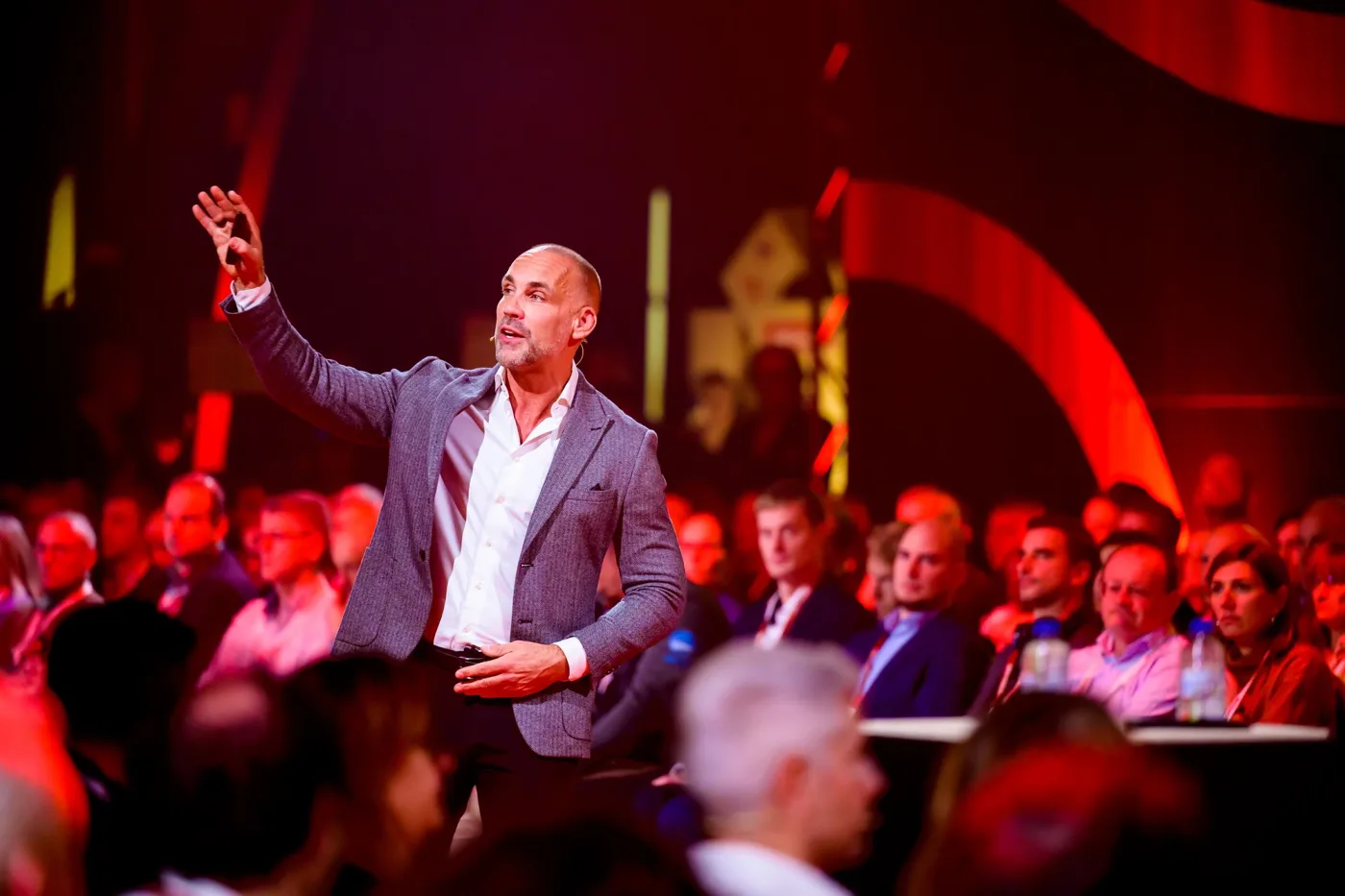
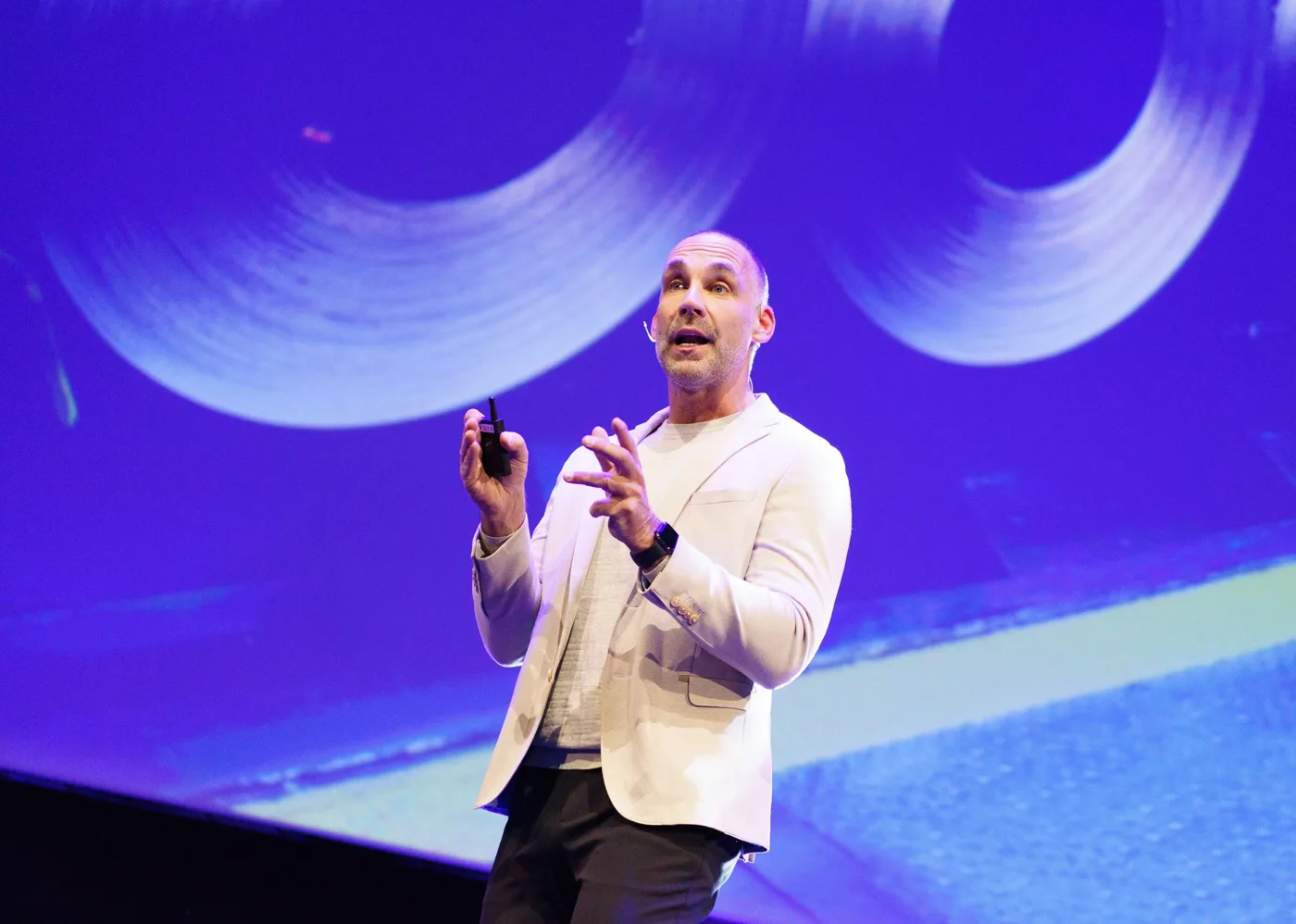
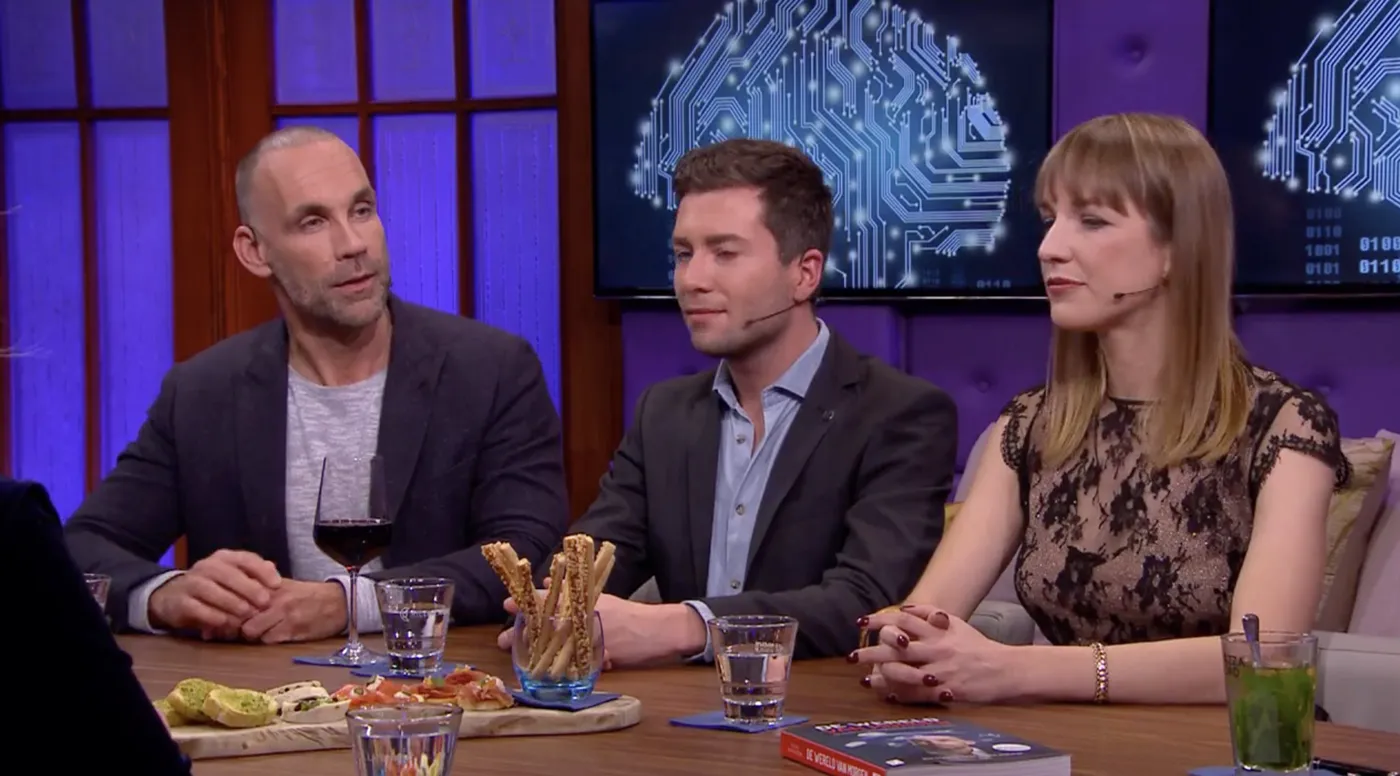
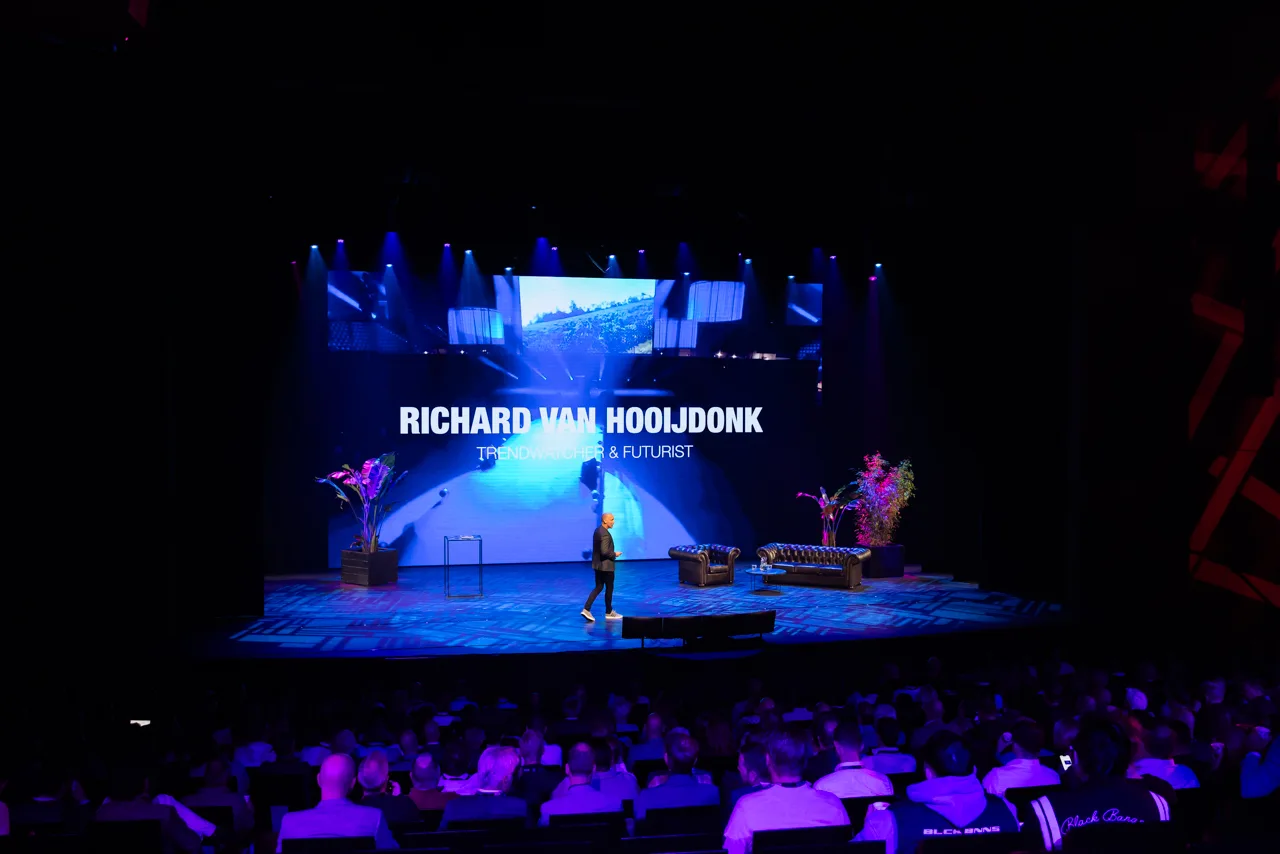
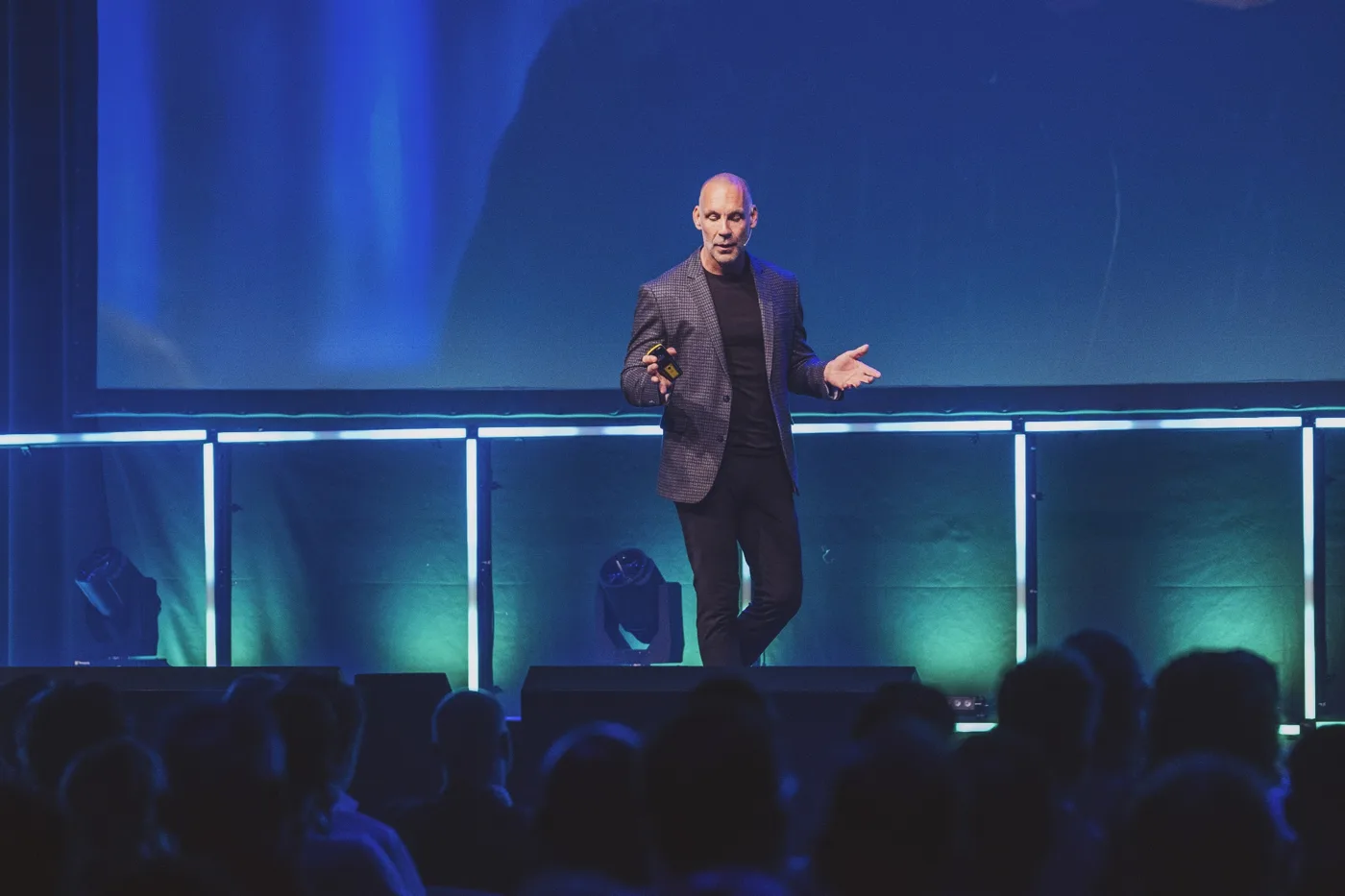
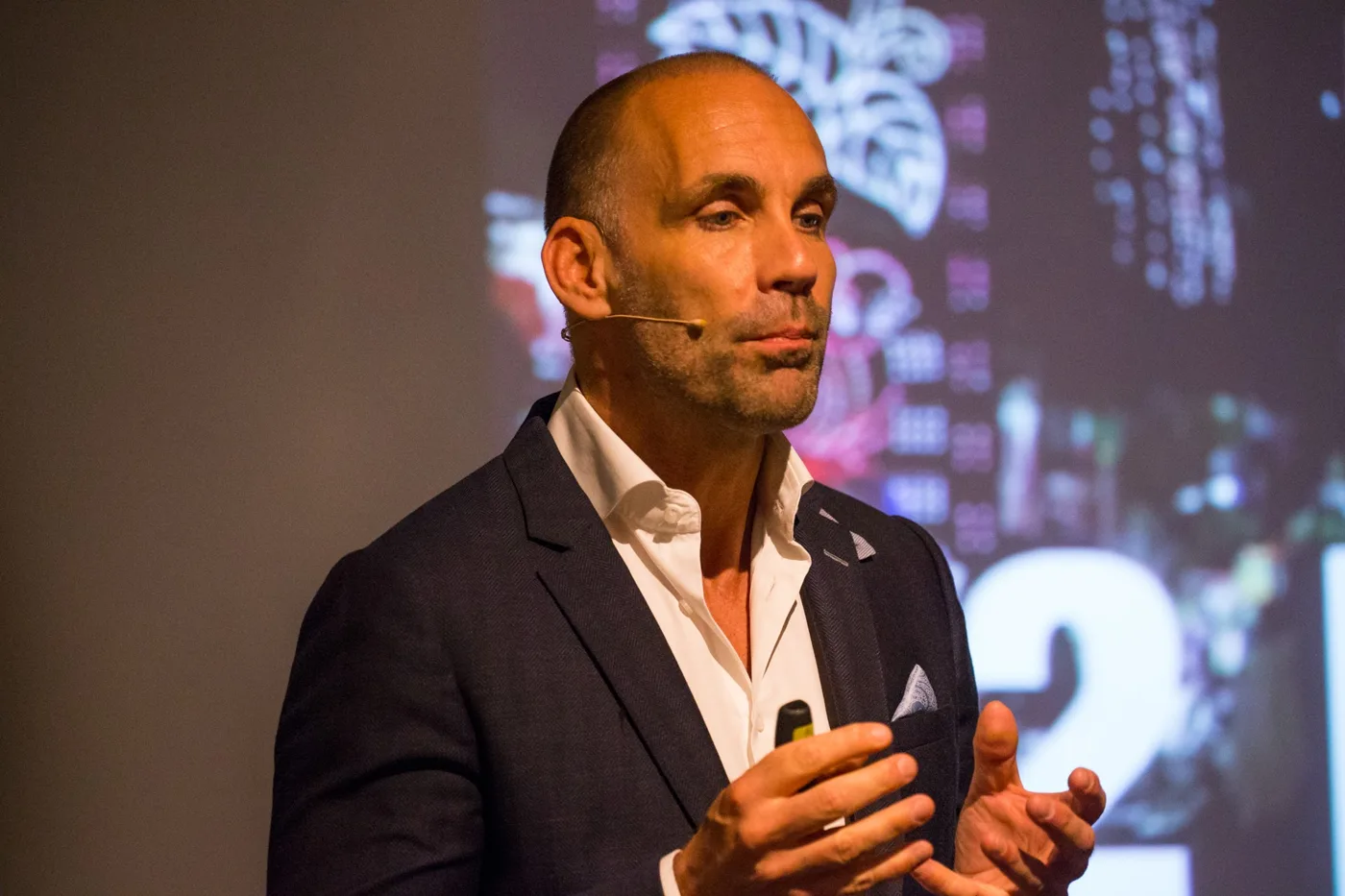
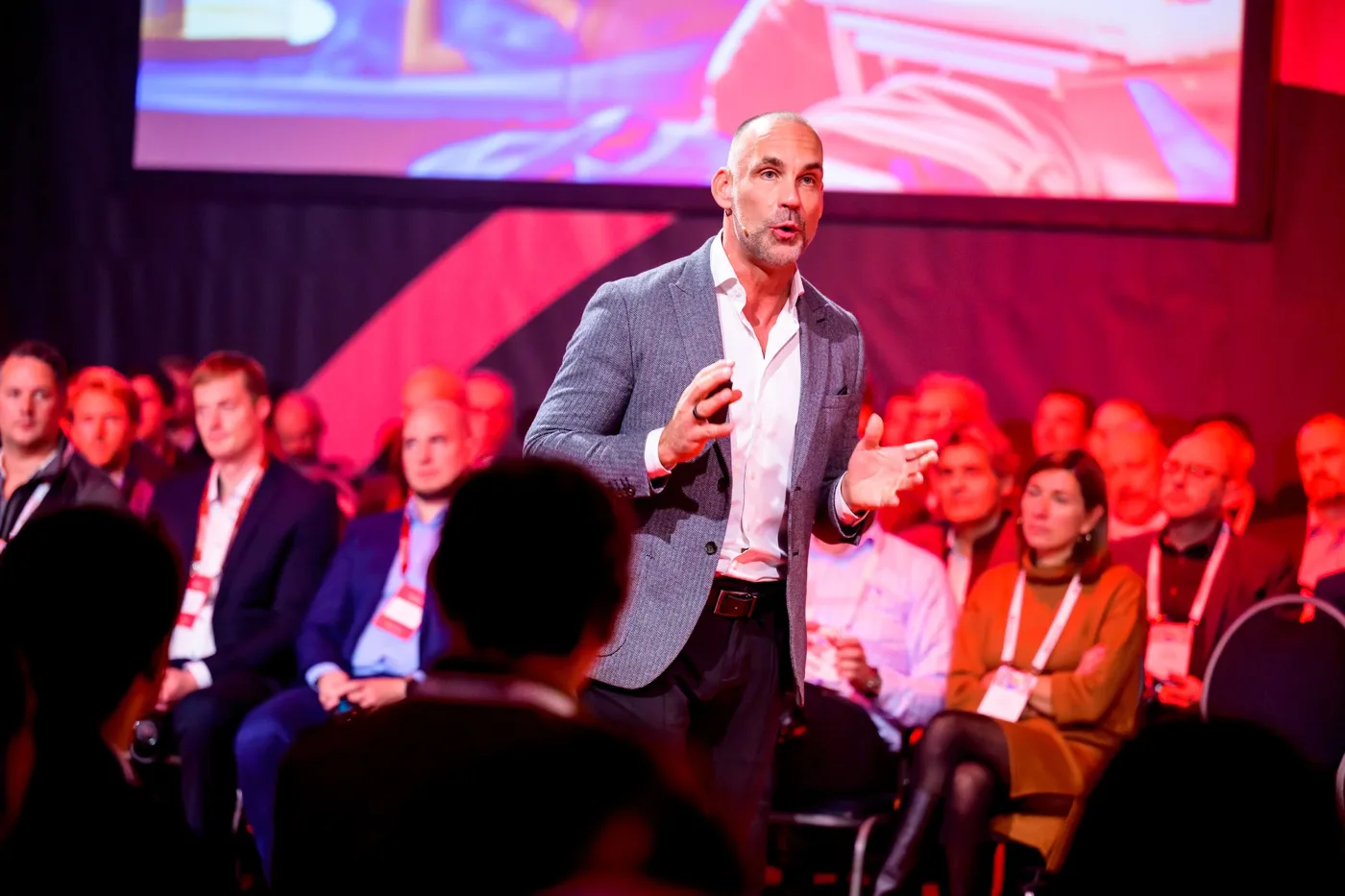
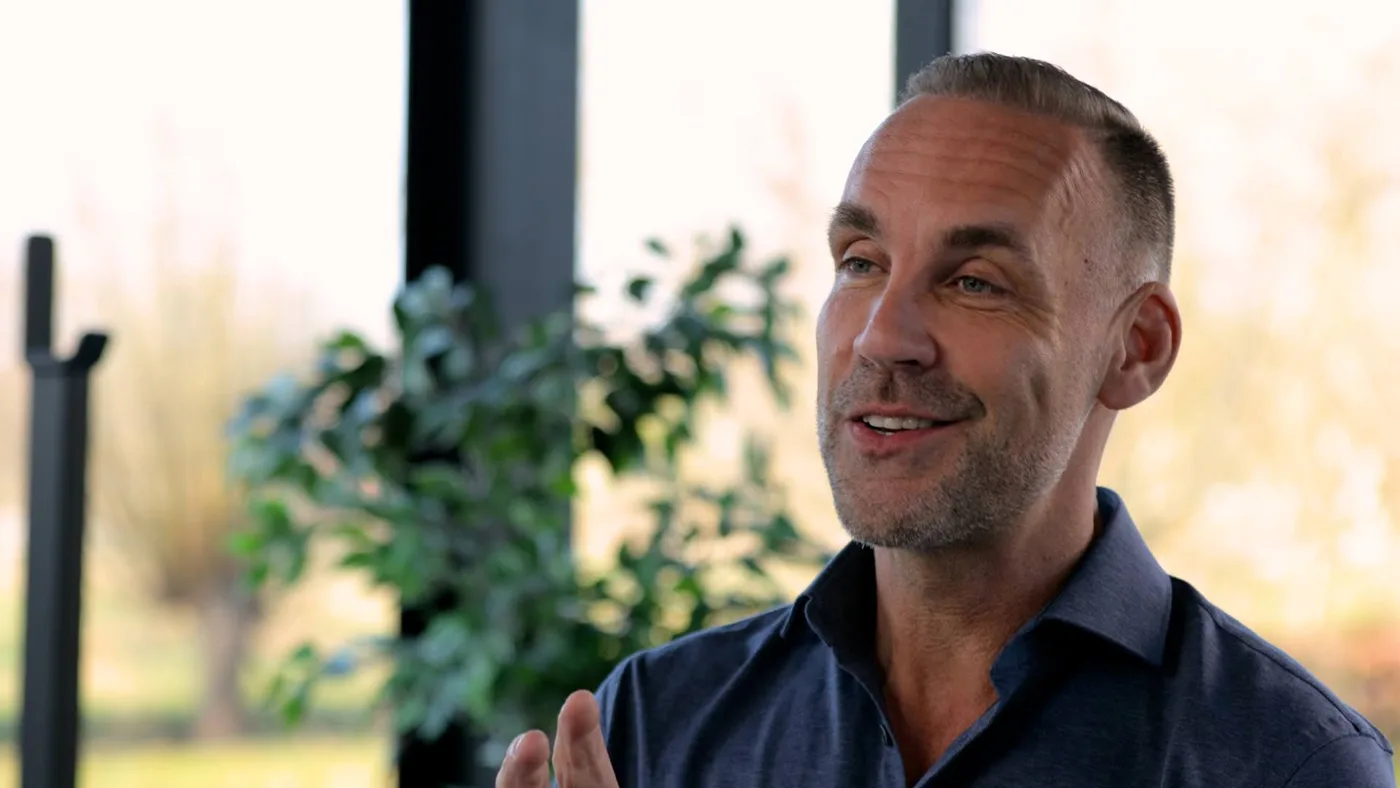
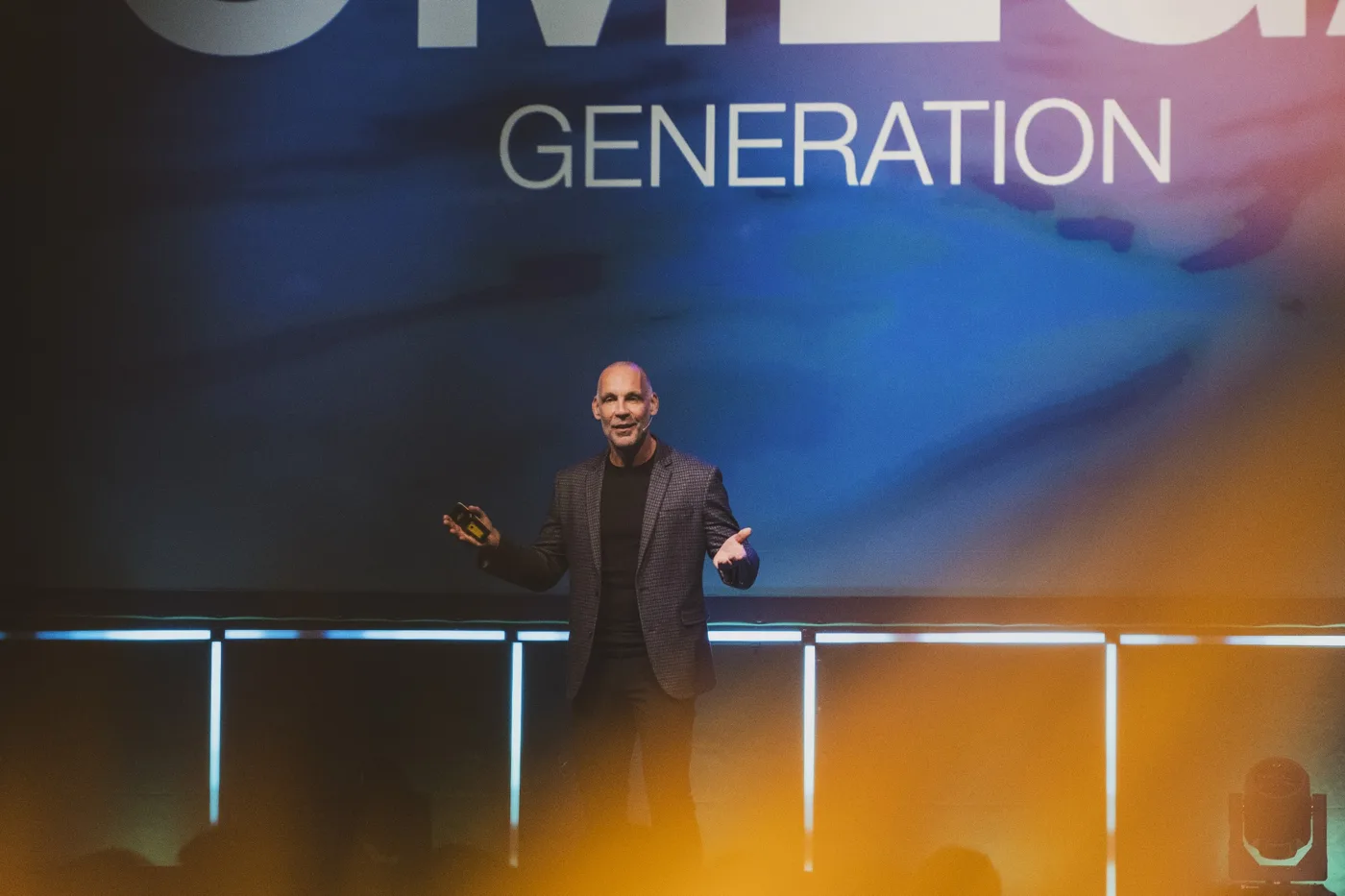
A packed conference hall, a televised panel discussion, a police summit in Dubai.

















What clients say

“Richard succeeded excellently in waking up our leaders and setting them on the path to the future: after the lecture, discussions took place across various parts of the organisation about the topics covered, and initiatives have been set in motion.”Read the full review →
“We thank you once again for your inspiring contribution as the kickoff of the module. We found your lecture very valuable. The inspiration and answers to the questions have given the participants much to think about. As a result of this Top Defence Leadership Programme, we expect several new initiatives to emerge. And that is thanks in part to your inspiring kickoff.”Read the full review →
“With your presentation you awakened the customs organisation. At the end of the day it turned out that your presentation had made the biggest impression. You made sure the issues were put on Strategic Management’s radar.”Read the full review →

“A dazzling journey through new technology. The enthusiasm and energy during his presentation, combined with the visuals, provided a successful kick-off to our event.”Read the full review →

“Richard delivered an excellent presentation for the key clients we invited to Innovation Runway 2026. Engaging, interesting content, and thought-provoking statements made his presentation perfectly suited for our top relations.”Read the full review →
How a booking works
Your request
Use the form, or get in touch by phone, email or WhatsApp. A few lines are enough to get started.
We get in touch
We'd like to hear what your event looks like, who'll be in the audience and which themes interest you.
A written proposal
Covering the topic, format (on location or online), length (30, 45, 60 minutes or longer) and fee, so you can talk it over with your colleagues.
Getting to know Richard
Next, we'll find a time for the two of you to talk and brainstorm the keynote, the topics and the format. There's no charge for this.
Frequently asked questions
Who is this keynote for?
Anyone who leads while AI changes the work: executive teams, management teams, team leaders, board members and supervisory directors. It suits leadership days, management conferences, board meetings and congresses, with audiences ranging from a management team of twelve to hundreds of leaders. It also works for events for staff, clients and business partners.
What will the audience take away?
A clear understanding of what AI can and cannot do, without technical detail. A way to maintain direction when nobody knows how things will turn out. And an understanding of how collaboration between people and AI changes leadership, work and responsibility.
What can my organisation do straight after the keynote?
The leadership sets a course first: where the organisation wants to go with AI, even while the end point is still unclear. Leaders in operational departments then examine each process to see which tasks AI can do, such as compiling reports or updating schedules, and where their people make the difference. Roles, the team and talent follow, and only after that the question of which applications fit.
Is the keynote tailored to our sector?
Yes. Beforehand there is an introductory call about your audience, your sector and the questions your leadership faces. The examples come from your audience's world: a housing association's management team will hear different examples from manufacturing leaders or a hospital's executive team. Each sector also has its own sector page.
Does the keynote cover the risks of AI?
Yes, in the group The other side. Among other things, it covers directors' own duties for digital security and their possible personal liability. And criminals who use AI to imitate a director's voice and face to get payments released.
How long is the keynote, and can it be in English or online?
30, 45 or 60 minutes, and longer if you wish. With time for questions from the audience, in Dutch or English, in person or online. If you want to go further than a keynote, there are masterclasses, boardroom sessions for executives, board members and managers, and workshops for all employees.
What does the keynote Leadership and Management in the AI Era cost?
Fees for international keynotes are on request. Send your date and a short description of your event and audience, and the proposal will set out what the keynote costs for your event.
Interested in a keynote?
Let's talk about your event. Leave your details and we'll be in touch shortly.
Prefer to speak to us directly? Call +31 85 303 0792 · email talks@vanhooijdonk.com · send a WhatsApp message